Annual festivals in Bristol represent a multi-million-pound economic and cultural engine driven by community heritage, maritime history, and contemporary arts. The city hosts over 30 major recurring events annually, attracting hundreds of thousands of visitors to venues like the Ashton Court Estate and the historic Harbourside.
- How did the Bristol International Balloon Fiesta evolve into a European landmark?
- What are the historical roots and community impacts of St Pauls Carnival?
- How does the Bristol Harbour Festival celebrate maritime heritage?
- What role does Love Saves The Day play in contemporary music culture?
- How do niche cultural events like the Slapstick Festival preserve cinematic history?
- What economic and civic implications arise from Bristol’s festival calendar?
Bristol functions as a major cultural hub in the United Kingdom, utilizing its unique geographical landscape and industrial heritage to stage diverse public gatherings. These celebrations vary from massive outdoor music events to community-led street carnivals. Local government bodies, such as Bristol City Council, recognize these cultural activations as vital drivers for tourism, hospitality revenue, and civic identity. The festival ecosystem bridges historical traditions, such as maritime trade celebrations, with modern electronic music culture and street art movements pioneered by local figures like Banksy. Consequently, the calendar operates year-round, transforming public parks, squares, and waterways into temporary stages for artistic expression and social cohesion.
How did the Bristol International Balloon Fiesta evolve into a European landmark?
The Bristol International Balloon Fiesta is Europe’s largest annual gathering of hot air balloons, established in 1979 at Ashton Court Estate as a four-day free public event featuring mass ascents and nightglow spectacles. The event attracts over 100 pilot teams and 500,000 spectators across its weekend run.
Don Cameron, an aviation pioneer and founder of Bristol-based Cameron Balloons, conceived the festival alongside a small group of ballooning enthusiasts to showcase the city’s manufacturing heritage in aerostats. The inaugural 1979 meeting successfully gathered international pilots, establishing Bristol as the global capital for hot air balloon manufacturing. The event takes place every August on the sprawling grounds of the Grade II* listed Ashton Court Estate. Meteorological conditions dictate the schedule strictly; mass ascents occur twice daily at 6:00 AM and 6:00 PM, contingent on wind speeds below 10 knots and clear visibility. The core infrastructure relies on corporate sponsorship, car parking revenue, and official hospitality packages to remain free for general admission. The Nightglow event, where tethered balloons illuminate to synchronized music scores, serves as the technical and visual climax of the Friday and Saturday programmes.
What are the historical roots and community impacts of St Pauls Carnival?
St Pauls Carnival is an annual African Caribbean street celebration founded in 1968 by local civil rights activists and West Indian immigrants to combat racial discrimination and foster multicultural integration in Bristol. The free-to-attend Saturday event draws over 100,000 attendees to the St Pauls district.
The carnival emerged during a tense period of post-Windrush social friction, drawing structural inspiration from the Notting Hill Carnival while maintaining a distinct Bristolian identity. Early organizers, including community leader Roy Hackett, sought to use masquerade, steel pan music, and traditional food to bridge divides between marginalized Caribbean communities and the wider local population. The event features formal costume processions, community sound systems playing reggae, dancehall, and dub, and localized trading stalls. Financial instability and policing challenges led to a hiatus in the early 2000s, prompting a structural reorganization under the St Pauls Carnival (CIC) trust. This governing body maintains year-round educational heritage workshops and activism forums, ensuring the festival retains its political roots alongside its vibrant street party atmosphere.
How does the Bristol Harbour Festival celebrate maritime heritage?
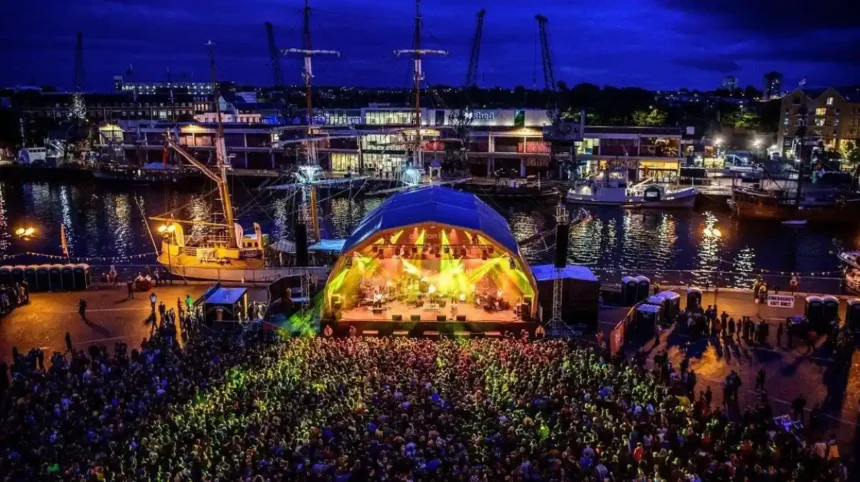
The Bristol Harbour Festival is a free three-day maritime celebration launched in 1971 that utilizes a two-mile stretch of the Floating Harbour to host tall ships, music stages, and on-water acrobatic displays for 250,000 visitors.
The festival was originally created by the Bristol City Dockland authorities to reconnect citizens with the commercial port infrastructure as shipping operations shifted downstream to Avonmouth. The event spans key urban waterfront locations, including Queen Square, Millennium Square, the Amphitheatre, and College Green. The nautical programme features rowing competitions, flyboard stunts, historical vessel tours, and modern maritime demonstrations. Land-based zones feature circus acts, spoken word poetry, and live music spanning genres from folk to drum and bass. The coordination involves Bristol City Council, local marine operators, and regional arts organizations, creating an integrated logistical framework that manages crowd flows across historic lock gates and lifting bridges.
What role does Love Saves The Day play in contemporary music culture?
Love Saves The Day is Bristol’s premier electronic and independent music festival, established in 2012 by Dave Harvey and Tom Paine to unify regional underground club culture into a cohesive two-day multi-stage festival.
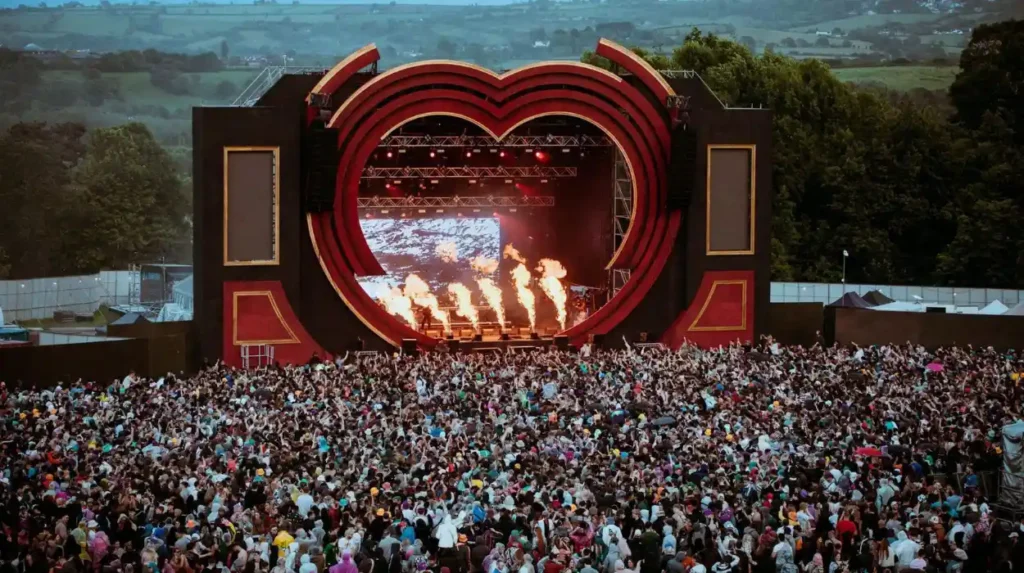
The festival traditionally marks the official opening of the British summer music festival season, drawing tens of thousands of attendees. Originally staged in Castle Park before relocating to larger venues like Eastville Park and Ashton Court Estate, the event features up to ten distinct stages. These production environments highlight house, techno, drum and bass, indie rock, and grime music. The operational mechanism relies on temporary event structures, advanced sound-containment acoustic mapping to protect neighboring residential zones, and rigorous waste-management protocols. By partnering with independent local record labels, street food vendors, and arts collectives, Love Saves The Day functions as a commercial incubator for South West creative talent.
Explore more Area Guide
Best Shopping Streets in Bristol: Independent Boutiques and Markets (Bristol 2026)
Local Businesses in Bristol: Sector Growth and Economic Impact, Bristol 2026
How do niche cultural events like the Slapstick Festival preserve cinematic history?
The Slapstick Festival is an annual international celebration of silent and visual comedy founded in 2005 by Chris Daniels, dedicated to screening rare archival films accompanied by live musical orchestrations.
The festival operates across major Bristol cultural venues, including the Bristol Old Vic, Watershed, and St George’s Bristol, typically taking place over five days in February. Curatorial efforts focus on restoring and exhibiting early 20th-century cinematic works featuring silent comedy pioneers such as Charlie Chaplin, Buster Keaton, and Harold Lloyd. Screenings utilize authentic live accompaniment, ranging from solo piano improvisations to full symphony orchestra performances of newly commissioned scores. The festival engages academic film historians, celebrity patrons, and modern comedians, such as Paul Merton and Stewart Lee, who host analytical discussions and Q&A sessions. This educational mandate ensures younger generations understand the physical comedy techniques that laid the groundwork for modern entertainment.
What economic and civic implications arise from Bristol’s festival calendar?
Bristol’s year-round festival schedule generates over seventy million pounds annually in direct visitor expenditure while supporting thousands of regional hospitality, logistics, and creative sector jobs.
The economic footprint extends beyond ticket sales, heavily benefiting hotels, independent restaurants, public transport networks, and retail establishments throughout the West of England. City planners utilize these events to drive urban regeneration, transforming disused industrial brownfield sites and public squares into vibrant cultural zones. However, this high concentration of mass gatherings presents significant operational challenges, including carbon footprint management, waste reduction, and neighborhood noise mitigation. Organizers increasingly deploy green-energy generators, mandatory reusable cup schemes, and active travel campaigns to align with Bristol’s broader municipal climate neutrality targets. Ultimately, the festival calendar acts as a primary instrument for urban marketing, attracting talent and investment to the region year after year.
What are the main annual festivals held in Bristol?
Bristol hosts over 30 recurring events annually, featuring major highlights such as the Bristol International Balloon Fiesta, St Pauls Carnival, Bristol Harbour Festival, Love Saves The Day, and the Slapstick Festival.