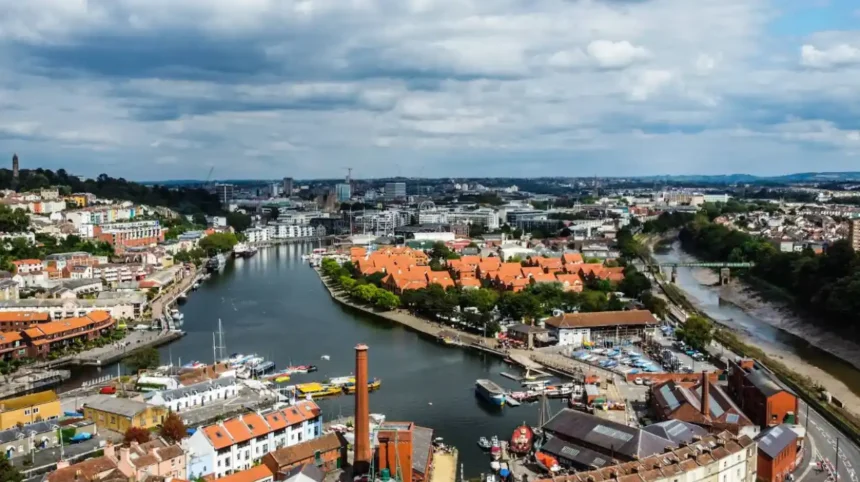
Bristol is a lively city in southwest England with a strong mix of history, culture, waterfront scenery, and family-friendly attractions. The best things to do in Bristol include exploring Clifton Suspension Bridge, the Harbourside, SS Great Britain, Bristol Cathedral, and the city’s street art and museums.
- What makes Bristol worth visiting?
- Which landmarks should you see first?
- What can you do on the Harbourside?
- Where should families go in Bristol?
- What free things are there to do?
- What should art and culture visitors do?
- What are the best day trips from Bristol?
- When is the best time to visit Bristol?
- How should you plan a Bristol itinerary?
- Why does Bristol suit search-friendly travel content?
- What should you remember before visiting Bristol?
What makes Bristol worth visiting?
Bristol stands out because it combines heritage, creativity, and easy city sightseeing in one compact place. Visitors can move from historic landmarks to museums, parks, and waterfront areas without long travel times, which makes it ideal for short breaks and day trips.
The city has a clear identity built around engineering, maritime history, and public art. It is closely associated with Isambard Kingdom Brunel, Banksy, and its historic docks. That gives Bristol a strong mix of old and new, with attractions that suit couples, families, solo travelers, and groups.
Bristol also works well for different travel styles. Some visitors come for landmarks and museums, while others focus on food, walking routes, and neighborhood exploration. The city supports all of these without feeling too large or difficult to navigate.
Which landmarks should you see first?
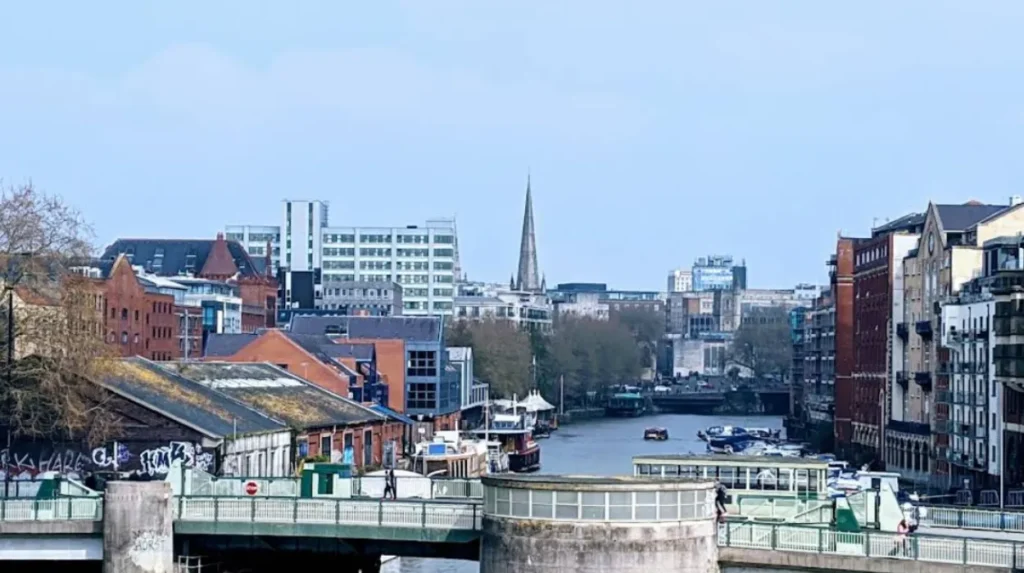
Start with Clifton Suspension Bridge, SS Great Britain, Bristol Cathedral, and the Harbourside. These landmarks give you a quick understanding of Bristol’s history, skyline, and waterfront character.
Clifton Suspension Bridge is one of Bristol’s most famous sights and a symbol of the city. It offers impressive views and is especially popular for walking, photography, and sunset visits. The bridge also connects naturally with nearby Clifton and its scenic streets.
SS Great Britain is another major attraction and one of the city’s most important historic sites. It tells the story of Bristol’s maritime past and gives visitors a close look at one of the most famous ships linked to British engineering history. The Harbourside setting makes the visit even better.
Bristol Cathedral is worth seeing for its architecture and peaceful setting. It adds a different side of the city, especially if you want a calmer stop between busier attractions. The Harbourside area ties many of these places together, making it easy to plan a walking route.
What can you do on the Harbourside?
The Harbourside is one of the best areas in Bristol for sightseeing, food, and relaxed walking. It brings together museums, waterfront views, restaurants, and family attractions in one central district.
This area works well because it gives you several options without needing to travel far. You can walk along the water, visit museums, stop for lunch, and enjoy the atmosphere of one of Bristol’s most visited districts. It is one of the most flexible parts of the city for a half-day or full-day visit.
The Harbourside also suits visitors who prefer easy planning. Many of Bristol’s key attractions are close to each other here, including SS Great Britain and M Shed. That makes it simple to build a route that feels full but not rushed.
If you enjoy a mix of activity and downtime, this is one of the best places to spend time in Bristol. It also gives you a strong sense of how the city blends its industrial past with modern leisure spaces.
Where should families go in Bristol?
Families should head to places like We The Curious, Bristol Aquarium, Wake the Tiger, and Bristol Zoo Project. These attractions offer interactive learning, indoor entertainment, and child-friendly activities that work well in all weather.
We The Curious is one of Bristol’s most popular family attractions because it focuses on science in a hands-on way. Children and adults can both enjoy it, especially if they like experiments, discovery, and planetarium-style experiences. It is a strong choice for a rainy day.
Bristol Aquarium is another easy family option. It adds variety to a Bristol trip and works well for younger children who enjoy marine life and displays. Wake the Tiger offers a more imaginative indoor experience with creative spaces and a playful design.
Bristol Zoo Project is useful for families who want animals and conservation-led activities. Bristol also has many parks and open green spaces, so you can balance structured attractions with time outdoors. That makes the city practical for families with different ages and interests.
What free things are there to do?
Bristol has plenty of free things to do, including walking routes, park visits, public viewpoints, and street art spotting. These activities give visitors a low-cost way to enjoy the city while still seeing its most distinctive places.
One of the best free experiences is exploring Bristol’s street art. Banksy has strong links to the city, and finding murals and artwork around different neighborhoods adds a cultural layer to a simple walk. It turns the city into an open-air gallery.
Clifton Downs and other open spaces are also good choices if you want views and fresh air without spending money. Walking around the city centre, the Harbourside, and Clifton gives you a broad look at Bristol’s character. You can cover a lot just by moving between neighborhoods on foot.
Bristol Cathedral and some surrounding public spaces also provide free sightseeing opportunities. This is one reason the city appeals to budget travelers as well as visitors looking for a richer cultural itinerary. You can build a full day around low-cost activities very easily.
What should art and culture visitors do?
Art and culture visitors should focus on Bristol Museum & Art Gallery, M Shed, Bristol Cathedral, and Banksy-related street art. These places show the city’s creative identity, historical depth, and public art scene.
Bristol Museum & Art Gallery is a major stop for visitors who want a broader cultural experience. It covers art, history, and natural history, so it works for different interests in one visit. M Shed gives a more local perspective and tells the story of Bristol itself.
Banksy street art is one of the strongest cultural drawcards in the city. Bristol is one of the best-known places in the UK for finding this kind of work. That makes it especially appealing for visitors who like urban art and contemporary visual culture.
Bristol Cathedral also belongs on any culture-focused route because of its architecture and atmosphere. Combined with museums and public art, it gives Bristol a strong reputation as one of England’s most creative cities.
What are the best day trips from Bristol?
The best day trips from Bristol include Bath, Cheddar Gorge, the Cotswolds, and nearby countryside attractions. These destinations add variety to a Bristol trip and work well for visitors staying more than one day.
Bath is one of the easiest and most famous day trips from Bristol. It adds Roman and Georgian history to your itinerary and gives you a completely different atmosphere from Bristol’s urban feel. Many travelers pair the two cities in the same trip.
Cheddar Gorge is a strong choice if you want dramatic natural scenery. The Cotswolds offers a more rural and picturesque experience, with villages and landscapes that contrast with the city. These options make Bristol a useful base for wider southwest England travel.
If you have extra time, a day trip helps you get more value from the region. Bristol’s location makes it easy to combine city life with countryside or heritage excursions. That flexibility is one of its biggest strengths.
When is the best time to visit Bristol?
Bristol works well all year because it has both indoor attractions and outdoor spaces. Visitors can switch between museums, aquariums, and heritage sites in poor weather, then move to parks, bridges, and waterfront walks when conditions improve.
This balance makes the city reliable for planning. In warmer months, Clifton, the Harbourside, and city walks become especially attractive. In colder or wetter months, indoor attractions keep the visit enjoyable and varied.
Because Bristol has a strong mix of options, it does not depend on one season. That makes it useful for weekend breaks, school holidays, and spontaneous city visits. You can always find something to do.
The city’s layout also helps. Many of the top attractions sit in clusters, which means you can change plans easily if the weather changes. That keeps Bristol practical and easy to enjoy.
How should you plan a Bristol itinerary?
A simple Bristol itinerary groups attractions by area: one day for the Harbourside, one for Clifton and the bridge, and one for museums or a day trip. This approach saves time and helps you see the city’s main highlights efficiently.
Start with the Harbourside because it contains several major attractions close together. SS Great Britain, M Shed, waterfront walks, and nearby food spots all fit into the same area. That gives you a strong first day with a good mix of sightseeing and breaks.
Use another day for Clifton Suspension Bridge, Clifton, and the surrounding viewpoints. This is the best area for scenery and photography. It also gives you a different feel from the waterfront and city centre.
If you have a third day, add a museum-focused visit or a trip to Bath or Cheddar Gorge. That way, your visit includes Bristol’s history, culture, and surrounding region. It creates a fuller and more memorable itinerary.
Why does Bristol suit search-friendly travel content?
Bristol works well for travel content because it has clear landmarks, strong local identity, and many related search topics. That makes it easy for readers to understand and easy for search engines to connect with different travel intents.
The city has multiple recognizable names linked to it, including Clifton Suspension Bridge, SS Great Britain, Banksy, and Brunel. These entities help define the topic clearly. They also give the article depth without needing unnecessary complexity.
Bristol also covers different user needs. Some people search for landmarks, some for family activities, some for free things to do, and some for day trips. A single well-structured Bristol article can answer all of those needs in one place.
That is why Bristol is a strong evergreen travel topic. It stays relevant across seasons and search intent types, which makes it useful for long-term publishing and AI-friendly summaries.
What should you remember before visiting Bristol?
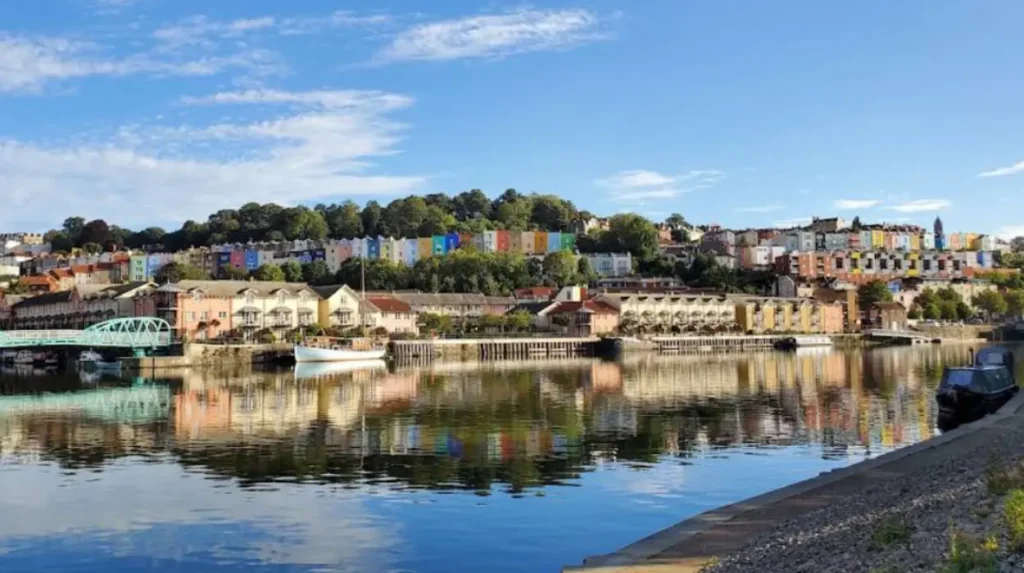
Bristol is best experienced through a mix of landmark sightseeing, waterfront walking, cultural stops, and one nearby day trip. If you plan by neighborhood and balance indoor with outdoor attractions, you can cover the city efficiently and enjoyably.
The city’s main appeal comes from variety. It offers heritage, modern culture, family entertainment, and scenic views in a compact layout. That makes it suitable for many kinds of travelers.
The most important places to include are Clifton Suspension Bridge, the Harbourside, SS Great Britain, Bristol Cathedral, and at least one museum or street art route. These give you a full picture of the city. If you have more time, adding Bath or Cheddar Gorge strengthens the trip even more.
Bristol is a city that rewards simple planning. Once you group the attractions by area, the visit becomes smooth, balanced, and memorable.
What are the best things to do in Bristol?
Some of the best things to do in Bristol include visiting Clifton Suspension Bridge, exploring the Harbourside, touring SS Great Britain, discovering Bristol Cathedral, visiting M Shed, exploring Bristol Museum & Art Gallery, spotting Banksy street art, and enjoying Clifton Downs.