Key Points
- The British Muslim Trust says it recorded 70 attacks on Muslim places of worship across the UK in the 12 months to July.
- The incidents included vandalism, intimidation, online abuse and physical attacks, according to the trust.
- One example cited was an arson attack at Peacehaven Mosque in East Sussex in October.
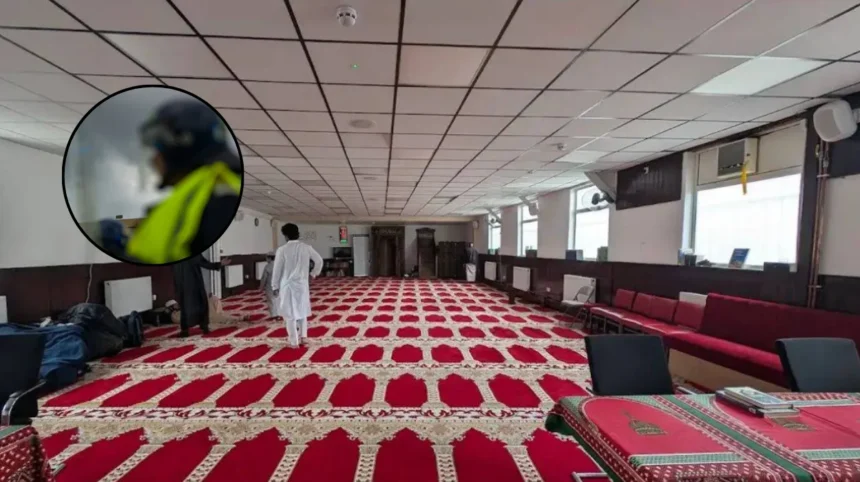
- Another incident was in Bristol, where bacon was left at a mosque during Friday prayers in the first week of Ramadan in February.
- The trust said some mosques are waiting months to access security funding promised by the Home Office because of a backlog.
- BMT chief executive Akeela Ahmed said the £40 million pot could be devolved to local areas, potentially through mayoral authorities.
- The funding is part of the Protective Security for Mosques Scheme, which supports mosques, Muslim schools and community centres.
Bristol (Bristol Express News) July 23, 2026 that a mosque in the city is among those affected by the wider pattern of attacks on Muslim places of worship and the delay in security funding.
The article said the Bristol incident involved bacon being left at a mosque during Friday prayers in the first week of Ramadan, an act described as part of 70 attacks recorded across the UK over the past year.
According to the British Muslim Trust, the incident forms part of a broader picture of vandalism, intimidation and abuse directed at Muslim communities.
The reporting places Bristol within a national concern about whether promised protection is reaching communities quickly enough after an attack.
Why is security funding delayed?
As reported by ITV Meridian and The Argus, the British Muslim Trust said some mosques are waiting months for the Home Office security funding because of a backlog.
The trust argued that the system may work better if the £40 million pot is devolved from the Home Office to local areas, possibly through mayoral authorities.
The government says up to £40 million is available through the Protective Security for Mosques Scheme in 2026/27, and eligible organisations can apply on a rolling basis directly with the Home Office.
That scheme is intended to pay for measures such as on-site security staff, CCTV, fencing, intruder alarms and floodlights.
What incidents did the trust record?
The British Muslim Trust said it noted 70 attacks at Muslim places of worship in the 12 months to July.
It said the incidents included vandalism, intimidation, arson and online abuse.
One of the cited cases was Peacehaven Mosque in East Sussex, which was hit by arson in October.
The trust also said some online abuse followed incidents being shared on social media, with communities facing death threats and encouragement of further trouble.
What did the trust say about online abuse?
The British Muslim Trust said online abuse was part of the wider pattern because attacks on mosques are sometimes followed by harmful responses on social media.
According to the trust, when communities shared details of an attack online, some were met with death threats and messages encouraging further hostility.
This means the impact of an attack can extend beyond the physical incident and into a longer period of intimidation.
The trust’s comments suggest that communities may need both visible protection and faster access to support after an incident.
How does the government scheme work?
The government announced in February 2026 that up to £40 million would be available for the Protective Security for Mosques Scheme in 2026/27.
It said the funding can support mosques, Muslim schools and community centres, with applications made directly to the Home Office.
The scheme is designed to cover protective measures including CCTV, fencing, alarms, floodlights and security staff.
The Home Office also said the next application window would open later in the year.
Which media reported the story?
ITV Meridian reported the issue on 23 July 2026, focusing on the British Muslim Trust’s warning that mosques are waiting months for funding after attacks.
The Argus reported the Peacehaven Mosque arson case and the same concerns about delayed security support.
Bristol Post highlighted the Bristol mosque incident and connected it to the wider national total of attacks.
LBC and The Independent also reported the trust’s figures and the government’s funding commitment.
Explore More Local Bristol News
University of Bristol Celebrates 150 Years, Bristol 2026
Bristol Airport Carbon Neutral Plans Amid Expansion 2026
Background of the development
The Protective Security for Mosques Scheme is part of a broader government approach to protecting faith communities after a rise in hate-related incidents.
The government said in 2026 that record funding was being maintained for Jewish, Muslim and other faith sites, including support for security staff and physical protection measures.
The British Muslim Trust was appointed in 2025 as a new partner to monitor and tackle anti-Muslim hatred, reflecting official recognition of the problem.
Separate reporting over recent years has shown a sustained rise in anti-Muslim abuse and incidents across the UK, both online and offline.
Prediction
For Muslim communities, especially mosques that have already faced threats or attacks, the main effect of this development is likely to be continued pressure for faster, more localised protection decisions.
If the backlog is not reduced, some places of worship may remain vulnerable while they wait for security upgrades after incidents.
For worshippers and mosque leaders, the issue could shape how quickly they can restore confidence in safety after an attack.
For local authorities and government departments, the reporting increases scrutiny on whether current funding arrangements are practical enough to meet urgent needs.