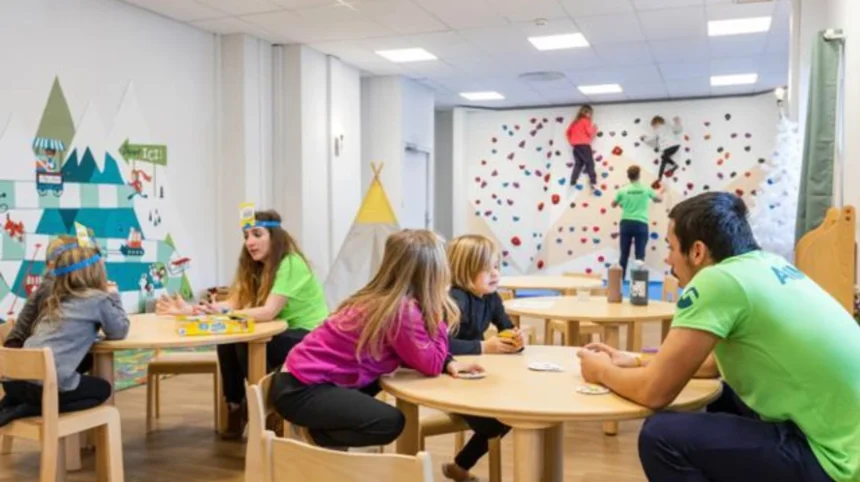
Kids clubs in Bristol are structured out-of-school programmes providing supervised recreational, educational, and physical activities for children aged zero to sixteen. These settings operate across community centres, schools, and private facilities under regulatory oversight from the Office for Standards in Education.
- What historical and demographic factors shaped the growth of youth clubs in Bristol?
- What key components and structural models characterise modern Bristol kids clubs?
- What processes and mechanisms ensure safety and quality in Bristol child enrichment programmes?
- What real-world examples illustrate the diversity of kids clubs across Bristol?
- What data and research-backed insights demonstrate the impact of after-school clubs on children?
- What future implications and long-term trends shape the evolution of kids clubs in Bristol?
Kids clubs function as an essential extension of the statutory education system within the unitary authority of Bristol. These organisations deliver provision split across three distinct formats: breakfast clubs, after-school clubs, and holiday camps. Providers must adhere to statutory framework guidelines such as the Early Years Foundation Stage for younger participants or register on the voluntary childcare register for older demographics.
Operational mechanisms involve strict staff-to-child ratios, mandatory Disclosure and Barring Service checks for all personnel, and comprehensive safeguarding policies designed to protect minors. Providers such as Progressive Kids and Kidz Hub deliver these services across multiple primary school sites in the region.
What historical and demographic factors shaped the growth of youth clubs in Bristol?
The expansion of youth clubs in Bristol stems from post-industrial urban regeneration policies and rising dual-income household employment rates over the past three decades. Local authorities and charitable trusts established formal out-of-school networks to combat localized child poverty and support working families.
Historical analysis of Bristol reveals a transition from informal settlement-based youth work in the mid-twentieth century to regulated commercial and charitable childcare networks today. The enactment of the Childcare Act placed a statutory duty on English local authorities to secure sufficient childcare provision for working parents, transforming the landscape of Bristol youth services.
Demographic shifts across inner-city wards such as Barton Hill, Bedminster, and Easton generated heightened demand for accessible, culturally inclusive provision.
Grassroots community interest groups and Black and Minority Ethnic-led organisations stepped in to fill geographic gaps, ensuring that children from diverse socioeconomic backgrounds gained access to structured enrichment opportunities outside standard school hours.

What key components and structural models characterise modern Bristol kids clubs?
Modern Bristol kids clubs are structured around three core operational pillars: regulated safeguarding compliance, balanced developmental curricula, and flexible accessibility for working parents. These models integrate physical sports, creative arts, and academic support into unified daily timetables.
The structural framework of a successful kids club relies heavily on environmental design and staff specialisation. Facilities typically incorporate designated zones for quiet study, physical exertion, and collaborative play, allowing children to transition smoothly from formal school environments.
Staff teams comprise qualified childcare professionals, sports coaches, and special educational needs coordinators who tailor activities to individual capabilities.
Examples of specialized structural delivery models include babyballet Bristol East for early years dance instruction, Swimkidz Bristol for aquatic education, and GKR Karate Bristol for martial arts discipline.
Each structural model maintains distinct administrative logging for attendance, dietary requirements, and emergency medical protocols to comply with UK legislative standards.
What processes and mechanisms ensure safety and quality in Bristol child enrichment programmes?
Safety and quality assurance within Bristol kids clubs are maintained through rigorous inspection frameworks, mandatory staff vetting, and continuous risk assessment protocols. Regulatory bodies evaluate providers against strict welfare standards to guarantee optimal developmental environments.
The regulatory mechanism relies primarily on unannounced inspections conducted by government inspectorates, which assess leadership effectiveness, personal development, and behavioral management. Providers must implement clear standard operating procedures regarding incident reporting, medication administration, and fire evacuation safety.
Daily operational mechanisms require signed registers for drop-off and pick-up transitions, ensuring that no child leaves the premises without authorized parental consent.
Furthermore, providers integrate reflective practice models where staff evaluate daily sessions against children’s feedback and engagement metrics, driving continuous improvement in activity delivery across all local venues.
What real-world examples illustrate the diversity of kids clubs across Bristol?
Bristol hosts a diverse ecosystem of kids clubs ranging from large-scale multi-site wraparound providers to niche specialist academies focusing on arts, athletics, and STEM. Prominent examples include Bristol Youth Connect, Progressive Kids, and local specialist arts workshops.
Real-world application of these services is visible in everyday community operations across the city. Progressive Kids operates extensive breakfast and after-school provisions across multiple regional schools, including Brentry Primary School and Hanham Primary Federation, accommodating hundreds of children daily.
Bristol Youth Connect delivers targeted open-access youth sessions and holiday programs in disadvantaged wards, providing hot meals and recreational spaces for participants aged seven to sixteen.
Specialized activity providers such as Baby Sensory Bristol East and Theatretrain Bristol cater to niche developmental interests, offering structured music, sensory exploration, and theatrical training that build confidence and social competency.
Explore More Area Guide
Family Activities in Bristol: Top Kids Attractions 2026
Nurseries in Bristol: Complete Guide 2026
What data and research-backed insights demonstrate the impact of after-school clubs on children?
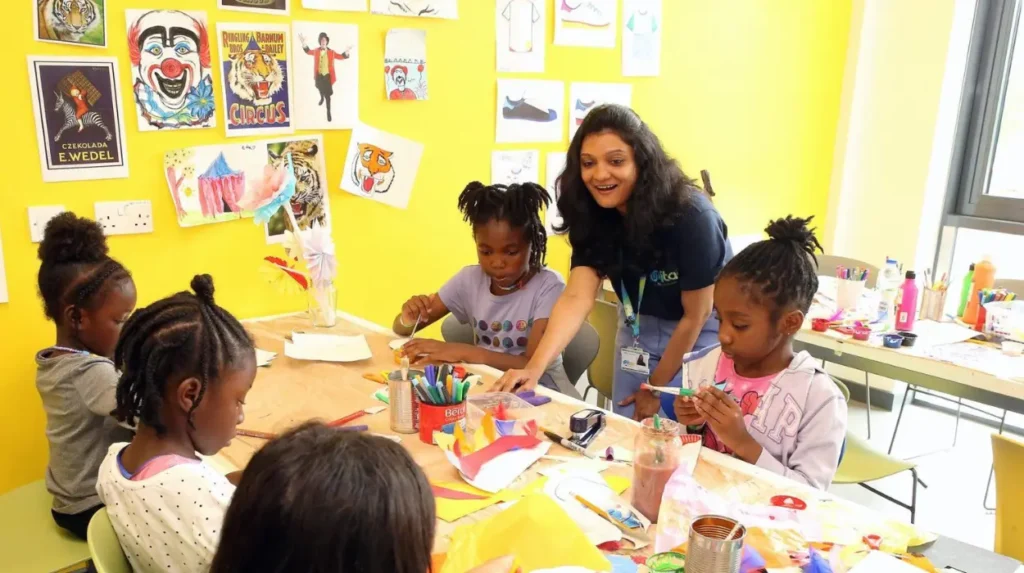
Empirical research indicates that regular participation in structured kids clubs significantly enhances children’s cognitive development, social skills, and academic resilience. Studies show that children attending quality out-of-school programs exhibit improved emotional regulation and higher school attendance rates.
Data compiled by municipal youth services and educational researchers highlight measurable positive outcomes linked to extracurricular engagement.
Surveys of parental feedback in Bristol demonstrate that over ninety-eight percent of families observe marked improvements in their children’s mental well-being, confidence, and peer socialization following consistent club attendance.
Quantitative metrics from national childcare evaluations confirm that access to reliable wraparound care directly reduces parental stress levels and increases labor market participation rates among primary caregivers.
Additional findings emphasize that physical activity sessions embedded within these clubs successfully combat childhood inactivity, contributing to healthier physical development benchmarks.
What future implications and long-term trends shape the evolution of kids clubs in Bristol?
The future evolution of kids clubs in Bristol is driven by increasing demand for flexible working models, technological integration in learning, and sustainable community funding. Providers face the dual challenge of expanding capacity while maintaining affordability amidst shifting economic conditions.
Long-term projections indicate a growing requirement for specialized provision catering to neurodiverse children and families needing extended operational hours.
Providers are increasingly adopting digital management platforms for bookings and parent communication, streamlining administrative burdens. Financial sustainability models are shifting towards a hybrid of public subsidies, parental fees, and charitable grants to ensure low-income families retain access.
As Bristol continues its urban expansion, municipal planners and educational authorities must coordinate closely to integrate new kids club infrastructure directly into residential development blueprints, safeguarding essential community support networks for future generations.
What are kids clubs in Bristol?
Kids clubs in Bristol are supervised childcare and activity programmes designed for children aged from early years to sixteen. They provide structured recreational, educational, creative, and physical activities outside normal school hours through breakfast clubs, after-school clubs, and holiday programmes.