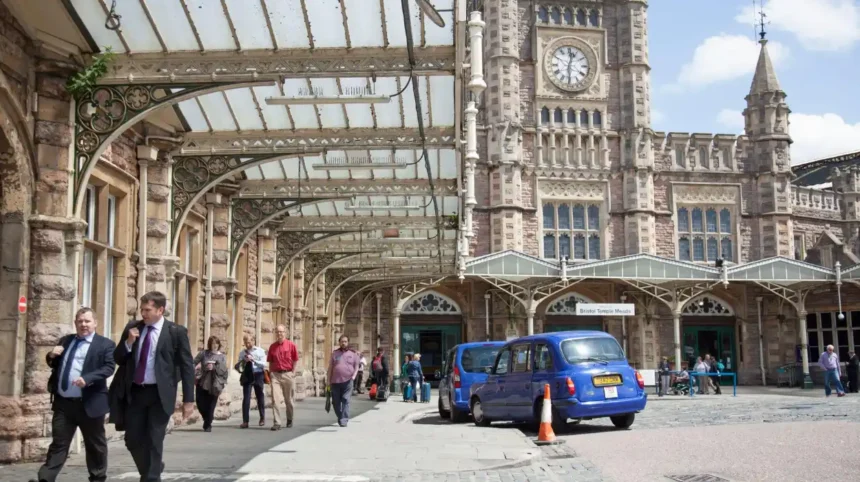
Bristol is a major city in South West England with a transport network that combines buses, Metrobus, railways, walking routes, cycling infrastructure, roads, ferries, park and ride facilities, taxis and shared mobility services. Transport connects residential neighbourhoods with employment areas, universities, shopping districts, cultural attractions, Bristol Airport and surrounding communities.
- What does transport in Bristol include?
- How did Bristol’s transport network develop?
- How do buses work in Bristol?
- What is Metrobus and where does it operate?
- How important is rail transport in Bristol?
- How easy is it to travel around Bristol by bicycle?
- What role does walking and wheeling play in Bristol transport?
- How does Bristol’s road network affect transport?
- How does Bristol’s Clean Air Zone affect transport?
- How does Bristol connect with Bristol Airport?
- How does park and ride work in Bristol?
- What transport options are available for visitors to Bristol?
- How accessible is Bristol’s transport network?
- How is Bristol improving sustainable transport?
- What are Bristol’s future transport plans?
- Why is transport important to Bristol’s future?
- How should travellers choose transport in Bristol?
The city’s transport system operates within a wider regional network covering Bristol, Bath and North East Somerset, North Somerset and South Gloucestershire. The West of England Combined Authority coordinates regional transport strategy, while Bristol City Council manages strategic transport planning, local roads, pavements and cycle infrastructure.
Bristol Transport Strategy was adopted in July 2019 following public consultation. Its central objective is to create a well-connected city with accessible and inclusive transport choices while improving journey reliability, air quality, road safety and sustainable movement.
Transport policy has become increasingly important because Bristol faces congestion, population growth, housing development and pressure on road capacity. The city’s current corporate strategy identifies easier, greener and safer travel as a major priority, with particular attention to public transport, walking, wheeling and cycling.
What does transport in Bristol include?
Transport in Bristol includes buses, Metrobus, rail, walking, cycling, roads, park and ride, taxis, ferries and shared mobility. These modes connect residential areas, employment centres, universities, shopping districts, Bristol Airport, surrounding towns and regional destinations across the West of England.
Bristol has a multimodal transport system. A multimodal network means several transport methods operate within the same urban area and provide different solutions for short, medium and long journeys.
Buses form the main public transport component within the city. Conventional bus routes connect neighbourhoods with central Bristol and surrounding communities. Metrobus provides higher-capacity rapid bus services on selected corridors.
Rail provides connections between Bristol and destinations across South West England and the wider UK. Bristol Temple Meads is the principal railway station, while Bristol Parkway provides another important regional rail connection in the north of the metropolitan area.
Walking and cycling provide important short-distance transport options. Bristol has invested in segregated cycle routes, pedestrianised streets, School Streets and Liveable Neighbourhood schemes. The council identifies walking, cycling and public transport as central components of sustainable transport policy.
Road transport remains essential for buses, deliveries, emergency services, taxis, private vehicles and commercial traffic. However, Bristol City Council identifies congestion and road capacity as significant transport challenges.
How did Bristol’s transport network develop?
Bristol’s transport network developed from historic roads, waterways, harbour activity and railway connections into a modern multimodal system. Industrial growth, suburban expansion, motor traffic, public transport investment and regional development each shaped the city’s current transport structure.
Bristol’s transport history is closely connected with its position as a port city. The Floating Harbour supported maritime commerce and created an important movement corridor for goods and people.
The development of railways transformed Bristol during the nineteenth century. Railway infrastructure connected the city with London, South Wales, Bath, the South West and other major destinations. Temple Meads became a major railway gateway.
Road transport expanded substantially during the twentieth century as private car ownership increased. Urban expansion created longer journeys between residential neighbourhoods, workplaces, educational institutions and commercial centres.
The growth of road traffic also created congestion and environmental pressures. These issues influenced later transport policy, particularly investment in public transport, active travel and traffic management.
Bristol Transport Strategy, adopted in 2019, established a long-term framework for improving connectivity and supporting sustainable growth through 2036. The strategy identifies congestion, air quality, accessibility and efficient movement as central transport challenges.
Regional transport planning subsequently placed greater emphasis on integrated public transport. The Joint Local Transport Plan 4 covers the period to 2036 and is led by the West of England Combined Authority with Bristol, Bath and North East Somerset, North Somerset and South Gloucestershire councils.
How do buses work in Bristol?
Buses provide extensive coverage across Bristol and surrounding communities, linking residential neighbourhoods with the city centre, employment areas, universities, shopping districts and transport hubs. Conventional services and rapid Metrobus routes operate as complementary parts of the network.
Bus services provide the broadest public transport coverage across Bristol. Conventional routes operate through many neighbourhoods and provide connections that rail services do not cover directly.
First West of England operates many bus services in the region. Bristol City Council does not independently operate these commercial bus services, although the council works with transport partners on infrastructure and service improvements.
Bus infrastructure includes stops, shelters, priority lanes, bus gates, traffic signals and real-time passenger information. These facilities influence journey reliability and accessibility.
Bus priority is particularly important because buses operate on the same road network as other traffic. Dedicated lanes and bus gates reduce conflicts with general traffic and help improve journey reliability.
Bristol has introduced bus priority measures in several locations. The city’s transport programme includes new bus lanes, corridor improvements and connections between public transport routes.
The bus network also supports access to employment and education. Bristol’s universities, hospitals, business districts and retail centres generate substantial daily travel demand.
What is Metrobus and where does it operate?
Metrobus is Bristol’s bus rapid transit system, designed to provide faster, more frequent and more reliable journeys on major corridors. Existing routes include M1, M2 and M3 services connecting Bristol with areas such as South Gloucestershire and North Somerset.
Metrobus is a bus rapid transit system serving the greater Bristol area. It uses modern vehicles, dedicated infrastructure on selected sections, priority measures and direct routes to important destinations.
The system was developed to provide faster and more reliable journeys than conventional bus services on selected corridors.
The M1 route connects Cribbs Causeway and Hengrove through areas including Patchway, Aztec West, Stoke Gifford, UWE Frenchay Campus, Broadmead, central Bristol, Bedminster and Hengrove.
Metrobus infrastructure includes bus-only sections, priority junctions, modern stops and real-time passenger information. Some stops use raised platforms to support step-free boarding.
The network is also linked to active travel improvements. The M1 extension programme includes a separated two-way cycle path, pedestrian crossing upgrades, traffic calming and improvements to bus stop accessibility around Hawkfield Road.
The West of England transport programme has identified further expansion of rapid public transport as part of the region’s longer-term transport strategy. The current regional vision includes mass transit using forms such as tram, rail, Metrobus or guided bus depending on corridor requirements.
How important is rail transport in Bristol?
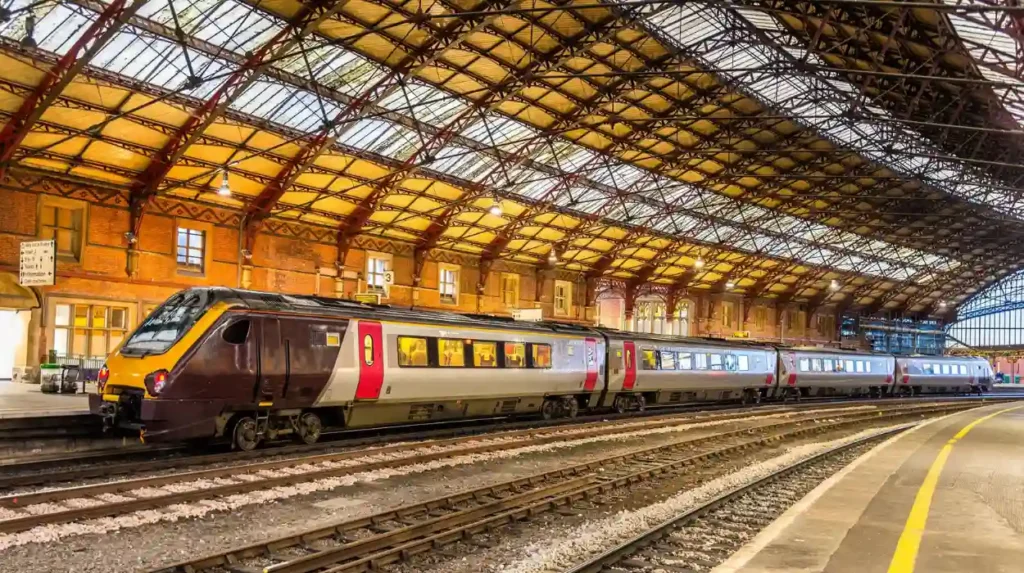
Rail transport provides fast regional and national connections from Bristol through stations including Bristol Temple Meads and Bristol Parkway. Rail services connect the city with Bath, London, Cardiff, South Wales, South West England and destinations across the wider national network.
Rail is an important component of Bristol’s regional transport network. It provides an alternative to road travel for longer journeys and supports commuting, business travel, education and leisure.
Bristol Temple Meads is the city’s principal central railway station. Its location near the Temple Quarter places rail transport close to major employment, regeneration and development areas.
Bristol Parkway serves the northern part of the city and surrounding communities. It provides connections towards London, South Wales, South West England and other destinations.
The wider MetroWest programme is designed to improve suburban rail connectivity around Bristol. Bristol City Council’s strategic transport information identifies planned or developed stations including Portway, Portishead, Pill, Ashley Down, Filton and Henbury within the MetroWest programme.
Rail also provides important interchange opportunities. Passengers can combine rail with walking, cycling, buses and Metrobus for journeys that cross different parts of the city.
The regional transport strategy places emphasis on better connections between the rail network and future public transport routes.
How easy is it to travel around Bristol by bicycle?
Cycling is an established part of Bristol’s active travel network, supported by segregated cycle routes, traffic-calmed streets, cycle parking and local infrastructure programmes. Cycling provides a practical transport option for short and medium urban journeys.
Bristol has developed cycling infrastructure as part of its sustainable transport policy. The council prioritises walking, wheeling and cycling to reduce dependence on private cars and improve access to local destinations.
Segregated cycle routes separate cycling from motor traffic or pedestrians where appropriate. Bristol has introduced such infrastructure on routes including Park Row and Upper Maudlin Street.
Cycle parking is another component of the network. Bristol has installed public cycle hangars to provide secure storage for bicycles in residential areas.
Cycling also connects with public transport. Passengers can cycle to railway stations and bus corridors, creating combined journeys that reduce dependence on private cars.
The Local Walking and Cycling Infrastructure Plan supports longer-term improvements across the West of England. Its purpose is to develop connected walking and cycling networks rather than isolated individual routes.
The transport strategy also treats active travel as part of a wider response to congestion and air pollution. Bristol’s policy framework places walking and cycling alongside public transport as important alternatives to car travel.
What role does walking and wheeling play in Bristol transport?
Walking and wheeling provide essential first-mile and last-mile transport across Bristol. Pedestrianised streets, accessible pavements, crossings, low-traffic areas and improved public spaces help people reach shops, workplaces, schools, transport hubs and public services without driving.
Walking is the most direct transport mode for short urban journeys. It also connects passengers with bus stops, railway stations and other transport services.
Wheeling includes travel using mobility aids and other wheeled equipment. Accessible transport infrastructure therefore requires suitable pavements, crossings, kerbs, gradients, surfaces and waiting areas.
Bristol has introduced pedestrianisation and public realm improvements in several areas. Princess Victoria Street, Cotham Hill and parts of the Old City have received pedestrian-focused interventions.
School Streets are another example. Bristol has introduced 13 School Streets to encourage walking, scooting and cycling around schools while improving local street conditions.
Liveable Neighbourhoods form another component of the city’s transport approach. These schemes change local streets to support safer walking, cycling and community access while maintaining essential vehicle access.
Walking also supports tourism. Many central attractions, shopping streets, cultural venues and historic areas are concentrated within walkable parts of Bristol.
How does Bristol’s road network affect transport?
Bristol’s road network supports buses, private vehicles, commercial traffic, taxis, emergency services and deliveries, but congestion places pressure on journey reliability. Transport planning therefore increasingly focuses on bus priority, active travel, road safety and efficient use of limited street space.
Roads remain essential to Bristol’s transport system. They carry people and goods across the city and provide access to areas without direct rail connections.
The network also serves commercial activity. Retail deliveries, construction traffic, freight, waste collection and service vehicles depend on road access.
Congestion is a major challenge. Bristol City Council describes congestion and its impact on air quality as significant problems, while the city’s road network faces additional pressure from housing, employment and regeneration growth.
Limited road space creates competition between transport functions. A single road can carry buses, cars, cycles, pedestrians, freight and emergency vehicles.
Transport corridor projects attempt to manage this competition by improving routes used by several transport modes. These corridors can include bus priority, walking infrastructure and cycling facilities.
Road safety is another important consideration. Bristol’s transport policies include measures designed to reduce serious road casualties and create safer conditions for people walking, cycling and wheeling.
How does Bristol’s Clean Air Zone affect transport?
Bristol’s Clean Air Zone regulates certain vehicle use in central Bristol to improve air quality. The policy forms part of wider transport action that encourages cleaner vehicles, public transport, walking, cycling and reduced dependence on high-emission private vehicles.
A Clean Air Zone is a designated area where vehicle emission standards influence whether certain vehicles are charged for entering or driving within the zone.
Bristol introduced its Clean Air Zone as part of a wider programme to improve air quality. Transport emissions are a significant environmental issue for the city.
Bristol City Council states that transport accounts for 37% of the city’s direct emissions. Its climate strategy also sets ambitious targets for reducing car journeys and increasing electric vehicle use as part of its carbon-neutrality objectives.
The Clean Air Zone works alongside other transport measures rather than functioning as a standalone policy. Public transport investment, active travel infrastructure, bus priority and vehicle electrification all form part of the wider approach.
The council also states that income generated through the Clean Air Zone supports transport measures, including supported bus services for areas with less reliable transport options.
How does Bristol connect with Bristol Airport?
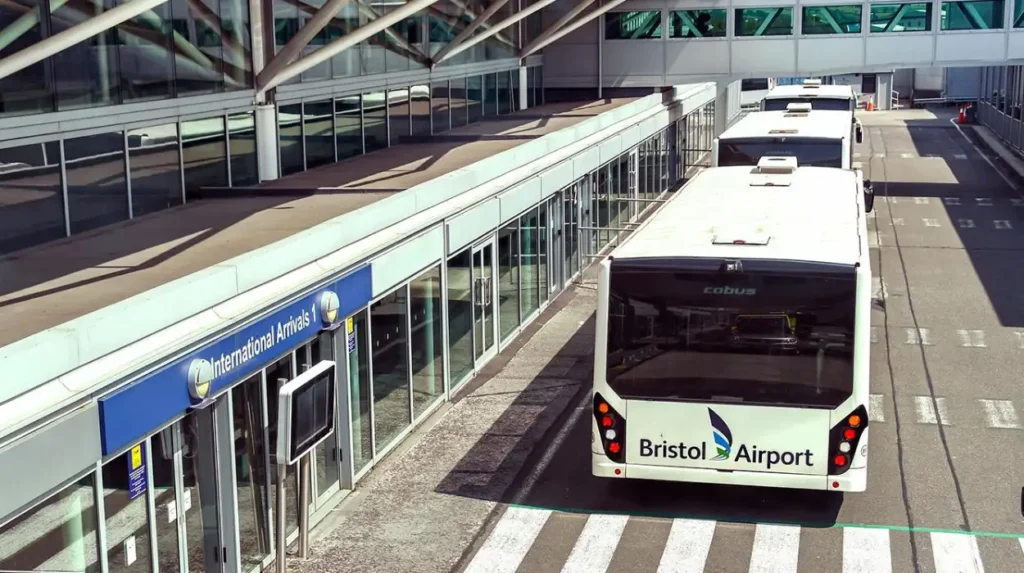
Bristol Airport is connected to Bristol by road and public transport services, providing an important regional gateway for domestic and international air travel. Airport journeys involve buses, cars, taxis and private hire vehicles, with public transport supporting lower-car travel.
Bristol Airport is located outside the city centre in North Somerset. Its location makes regional transport connectivity important for passengers travelling from Bristol and surrounding communities.
Airport travel typically involves road-based transport because there is no direct railway station at the airport.
Bus services provide public transport connections between the airport and Bristol. Coaches and other regional services also support longer-distance airport journeys.
Taxis and private hire vehicles provide direct airport transfers. Private cars remain another option, supported by airport parking facilities.
Regional transport planning identifies improved public transport connections to the airport as part of the West of England’s future growth and mass transit considerations.
Airport connectivity also matters to Bristol’s economy. The airport supports tourism, business travel and international connectivity for the wider West of England.
How does park and ride work in Bristol?
Park and ride allows drivers to leave private vehicles at designated sites and continue journeys by public transport. Bristol uses park and ride as part of its wider strategy to reduce central traffic, improve public transport access and support more efficient journeys into the city.
Park and ride combines private car travel with public transport. Drivers travel from residential or outer areas to a designated car park and then transfer to a bus service.
The system reduces the need to drive into central Bristol. It also provides an alternative for people who live in areas with weaker direct public transport connections.
Park and ride sites are integrated into wider transport planning. Bristol’s public transport plans include connections between the city and existing or proposed park and ride facilities.
The approach is particularly relevant to congestion management. Fewer vehicles entering central areas can reduce pressure on constrained streets.
Park and ride also supports visitors. People travelling into Bristol for shopping, cultural attractions, events or business can use peripheral parking and continue by public transport.
Its effectiveness depends on service frequency, journey reliability, ticketing, parking capacity and convenient arrival points.
What transport options are available for visitors to Bristol?
Visitors to Bristol can combine buses, Metrobus, trains, walking, cycling, taxis, park and ride and shared mobility. Central Bristol has strong walking connections, while buses and rail provide access to attractions and neighbourhoods beyond the central area.
Visitors arriving by train can use Bristol Temple Meads as a central interchange. From there, walking, buses, taxis and cycling provide onward connections.
Bristol’s central area contains many destinations within walking distance. This makes walking useful for journeys between the city centre, shopping districts, cultural venues, historic streets and waterfront areas.
Buses provide access to neighbourhood attractions and destinations outside the central pedestrian area. Metrobus provides rapid connections along selected corridors.
Cycling offers another option for visitors who want to travel independently. Bristol’s cycle network includes segregated routes and dedicated facilities.
Ferries operate on Bristol’s waterways and provide a distinctive form of local passenger transport. They are particularly relevant to waterfront travel and leisure journeys.
Taxis and private hire vehicles provide direct point-to-point transport. They are useful for luggage, late journeys and destinations that require multiple public transport connections.
Park and ride provides another option for visitors arriving by car. It allows drivers to avoid central parking and continue by public transport.
How accessible is Bristol’s transport network?
Transport accessibility in Bristol depends on step-free infrastructure, vehicle design, accessible stops, suitable pavements, safe crossings and reliable information. Bristol’s transport policy increasingly prioritises inclusive travel for disabled people and people with different mobility requirements.
Accessibility means enabling people with different physical, sensory and cognitive requirements to use transport safely and independently.
Accessible bus stops can include raised platforms, suitable kerbs, passenger information and level boarding arrangements. Metrobus infrastructure includes raised platforms at selected stops to support step-free access.
Railway accessibility varies by station. Passengers should check individual station facilities before travelling because platforms, entrances, lifts and step-free routes differ between locations.
Walking infrastructure also affects accessibility. Pavement quality, crossing design, kerb arrangements, street furniture and gradients influence whether people can move independently.
Bristol City Council has identified accessibility as a strategic transport priority. Its corporate strategy includes an ambition to make Bristol the UK’s most accessible city and to strengthen engagement with disabled people and organisations.
Accessible transport also supports economic inclusion. Reliable connections to employment, education, healthcare, shops and public services reduce transport barriers for residents across the city.
How is Bristol improving sustainable transport?
Bristol is expanding sustainable transport through bus investment, active travel infrastructure, public transport priority, electric buses, cycling schemes and pedestrian improvements. These measures aim to reduce congestion, improve air quality, lower transport emissions and provide practical alternatives to private cars.
Sustainable transport means moving people and goods while reducing environmental impacts and improving long-term accessibility.
Bristol has invested in public transport infrastructure and active travel. The city has supported major bus improvements and worked with regional partners on new electric buses.
Bristol City Council states that more than 250 new electric buses are being delivered across the West of England through a £150 million investment involving government and First Bus.
Electric buses reduce tailpipe emissions compared with conventional diesel buses. Their environmental benefits also depend on electricity generation, vehicle utilisation and wider transport demand.
Cycling and walking reduce direct vehicle emissions because they do not require conventional fuel combustion.
Bristol has also introduced public cycle hangars, segregated cycle routes, School Streets and Liveable Neighbourhood measures.
The city’s transport strategy links sustainable transport with public health, air quality, carbon reduction and economic development.
What are Bristol’s future transport plans?
Bristol’s future transport programme focuses on stronger public transport, mass transit, rail improvements, bus priority, walking, cycling and integrated regional connections. Long-term planning extends to 2036, while newer regional plans address mass transit delivery across major growth corridors.
The Joint Local Transport Plan 4 provides a regional framework through 2036. Its objectives include a well-connected sustainable network, greater travel choice and making walking, cycling and public transport natural choices.
Future mass transit is a major element of regional planning. The West of England’s 2026 Transport Vision identifies potential mass transit corridors linked with Bristol, Bath, the airport, growth areas and major employment locations.
The regional vision defines mass transit as frequent, high-capacity public transport with comfortable vehicles, modern facilities and dedicated operating space where appropriate. Potential technologies include trams, rail, Metrobus and guided buses.
Rail development remains important. MetroWest projects and new or improved stations form part of the wider effort to increase suburban rail connectivity.
Bus improvements will continue through corridor schemes, priority measures and network expansion. The M1 Metrobus extension demonstrates how public transport infrastructure can be combined with walking and cycling improvements.
The future transport system therefore focuses on integration rather than a single mode. Rail, buses, Metrobus, walking, cycling and mass transit need convenient interchange points and coordinated infrastructure.
Explore More Area Guide
Remote Working in Bristol: Jobs, Spaces and Flexible Work 2026
Bristol Job Market: Jobs, Salaries and Employment Trends
Why is transport important to Bristol’s future?
Transport is fundamental to Bristol’s economic growth, environmental performance, accessibility and quality of life. Reliable connections between homes, workplaces, education, services and regional destinations support inclusive growth while reducing congestion, emissions and dependence on private cars.
Bristol’s transport network directly influences access to employment. Poor connections increase travel times and reduce access to jobs, particularly in areas with fewer reliable public transport services.
Transport also affects education. Universities, colleges and schools generate significant daily travel demand and require reliable connections.
Healthcare access depends on public transport and accessible streets. Hospitals and medical facilities need connections from neighbourhoods across Bristol and surrounding authorities.
Economic development also depends on transport. Areas such as Temple Quarter and Avonmouth require reliable connections to workers, businesses and customers.
The city’s corporate strategy explicitly links transport with employment, economic opportunity, health, air quality and carbon reduction.
Climate policy creates an additional transport challenge. Bristol City Council identifies transport as responsible for 37% of direct city emissions and has set ambitious objectives for reducing car travel and increasing electric vehicle use.
The long-term direction is therefore clear: Bristol is developing a more integrated transport system that gives residents and visitors more practical alternatives to private car travel.
How should travellers choose transport in Bristol?
Travellers should select transport according to journey distance, destination, accessibility requirements, time, luggage and service availability. Walking suits central trips, buses and Metrobus serve urban corridors, rail suits regional journeys, while cycling and park and ride support lower-car travel.
Walking is effective for short central journeys where destinations are close together.
Cycling is suitable for short and medium journeys where an appropriate cycle route exists.
Buses provide extensive neighbourhood coverage and connect areas outside the main railway corridors.
Metrobus is useful for faster journeys along its dedicated and priority corridors.
Rail is generally appropriate for regional and longer-distance travel, particularly journeys involving Bristol Temple Meads or Bristol Parkway.
Park and ride is useful for drivers who need car access for part of a journey but want to avoid central traffic and parking.
Taxis and private hire vehicles provide direct journeys where public transport connections are inconvenient or where passengers have luggage.
Visitors should check current service information before travelling because timetables, road layouts, construction projects, fares and temporary traffic restrictions change over time.
Bristol’s transport system is continuing to evolve around a central objective: providing reliable, accessible and sustainable connections across the city and the wider West of England. The city’s transport strategy, regional plans and current infrastructure programmes all place greater emphasis on public transport, active travel and integrated mobility.
For authoritative updates, travellers and residents should consult Bristol City Council, the West of England Combined Authority and relevant transport operators before making a journey. These organisations provide the most current information about services, projects, road restrictions and transport changes.
What is the main public transport in Bristol?
Buses are the main form of public transport in Bristol. The city also has Metrobus rapid services and railway connections through Bristol Temple Meads and Bristol Parkway.