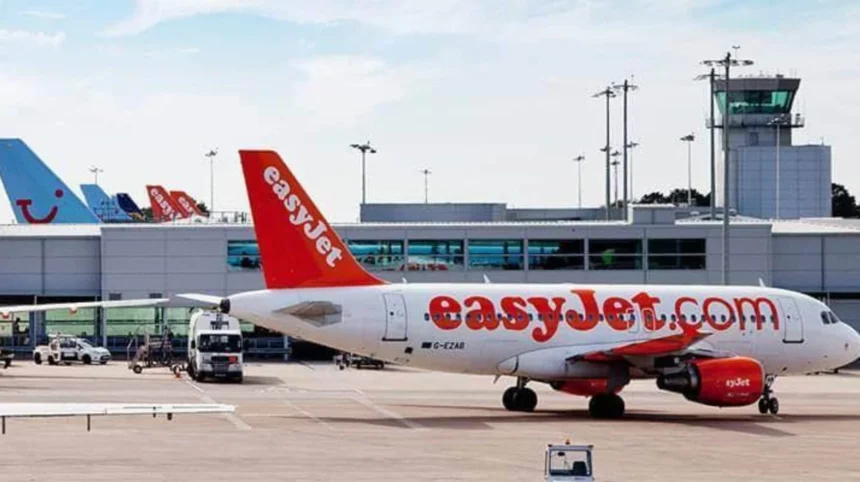
Bristol Airport is the main international airport serving Bristol, the South West of England and South Wales. Located at Lulsgate Bottom in North Somerset, the airport provides direct access to more than 100 destinations and connects with wider international networks through Amsterdam, Dublin and Istanbul.
- What is Bristol Airport and where is it located?
- How did Bristol Airport develop historically?
- Which destinations can you fly to from Bristol Airport?
- How can you travel from Bristol city centre to Bristol Airport?
- How do rail passengers connect with Bristol Airport?
- What security rules apply at Bristol Airport?
- How early should you arrive at Bristol Airport?
- What facilities are available inside Bristol Airport?
- How accessible is Bristol Airport for passengers with additional needs?
- What parking options are available at Bristol Airport?
- What airlines operate from Bristol Airport?
- Why is Bristol Airport important to Bristol and the wider region?
- What are Bristol Airport’s future development plans?
- How should you plan a journey through Bristol Airport?
For travellers from Bristol, the airport offers a practical alternative to larger London airports. Its location south-west of Bristol provides road, bus and coach connections with Bristol, Bath, Weston-super-Mare, Portishead and surrounding communities. The airport also connects passengers with the national rail network through Bristol Temple Meads and Weston-super-Mare using dedicated Airport Flyer buses.
The airport has developed significantly since its opening in 1957. It now operates as a major regional aviation gateway, with facilities covering passenger processing, security, retail, food and drink, car parking, car hire, public transport, accessibility services and airport accommodation.
What is Bristol Airport and where is it located?
Bristol Airport is an international airport at Lulsgate Bottom in North Somerset, serving Bristol, the South West of England and South Wales. It is England’s third-largest regional airport and has permission to serve up to 12 million passengers annually.
Bristol Airport is located near the village of Lulsgate Bottom, south-west of Bristol. The airport sits close to the A38, providing a direct road connection towards Bristol and North Somerset.
Although commonly called Bristol Airport, the airport is geographically within North Somerset rather than Bristol City. This distinction is important for visitors checking accommodation, transport connections, local authority information or road directions.
The airport functions as a regional international gateway. It serves leisure travellers, visiting friends and relatives, students, business travellers and passengers connecting through European hubs.
The airport’s current planning permission allows a passenger cap of 12 million passengers per year. Bristol Airport states that it is England’s third-largest regional airport and the international gateway for South West England and South Wales.
Its location gives Bristol residents direct access to a large European route network without travelling to Heathrow, Gatwick or other London airports for many journeys.
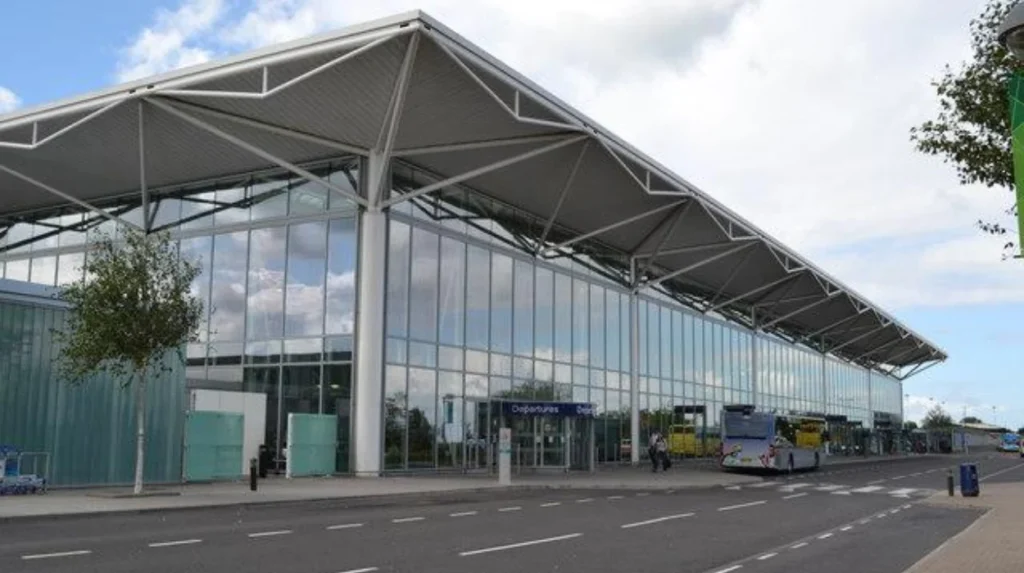
How did Bristol Airport develop historically?
Bristol Airport’s history began at Whitchurch in 1930 before operations moved to Lulsgate Bottom in 1957. The present airport developed from a former RAF site and expanded through terminal, runway, technology and passenger-capacity investments.
Bristol’s first airport opened at Whitchurch on 31 May 1930. It became only the third civil airport in Britain at the time. By 1939, the airport handled around 4,000 passengers annually before being requisitioned by the Air Ministry during the Second World War.
After the war, Whitchurch was unsuitable for long-term civil aviation expansion because its runway could not be extended sufficiently. Bristol Corporation therefore selected Lulsgate Bottom for a new airport.
The former airfield was purchased for £55,000 in 1955. The new facility was officially named Bristol (Lulsgate) Airport and opened for civilian operations in 1957. The airport handled approximately 33,000 passengers during its first year.
Expansion accelerated during the 1960s as international leisure travel increased. The runway was extended, the terminal was enlarged and additional aviation infrastructure was introduced.
The airport experienced another major development phase in the 1990s and early 2000s. A new terminal building opened in 2000, while passenger numbers exceeded two million for the first time. The same period saw the growth of low-cost aviation and the arrival of Go, which was later acquired by easyJet.
Passenger growth continued during the following decade. More than six million passengers used the airport in 2008, while annual passenger numbers exceeded seven million in 2016.
The airport’s recent development includes terminal extensions, additional aircraft stands, improved passenger facilities and a new public transport interchange. The £60 million Public Transport Interchange opened in 2025 as part of a wider £400 million airport investment programme.
Which destinations can you fly to from Bristol Airport?
Bristol Airport offers more than 100 direct destinations, with routes covering Europe, the Mediterranean, North Africa, the Canary Islands, the United Kingdom and international connections through major transfer hubs such as Amsterdam.
The destination network includes major European cities, coastal resorts, island destinations and winter-sports locations.
Examples of destinations listed by Bristol Airport include Amsterdam, Paris, Madrid, Barcelona, Rome, Milan, Lisbon, Porto, Prague, Vienna, Berlin, Copenhagen and Dublin. The airport also serves leisure destinations including Alicante, Malaga, Majorca, Tenerife, Lanzarote, Faro, Antalya, Dalaman, Corfu, Crete and Rhodes.
The network changes according to airline schedules and seasonal demand. Summer services typically increase the number of Mediterranean and coastal destinations, while winter schedules include additional ski and winter-sun routes.
New destinations are also introduced as airlines expand their schedules. In 2026, Bristol Airport added or announced services including Seville, Bari, Sal, Reus, Thessaloniki and Enfidha-Hammamet.
easyJet launched services to Reus and Thessaloniki in June 2026. Ryanair’s summer 2026 programme included 36 Bristol routes, including a new service to Bari.
For long-distance travel, Bristol Airport also supports connecting itineraries. KLM provides connections through Amsterdam to more than 160 destinations worldwide, while Pegasus Airlines offers connections through Istanbul.
Because schedules change, passengers should confirm their specific flight, operating airline and destination before travelling.
How can you travel from Bristol city centre to Bristol Airport?
The A1 Bristol Airport Flyer is the principal public transport connection between Bristol and the airport. It operates 24 hours a day, reaches Bristol city centre and Bristol Temple Meads, and runs as frequently as every eight minutes.
The A1 Airport Flyer connects Bristol Airport with Bristol Bus Station, Bristol city centre, Temple Meads and Bedminster. The service operates throughout the day and can run every eight minutes at its most frequent intervals.
Bristol Temple Meads is particularly important for visitors arriving by train. The station provides connections with Great Western Railway and CrossCountry services to destinations including Bath, Cardiff, Exeter, Oxford, Plymouth, Penzance and London Paddington.
Passengers travelling from elsewhere in Britain can therefore combine rail and bus travel rather than using a private car for the complete journey.
Bristol Airport also operates the A2 Airport Flyer to Portishead through Clevedon, Nailsea and Backwell. The A3 Airport Flyer links the airport with Weston-super-Mare and Worle through Congresbury and Cleeve.
The new Public Transport Interchange provides dedicated bus and coach facilities. It has 16 bus and coach bays, compared with five previously, together with sheltered waiting areas, live transport information and level access towards the terminal.
The development reflects growing demand for public transport. In 2024, the A1 service carried more than one million passengers, while the A3 contributed to a combined total of 1.3 million Airport Flyer journeys.
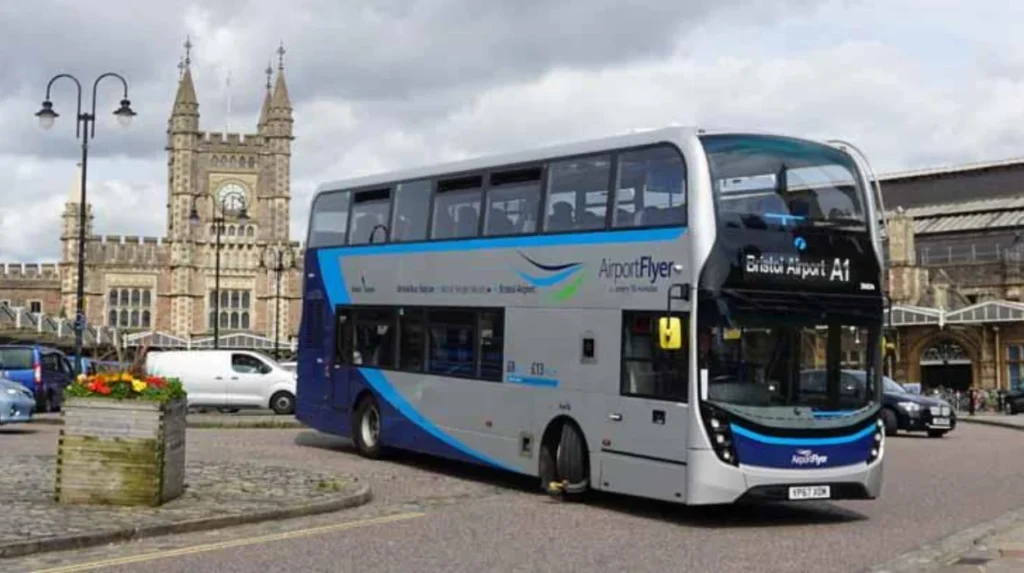
How do rail passengers connect with Bristol Airport?
Bristol Airport does not have its own railway station. Passengers connect to the national rail network using Airport Flyer buses, principally through Bristol Temple Meads or through Weston-super-Mare and Worle stations.
Bristol Temple Meads is the main rail interchange for passengers travelling between the airport and Bristol’s wider railway network.
Passengers can purchase combined rail and Airport Flyer tickets through participating rail booking systems. Bristol Airport identifies the airport as an arrival or departure option when booking combined journeys through GWR.
The arrangement allows passengers from cities such as London, Cardiff, Bath, Exeter, Plymouth and other locations to complete their journeys using a combination of train and bus.
Weston-super-Mare and Worle provide alternative connections through the A3 service. These routes are useful for passengers travelling from North Somerset and nearby parts of Somerset.
Travellers should allow sufficient connection time between trains and flights. Rail disruption, road congestion and airport security queues operate independently, so a sensible journey plan includes additional time.
What security rules apply at Bristol Airport?
Bristol Airport uses next-generation security screening technology that allows liquids in containers of up to two litres to remain inside hand luggage. Passengers also keep laptops and other electronic devices inside their bags during screening.
Bristol Airport’s current security rules differ from the standard 100ml liquid restriction applied at many other UK airports. At Bristol Airport, each liquid container can hold up to two litres.
Passengers do not need to place liquids inside a separate transparent plastic bag. Liquids remain inside hand baggage during screening.
Liquids include drinks, gels, pastes, creams, lotions, sprays and liquid-solid mixtures. The two-litre limit applies to each individual container.
The airport’s next-generation security system also allows laptops, tablets and other electronics to remain inside hand luggage. Passengers should still follow instructions from security staff because screening procedures can change.
Metal drinks bottles must be empty when presented for security screening. Passengers can refill bottles after security using airport water facilities.
Power banks and vapes must remain in cabin baggage or with the passenger rather than being packed in checked luggage. This requirement relates to fire safety and battery risks.
The UK Government confirms that security restrictions differ between airports. Passengers travelling through another airport should check the rules at that airport, particularly when transferring or returning to the UK.
How early should you arrive at Bristol Airport?
Passengers should arrive early enough to complete airline check-in, baggage drop, security screening and boarding before the flight deadline. Bristol Airport advises passengers to check airline-specific check-in times and allow additional time during busy periods.
The correct arrival time depends on the airline, destination, baggage requirements and travel period.
Online check-in can reduce the number of tasks required at the airport. Passengers with checked luggage still need to complete bag drop within the airline’s specified deadline.
Security processing also requires sufficient time. Bristol Airport specifically advises passengers to allow additional time during peak periods.
The final boarding deadline is controlled by the airline. Reaching the terminal shortly before departure does not guarantee sufficient time to pass security and reach the gate.
Passengers should therefore work backwards from the airline’s boarding and check-in deadlines rather than relying solely on the scheduled flight departure time.
Peak travel periods include school holidays, summer weekends and major holiday periods. These periods create higher demand across check-in, security, roads, car parks and public transport.
What facilities are available inside Bristol Airport?
Bristol Airport provides passenger facilities covering check-in, security, shops, restaurants, lounges, car hire, parking, public transport, special assistance and accommodation. These services support passengers before departure, during connections and after arrival.
The terminal contains check-in facilities for airlines operating from Bristol. After security, passengers enter the departure area with access to retail, food and beverage outlets.
Airport lounges provide a separate pre-flight environment for passengers seeking additional seating and hospitality services. Fast Track Security is also available as a separate airport service.
Food and drink facilities cover different passenger needs, including breakfast, snacks, meals and refreshments.
Retail services include travel-related purchases and duty-free shopping for eligible international passengers.
Bristol Airport also has an on-site Hampton by Hilton hotel. The airport promotes the hotel as an option for passengers who need accommodation close to the terminal.
Car hire services support visitors arriving in the South West who need onward transport. The airport also provides multiple parking products for different travel durations and requirements.
The Public Transport Interchange has strengthened the connection between buses, coaches and the terminal. Its covered bridge link provides level access towards the terminal forecourt.
How accessible is Bristol Airport for passengers with additional needs?
Bristol Airport provides dedicated passenger assistance, accessible routes, specialist security support and Changing Places facilities. Passengers requiring assistance should arrange it through their airline before travelling and use the airport’s designated assistance points.
The airport has a dedicated passenger assistance desk opposite check-in desk 32. Assistance staff can support passengers with check-in and bag drop where required.
A dedicated assistance lane is available through security. Staff are trained to support passengers who require additional assistance during the screening process.
A Changing Places facility is located in the arrivals concourse. Such facilities provide additional space and equipment for people who cannot use standard accessible toilets independently.
Passengers requiring airport assistance should arrange this through their airline in advance. UK Government guidance recommends informing the airline at least 48 hours before departure for disability-related assistance.
Passengers should also communicate specific mobility, sensory or medical requirements when booking assistance. Early notification allows the airline and airport assistance provider to prepare the appropriate service.
What parking options are available at Bristol Airport?
Bristol Airport provides several parking solutions designed for different journey lengths, including short-stay, longer-stay and dedicated parking services. Passengers should choose parking according to trip duration, transfer requirements and terminal access needs.
Airport parking is an important consideration for travellers who do not use public transport.
Short stays are suited to passengers making brief trips or people collecting and dropping off travellers. Longer stays are designed for holidays and business trips lasting several days.
The airport also provides dedicated drop-off and pick-up arrangements. Passengers should check the current airport parking terms and restrictions before driving because access arrangements and charges can change.
The Silver Zone parking service is connected with the terminal by airport transfer arrangements. The new public transport interchange also includes a covered waiting area associated with Silver Zone transfers.
Drivers approaching Bristol Airport should follow current road signage and airport directions. The airport is accessed primarily from the A38.
Traffic conditions are relevant because airport access depends on local road capacity. Bristol’s wider road network can experience congestion, particularly during commuter periods and holiday travel peaks.
What airlines operate from Bristol Airport?
Bristol Airport hosts a broad mix of airlines serving scheduled, leisure and connecting routes. Major operators include easyJet, Ryanair, Jet2.com, TUI, KLM and Pegasus Airlines, with airline schedules varying by season.
easyJet has a substantial presence at Bristol, serving destinations across Europe and the Mediterranean. Its 2026 schedule includes routes such as Alicante, Barcelona, Naples, Dubrovnik, Corfu, Rhodes and several other destinations.
Ryanair also operates an extensive Bristol network. Its 2026 summer schedule included 36 routes, with Bari added as a new destination and increased frequencies on several existing services.
Jet2.com and Jet2holidays operate leisure services from Bristol, particularly to Mediterranean and winter-sun destinations.
TUI operates holiday routes and package holidays from Bristol. Its 2026 programme includes destinations in Spain, Greece, Turkey, Tunisia and other holiday markets.
KLM provides an important connecting function through Amsterdam. Passengers can use Bristol-Amsterdam services to access a wider international network.
Pegasus Airlines provides another international connection through Istanbul Sabiha Gökçen Airport. Bristol Airport states that the service operates three times weekly and supports onward connections.
Airline schedules are seasonal and subject to operational changes. Passengers should always check their booking directly with the operating airline.
Why is Bristol Airport important to Bristol and the wider region?
Bristol Airport provides international air connectivity for Bristol, South West England and South Wales. Its regional role supports tourism, business travel, employment, inbound visitors and connections with European and wider international markets.
The airport’s importance extends beyond Bristol’s city boundary.
Its passenger catchment includes communities across South West England and South Wales. Direct flights reduce the need for many travellers to reach larger airports elsewhere in Britain.
The airport supports inbound tourism by providing direct access to Bristol and surrounding destinations. Visitors can travel onward to Bristol, Bath, North Somerset, Somerset, Devon, South Wales and other regional destinations.
Business travel is another important function. Direct European connections provide access to major commercial centres, while hub connections extend the airport’s international reach.
The airport also contributes to regional employment. Bristol Airport’s 2026 development plans state that the proposed expansion would create around 1,000 new onsite jobs and support approximately 36,000 jobs through the local supply chain.
Public transport usage has also become increasingly important. The Airport Flyer carried 1.3 million passenger journeys in 2024 across the A1 and A3 services, demonstrating the scale of public transport demand associated with the airport.
Explore More Area Guide
Best Areas Near Transport Links in Bristol 2026
Cycling Around Bristol: Routes, Paths & Guide 2026
What are Bristol Airport’s future development plans?
Bristol Airport is planning further expansion focused on passenger capacity, public transport, road access, terminal facilities, car hire and international connectivity. The current proposal seeks permission to increase the passenger cap from 12 million to 15 million annually.
Bristol Airport submitted future development proposals to North Somerset Council in March 2026.
The proposal seeks to increase the airport’s passenger cap from 12 million to 15 million passengers per year. The airport states that the higher capacity would meet projected demand and is expected to be reached in the late 2030s.
The proposal includes improved public transport facilities, additional car parking, highway improvements on the A38 and a new bus lane intended to improve journey reliability.
The plans also include expanded car hire facilities. This responds to demand from inbound visitors and business travellers who require onward road transport.
Terminal improvements form another part of the proposed development. The airport has identified travelators, additional contact stands and increased retail and restaurant space as elements of its planned customer experience.
International connectivity is also a major objective. The proposal includes additional European and worldwide destinations, including limited longer-haul services to North America and the Middle East, with onward connections to Asia and other markets.
Aircraft movements would increase under the longer-term proposal. Bristol Airport states that movements would rise from 85,990 to 100,000 annually if the proposed capacity is approved and implemented.
These plans remain subject to the relevant planning and regulatory processes.
How should you plan a journey through Bristol Airport?
A successful Bristol Airport journey requires passengers to confirm flight details, check airline baggage rules, plan transport, allow sufficient time for security and monitor travel information before departure. Current airport and airline instructions take priority over general travel guidance.
Start by confirming the flight number, departure time, terminal information and operating airline.
Check the airline’s baggage allowance before packing. Airlines set their own restrictions for cabin-bag dimensions, weight and checked baggage.
Review Bristol Airport’s security rules before travelling. The airport currently permits liquid containers up to two litres through security and allows electronics to remain inside hand baggage.
Plan the journey to the airport based on the transport method. The A1 Airport Flyer is the main Bristol connection, while rail passengers can use Bristol Temple Meads with a connecting Flyer bus.
Drivers should check parking arrangements and allow time for road congestion.
Passengers requiring assistance should arrange support with their airline in advance.
Finally, check live flight information before leaving for the airport. Bristol Airport provides current arrivals and departures information, including scheduled times, flight numbers and operational updates.
Bristol Airport combines regional accessibility with an extensive international route network. Its 1957 origins at Lulsgate Bottom developed into a major aviation gateway serving Bristol, the South West and South Wales. Its expanding transport infrastructure, growing destination network and planned capacity improvements position it as an important part of the region’s transport system.
For travellers, the most important practical points are straightforward: check the airline’s current requirements, use the appropriate transport connection, allow sufficient time, follow Bristol Airport’s security rules and verify live flight information before travelling.
Where is Bristol Airport located?
Bristol Airport is located at Lulsgate Bottom in North Somerset, approximately 8 miles south-west of Bristol city centre. It is the main international airport serving Bristol and the surrounding South West region.