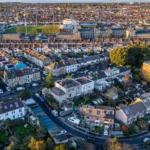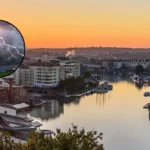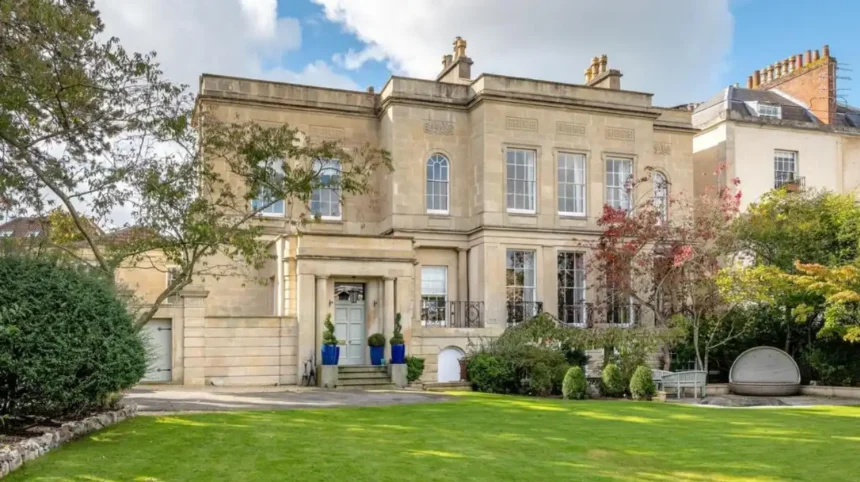
Bristol has a diverse residential market, but its most prestigious neighbourhoods share several defining characteristics. Prime locations typically combine substantial period homes, attractive streets, green space, strong architecture, access to central Bristol, and proximity to the city’s best-known cultural and commercial districts. Clifton, Sneyd Park, Stoke Bishop, Redland, Cotham, Westbury-on-Trym and Henleaze are among the areas most closely associated with higher-value residential property and established neighbourhood character.
- What makes an area one of the luxury areas in Bristol?
- Why is Clifton considered one of Bristol’s most prestigious residential areas?
- Why are Sneyd Park and Stoke Bishop associated with high-end family housing?
- Why are Redland and Cotham popular with buyers seeking premium Bristol property?
- What makes Westbury-on-Trym a luxury residential area in Bristol?
- Why is Henleaze included among Bristol’s desirable residential districts?
- How does historic architecture influence luxury property in Bristol?
- How do green spaces and views affect Bristol’s luxury residential market?
- How do planning rules affect luxury homes in Bristol?
- How should buyers compare luxury areas in Bristol?
- Which Bristol luxury area suits different residential priorities?
- What is the future outlook for luxury residential areas in Bristol?
- What are the key luxury areas in Bristol to consider?
Luxury housing in Bristol is not defined by one official council category. The term describes a segment of the residential market associated with larger homes, premium locations, distinctive architecture, private gardens, high-quality finishes, views, and strong access to amenities. Property values vary significantly by street, property size, condition and tenure.
Bristol’s wider housing market provides important context. The Office for National Statistics reported an average Bristol house price of £355,000 in May 2026, with the figure rising 2.2% year on year. The average private rent reached £1,883 per month in June 2026, an annual increase of 7.4%. The UK House Price Index recorded an average City of Bristol price of £356,824 in June 2026.
Bristol City Council’s 2026/27 housing assessment also reported that the average Bristol house price reached £351,000 in the year ending September 2025. It stated that Bristol prices had risen 69% over the previous decade, compared with 45% across England and Wales.
These figures describe the whole city rather than individual luxury neighbourhoods. Prime districts operate within a much more varied local market. Period architecture, conservation restrictions, scarce housing stock, proximity to green space and desirable views all influence the character and value of individual properties.
What makes an area one of the luxury areas in Bristol?
Luxury areas in Bristol combine premium housing, attractive architecture, green space, desirable views, established neighbourhoods, strong amenities and convenient access to employment and cultural destinations. Clifton, Sneyd Park, Stoke Bishop, Redland, Cotham, Westbury-on-Trym and Henleaze demonstrate these characteristics.
Luxury in Bristol has a strong relationship with location. A large property in an ordinary suburban setting does not necessarily occupy the same market segment as a period villa overlooking the Avon Gorge or a substantial detached house close to protected open space.
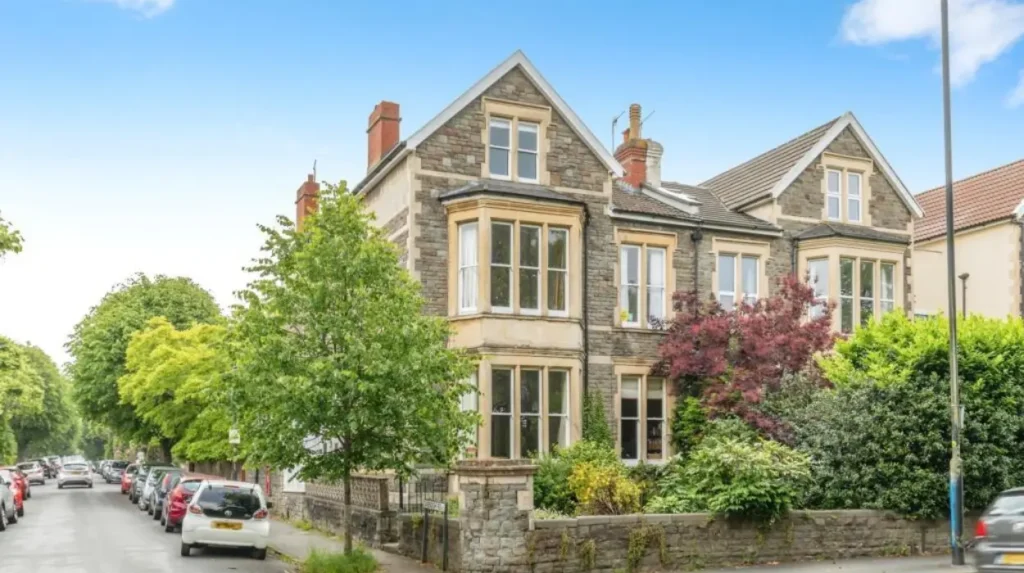
Housing type is another important factor. Bristol’s prime neighbourhoods contain Georgian terraces, Victorian villas, substantial detached houses, converted period buildings and architecturally distinctive residences. Many properties retain original proportions, high ceilings, stone façades, sash windows and landscaped gardens.
Historic protection also contributes to neighbourhood identity. Bristol currently has 33 conservation areas. These areas are designated because of their special character and appearance, including historic street patterns, building materials, green spaces, trees and distinctive views.
This heritage environment is particularly important in Clifton, Cotham and Redland. Conservation status does not automatically make a property expensive, but it preserves architectural character and can restrict alterations that would change the appearance of historic buildings.
Why is Clifton considered one of Bristol’s most prestigious residential areas?
Clifton is a leading luxury residential district because it combines Georgian and Victorian architecture, elevated views, historic terraces, green spaces, independent amenities and proximity to Bristol city centre, Clifton Village, The Downs and the Avon Gorge.
Clifton occupies an elevated position west of Bristol’s central area. Its residential character developed strongly during the Georgian and early Victorian periods, creating a concentration of grand terraces, crescents and villas.
The Clifton and Hotwells Conservation Area appraisal identifies formal classical terraces and Victorian rubble villas as major components of Clifton’s architectural character. The area rises toward The Downs and is closely associated with the Avon Gorge.
Royal York Crescent is one of Clifton’s most recognisable residential landmarks. Bristol City Council’s character appraisal states that construction began in 1791 and was completed in 1820 after an interruption caused by the original developer’s bankruptcy. The terrace is Grade II* listed and forms a major element of Clifton’s historic townscape.
Other important historic residential streets include Windsor Terrace, The Paragon and Cornwallis Crescent. The council appraisal identifies Windsor Terrace as a Grade II listed group and The Paragon as a Grade II* group of 14 houses.
Clifton also benefits from its proximity to Clifton Village, which provides restaurants, cafés, specialist shops and everyday services. The Downs provides extensive open space, while the Avon Gorge creates distinctive landscape views.
The combination of architecture, landscape and accessibility makes Clifton particularly important within Bristol’s prime residential market. Individual property values remain dependent on size, condition, tenure, parking, garden space, views and exact location.
Why are Sneyd Park and Stoke Bishop associated with high-end family housing?
Sneyd Park and Stoke Bishop are associated with luxury family housing because they provide larger detached and semi-detached homes, gardens, mature trees, access to open space, quieter residential streets and proximity to the Avon Gorge, The Downs and established north-west Bristol amenities.
Sneyd Park occupies a green residential setting north of Durdham Down and beside the Avon Gorge and Avon Valley. Bristol City Council describes it as a verdant residential suburb and identifies the Sneyd Park Conservation Area as an important part of its character.
The area’s housing differs from the dense Georgian terraces found in Clifton. Larger plots, detached houses, gardens and mature landscaping form an important part of the residential environment.
Old Sneed Park is another significant local landscape asset. Bristol City Council identifies Old Sneed Park as a local nature reserve in north-west Bristol near Stoke Bishop. It is open to the public and provides a protected natural environment within the residential area.
Stoke Bishop sits close to The Downs, Sneyd Park and the Avon Gorge. Its housing stock includes substantial family homes and properties on leafy residential roads.
The location also provides access to Bristol’s western and north-western employment and education areas while retaining a suburban environment. This combination supports demand from households seeking larger homes without moving far from central Bristol.
Properties with large gardens, garages, private driveways, extended floor space or views command different values from smaller homes on the same neighbourhood’s streets. For this reason, luxury housing in Sneyd Park and Stoke Bishop is best assessed at property level rather than through a single neighbourhood-wide price.
Why are Redland and Cotham popular with buyers seeking premium Bristol property?
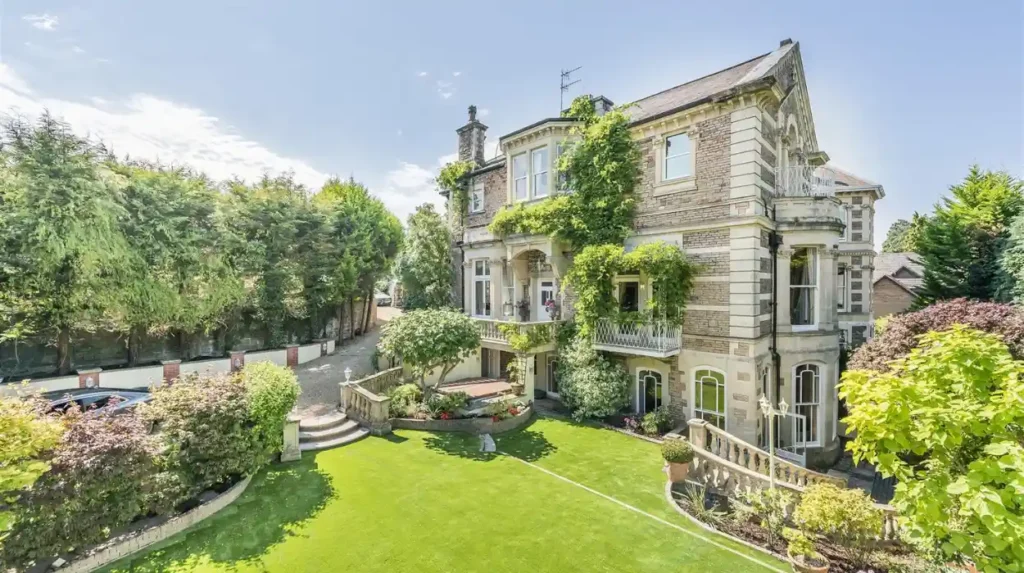
Redland and Cotham offer premium residential environments through Victorian and Edwardian housing, tree-lined streets, conservation areas, proximity to Clifton and central Bristol, established local amenities, schools, green spaces and strong transport connections.
Redland and Cotham form an important residential belt between central Bristol and Clifton. The areas contain many period properties, including substantial Victorian houses, terraces and villas.
Bristol City Council identifies Cotham and Redland as a conservation area and provides a dedicated character appraisal for the district. The historic environment includes distinctive streetscapes and architectural details that contribute to neighbourhood identity.
Redland is particularly associated with larger Victorian properties and streets close to Whiteladies Road. The location provides access to shops, restaurants, cafés and services while remaining within a predominantly residential environment.
Cotham has a similarly central position. It provides relatively quick access to Bristol city centre, Clifton, the University of Bristol and major transport corridors.
The area’s housing market contains a mixture of owner-occupied homes, rental properties, apartments and converted period houses. This creates variation in property values.
Planning restrictions are relevant for prospective buyers. Bristol City Council states that conservation areas have stricter planning controls than other locations. Major works require appropriate planning consideration, and some properties are also affected by listed-building controls.
An Article 4 Direction also applies to parts of the Cotham and Redland Conservation Area. Bristol City Council identifies restrictions relating to boundary walls and hard standings in that area.
These controls matter when assessing a premium property. A buyer considering an extension, replacement windows, landscaping or changes to walls should establish the planning position before committing to work.
What makes Westbury-on-Trym a luxury residential area in Bristol?
Westbury-on-Trym combines village-style character, substantial houses, gardens, mature greenery, historic buildings, local services and access to north-west Bristol. Its residential environment provides a quieter alternative to central districts while retaining convenient access to employment and amenities.
Westbury-on-Trym is an established north-west Bristol neighbourhood with a distinctive historic centre and a strong residential identity.
The area contains period houses alongside later family properties. Larger homes, gardens and quieter streets contribute to its premium residential appeal.
The neighbourhood also has strong access to green space and nearby residential districts including Henleaze, Stoke Bishop and Sneyd Park. This creates a connected north-west Bristol housing market rather than an isolated neighbourhood.
Westbury-on-Trym’s conservation status is also significant. Bristol City Council lists Westbury-on-Trym among its conservation areas and has produced a character appraisal for the district.
The historic environment influences the appearance of the central neighbourhood. Traditional buildings, established boundaries and mature landscaping contribute to its identity.
For households prioritising space, gardens and a suburban setting, Westbury-on-Trym offers a different form of luxury from Clifton. The distinction is important because premium Bristol housing is not limited to grand terraces or city-centre architecture.
Why is Henleaze included among Bristol’s desirable residential districts?
Henleaze is associated with desirable residential property because it provides established family housing, larger homes, gardens, mature streets, access to The Downs and proximity to Westbury-on-Trym, Redland, Westbury Park and north-west Bristol amenities.
Henleaze sits between central Bristol and the city’s north-western suburbs. Its residential character is strongly family-oriented, with a mixture of detached, semi-detached and terraced houses.
The neighbourhood benefits from access to The Downs and surrounding green areas. Its location also provides relatively direct connections toward Clifton, Redland and Westbury-on-Trym.
Henleaze has a different architectural profile from central Clifton. The area contains substantial early and mid-20th-century housing, larger plots and residential streets designed around family occupation.
Planning controls remain relevant in parts of Henleaze. Bristol City Council identifies an Article 4 Direction covering gates, walls, fences and other means of enclosure in Henleaze. The permitted development right for those works was removed from 22 April 2021 in the affected area.
This demonstrates why buyers of premium homes should examine planning constraints before altering external features. A property’s value is connected not only to its existing condition but also to the practical scope for future improvements.
How does historic architecture influence luxury property in Bristol?
Historic architecture increases the distinctiveness of Bristol’s premium housing market through Georgian terraces, Victorian villas, listed buildings, historic streets and conservation areas. Clifton, Cotham, Redland, Westbury-on-Trym and Sneyd Park all contain significant heritage characteristics.
Bristol’s historic housing stock is a major component of its residential identity. Georgian development expanded the city westward, while Victorian expansion created substantial residential districts around Clifton, Redland and surrounding neighbourhoods.
Clifton contains some of the city’s most prominent historic residential architecture. Royal York Crescent, Windsor Terrace, The Paragon and Cornwallis Crescent demonstrate the scale and architectural ambition of the Georgian period.
Conservation areas provide another layer of protection. Bristol City Council states that conservation areas can include historic road patterns, characteristic building materials, historic uses, green spaces, trees, street furniture and distinctive views.
Listed buildings receive additional statutory protection. This is particularly relevant to buyers of historic luxury homes because alterations can require specific consent.
Historic architecture also creates maintenance responsibilities. Stone façades, sash windows, roofs, timber details and traditional masonry require appropriate maintenance methods.
The result is a residential market where architectural character forms part of the property’s appeal but also influences renovation costs and planning procedures.
How do green spaces and views affect Bristol’s luxury residential market?
Green spaces and views strengthen the appeal of premium Bristol neighbourhoods by providing access to parks, open landscapes, mature trees and elevated outlooks. The Downs, Avon Gorge, Old Sneed Park and landscaped residential streets are key examples.
Bristol has an unusual relationship between urban housing and open landscapes. The Avon Gorge, The Downs and extensive northern and western green spaces sit close to some of the city’s most established residential neighbourhoods.
Clifton benefits particularly from its position above the Avon Gorge and beside The Downs. The council’s landscape assessment describes Clifton as a combination of formal classical terraces and Victorian villas positioned on the downland scarp.
Sneyd Park provides another example. It is positioned beside the Avon Gorge and Valley and contains the Old Sneed Park local nature reserve.
Views also create significant differences between individual properties. A house with an unobstructed outlook can have a different market position from a similar property without that feature.
Gardens have a similar effect. Private outdoor space is particularly important for larger family houses. Mature trees and established landscaping contribute to privacy and neighbourhood character.
However, green settings can create additional responsibilities. Trees within conservation areas are protected, and Bristol City Council requires six weeks’ notice for many works to protected trees.
How do planning rules affect luxury homes in Bristol?
Planning rules have a major impact on luxury homes because many premium districts contain conservation areas, listed buildings and Article 4 restrictions. Buyers must check development rights, heritage designations, tree protection and planning requirements before altering a property.
Planning controls are particularly important in Bristol’s historic residential districts. A buyer purchasing a large period house often considers extensions, loft conversions, new windows, landscaping, parking changes or internal reconfiguration.
Conservation area status can restrict development that would otherwise fall within permitted development rights. Bristol City Council states that major work in a conservation area requires a pre-application enquiry and appropriate planning assessment.
Listed buildings have additional protection because their architectural and historic significance is recognised at national level.
Article 4 Directions remove specified permitted development rights in defined locations. Bristol has Article 4 controls affecting areas including Cotham and Redland and Henleaze.
Tree protection is another consideration. Bristol City Council requires six weeks’ notice before certain tree works in conservation areas.
For a luxury property, these restrictions directly affect renovation planning. Buyers should therefore assess the planning history, conservation status, listed-building status, Article 4 position and tree constraints before purchasing.
How should buyers compare luxury areas in Bristol?
Buyers should compare luxury Bristol neighbourhoods by property type, exact street, condition, garden size, parking, views, conservation status, transport access, local amenities and future development potential rather than relying on an area label alone.
Neighbourhood averages provide useful context but do not accurately describe every premium property. Bristol’s overall average house price was £355,000 in May 2026, according to ONS data.
A luxury property’s value depends on characteristics that are not captured by a citywide average. These include floor area, number of bedrooms, architectural quality, outdoor space, parking, renovation standard, energy performance and exact position.
Clifton illustrates the difference clearly. A historic Grade II* terrace house, a modern apartment and a smaller period property all fall within the same broad neighbourhood but represent different market segments.
The same principle applies to Sneyd Park, Stoke Bishop, Redland, Cotham, Westbury-on-Trym and Henleaze.
Buyers should also assess running costs. Larger homes require more expenditure on heating, maintenance, roofing, windows, gardens and insurance. Historic properties can require specialist conservation work.
Planning potential is equally important. A property with an attractive garden does not automatically have unrestricted extension potential. Conservation controls, Article 4 Directions, listed-building requirements and tree protection can affect future works.
The most reliable comparison therefore combines current market evidence with property-level due diligence.
Which Bristol luxury area suits different residential priorities?
Clifton suits buyers prioritising historic architecture and central access; Sneyd Park and Stoke Bishop suit larger family homes and green surroundings; Redland and Cotham suit period housing near central amenities; Westbury-on-Trym and Henleaze suit suburban space and established communities.
Clifton is strongest for buyers seeking historic architecture, central convenience, restaurants, cultural destinations and distinctive views. Its Georgian and Victorian housing stock creates a particularly recognisable urban environment.
Sneyd Park suits households prioritising greenery, privacy, larger homes and proximity to the Avon Gorge. Its conservation area and natural landscape provide a strong sense of place.
Stoke Bishop offers a similar north-west residential environment, with access to The Downs, Sneyd Park and larger family properties.
Redland and Cotham provide a balance between period architecture and central accessibility. Their location connects residential streets with Clifton, the city centre and Whiteladies Road.
Westbury-on-Trym provides a more suburban setting with historic village character and access to north-west Bristol.
Henleaze offers established family housing and convenient connections to neighbouring residential areas.
These distinctions demonstrate that luxury is not a single housing category. Bristol contains several premium residential environments, each with a different combination of architecture, space, accessibility and landscape.
Explore More Area Guide
Affordable Areas in Bristol: Best Budget Neighbourhoods 2026
Best Areas to Invest in Bristol: Property Guide 2026
What is the future outlook for luxury residential areas in Bristol?
Bristol’s premium residential districts retain long-term relevance because of constrained historic housing stock, strong citywide housing demand, established amenities, green spaces and limited opportunities to reproduce historic architectural character at scale.
Bristol’s housing market has experienced substantial long-term growth. Bristol City Council reported that average house prices increased 69% between 2015 and 2025, compared with 45% across England and Wales.
The city also has a significant affordability challenge. The council reported an affordability ratio of 8.88 in April 2025, meaning the median home cost almost nine times the annual earnings of middle-income households.
Current ONS data shows that Bristol’s average house price remained above £350,000 in 2026. The May 2026 provisional figure was £355,000, while average private rent reached £1,883 in June 2026.
These citywide figures do not predict individual luxury-property performance. They establish the broader market environment in which prime neighbourhoods operate.
Historic neighbourhoods also face a structural supply constraint. Georgian terraces, Victorian villas and established green streets cannot be reproduced easily. Conservation designations protect many elements of their existing character. Bristol currently has 33 conservation areas.
Future buyers therefore need to assess both the property and its surrounding planning framework. The strongest analysis considers location, architecture, space, condition, accessibility, environmental setting and permitted future improvements.
What are the key luxury areas in Bristol to consider?
The leading luxury residential areas to investigate are Clifton, Sneyd Park, Stoke Bishop, Redland, Cotham, Westbury-on-Trym and Henleaze. Each combines premium residential characteristics with a distinct architectural, environmental and lifestyle profile.
Clifton stands out for Georgian and Victorian architecture, central location and Avon Gorge views. Royal York Crescent and other historic terraces demonstrate the area’s architectural importance.
Sneyd Park stands out for green surroundings, larger homes and proximity to the Avon Gorge and Old Sneed Park nature reserve.
Stoke Bishop provides another established north-west residential environment with access to open space and substantial family housing.
Redland and Cotham combine period properties with convenient access to Clifton and central Bristol. Their conservation status also protects important elements of their historic character.
Westbury-on-Trym provides historic village character and a suburban residential setting. Henleaze provides established family housing with strong access to north-west Bristol.
The definition of a luxury area therefore depends on more than price. Bristol’s premium residential districts are defined by a combination of scarce housing stock, architecture, green space, views, accessibility, amenities and planning context.
For anyone researching luxury property in Bristol, the most useful approach is to compare individual streets and properties within these established districts. Citywide statistics provide market context, while planning records, property characteristics and local environmental factors provide the detail needed for an informed assessment.
Bristol’s premium housing market is consequently diverse rather than concentrated in one neighbourhood. Clifton represents historic urban prestige, Sneyd Park and Stoke Bishop represent spacious north-west residential living, Redland and Cotham combine heritage with central accessibility, and Westbury-on-Trym and Henleaze provide established suburban alternatives. Together, these districts form the core of Bristol’s luxury residential landscape.
What are the most luxurious areas in Bristol?
The most established luxury areas in Bristol include Clifton, Sneyd Park, Stoke Bishop, Redland, Cotham, Westbury-on-Trym and Henleaze. These neighbourhoods are known for attractive architecture, larger homes, green spaces, desirable locations and strong local amenities.