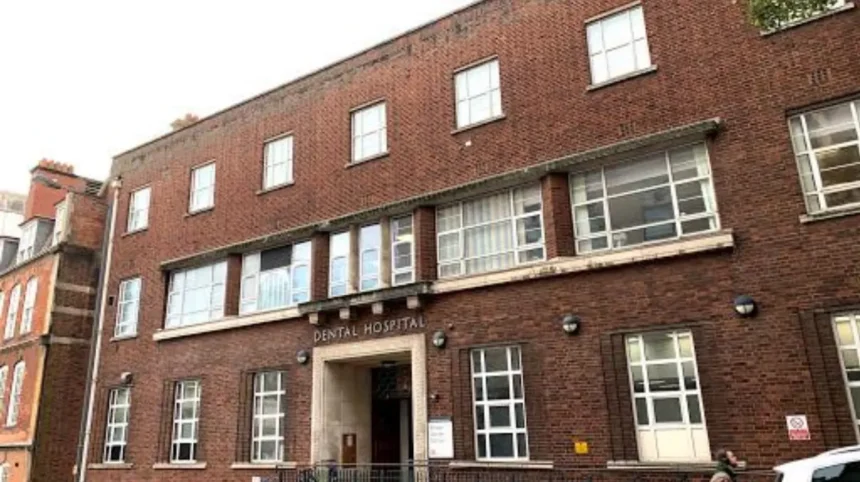
Bristol has a broad dental care system covering NHS dentistry, private dental practices, specialist hospital services, emergency treatment and community dental provision. Residents, students, families, workers and visitors can access different forms of dental care depending on clinical need, eligibility, availability and whether treatment is NHS-funded or privately funded.
- What dental services are available in Bristol?
- How does NHS dentistry work in Bristol?
- How can you find an NHS dentist in Bristol?
- What does a Bristol dentist normally check during a dental appointment?
- What NHS dental treatments can you receive in Bristol?
- How much does NHS dental treatment cost in Bristol?
- When should you contact an emergency dentist in Bristol?
- What specialist dental services are available at Bristol Dental Hospital?
- How does community dental care support Bristol residents?
- Why is oral health an important issue in Bristol?
- How should you choose a dentist in Bristol?
- How can Bristol residents maintain good dental health between appointments?
- What is the future of dental care in Bristol?
The city is also home to Bristol Dental Hospital, a specialist centre serving patients across the South West. Its services include oral surgery, orthodontics, paediatric dentistry, restorative dentistry, dental radiology, oral medicine and special care dentistry.
Finding the right dentist in Bristol requires understanding how NHS dentistry works, what private dentistry covers, how emergency treatment is arranged, and when specialist referral is appropriate.
What dental services are available in Bristol?
Bristol provides NHS and private dentistry through general dental practices, community services and specialist hospital departments. Care includes examinations, preventive treatment, fillings, crowns, root canal treatment, orthodontics, oral surgery and emergency dental treatment.
General dental practices provide routine oral examinations and clinically necessary treatment. Preventive care includes advice about brushing, fluoride toothpaste, diet and gum health.
Restorative treatment addresses damaged or diseased teeth. Examples include fillings, crowns and root canal treatment. NHS treatment is based on clinical need rather than cosmetic preference. The NHS states that clinically necessary treatment keeps the mouth, teeth and gums healthy.
Bristol also has specialist services through Bristol Dental Hospital. The hospital provides specialist care across areas such as oral medicine, orthodontics, paediatric dentistry, restorative dentistry, oral and maxillofacial surgery and special care dentistry.
Private dentists provide NHS treatment where commissioned and available, alongside privately funded treatment. Cosmetic procedures are generally private because NHS funding focuses on clinically necessary dental care.
How does NHS dentistry work in Bristol?
NHS dentistry in Bristol provides clinically necessary oral healthcare through participating dental practices and community services. Patients contact practices directly, check NHS availability and follow local access arrangements rather than registering with a dentist like a GP.
A dental practice does not operate under the same registration system as a GP surgery. Patients are not restricted to a specific dental catchment area. The NHS recommends searching for practices and contacting them directly to check current NHS availability.
Some Bristol practices provide both NHS and private appointments. Patients should specifically ask whether an NHS appointment is available. A practice listing on an NHS search service does not guarantee that it has capacity for new NHS patients.
Patients seeking routine NHS care can use the NHS Find a Dentist service. The service identifies practices offering NHS dental appointments, urgent care or specialist services, although patients still need to contact the practice to confirm availability.
Bristol also has a Primary Care Dental Service, or PCDS. This service operates clinics across Bristol and neighbouring areas, including Riverside, Southmead, Charlotte Keel, St Martin’s and Yate.
How can you find an NHS dentist in Bristol?
To find an NHS dentist in Bristol, search the NHS dentist directory, identify practices near your preferred postcode, then contact each practice directly about NHS availability. Practices control appointment capacity, so a search result does not guarantee immediate registration or treatment.
Start with the NHS dentist search service and enter a Bristol postcode or area. Examples include BS1, BS3, BS5, BS6, BS7 and BS16.
Contact the practice and ask four practical questions. Ask whether it accepts new NHS patients, whether there is a waiting list, whether children are accepted and whether emergency appointments are available.
NHS guidance confirms that patients can contact any NHS dentist for an appointment. Some practices maintain waiting lists because they do not have immediate capacity for new patients.
If you cannot secure NHS dental care, NHS guidance recommends contacting the local integrated care board. An integrated care board, or ICB, is an NHS organisation responsible for planning and arranging healthcare services within its area.
For Bristol residents, checking availability directly with several practices provides the clearest current information because dental capacity changes as practices open or close NHS appointment books.
What does a Bristol dentist normally check during a dental appointment?
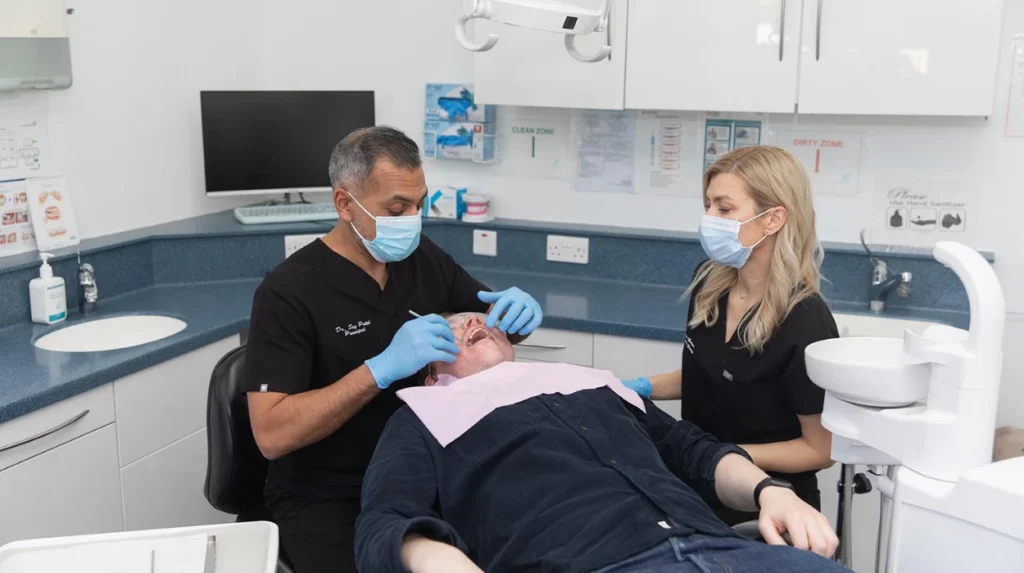
A routine dental examination assesses teeth, gums, oral tissues and existing dental problems. The dentist reviews symptoms, examines the mouth, assesses decay and gum health, and uses X-rays when clinically necessary to support diagnosis and treatment planning.
The examination begins with a discussion of oral health and relevant symptoms. The dentist then examines the teeth and surrounding tissues.
Decay is assessed by looking for damage to tooth structure. Gum assessment identifies inflammation and signs associated with periodontal disease. The dentist also examines fillings, crowns, dentures and other dental work where relevant.
Oral soft tissues receive attention because persistent ulcers, lumps, red patches and white patches can require further assessment. NHS emergency guidance specifically highlights persistent or worsening oral changes as reasons to seek dental or medical assessment.
X-rays provide additional information when a dentist needs to assess areas that cannot be examined adequately through a visual inspection. Bristol Dental Hospital also operates a specialist dental radiology service, primarily receiving referrals from dental professionals.
The outcome of an examination is a clinical assessment. The dentist then explains appropriate treatment, preventive measures and relevant alternatives.
What NHS dental treatments can you receive in Bristol?
NHS dental treatment in Bristol covers clinically necessary care required to maintain oral health. Examples include examinations, fillings, extractions, crowns, dentures and root canal treatment when clinically indicated, while purely cosmetic procedures generally require private payment.
NHS dentistry is organised around clinical necessity. The dentist assesses the patient’s oral health and determines which treatment is clinically appropriate.
Preventive care forms an important part of dental treatment. Dentists provide advice about oral hygiene, fluoride use, diet and prevention of future disease.
Restorative treatment repairs or replaces damaged dental structures. Examples include fillings for tooth decay, crowns for heavily damaged teeth and dentures for missing teeth.
Root canal treatment addresses infection or inflammation within the tooth’s pulp. Extraction removes a tooth when preservation is not clinically appropriate.
Orthodontic treatment can also be available through the NHS when it is clinically necessary and eligibility requirements are met.
The NHS requires dentists to explain which treatment is available through NHS funding and which treatment is private. For Band 2, Band 3 or mixed NHS/private treatment, the patient receives a treatment plan explaining proposed care and costs.
How much does NHS dental treatment cost in Bristol?
NHS dental charges in Bristol follow England-wide NHS dental charging rules rather than a separate Bristol price system. Charges depend on the treatment band, while eligible patients receive free treatment or financial support under NHS exemption rules.
NHS dental charges are nationally determined in England. Bristol does not operate a separate city-wide NHS dental tariff.
The NHS categorises treatment according to the type of care required. Urgent treatment has its own charge. At the time of writing, the NHS lists the urgent dental treatment charge at £27.90.
Urgent treatment can include assessment, X-rays, temporary dressings, emergency root canal procedures, treatment following dental injury, refixing certain dental restorations and extraction of up to two teeth.
Patients should check the current NHS charge before treatment because national charges can change.
Some people qualify for free NHS dental treatment or financial assistance. Eligibility depends on circumstances defined by NHS rules. Examples include qualifying children and certain people receiving specified benefits or exemptions.
Private prices are different. A private Bristol dentist sets its own fees and should explain those fees before treatment begins.
When should you contact an emergency dentist in Bristol?
Contact NHS 111 for urgent dental care when severe tooth pain, dental trauma, swelling, uncontrolled dental bleeding or another serious dental problem requires prompt assessment. Severe facial swelling affecting breathing requires emergency medical assistance.
NHS guidance identifies several conditions requiring urgent dental assessment. Examples include severe tooth or mouth pain, a knocked-out tooth, significant dental injury, persistent oral swelling and serious problems following tooth removal.
NHS England defines urgent dental conditions through clinical criteria. Examples include spreading oral infection, severe dental pain, significant dental injuries and severe gum bleeding. Urgent treatment is normally arranged within 24 hours or as soon as practicable according to clinical priority.
In Bristol, patients needing emergency or out-of-hours dental care should contact NHS 111. Bristol Dental Hospital states that NHS 111 triages emergency dental cases and directs patients to the appropriate service.
Bristol Dental Hospital does not operate as a general walk-in urgent dental service. Patients should use the NHS 111 route for urgent dental care rather than arriving without an appointment.
A dental emergency involving serious facial injury, heavy uncontrolled bleeding or severe swelling affecting breathing requires emergency medical assistance. NHS guidance directs patients to A&E or 999 in these circumstances.
What specialist dental services are available at Bristol Dental Hospital?
Bristol Dental Hospital provides specialist dental services for patients across the South West. Its clinical departments include orthodontics, paediatric dentistry, restorative dentistry, oral medicine, dental radiology, oral surgery, special care dentistry and oral and maxillofacial services.
Bristol Dental Hospital is a specialist centre serving the South West. It provides treatment through consultant-led and specialist clinical services.
Orthodontics focuses on tooth position, jaw development and bite abnormalities. Treatment addresses malocclusion and related functional problems.
Paediatric dentistry focuses on children’s dental health. Specialist care addresses complex childhood dental problems and selected treatment needs.
Restorative dentistry focuses on restoring oral function and dental structures. Examples include complex rehabilitation involving damaged or missing teeth.
Oral medicine addresses diseases affecting the mouth and associated tissues.
Oral and maxillofacial surgery covers surgical conditions affecting the mouth, jaw, face and related structures. Bristol’s service includes oral surgery, minor oral surgery, biopsies and treatment of facial trauma.
Special Care Dentistry provides comprehensive dental care for patients aged 16 and over who have complex additional needs that seriously affect dental treatment.
Specialist treatment normally involves referral from an appropriate dental or healthcare professional. Bristol Dental Hospital’s specialist services are not a substitute for routine general dental care.
How does community dental care support Bristol residents?
Community dental services provide accessible NHS dental care for people who face particular barriers to ordinary general dental practice. Bristol’s Primary Care Dental Service supports patients through dedicated clinics, including services for special care, paediatric dentistry, sedation and urgent access.
Bristol’s Primary Care Dental Service operates dedicated clinics across the region. Its listed clinics include Riverside, Southmead, Charlotte Keel, St Martin’s and Yate, alongside services outside Bristol.
The service provides targeted care rather than functioning as a standard high-street dental practice.
Riverside provides facilities including sedation, paediatric specialist services and special care specialist services. It also hosts a Dental Access Centre.
The Dental Access Centre supports patients who have experienced difficulty being accepted by an NHS dentist. Its priority is pain relief, with further treatment provided where capacity allows. Patients can then be referred to local dentists for continuing care.
This structure is important for patients who require additional support, specialist facilities or an alternative access route.
Why is oral health an important issue in Bristol?
Oral health affects physical comfort, nutrition, sleep, communication, confidence and everyday functioning. Bristol’s local oral health assessment identified significant childhood tooth decay and dental extraction pressures, demonstrating the importance of prevention and accessible dental care.
Bristol City Council’s Oral Health Needs Assessment identifies tooth decay, gum disease and oral cancer as major oral health conditions. Poor oral health affects wellbeing through pain, sleep disturbance, loss of function and reduced quality of life.
The assessment reported that almost half of Bristol children did not attend NHS dental services during the June 2021 to June 2022 period. It also reported that more than a quarter of five-year-olds had tooth decay and that one in ten three-year-olds had tooth decay.
Hospital admissions provide another important indicator. Bristol’s assessment reported that tooth extraction was the most common reason for hospital admission among children aged five to nine. During 2021–22, the local extraction rate for affected age groups exceeded the England average.
These figures demonstrate why prevention is central to dental health policy. Regular brushing with fluoride toothpaste, lower sugar exposure and routine dental assessment help reduce preventable dental disease.
Bristol’s Joint Strategic Needs Assessment continues to track dental health as part of its children’s health data. The council lists dental health among its updated children’s health indicators.
How should you choose a dentist in Bristol?
Choose a Bristol dentist by checking NHS or private status, location, appointment availability, clinical services, accessibility, emergency arrangements, fees and professional registration. Confirm the practice’s current terms directly before booking treatment.
Location is important for routine care because regular appointments require practical travel arrangements. Areas such as the city centre, Clifton, Redland, Bishopston, Bedminster, Southville, Fishponds and Southmead contain different dental practices and healthcare facilities.
NHS availability is the first consideration for patients seeking publicly funded care. Contact the practice directly because capacity changes.
Private patients should request a clear fee structure. Treatment plans should identify proposed procedures and costs before substantial treatment begins.
Accessibility also matters. Patients requiring wheelchair access, sedation, specialist equipment or additional support should discuss these requirements before the appointment.
Professional registration provides an important safety check. The General Dental Council, or GDC, is the UK’s statutory regulator for dental professionals. Dental professionals must be registered with the GDC before practising in the UK.
Patients can also check professional standards through the GDC. Its standards cover conduct, performance and ethics for dental professionals.
Explore More Area Guide
Yoga Studios in Bristol: Classes, Styles & Beginner Guide 2026
Best Fitness Classes in Bristol for Every Fitness Level
How can Bristol residents maintain good dental health between appointments?
Good dental health depends on consistent daily prevention rather than treatment alone. Brush twice daily with fluoride toothpaste, reduce frequent sugar exposure, maintain regular dental care and seek professional assessment when persistent pain or oral changes develop.
Bristol’s public health guidance promotes regular tooth brushing with fluoride toothpaste as a core preventive measure.
Brushing twice daily removes plaque and reduces the accumulation of bacteria responsible for dental disease. Fluoride strengthens tooth enamel and helps prevent decay.
Sugar frequency is also important. Frequent exposure to sugary foods and drinks increases the opportunity for acid attacks on teeth. Reducing sugary snacks and drinks supports better oral health.
Gum health requires consistent plaque control. Persistent bleeding, swelling or pain should receive professional assessment rather than being ignored.
Children require particular attention because tooth decay can cause pain, sleep disruption, difficulty eating and missed education. Bristol’s oral health assessment highlights the substantial effect of preventable childhood dental disease.
Routine appointments also provide an opportunity to identify problems before they become more complex. A dentist can detect decay, gum disease, damaged restorations and suspicious oral changes during clinical examination.
What is the future of dental care in Bristol?
The future of dental care in Bristol depends on preventive public health, accessible NHS provision, specialist referral pathways, community services and effective workforce regulation. Local oral health monitoring will continue to identify inequalities and guide service priorities.
Bristol’s dental system already combines high-street general dentistry, community dental services and specialist hospital provision.
The city’s oral health assessment demonstrates that access and disease prevention remain connected. Better appointment access alone does not remove the underlying causes of tooth decay. Dietary habits, oral hygiene, socioeconomic circumstances and preventive behaviour also influence outcomes.
Specialist capacity remains important for complex patients. Bristol Dental Hospital provides specialist services across the South West, including oral surgery, orthodontics, paediatric dentistry, restorative dentistry and special care dentistry.
Regulation also remains central. The General Dental Council requires dental professionals to meet professional standards and maintain registration before practising.
For residents, the most effective approach is straightforward: maintain daily oral hygiene, use NHS services where eligible, establish regular dental care, seek urgent assistance for serious symptoms and obtain specialist referral when routine dentistry is insufficient.
Bristol therefore has a layered dental care system. General dentists manage routine oral health. Community services address specific access and care needs. Bristol Dental Hospital provides specialist treatment. NHS 111 provides the route into urgent dental assessment outside normal arrangements. Together, these services form the main pathway for dental care across Bristol.
How can I find an NHS dentist in Bristol?
You can find an NHS dentist in Bristol using the NHS Find a Dentist service. Search by your Bristol postcode, then contact practices directly to ask about NHS availability, waiting lists and new-patient appointments.