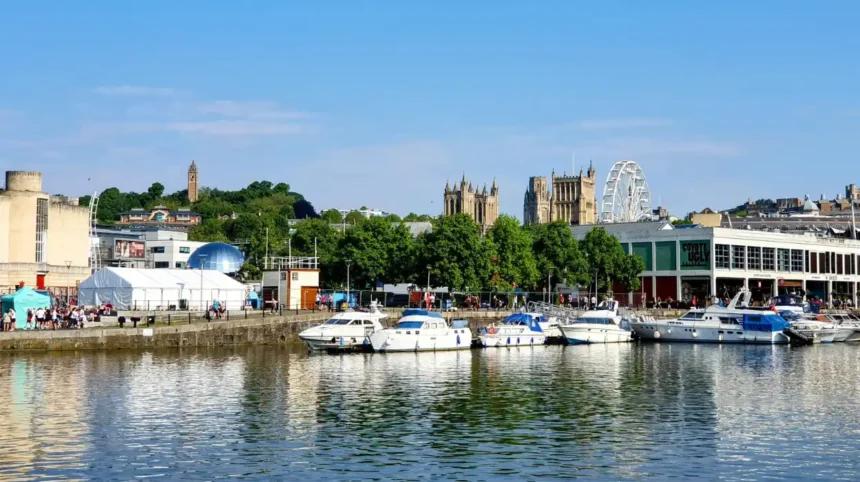
Bristol city centre sits at the heart of a compact urban area surrounded by established neighbourhoods with distinct architecture, transport links, green spaces, shopping streets and cultural attractions. Areas including Clifton, Redland, Cotham, Hotwells, Southville, Bedminster, Redcliffe, St George and Montpelier provide different ways to experience central Bristol while remaining close to the main city-centre attractions.
- Which areas are closest to Bristol city centre?
- Is Clifton a good area near Bristol city centre?
- Why is Redland popular near Bristol city centre?
- What makes Cotham one of the best areas near Bristol city centre?
- Is Southville close to Bristol city centre?
- What is Bedminster like near Bristol city centre?
- Why should visitors consider Hotwells near Bristol city centre?
- Is Redcliffe a convenient area near Bristol city centre?
- What is Montpelier like near Bristol city centre?
- Why is St George worth considering near Bristol city centre?
- Which nearby Bristol areas are best for historic architecture?
- Which areas near Bristol city centre have the best local shopping and dining?
- How easy is it to travel from these areas into Bristol city centre?
- How should visitors choose an area near Bristol city centre?
- How are Bristol’s nearby neighbourhoods changing?
- What are the main areas to know near Bristol city centre?
Bristol is the largest city in South West England. Bristol City Council estimates its mid-2025 population at 495,300, following population growth of 9.6% between 2015 and 2025. The city combines a historic centre with residential districts that developed during different periods of Bristol’s expansion.
The definition of an area “near Bristol city centre” depends on the purpose of the visit. Some neighbourhoods sit immediately beside the central area, while others extend a short distance beyond it. Bristol City Council’s planning framework identifies Bristol City Centre separately from nearby town and district centres such as Bedminster, Clifton and St George, while local centres include areas such as Cotham, Redcliffe, Southville and Stokes Croft.
Which areas are closest to Bristol city centre?
The closest residential areas include Redcliffe, Old Market, Stokes Croft, Hotwells, Clifton, Cotham, Montpelier, Southville and Bedminster. These neighbourhoods surround the central area and provide direct access to major attractions, shopping streets, employment areas, restaurants, parks, transport connections and the harbourside.
The central area itself contains several distinct quarters. Bristol City Council identifies Broadmead, Park Street and Queen’s Road, the Old City, Harbourside, Wapping Wharf, Old Market, Stokes Croft and Victoria Street among the principal parts of the city centre.
Redcliffe sits immediately south of the Floating Harbour and close to Bristol Temple Meads. Its location makes it relevant for visitors using the railway station and people working in the central business area.
Hotwells sits west of the central area beside the Floating Harbour and below Clifton. Its position connects the harbourside with Clifton and the western edge of the centre.
Stokes Croft lies north of the central shopping area. It connects the centre with areas such as Kingsdown, St Pauls and the Gloucester Road corridor.
Old Market lies east of Broadmead and close to Temple Meads. It forms part of the wider central regeneration area identified by Bristol City Council.
The city centre is undergoing long-term regeneration. Bristol City Council’s City Centre Development and Delivery Plan focuses on movement, public spaces, green infrastructure, culture, retail, leisure and residential development.
Is Clifton a good area near Bristol city centre?
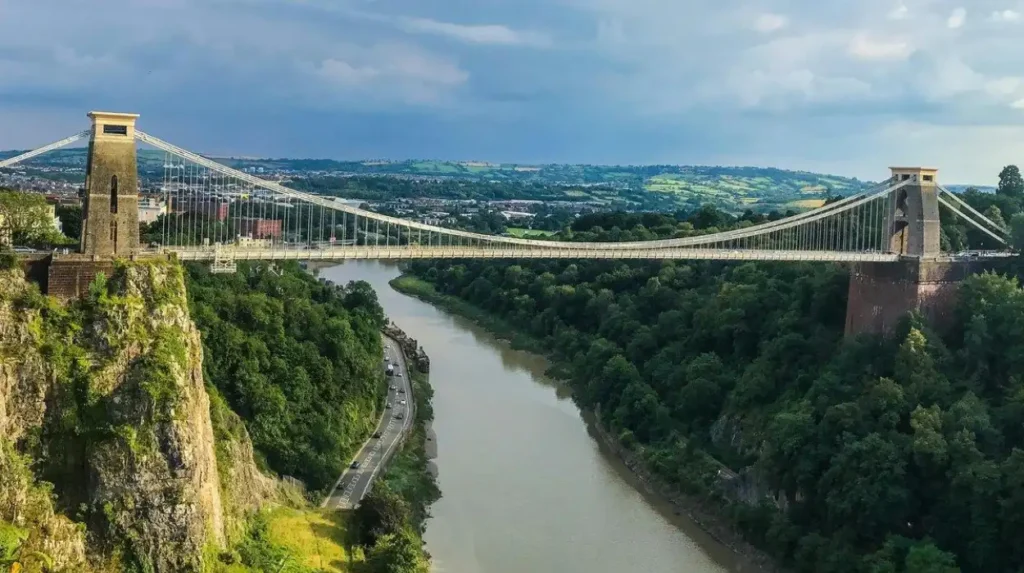
Clifton is a historic residential district immediately north-west of central Bristol, known for Georgian architecture, Clifton Suspension Bridge, green spaces, independent businesses and connections to the city centre. Its location combines heritage attractions with established residential streets and local amenities.
Clifton is one of Bristol’s most recognisable neighbourhoods. Its built environment includes Georgian terraces, historic villas, landscaped streets and prominent views across the Avon Gorge.
The neighbourhood is particularly significant for visitors because of Clifton Suspension Bridge. The bridge spans the Avon Gorge and provides a direct visual connection between Clifton and the surrounding landscape.
Clifton also connects with Clifton Village, a commercial area containing independent shops, cafés, restaurants and other services. Visit Bristol describes Clifton and Redland as areas with Georgian streets and distinctive historic architecture.
The Clifton and Hotwells area also has formal heritage protection. Bristol City Council maintains a conservation-area character appraisal for Clifton and Hotwells, reflecting the architectural and historic importance of the district.
Clifton provides access to green areas including Clifton Down and Durdham Down. These open spaces give the district a different physical character from the dense commercial centre.
Its proximity to the centre also supports walking between neighbourhood attractions and central destinations. Clifton is therefore relevant for visitors who want historic architecture, outdoor space and city-centre access within the same area.
Why is Redland popular near Bristol city centre?
Redland is a residential neighbourhood north of central Bristol with tree-lined streets, historic properties, local restaurants, cafés, green spaces and rail access. It sits between Clifton and the Gloucester Road area, creating a practical connection between central Bristol and northern neighbourhoods.
Redland forms part of the established inner Bristol residential area surrounding Clifton and Cotham. Its streets contain substantial historic housing alongside modern residential properties and local businesses.
Bristol City Council has a Cotham and Redland conservation-area character appraisal, recognising the area’s architectural and townscape characteristics.
Redland Station provides a rail connection within the neighbourhood. The district is also close to Clifton Down Station and the commercial areas around Whiteladies Road.
Visit Bristol identifies Cotham and Redland as neighbourhoods between Clifton and the Gloucester Road area. The organisation highlights tree-lined streets, historic houses, parks and independent restaurants and bars.
Chandos Road is one of the local commercial streets. It contains restaurants, bars and other independent businesses.
Redland is also close to Bristol’s wider cultural and educational areas. The combination of residential streets, local businesses and public transport gives the district a strong connection to the central city without being part of the main commercial core.
What makes Cotham one of the best areas near Bristol city centre?
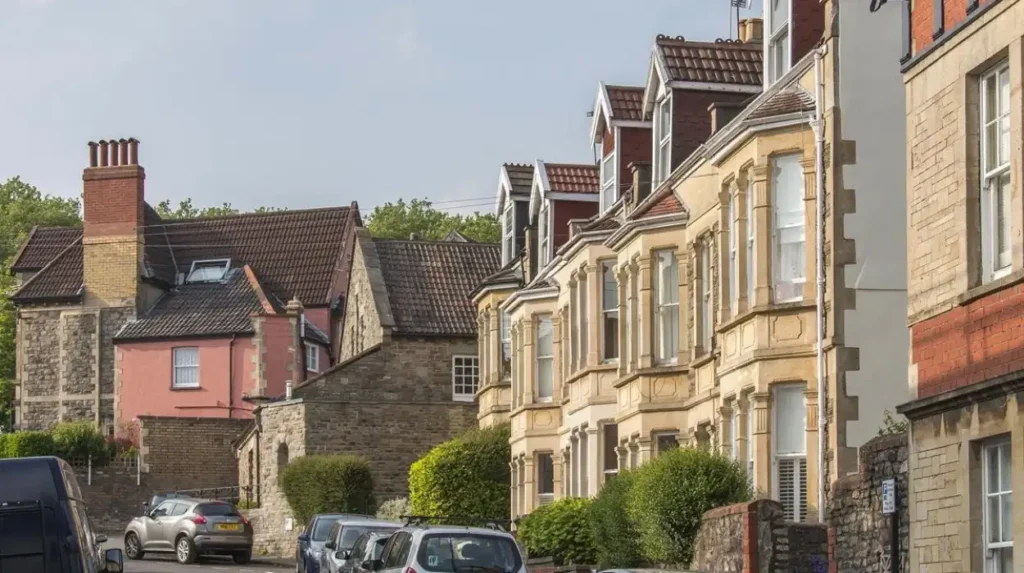
Cotham sits immediately north of the central Bristol area and provides access to Clifton, Redland, Stokes Croft, Whiteladies Road and the city centre. Its historic streets, local businesses, parks and central location make it an important inner-city residential neighbourhood.
Cotham occupies a strategic position between several established Bristol districts. It connects central Bristol with Redland and Clifton to the west and Gloucester Road and Stokes Croft to the east.
The neighbourhood contains historic buildings and streets shaped by Bristol’s expansion beyond the medieval centre. Its built environment includes substantial residential properties, terraces and landscaped streets.
Cotham Hill is an important local commercial area. It contains independent shops, cafés, restaurants and other businesses.
Bristol City Council’s conservation documentation includes Cotham and Redland as a recognised historic area.
The area’s location also makes it useful for people who want to move between several parts of Bristol without relying exclusively on the city centre. Walking routes connect Cotham with Clifton, Redland, Stokes Croft and central destinations.
Cotham therefore functions as both a residential neighbourhood and a connector between Bristol’s commercial, cultural and historic districts.
Is Southville close to Bristol city centre?
Southville is a south Bristol neighbourhood located close to the city centre, Harbourside and Bedminster. North Street provides a major local commercial corridor, while nearby routes connect the neighbourhood with central Bristol, Ashton and other parts of south Bristol.
Southville sits south of the Floating Harbour and west of Bedminster. Its location places it within easy reach of central Bristol while retaining a strong neighbourhood identity.
North Street is the principal local shopping and hospitality corridor. It contains independent businesses and provides everyday services for residents.
Southville also sits near cultural destinations including the Tobacco Factory area and the wider harbourside. Its location makes it relevant to visitors exploring Bristol beyond the main shopping district.
The neighbourhood is included in Bristol City Council’s South Bristol Liveable Neighbourhood programme. The project focuses on safer and quieter streets, walking, cycling, accessibility, public spaces and local high streets.
The 2026 revised proposals specifically identify Southville and North Street as areas for proposed improvements. Connections are planned between local streets and destinations including the city centre and Ashton Gate.
Southville’s combination of central proximity, local commerce and active-travel planning makes it an important nearby district for visitors and residents.
What is Bedminster like near Bristol city centre?
Bedminster is a large inner-south Bristol neighbourhood directly connected to the city centre through the River Avon corridor and central transport routes. It has established shopping streets, residential areas, local services and connections toward Southville, Temple Quarter and the wider city.
Bedminster is one of the principal nearby centres identified in Bristol’s planning framework. Bristol City Council classifies Bedminster as a town centre within the city’s hierarchy.
West Street, East Street and nearby commercial streets provide local shopping and services. North Street in neighbouring Southville also functions as an important commercial destination.
Bedminster’s location makes it useful for accessing central Bristol while remaining connected to south Bristol neighbourhoods such as Southville, Windmill Hill and Totterdown.
The area has a documented historic character. Bristol City Council maintains a Bedminster conservation-area character appraisal as part of its heritage planning resources.
Bedminster is also part of ongoing transport and public-realm planning. Bristol City Council’s 2026 South Bristol Liveable Neighbourhood proposals include work around Bedminster, Southville and nearby districts. The plans address pedestrian crossings, accessibility, wayfinding and connections between local areas.
For visitors, Bedminster provides a route into central Bristol from the south while offering its own shops, restaurants, historic buildings and community facilities.
Why should visitors consider Hotwells near Bristol city centre?
Hotwells is a compact neighbourhood west of central Bristol beside the Floating Harbour and Avon Gorge. Its location provides access to Clifton, the harbourside, waterfront routes and central attractions, while its historic streets give it a distinct character from the main commercial centre.
Hotwells occupies a narrow corridor between the water and the steep slopes leading toward Clifton. This geography has shaped its streets, buildings and transport routes.
The neighbourhood sits close to the western end of the Floating Harbour. It also provides access toward the Avon Gorge and Clifton Suspension Bridge.
Hotwells forms part of the Clifton and Hotwells conservation area. Bristol City Council’s heritage documentation recognises the area’s architectural character and historic environment.
Its proximity to the harbourside makes it useful for walking-based exploration. Visitors can connect waterfront areas with Clifton and central Bristol.
Hotwells also sits close to attractions including the SS Great Britain and other harbourside destinations. Its position allows visitors to combine maritime heritage with Clifton’s architecture and central Bristol’s cultural attractions.
Is Redcliffe a convenient area near Bristol city centre?
Redcliffe is one of the closest neighbourhoods to central Bristol and sits beside the Floating Harbour and Bristol Temple Meads. Its location provides direct access to central employment, transport, historic attractions, waterfront destinations and the city-centre regeneration area.
Redcliffe lies immediately south-east of the traditional city centre. Its northern edge reaches the Floating Harbour, while Bristol Temple Meads is close to its eastern side.
The district contains important historic buildings and churches, including St Mary Redcliffe, one of Bristol’s major historic landmarks.
Bristol City Council identifies Redcliffe as one of the historic areas with conservation-area status.
The neighbourhood has also experienced substantial redevelopment. Modern residential buildings sit alongside historic structures and former industrial sites.
Redcliffe’s position makes it particularly relevant to travellers arriving by rail. Bristol Temple Meads is the city’s principal railway station, creating an important connection between the neighbourhood and destinations across the wider region.
The district also sits within the wider transformation of central Bristol. The city centre development programme aims to improve connections between neighbourhoods, public spaces, transport facilities and central destinations.
What is Montpelier like near Bristol city centre?
Montpelier is an inner-city neighbourhood north-east of Bristol city centre, recognised for historic terraces, colourful streets, independent businesses and proximity to Stokes Croft, St Pauls and the Gloucester Road corridor. It provides a direct transition between the centre and northern Bristol.
Montpelier developed during Bristol’s nineteenth-century expansion. Its streets contain historic terraces and buildings associated with the city’s industrial and residential growth.
The area is included within Bristol’s conservation-area framework. Bristol City Council maintains a specific Montpelier conservation-area character appraisal.
Montpelier is close to Stokes Croft, an area recognised for independent businesses, cultural activity and its connection to central Bristol.
The neighbourhood also provides access to the Gloucester Road corridor. Gloucester Road is one of Bristol’s major independent retail and hospitality areas.
Its position makes Montpelier useful for people who want to explore beyond the central shopping district while remaining within an inner-city environment.
Why is St George worth considering near Bristol city centre?
St George is an established east Bristol neighbourhood connected to the city centre through the eastern urban corridor. It combines residential streets, Church Road shops, St George Park and access toward Redfield, Fishponds and the wider Bristol area.
St George sits farther from the city centre than Clifton, Redcliffe or Southville, but it remains part of Bristol’s established inner urban area.
Church Road functions as an important local commercial corridor. Bristol City Council identifies St George as a town centre in its planning hierarchy.
St George Park is one of the neighbourhood’s major green spaces. The park provides recreational space within the urban area.
The neighbourhood also connects with Redfield and Barton Hill. Bristol City Council’s liveable-neighbourhood programme has included parts of Redfield and St George, with measures focused on local streets, movement and public space.
St George therefore provides a different environment from the central districts. It has a stronger residential character while remaining connected to central Bristol through the east Bristol transport network.
Which nearby Bristol areas are best for historic architecture?
Clifton, Redland, Cotham, Hotwells, Redcliffe, Montpelier and parts of central Bristol contain substantial historic architecture. Examples include Georgian terraces, Victorian streets, historic churches, conservation areas, harbour structures and surviving buildings from Bristol’s medieval and industrial development.
Bristol’s historic environment reflects several centuries of urban development. Bristol City Council records archaeological evidence ranging from prehistoric artefacts and Roman settlements to medieval buildings, eighteenth- and nineteenth-century industry, the historic harbour and twentieth-century sites.
Clifton is particularly associated with Georgian architecture and the Avon Gorge landscape.
Redland and Cotham contain historic residential streets and substantial properties.
Redcliffe combines historic churches, waterfront heritage and newer development.
Montpelier reflects nineteenth-century urban expansion through its terraces and streets.
Bedminster contains historic buildings alongside modern redevelopment.
The city has more than 7,000 entries in its Historic Environment Record covering monuments, excavations, archaeological finds and surveys.
These records demonstrate that Bristol’s historic character extends beyond the central tourist area. Nearby residential districts form an important part of the city’s broader architectural heritage.
Which areas near Bristol city centre have the best local shopping and dining?
Clifton Village, Cotham, Redland, Southville, Bedminster, Stokes Croft, Montpelier and Gloucester Road provide established local shopping and dining districts. Examples include independent cafés, restaurants, specialist shops, pubs, bars, food businesses and everyday services along recognised neighbourhood high streets.
Bristol’s local centres form an important part of its urban structure. The Bristol Local Plan identifies numerous local centres and shopping parades distributed throughout the city.
Clifton Village provides independent shops and hospitality businesses in a historic setting.
Cotham Hill connects residential streets with cafés, restaurants and specialist businesses.
Redland’s Chandos Road provides another concentration of restaurants and bars.
Southville’s North Street is an important local commercial corridor.
Bedminster provides established shopping streets and services around its town-centre area.
Stokes Croft and Montpelier connect local businesses with the wider Gloucester Road corridor.
These neighbourhood commercial areas reduce the need to rely exclusively on the central shopping district. They also provide distinct local environments within short travelling distances of central Bristol.
How easy is it to travel from these areas into Bristol city centre?
Central Bristol’s surrounding neighbourhoods are connected through walking routes, buses, rail stations, cycle routes and major roads. Redcliffe is close to Temple Meads, Redland has a railway station, and Clifton, Cotham, Southville and Bedminster have direct road and active-travel connections.
Transport accessibility differs between neighbourhoods because Bristol’s geography includes steep hills, the River Avon, the Floating Harbour and major road corridors.
Redcliffe has a particularly strong rail connection because Bristol Temple Meads sits immediately nearby.
Redland benefits from Redland Station and proximity to Clifton Down Station.
Clifton, Cotham and Hotwells are connected to central Bristol through walking routes and bus services.
Southville and Bedminster connect with the centre through routes across the river and through the Temple Quarter and Harbourside areas.
Bristol’s current city-centre planning places significant emphasis on movement and connections. The council’s development plan aims to improve public transport connections and make central Bristol more accessible by walking and active travel from surrounding communities.
South Bristol’s current liveable-neighbourhood proposals also focus on crossings, wayfinding and active-travel connections between neighbourhoods and destinations including the city centre.
How should visitors choose an area near Bristol city centre?
Visitors should choose based on location, architecture, transport, green space, local businesses and access to attractions. Clifton suits heritage and the Avon Gorge; Redcliffe suits rail access; Southville suits local streets and culture; Redland suits residential character; and Bedminster provides a major south Bristol centre.
Clifton places visitors close to the Avon Gorge, Clifton Suspension Bridge and historic architecture.
Redcliffe provides immediate access to Bristol Temple Meads and central Bristol.
Hotwells links the harbourside with Clifton and western central Bristol.
Cotham and Redland provide residential streets, local restaurants, green spaces and access toward Gloucester Road.
Southville provides North Street, harbourside connections and access toward south Bristol.
Bedminster offers a larger town-centre environment with local services and connections toward Southville and the city centre.
Montpelier provides access to Stokes Croft and the Gloucester Road area.
St George offers a greener residential setting farther east while remaining within Bristol’s urban area.
The right choice therefore depends on the purpose of the visit rather than a single definition of the “best” area.
Explore More Area Guide
Best Suburbs of Bristol: Top Areas to Live in 2026
Most Expensive Areas in Bristol: Clifton, BS9 & Redland
How are Bristol’s nearby neighbourhoods changing?
Bristol’s central and inner neighbourhoods are changing through regeneration, transport projects, housing development, public-realm improvements and active-travel programmes. Current planning focuses on reconnecting central districts with surrounding communities while improving streets, green infrastructure and local commercial areas.
Bristol City Council’s City Centre Development and Delivery Plan identifies Broadmead and Castle Park as major opportunities for regeneration. The wider strategy includes public spaces, green infrastructure, cultural facilities, transport connections and new residential uses.
South Bristol also has active neighbourhood planning. The 2026 revised proposals focus on Southville, North Street and Totterdown, with improvements including crossings, dropped kerbs, tactile paving and wayfinding.
The East Bristol Liveable Neighbourhood programme has also addressed parts of Barton Hill, Redfield and St George. Some trial measures were changed or removed following consultation in 2026.
These projects demonstrate that the areas surrounding Bristol city centre are not static residential districts. Transport, housing, public space and commercial development continue to influence their relationship with the central area.
Bristol’s population growth adds further relevance to this process. The city had an estimated population of 495,300 in mid-2025, with population growth of 9.6% between 2015 and 2025.
What are the main areas to know near Bristol city centre?
The principal nearby areas include Clifton, Redland, Cotham, Hotwells, Redcliffe, Southville, Bedminster, Montpelier and St George. Each provides a different combination of heritage, housing, shopping, green space, transport connections and access to Bristol’s central attractions.
Clifton is closely associated with Georgian architecture, the Avon Gorge and Clifton Suspension Bridge.
Redland provides historic residential streets, restaurants and rail access.
Cotham connects central Bristol with Clifton, Redland and Gloucester Road.
Hotwells links the harbourside with Clifton and the Avon Gorge.
Redcliffe sits beside the city centre and Bristol Temple Meads.
Southville provides North Street and a direct relationship with the harbourside and south Bristol.
Bedminster functions as a major south Bristol centre with established shopping and community facilities.
Montpelier connects central Bristol with Stokes Croft and Gloucester Road.
St George provides an established east Bristol residential district with Church Road and St George Park.
Together, these neighbourhoods demonstrate the geographic and cultural diversity immediately surrounding Bristol city centre. They also show why choosing a nearby area depends on the visitor’s intended activities, transport requirements and preferred urban environment.
Bristol’s historic records, planning documents and current regeneration programmes provide a strong basis for understanding these districts beyond their visitor reputation. The city’s development continues to connect central Bristol with its surrounding neighbourhoods through transport, public spaces, heritage conservation and local-centre investment.
What are the best areas near Bristol city centre?
Clifton, Redland, Cotham, Hotwells, Redcliffe, Southville, Bedminster, Montpelier and St George are among the main neighbourhoods close to Bristol city centre. Each area has different combinations of housing, attractions, shops, restaurants, parks and transport connections.