Key Points
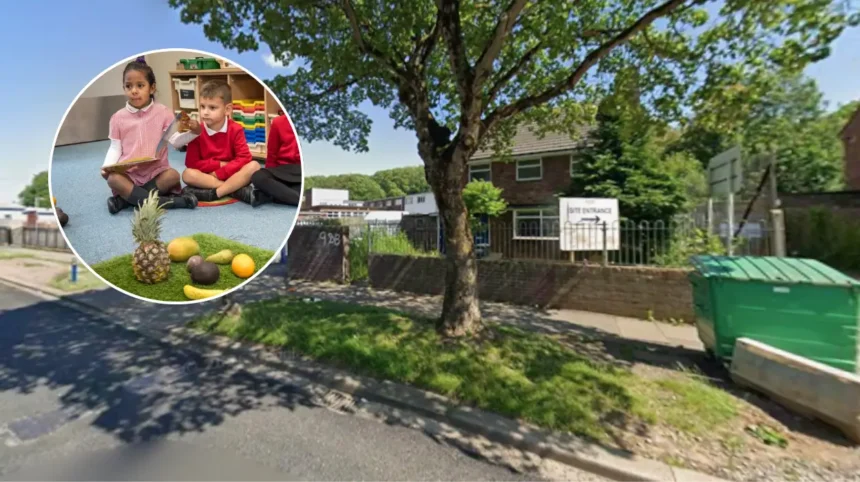
- Transformative Influence: There is an Oasis Academy in Bristol, called Longcross, which is making use of a national free fruits and vegetables program as a means to improve attendance, control the children’s moods, and change nutritional meals.
- Support for Special Educational Needs: The academy has a significant number of pupils with Education, Health and Care Plan (EHCP) and other special educational needs, for whom the fruits and vegetables are particularly helpful, especially for autistic children and those with sensory problems.
- Useful Emotional Control: They have found that just preparing and cutting fruits is very useful for the pupils who are emotionally challenged, enabling them to control their emotions and return back to the classroom.
- Improving Diet: ‘Fruity Fridays’ and exposure to new textures and flavours such as kiwi, apricots, pineapples, berries, and watermelon have enabled children with a restricted diet to expand their food consumption.
- Integrating into Curriculum: Produce obtained through the Tesco Free Fruit & Veg for Schools initiative in partnership with the British Nutrition Foundation is integrated into the teaching of mathematics, science, making soups, outdoor activities, and storytelling.
- Outreach: The school has ensured that the excess produce and food hampers are distributed to the neighbourhood homes experiencing food insecurity.
- National and Regional Scale: In the second year of the program, 90,000 portions of fruits and vegetables (more than 7,200 kg) were distributed to the schools in Bristol. Across the country, the program has distributed nearly 20 million portions of food to up to 186,000 children.
- Expansion of Reach: In its third year, the program will reach over 1,000 schools across the UK, primarily concentrating in areas with higher proportions of free school meal children.
Bristol (Bristol Express News) September 30, 2026 — A primary school situated on a housing estate on the outskirts of Bristol has integrated a national free fruit and vegetable initiative into its daily routine to enhance pupil attendance, assist children in managing their emotions, and revolutionise student nutrition.
As reported by Pete Gavan, Senior Editor of Bristol Live, staff at Oasis Academy Longcross state that the free food programme has turned into a ‘transformative’ component of their school community, delivering advantages extending far beyond fundamental nutrition. Operating as a comprehensive community hub, the academy incorporates a nursery, a special educational needs unit, a family hub, a health centre, and a primary school on a single site. Because the institution supports a substantial proportion of pupils requiring Education, Health and Care Plans (EHCPs) alongside specialized educational needs, teachers have noted that the fresh produce is particularly valuable for children dealing with autism and sensory processing requirements.
How is Free Fruit Being Used to Aid Pupil Behaviour and Emotional Regulation in Bristol?
For specific pupils within the academy, the routine task of preparing fruit has translated into a functional method for stabilizing emotions and easing transitions back into formal learning environments.
As reported by Pete Gavan of Bristol Live, Faye Bawden, the deputy head at Oasis Academy Longcross, stated that: “Using fruit to support behaviour and regulation can be really effective. We have one pupil who is struggling at the moment and he has been cutting fruit with Alison, who leads the programme here.” She further noted that:
“It gives us something positive and practical to offer when a child needs that extra bit of support before going back into the classroom.”
In addition to individual behavioral support, the school has introduced ‘Fruity Fridays’ specifically designed to encourage consistent attendance on targeted days of the week. Repeated exposure to unfamiliar textures and tastes is actively assisting children affected by sensory processing difficulties to conquer heavily restricted diets. Pupils have been introduced to a wider variety of produce, including kiwi fruits, apricots, pineapples, berries, and watermelon.
What Do Educators Say About the Nutritional and Curriculum Changes?
The inclusion of fresh produce has unlocked new avenues for teaching staff to connect nutrition with everyday learning experiences across multiple age groups.
As reported by Pete Gavan of Bristol Live, Rebecca Rollings, the special educational needs co-ordinator at the academy, explained:
“It has opened up huge opportunities to really broaden their diets and that has been one of the most powerful things.”
She added:
“We have children who came in eating very restricted diets, in some cases almost just crackers, who are now eating fruit much more widely. Parents can’t believe the change.”
The fresh items—supplied through the Tesco Free Fruit & Veg for Schools programme—are incorporated directly into cross-curricular activities. These range from soup-making and constructing fruit kebabs to practical applications in mathematics, science, and outdoor learning, where children cultivate their own strawberries and potatoes.
For younger year groups, the produce helps bring literature to life. Sylwia Luczyszyn, a Reception teacher at the academy, stated:
“In Early Years, we love bringing stories to life through hands-on experiences. Whether we’re exploring Handa’s Surprise by tasting and talking about different fruits, or creating exciting role-play opportunities, we help children step into the world of a story.”
Furthermore, the institution ensures that no food is wasted, distributing excess produce and structured food hampers to local households facing food insecurity.
Explore more Local Bristol News:
Bristol Clean Air Zone Fines Report Errors Spark Confusion Bristol 2026
Bristol City Council Approves Emergency Pero’s Bridge Repairs: City Centre 2026
What is the Broader Impact Across Bristol and the United Kingdom?
Oasis Academy Longcross forms part of a wider network of local educational institutions benefiting from the regional rollout. Throughout the second year of the programme, schools across Bristol collectively received upwards of 90,000 portions of fruit and vegetables, weighing a combined total in excess of 7,200kg. Apples emerged as the city’s most favored playground snack, accounting for roughly 28,500 portions, closely followed by satsumas at 13,000 portions and bananas at 12,000 portions.
Administered in collaboration with the British Nutrition Foundation, the national scheme has supplied nearly 20 million portions of fruit and vegetables to as many as 186,000 pupils across the United Kingdom over the past two years. A recent impact evaluation report indicates that 94% of surveyed teachers observed enhanced behavioral patterns among participating children, highlighting a sharper focus and increased energy levels within classrooms.
Now entering its third year of operation, the initiative is expanding its reach to support more than 1,000 schools, placing a heavy programmatic focus on geographic regions featuring high proportions of pupils eligible for free school meals.
Commenting on the national expansion, Claire de Silva, head of communities at Tesco, stated:
“Schools continue to tell us what a positive impact the programme has made on their children. But we can do more. That’s why in this academic year, we are extending the scheme even further to reach more children in the most challenged communities in the UK.”
Adding to this perspective, Elaine Hindal, chief executive of the British Nutrition Foundation, stated:
“We know that eating well can support children’s health, wellbeing and ability to learn, but that access to healthy food can be a challenge. We’re proud to work with Tesco on an initiative that is helping more children enjoy healthy foods and build positive eating habits that can last a lifetime.”
Background of the Particular Development
The expansion of the Free Fruit & Veg for Schools programme addresses long-standing nutritional inequalities and food access gaps within disadvantaged communities across the United Kingdom. Public health research has consistently shown that children from lower-income households or those with specific special educational needs often face structural barriers to consuming fresh produce, which can impact concentration, physical development, and academic performance.
By partnering major corporate supply chains—such as Tesco’s retail network—with educational expertise from the British Nutrition Foundation, the initiative bridges the gap between commercial surplus and community need. Programs like these have evolved from simple snack distributions into holistic interventions that target classroom behavior, attendance metrics, and curriculum enrichment, reflecting a growing recognition that nutritional support is foundational to modern educational welfare.
This ongoing development is anticipated to yield significant positive long-term outcomes for pupils, families, and educational staff, particularly within socio-economically challenged and special educational settings. For the targeted student audience—especially children with special educational needs, autism, and restricted diets—continued exposure to fresh produce is likely to foster healthier, lifelong eating habits while diminishing sensory aversion to varied foods.
By utilizing practical food-prep tasks for emotional regulation, teachers can expect a reduction in classroom disruptions and improved daily attendance figures, such as those targeted by ‘Fruity Fridays’. Furthermore, extending the scheme to over 1,000 schools nationally will alleviate financial burdens on households experiencing food insecurity, ensuring that vulnerable children receive consistent nutritional support that directly translates into improved classroom focus and academic engagement.