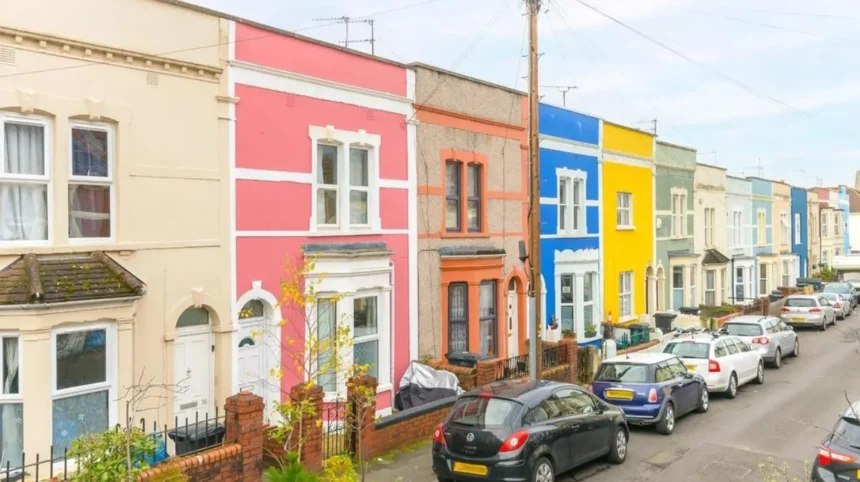
Bristol is one of the South West of England’s major cities, known for its universities, employment opportunities, cultural attractions and transport connections. However, rental costs vary considerably between neighbourhoods. Renters seeking affordable accommodation often compare areas such as Easton, Lawrence Hill, Hartcliffe, Southmead, Filwood and parts of Fishponds before deciding where to live.
- What makes an area affordable for renters in Bristol?
- Which areas are among the most affordable places to rent in Bristol?
- How much does it cost to rent in Bristol?
- Which affordable Bristol neighbourhoods suit students and young professionals?
- Which affordable Bristol areas are suitable for families?
- How do transport costs affect affordable renting in Bristol?
- What extra costs should renters budget for in Bristol?
- How much is council tax in Bristol?
- What tenancy deposits and upfront payments apply?
- How can renters reduce household bills?
- How can renters find affordable properties in Bristol?
- What mistakes should renters avoid when choosing a cheaper Bristol neighbourhood?
- What is the long-term outlook for affordable renting in Bristol?
- Where should you start your affordable Bristol rental search?
Finding the most affordable areas to rent in Bristol involves more than comparing advertised monthly prices. Property size, transport expenses, council tax, energy efficiency, access to employment and proximity to essential services all influence the total cost of living. A lower rent does not automatically produce the lowest overall household expenditure.
This guide explains Bristol’s rental market, identifies neighbourhoods worth investigating on a budget, and outlines the practical checks renters need before signing a tenancy agreement.
What makes an area affordable for renters in Bristol?
An affordable rental area in Bristol combines manageable monthly rent with reasonable transport costs, access to essential services and suitable housing. Renters should compare similar properties across neighbourhoods and calculate total monthly expenditure rather than choosing accommodation based on advertised rent alone.
Rental affordability describes the relationship between housing costs and household income. A property is more affordable when the rent leaves enough money for utilities, food, transport, council tax and other essential expenses.
Bristol’s rental market includes city-centre apartments, Victorian terraces, post-war housing estates, shared houses and suburban family homes. Each property type attracts different costs and household needs.
The city’s employment centres, universities and transport links influence demand. Areas near Bristol Temple Meads, the University of Bristol, major hospitals and central business districts attract renters who prioritise shorter journeys. Neighbourhoods farther from these destinations offer different housing options, although commuting expenses require careful consideration.
How should renters measure affordability?
Renters should assess three main factors:
- Monthly housing costs: Rent, council tax, utilities, internet and any permitted recurring property charges.
- Transport costs: Bus fares, rail tickets, cycling expenses, parking or vehicle ownership.
- Upfront costs: The first rent payment, tenancy deposit, moving expenses and essential furniture.
For example, a room in a shared house with a lower monthly rent can suit a single professional who works near the city centre. A larger property farther out can suit a family that needs additional bedrooms, provided commuting and household expenses remain manageable.
The commonly used 30% housing-cost benchmark compares housing expenditure with gross household income. It is a screening measure rather than a universal rule. Actual affordability depends on take-home pay, household size, debts and other essential expenses.
Why do rental prices differ across Bristol?
Property supply, demand, housing condition, transport accessibility and neighbourhood amenities all affect rents. Areas with strong student demand, convenient rail connections or proximity to major employers often attract more competition.
The age and type of housing also matter. A modern apartment with efficient heating has different running costs from an older terrace with poor insulation. A furnished room in a shared property differs substantially from an entire unfurnished house.
For reliable comparisons, renters should use recent listings for similar bedrooms, property conditions and tenancy arrangements. The Office for National Statistics provides private rental market statistics, while the UK government’s English Housing Survey supplies wider evidence about housing conditions and household expenditure.
Which areas are among the most affordable places to rent in Bristol?
Renters searching for lower-cost accommodation should investigate Hartcliffe, Filwood, Southmead, Lawrence Hill, Easton, Fishponds and parts of Kingswood near Bristol. These neighbourhoods offer different property types and commuting options, but actual affordability depends on current listings, bedroom count and housing condition.
Bristol does not have one permanently cheapest neighbourhood. Rents change with demand, property availability, room size and tenancy conditions. The areas below form a practical shortlist for renters to investigate rather than a definitive ranking based on unverified local averages.
1. Hartcliffe
Hartcliffe is a residential neighbourhood in south Bristol. Its housing includes family homes, terraced properties and post-war residential developments. Renters comparing whole properties should include Hartcliffe in their search, especially when they need more space than a central apartment provides.
Best suited to: Families, longer-term renters and households prioritising space over a central address.
Check before renting: Bus journey times, local shopping access, property insulation and the cost of commuting to central Bristol.
2. Filwood
Filwood is an established residential area in south Bristol, close to Knowle and other southern neighbourhoods. Its mix of residential streets and community facilities makes it worth comparing for renters who want to remain within the Bristol urban area without prioritising the city centre.
Best suited to: Budget-conscious households, couples and renters seeking a residential setting.
Check before renting: The distance to the workplace, public transport frequency, property maintenance and the availability of nearby services.
3. Southmead
Southmead is a residential neighbourhood in north Bristol, associated with Southmead Hospital and surrounding housing. The area is relevant to healthcare workers, families and people looking for accommodation outside the central rental market.
Best suited to: Hospital staff, families and renters working in north Bristol.
Check before renting: Walking or cycling access to work, bus connections, household running costs and the condition of individual properties.
4. Lawrence Hill
Lawrence Hill is an inner-city area east of Bristol’s centre. It has residential streets, local shops and transport connections, including Lawrence Hill railway station. Its location makes it worth comparing for renters who want to reduce commuting time without automatically choosing a central postcode.
Best suited to: City-centre workers, commuters and people who rely on public transport.
Check before renting: Noise levels, road access, the condition of older housing and the actual price of comparable properties.
5. Easton
Easton is an established inner-east Bristol neighbourhood known for its residential streets, independent businesses and community facilities. Its position gives residents access to central Bristol and nearby employment areas. Shared housing offers another route for single renters to manage monthly costs.
Best suited to: Young professionals, couples, sharers and people seeking an established urban neighbourhood.
Check before renting: Competition for suitable rooms, street-by-street noise, storage, heating efficiency and the distance to regular destinations.
6. Fishponds
Fishponds is a residential area in east Bristol with a high street, everyday amenities and bus connections. Housing options include terraces and larger homes. Its established local centre can help renters manage routine shopping without travelling into central Bristol.
Best suited to: Families, couples, students and professionals travelling around east Bristol.
Check before renting: The specific bus route, peak-hour journey time, parking arrangements and whether a property needs additional heating or maintenance.
7. Kingswood
Kingswood is an established urban area east of Bristol, with residential streets and a local shopping centre. Some renters include it in a Bristol-area search because its location offers an alternative to neighbourhoods closer to the centre.
Best suited to: Families, couples and commuters with destinations in east Bristol or South Gloucestershire.
Check before renting: The exact address, transport connections, local authority boundaries and whether the commute remains economical.
These neighbourhoods should be compared using current listings rather than assumptions about price. A well-maintained property in a traditionally lower-cost area can command more rent than a smaller or less efficient property elsewhere.
How much does it cost to rent in Bristol?
The Office for National Statistics reported an average private rent of £1,883 per month in Bristol in August 2026. The average covered different property sizes and types, so renters should compare individual homes with similar bedroom counts and tenancy arrangements.
The figures show why household size matters. A couple sharing a two-bedroom property divides the rent differently from a single renter paying for a one-bedroom flat. A household needing four bedrooms also faces a different affordability threshold.
How do property types affect rental costs?
The ONS also reported average Bristol rents by property type in August 2026:
- Flats and maisonettes: £1,508 per month.
- Terraced houses: £2,008 per month.
- Semi-detached houses: £2,091 per month.
- Detached houses: £2,106 per month.
These are citywide averages, not direct comparisons between identical properties. The figures reflect differences in size, location and housing characteristics. They should not be used to conclude that every flat is cheaper than every house.
For a more accurate search, filter rental listings by bedroom count, furnishing, property type and maximum monthly rent. Then compare the resulting properties in Hartcliffe, Filwood, Southmead, Lawrence Hill, Easton and Fishponds.
Why should renters check the date of rental statistics?
Rental markets change as new properties enter the market and existing tenancies continue. Official statistics also use defined measurement methods, which differ from advertised asking rents on property websites.
The ONS Price Index of Private Rents measures rents across new and existing private tenancies. Advertised listings, by contrast, describe properties currently being marketed and can reflect a different group of homes.
Renters should record the date of each listing and confirm the final agreed rent with the landlord or letting agent. Historical averages help explain market conditions, but a live property search determines the options actually available.
Which affordable Bristol neighbourhoods suit students and young professionals?
Students and young professionals can compare Easton, Lawrence Hill, Fishponds and Southmead according to university access, employment location and shared-housing availability. The best choice depends on total living costs, transport reliability, room quality and whether the tenancy includes utilities.
Bristol has two major universities: the University of Bristol and the University of the West of England (UWE Bristol). Their campuses and student accommodation locations influence housing demand across different parts of the city.
Students attending the University of Bristol should compare the cost of living near their campus with the cost of travelling from outer neighbourhoods. UWE Bristol students should identify their actual teaching location because the university operates across different sites.
Where should students look for shared accommodation?
Shared accommodation allows several tenants to divide the rent and, where agreed, some household bills. Easton and Fishponds are worth comparing for students who want residential neighbourhoods with local amenities. Lawrence Hill is another option for people prioritising access to inner Bristol.
Before committing to a shared house, students should check whether the advertised price is per room or for the entire property. They should also establish whether the landlord provides a suitable tenancy agreement, whether bills are included and whether the property requires a licence.
Students living in houses in multiple occupation, commonly called HMOs, should check the applicable licensing requirements. An HMO generally houses at least three people from more than one household who share facilities such as a kitchen or bathroom. Mandatory licensing generally applies to larger HMOs with five or more occupants from more than one household, subject to the statutory criteria. Bristol City Council also operates local licensing schemes, so requirements depend on the property and its location.
Which areas work for young professionals?
Young professionals should balance rent against the cost and duration of commuting. Lawrence Hill and Easton offer inner-city locations, while Southmead and Fishponds are worth investigating for jobs in north and east Bristol.
People working shifts at hospitals, industrial sites or offices outside the centre should check early-morning and late-evening transport. A property close to a frequent bus route can reduce dependence on a car, but the actual route and timetable matter more than the neighbourhood name.
Which affordable Bristol areas are suitable for families?
Families looking for affordable rental homes should compare Hartcliffe, Filwood, Southmead, Fishponds and Kingswood for bedroom availability, schools, parks, transport and everyday services. The right neighbourhood depends on household needs, school arrangements and the complete monthly cost of housing.
Families often need more space than single renters, which makes the total rent for a two- or three-bedroom home particularly important. A larger property farther from the centre can provide better value when its additional commuting costs remain manageable.
Hartcliffe and Filwood are useful starting points for searches in south Bristol. Southmead offers a north Bristol alternative, while Fishponds and Kingswood provide options for households considering the eastern side of the urban area.
What should families check before renting?
Families should investigate school admissions, childcare availability, healthcare access, parks and safe walking routes before signing a tenancy. School catchment assumptions should never replace confirmation with the relevant admission authority.
Property inspections should include bedroom dimensions, damp and mould, heating controls, ventilation, storage, garden maintenance and window condition. Families should also check whether the rent includes white goods and whether the property is furnished.
The local environment is important, but individual streets differ. Visit the property at different times of day and assess traffic, noise, lighting and the distance to regular destinations.
How do transport costs affect affordable renting in Bristol?
Transport costs can change which Bristol neighbourhood offers the best overall value. Renters should compare monthly rent with bus or rail fares, walking distance, cycling routes, parking and commuting time before deciding whether a cheaper property outside the centre reduces their total expenditure.
Bristol’s transport network includes buses, suburban rail services and major road connections. However, public transport convenience varies by address and destination.
Lawrence Hill has a railway station, making it a useful location to investigate for suitable rail journeys. Easton, Fishponds, Hartcliffe, Filwood and Southmead rely more heavily on individual bus routes and other local connections for many journeys.
How can renters calculate their commuting costs?
Consider a hypothetical renter who finds a property costing £100 less per month than a comparable alternative. If the cheaper property requires an additional £30 each week in commuting costs, the saving disappears.
The calculation is straightforward:
- Monthly rent saving: £100.
- Additional transport cost over an average month: approximately £130.
- Net monthly difference: approximately £30 more expensive overall.
This example is illustrative, not a statement about actual Bristol fares. Renters should substitute current ticket prices and their expected travel frequency.
Cycling and walking can reduce regular travel expenses when the route, weather, distance and personal circumstances make them practical. Check cycle storage, secure parking and access to safe routes before choosing a property on that basis.
Should renters choose a home near the city centre?
A central location can reduce some journeys and provide access to employment, education, shopping and entertainment. However, a higher rent can outweigh those savings for people who work remotely or commute infrequently.
Renters working from home should also consider broadband availability, heating costs, noise and whether the property offers enough space for a dedicated workspace. Someone travelling to an office five days a week will calculate value differently from someone who commutes twice a month.
What extra costs should renters budget for in Bristol?
Affordable renting requires a budget covering more than monthly rent. Council tax, energy, water, broadband, transport and moving expenses all affect the final cost. Renters should confirm which bills are included, identify applicable discounts and calculate their expected monthly expenditure.
A practical rental budget separates fixed costs from variable expenses. Fixed costs include the contracted rent and some regular household bills. Variable expenses include energy consumption, travel and other household spending.
How much is council tax in Bristol?
Bristol City Council sets council tax charges according to the property’s band and the applicable financial year. For 2026–27, the published annual charge for Band A is £1,809.12, while Band D is £2,713.68.
Council tax bands are based on the property’s assessed value on 1 April 1991 in England. Renters should check the band’s charge rather than assuming all homes in a neighbourhood have the same bill.
Eligibility for a discount or exemption depends on the circumstances of the household. For example, qualifying full-time students are generally disregarded when council tax liability is calculated, and a property occupied exclusively by eligible students is normally exempt. Households should confirm their circumstances directly with Bristol City Council.
What tenancy deposits and upfront payments apply?
Renters in England generally pay a tenancy deposit and rent in advance. Under the Tenant Fees Act 2019, a tenancy deposit is usually capped at five weeks’ rent where annual rent is below £50,000, or six weeks’ rent where annual rent is £50,000 or more. Statutory exceptions and other rules apply.
For a qualifying assured shorthold tenancy, the landlord must protect the deposit in a government-authorised tenancy deposit protection scheme and provide the required information within the legal deadline.
Before paying, request a written breakdown of the initial charges. Confirm the deposit amount, first rent payment, tenancy start date, inventory arrangements and the applicable deposit protection scheme. Avoid sending money before verifying the property and the identity of the person receiving payment.
How can renters reduce household bills?
Energy efficiency influences the cost of keeping a home warm. Renters should check the property’s Energy Performance Certificate (EPC), heating system, insulation, window condition and hot-water controls.
A lower-rent home with inefficient heating can cost more to occupy than a better-insulated property with a slightly higher rent. Ask the landlord or agent about typical utility costs, while recognising that actual bills depend on household size, energy prices and usage.
Shared accommodation can also reduce individual expenses when rent and utilities are properly divided. The tenancy agreement should explain who pays each bill and how responsibility is shared.
How can renters find affordable properties in Bristol?
Renters can find affordable Bristol properties by setting a realistic budget, comparing current listings across several neighbourhoods and checking property conditions before arranging viewings. Official housing statistics establish market context, while letting agents and rental platforms show the properties currently available.
A structured search reduces the risk of choosing a property that appears affordable but creates additional costs.
Which resources should renters use?
The following resources help renters compare housing costs and understand their responsibilities.
- Office for National Statistics: Use the Bristol housing prices and rents dashboard to review official rental trends and average prices by property size.
- Bristol City Council: Check council tax bands and charges and investigate applicable housing and property licensing requirements.
- GOV.UK: Read the official guidance on renting a property, including tenancy responsibilities, deposits and landlord obligations.
- Rightmove: Search Bristol rental properties and filter by maximum rent, bedroom count and property type.
- Zoopla: Browse properties to rent in Bristol to compare available homes and advertised prices.
Availability changes frequently. Compare several listings, record the date and ask the agent to confirm that the property is still available.
What should renters inspect during a viewing?
A viewing should establish whether the property is suitable for everyday living and whether the advertised costs are complete.
Check for damp, mould, damaged windows, poor ventilation, inadequate heating, plumbing problems and signs of neglected maintenance. Test the taps, inspect the bathroom and kitchen, and ask about the age and condition of major appliances.
Confirm the tenancy length, rent payment schedule, deposit arrangements, notice provisions and responsibility for repairs. Request written confirmation of any promised work before signing.
Renters should also investigate the street and immediate surroundings. Visit during the day and evening when practical, assess transport access and check the journey to work, university or school.
What mistakes should renters avoid when choosing a cheaper Bristol neighbourhood?
The most common rental mistakes involve comparing dissimilar properties, overlooking household bills, underestimating commuting costs and paying money before verifying a landlord or agent. A careful comparison of total expenditure, property condition and tenancy terms helps renters avoid false savings.
A low advertised rent is only useful when the property meets the household’s needs and the full cost remains manageable.
Which rental mistakes affect affordability?
The following mistakes deserve particular attention:
- Comparing a room in a shared house with the rent for an entire flat.
- Choosing a property without checking council tax and utility responsibilities.
- Assuming a neighbourhood’s reputation guarantees that every property is inexpensive.
- Ignoring damp, poor insulation or expensive heating systems.
- Accepting a long commute without calculating the additional transport cost.
- Paying a deposit before checking the property, tenancy terms and recipient’s identity.
Renters should also avoid relying on old rental averages as proof of current prices. Official statistics describe market conditions over a defined period, while advertised prices reflect available properties at a particular time.
How can renters compare two properties fairly?
Use the same assessment for both properties. Compare monthly rent, council tax, expected utilities, commuting costs and one-off expenses. Then assess bedrooms, floor space, furnishing, property condition and location.
For example, a property with slightly higher rent but better insulation and a shorter commute can deliver lower overall expenditure. A cheaper property with poor transport access can produce the opposite result.
The final decision should reflect the household’s actual budget and priorities, not rent alone.
Explore More Area Guide
Cheapest Areas to Live in Bristol: Affordable Neighbourhoods
Cost of Living in Bristol for Families | 2026 Guide
What is the long-term outlook for affordable renting in Bristol?
Bristol’s rental affordability depends on the relationship between housing supply, household incomes, property demand and the cost of maintaining homes. Renters should monitor official statistics and current listings regularly because citywide averages and neighbourhood-level availability change over time.
The ONS reported that average private rent in Bristol reached £1,883 per month in August 2026, representing a 5.9% annual increase from £1,778 in August 2025.
Housing demand reflects employment opportunities, university enrolment, household formation and population movement. Supply depends on existing housing, new construction, property conversions and homes entering or leaving the private rental market.
These factors influence different neighbourhoods in different ways. Areas with good transport access and established amenities attract interest from renters with varying budgets. Housing condition and property size also affect how individual listings compare with the wider market.
Long-term affordability requires more than finding the cheapest available home today. Renters benefit from choosing a sustainable monthly payment, understanding their tenancy rights and allowing room in their budgets for bills and unexpected expenses.
Where should you start your affordable Bristol rental search?
The most affordable areas to rent in Bristol depend on property type, household size, commuting needs and current availability. Hartcliffe, Filwood, Southmead, Lawrence Hill, Easton, Fishponds and Kingswood are useful neighbourhoods to investigate when searching beyond Bristol’s most central locations.
Students and young professionals should compare shared housing, transport links and access to work or university. Families should prioritise suitable bedrooms, schools, parks and household running costs. Every renter should compare the complete monthly budget rather than relying on advertised rent alone.
Start with the latest ONS rental figures, shortlist properties within a realistic budget and compare similar homes across several neighbourhoods. Verify the tenancy terms, inspect each property and confirm all additional costs before committing.
What are the most affordable areas to rent in Bristol?
Hartcliffe, Filwood, Southmead, Lawrence Hill, Easton, Fishponds and Kingswood are worth investigating for affordable rental properties. Actual rents depend on property size, condition, location and current availability.