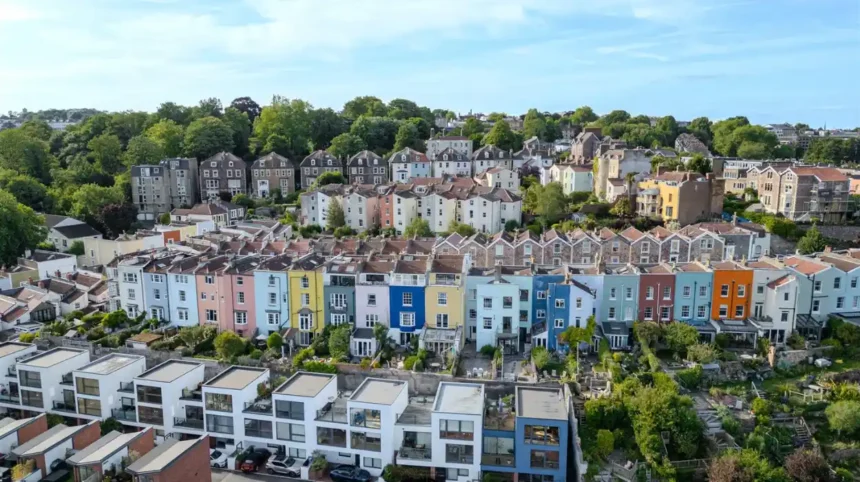
Family homes in Bristol include terraced houses, semi-detached properties, detached houses, maisonettes and larger apartments designed for households with children or multiple generations. The city offers different housing options across its central neighbourhoods, suburban communities and surrounding residential areas. Choosing a family home involves assessing property prices, bedroom requirements, school access, transport links, outdoor space, healthcare facilities and everyday living costs.
- What Defines a Family Home in Bristol?
- How Has Bristol’s Family Housing Market Developed?
- Which Bristol Neighbourhoods Offer Different Family Housing Options?
- What Types of Family Houses Are Available in Bristol?
- How Much Does It Cost to Buy a Family Home in Bristol?
- What Should Families Know About Renting a Home in Bristol?
- How Do Schools Influence the Choice of a Family Home?
- Which Transport Links Matter When Choosing a Family Home?
- What Outdoor Spaces and Local Amenities Support Family Life in Bristol?
- What Should Families Check Before Buying an Older Bristol House?
- How Can Families Make a Bristol Home More Energy Efficient?
- How Do Families Choose Between Buying and Renting in Bristol?
- What Future Housing Trends Will Affect Family Homes in Bristol?
- How Can Families Find a Suitable Home in Bristol?
Bristol is a major city in South West England. It has a diverse housing market shaped by its industrial history, expanding employment sectors, universities and connections to other parts of the United Kingdom. Families looking to buy or rent property encounter a mixture of historic homes, post-war housing estates, modern developments and newly built residential communities.
The right family home depends on household size, budget, commuting arrangements and long-term housing needs. Understanding Bristol’s residential geography helps buyers and renters compare locations using practical criteria rather than relying on property size or advertised prices alone.
What Defines a Family Home in Bristol?
A family home in Bristol is a residential property that provides suitable living space, bedrooms, storage and access to essential services for a household. It includes traditional terraced houses, semi-detached properties, detached homes, maisonettes and family-sized apartments across the city’s residential neighbourhoods.
A family home does not have a single legal definition based on bedroom numbers. A two-bedroom property suits some couples with one child, while larger households often require three or four bedrooms. Families also assess shared living areas, bathroom facilities, garden access, storage and the potential to adapt rooms as children grow.
The local housing market includes homes built in different periods. Georgian and Victorian properties appear in established neighbourhoods, while post-war developments and contemporary housing schemes provide alternative layouts. Some historic houses feature high ceilings, narrow staircases and separate reception rooms. Newer properties often prioritise open-plan kitchens, insulation and integrated storage.
Property suitability also depends on household routines. Parents working from home require space for desks or separate offices. Families with young children often prioritise enclosed gardens, nearby parks and safe pedestrian routes. Households with older relatives assess ground-floor bedrooms, accessible bathrooms and step-free entrances.
How Has Bristol’s Family Housing Market Developed?
Bristol’s family housing market developed through centuries of trade, industrial expansion, suburban growth and modern regeneration. These changes created a varied residential landscape containing historic terraces, Victorian suburbs, post-war estates and contemporary developments serving households with different budgets and space requirements.
Bristol grew as a port and commercial centre. Maritime trade and industrial employment supported population growth and the expansion of residential neighbourhoods. During the Victorian period, housing spread beyond the historic centre, creating terraces and larger homes for workers, professionals and established families.
The nineteenth-century expansion remains visible in neighbourhoods such as Clifton, Redland and Bedminster. Property architecture varies between these areas, reflecting differences in development periods, topography and historic land use. Some larger period houses were later divided into flats, while other properties remain family houses.
The twentieth century brought further suburban development. Improved roads, public transport and changing household expectations supported residential growth beyond the older urban core. Post-war housing estates introduced additional family accommodation, including semi-detached houses and properties with gardens.
Contemporary development focuses on a combination of brownfield regeneration, new residential construction and redevelopment around transport corridors. Former industrial and commercial sites have been adapted for housing in parts of the city. These projects add different property types, although availability, affordability and infrastructure vary between locations.
Bristol’s historic development explains why family homes differ substantially in layout, condition and price. Buyers comparing properties need to consider building age, maintenance requirements, energy performance and the costs associated with modernising older buildings.
Which Bristol Neighbourhoods Offer Different Family Housing Options?
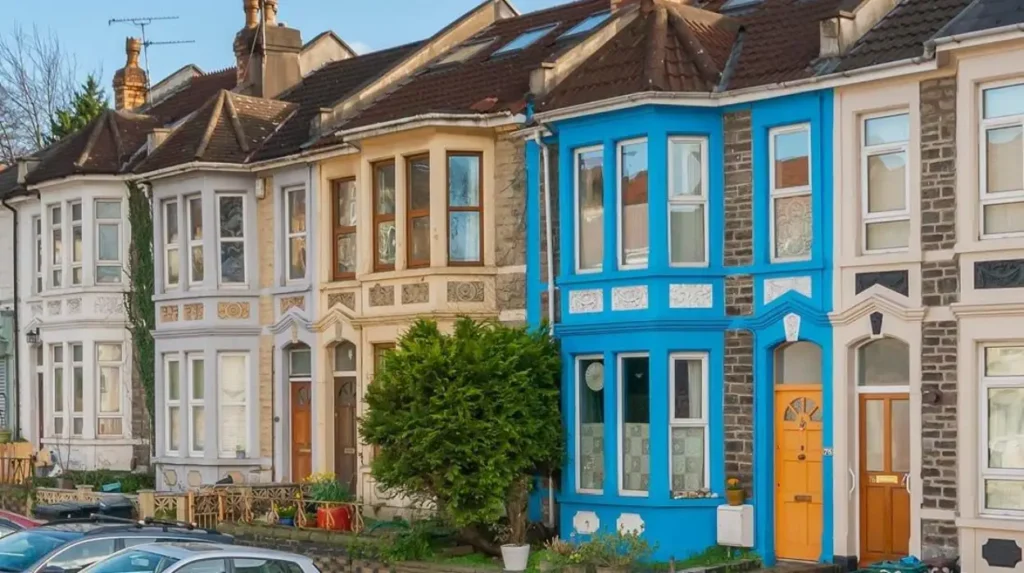
Bristol’s residential neighbourhoods offer different combinations of property size, outdoor space, transport access and local amenities. Areas such as Westbury-on-Trym, Henleaze, Bishopston, Bedminster, Southville and Brislington contain distinct housing types, allowing households to compare established suburbs with inner-city residential locations.
Westbury-on-Trym has a mixture of period houses, family-sized properties and residential streets connected to local shops and community facilities. Its suburban setting attracts households seeking established residential surroundings while retaining access to wider Bristol.
Henleaze contains detached houses, semi-detached homes and other established residential properties. Local shopping facilities and green spaces contribute to its residential character. Buyers should compare property condition, garden size and transport connections across individual streets.
Bishopston offers Victorian and Edwardian terraces alongside converted flats and some larger houses. Gloucester Road provides access to independent shops, food outlets and services. Families considering this area should examine bedroom sizes, parking arrangements and the maintenance requirements of older properties.
Southville combines traditional terraced housing with renovated properties and newer developments in parts of the wider area. Its connections to central Bristol make it relevant for households commuting into the city. Property layouts and outdoor space vary significantly from one street to another.
Bedminster provides a mixture of traditional terraces, apartments and newer housing. Its railway connections, bus services and local commercial areas support access to employment and everyday services. Buyers should assess noise, parking and traffic conditions at the specific property.
Brislington contains established residential streets, family houses and newer developments. Its location provides road connections towards central Bristol and the surrounding region. Families comparing homes here should assess their usual commuting route, public transport availability and access to schools.
Clifton and Redland include substantial period housing and converted apartments, with property costs influenced by location, building character and demand. These areas offer access to cultural facilities and established amenities, but some homes have limited gardens, restricted parking or layouts that require adaptation for family life.
No neighbourhood provides the same experience for every household. A property viewing should include the surrounding street, nearby pedestrian routes, local services and transport stops. Families should also inspect school admissions information instead of assuming that living close to a school guarantees a place.
What Types of Family Houses Are Available in Bristol?
Bristol’s family housing stock includes terraced, semi-detached, detached and purpose-built residential properties. Each type offers different combinations of purchase cost, indoor space, privacy, garden access and maintenance responsibility, making property structure an important factor in household budgeting and long-term suitability.
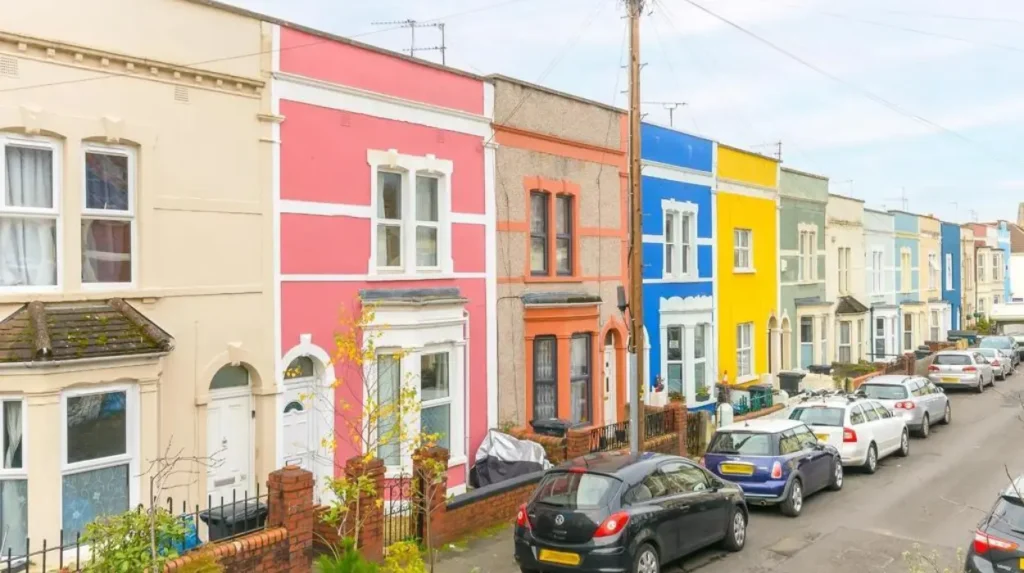
Terraced houses share side walls with neighbouring properties. Victorian and Edwardian terraces are common in established Bristol neighbourhoods. These houses often provide separate reception rooms and compact gardens, although bedroom sizes, insulation and storage vary by building.
Semi-detached houses share one main wall with an adjoining property. They often offer more side access and garden space than comparable terraces. Families frequently assess these properties for their combination of indoor space and manageable outdoor areas.
Detached houses stand separately from neighbouring buildings. They often provide additional privacy, larger gardens and more flexible layouts. Their purchase prices, energy bills and maintenance expenses depend on location, age, size and condition.
Purpose-built apartments and maisonettes provide alternatives for families who prioritise lower exterior maintenance or access to central locations. A maisonette is a self-contained home arranged across one or more floors within a larger building. Families choosing apartments should review service charges, communal maintenance arrangements, storage, lift access and private outdoor space.
New-build homes introduce contemporary layouts, modern building systems and energy-efficiency features. However, buyers should inspect the developer’s specifications, warranty arrangements, estate management charges and the availability of completed infrastructure.
The number of bedrooms alone does not determine suitability. A three-bedroom house with small bedrooms and limited storage can function differently from a well-designed two-bedroom home with flexible living space. Families should assess floor plans and furniture arrangements before making a decision.
How Much Does It Cost to Buy a Family Home in Bristol?
The cost of buying a family home in Bristol depends on property type, location, condition, bedroom count and market conditions at the time of purchase. Buyers should compare current sold prices, asking prices and local property data before setting a realistic budget for a house or family-sized apartment.
The Office for National Statistics publishes local housing-price data through its housing statistics resources. HM Land Registry also provides recorded residential sale prices through its Price Paid Data service. These sources help buyers distinguish completed transactions from asking prices advertised by estate agents.
Property values vary between Bristol neighbourhoods. Larger detached houses and substantial period properties typically occupy different price categories from compact terraces and apartments. Homes requiring renovation also involve additional expenditure beyond the purchase price.
Buyers should budget for the deposit, mortgage costs, conveyancing, property surveys, moving expenses and any applicable Stamp Duty Land Tax. The tax payable depends on the property’s price, the buyer’s circumstances and the rules in force at completion.
A building survey is particularly useful for older homes. Surveyors assess visible defects and identify concerns requiring further investigation. Roof repairs, damp treatment, outdated electrical systems and structural work can materially change the total cost of ownership.
Mortgage affordability also depends on income, existing debts, credit history, interest rates and lender criteria. A mortgage agreement in principle helps establish an indicative borrowing range, but it does not guarantee final mortgage approval.
Buyers should compare total monthly housing costs rather than the mortgage payment alone. Council tax, buildings insurance, maintenance, heating, transport and childcare all affect the amount a household has available after essential expenses.
What Should Families Know About Renting a Home in Bristol?
Renting a family home in Bristol requires comparing monthly rent, deposit requirements, tenancy terms, property condition and access to essential services. Families should review the full cost of the tenancy and confirm their legal responsibilities before signing an agreement or paying money to a landlord.
Rental properties include houses, flats and maisonettes with different bedroom arrangements. Three-bedroom houses suit some families with children, while larger households often need additional bedrooms or flexible living areas. The available stock changes with location and market demand.
Advertised rent does not represent the entire cost of renting. Households should budget for energy, water, council tax where applicable, broadband and transport. The tenancy agreement identifies which costs the landlord or tenant must cover.
Before committing, renters should inspect heating systems, windows, plumbing, ventilation, kitchen equipment and bathroom facilities. Families should document existing damage and keep copies of the inventory and property condition records.
Tenants in England have statutory protections concerning deposits, property standards and landlord responsibilities. Deposit protection requirements apply to qualifying assured shorthold tenancies under the relevant rules. Tenants should check current government guidance because housing legislation and tenancy arrangements can change.
Families should also consider the length of the tenancy and the likelihood of needing additional space. A short-term rental can provide flexibility while households evaluate schools, commuting routes and neighbourhood services. A longer tenancy offers greater continuity when the property meets the family’s foreseeable needs.
How Do Schools Influence the Choice of a Family Home?
School access influences family housing decisions because travel time, admissions rules and educational provision affect daily routines. Bristol families should check the relevant school’s admissions arrangements, published catchment information where applicable, transport routes and available places before choosing a property based on its proximity to a school.
Bristol City Council provides information about local schools and the admissions process. Families should use the council’s official resources to identify primary schools, secondary schools and application deadlines relevant to their circumstances.
Living near a school does not automatically guarantee admission. Oversubscription criteria differ between schools, and some admissions arrangements consider defined catchment areas, siblings, distance or other published criteria. Parents should read the current policy for each school they consider.
School travel also affects household schedules. Walking routes, road crossings, bus services and cycling infrastructure influence the time required for the school run. Families with children attending different schools should calculate both journeys rather than assessing one destination in isolation.
Older children often require more independent travel. Proximity to public transport and safe walking routes becomes increasingly relevant when pupils travel to secondary school, sports facilities or extracurricular activities.
Families should examine the wider educational environment too. Libraries, sports clubs, music facilities and community activities provide additional opportunities outside the school day. Their availability varies between neighbourhoods.
A property decision should not rely on school reputation alone. Parents need to balance admissions eligibility, the child’s needs, travel time, household finances and the practical suitability of the home.
Which Transport Links Matter When Choosing a Family Home?
Transport access determines how easily a family reaches work, schools, healthcare, shopping and leisure facilities from its home. Bristol households should compare local bus services, railway stations, road connections, cycling routes and walking distances against their actual daily journeys before choosing a residential location.
Bristol has an extensive network of bus routes connecting residential areas with the city centre and surrounding communities. Service frequency and journey duration vary by route and time of day. Families should check current timetables and assess the reliability of the services they expect to use.
Railway stations provide connections to destinations within Bristol and beyond. Stations such as Bristol Temple Meads and Clifton Down serve different travel needs, while other stations support journeys from particular neighbourhoods and surrounding communities. The closest station is not always the most practical option because walking routes and service frequency also matter.
Road access is important for households travelling by car, especially those working outside central Bristol or coordinating school, childcare and work journeys. However, congestion, parking availability and the cost of running a vehicle affect the practical value of a property’s location.
Cycling and walking can reduce dependence on car journeys when destinations are nearby and routes are suitable. Families should inspect crossings, pavement conditions, cycle infrastructure and lighting on the routes they intend to use.
The West of England Combined Authority and local transport authorities publish information about transport planning and public services. National Rail and individual transport operators provide current journey and timetable information.
A useful comparison records actual door-to-door journey times during the hours a family travels. This approach gives a more accurate picture than measuring straight-line distance between a house and a destination.
What Outdoor Spaces and Local Amenities Support Family Life in Bristol?
Outdoor spaces and local amenities support family routines by providing places for exercise, recreation, shopping and community participation. Bristol families should assess parks, playgrounds, libraries, healthcare facilities, supermarkets and community centres alongside the property’s internal layout and monthly housing costs.
Bristol has public parks, green spaces and recreational facilities distributed across the city. Ashton Court Estate, for example, provides extensive open space on the city’s western side. Families also use neighbourhood parks and playgrounds for shorter visits close to home.
Access to outdoor space matters differently at each household stage. Families with toddlers often prioritise nearby playgrounds and manageable walking routes. Households with older children often consider sports facilities, cycle routes and places for organised activities.
A private garden provides space for outdoor play, gardening and family activities. However, gardens require maintenance and vary in usability. Buyers should assess sunlight, drainage, boundary conditions, access and the amount of level ground available.
Local amenities also influence everyday convenience. A nearby supermarket reduces the time required for grocery shopping, while pharmacies, GP practices and dental services support routine healthcare needs. Registration availability and appointment arrangements should be checked directly with providers.
Libraries and community centres offer access to books, learning activities, public services and organised events. Their programmes and opening times differ by location. Families should confirm current details before relying on a particular facility.
Noise, traffic and pedestrian safety are also relevant. Visiting a neighbourhood at different times of day helps households assess traffic levels, parking pressure, evening activity and the practical conditions around the property.
What Should Families Check Before Buying an Older Bristol House?
Families buying an older Bristol house should inspect its structure, roof, damp protection, insulation, electrical systems, plumbing and energy performance. A suitable survey helps identify defects, estimate repair costs and clarify whether renovation work fits the household’s budget and intended occupation date.
Older properties provide a significant part of Bristol’s architectural character. Victorian and Edwardian houses often contain traditional construction materials and layouts that differ from modern building standards. Their condition depends on maintenance history, previous alterations and exposure to weather.
A surveyor should assess visible structural movement, roof condition, drainage and evidence of moisture. Buyers should investigate serious defects before exchanging contracts. Specialist inspections are appropriate when the initial survey identifies concerns involving timber, electrics, roofing or structural elements.
Energy efficiency is another important consideration. Older windows, uninsulated roofs and inefficient heating systems can increase energy consumption. Buyers should examine the property’s Energy Performance Certificate, which records its energy-efficiency rating and provides recommendations for improvements.
Renovation costs extend beyond materials. Households should account for professional fees, building control requirements, planning permission where applicable and temporary accommodation if work prevents normal occupation. Alterations to listed buildings require particular care because additional consent rules apply.
The presence of a garden, loft or extension opportunity does not guarantee permission to develop it. Planning rules, permitted development rights, conservation-area restrictions and building regulations affect what owners can change.
Buyers should request available records of previous work and warranties. Clear documentation helps establish whether alterations were completed appropriately and identifies maintenance responsibilities that require attention after purchase.
How Can Families Make a Bristol Home More Energy Efficient?
Families can improve a home’s energy efficiency through suitable insulation, draught reduction, efficient heating controls and properly maintained windows and doors. The most appropriate measures depend on the property’s construction, current energy performance, heating system and the cost of installation.
The first step is reviewing the Energy Performance Certificate and identifying the improvements recommended for the property. An EPC provides information about energy efficiency and estimated running costs under standard assessment conditions. Actual household bills depend on energy prices, occupancy and usage.
Loft insulation reduces heat loss through the roof when installed appropriately. Cavity-wall insulation suits qualifying cavity-wall construction, while solid-wall properties require different solutions. A qualified professional should assess building suitability before insulation work begins.
Draught-proofing around suitable windows, doors and other openings helps reduce unwanted air leakage. However, homes need adequate ventilation to manage moisture and maintain indoor air quality. Measures should not block required ventilation or compromise combustion safety.
Heating controls allow occupants to manage temperatures and schedules more effectively. Programmable thermostats and thermostatic radiator valves provide control over heating periods and individual rooms when compatible with the installed system.
Window replacement is not automatically the first or most cost-effective improvement. The condition of existing windows, building type and other sources of heat loss determine the appropriate approach. Listed properties and homes in conservation areas require additional consideration before external changes.
Government energy-efficiency guidance and qualified installers provide information about suitable improvements. Families should compare installation costs, expected performance, available grants and maintenance requirements before committing to major work.
How Do Families Choose Between Buying and Renting in Bristol?
The choice between buying and renting a family home in Bristol depends on available savings, income stability, expected length of residence and responsibility for maintenance. Buying builds ownership over time but requires substantial upfront costs, while renting generally offers greater flexibility and fewer direct repair obligations.
Buying suits households with a deposit, suitable mortgage eligibility and a plan to remain in the property long enough to justify transaction costs. Owners gain control over many aspects of the home, subject to planning, leasehold and other legal restrictions.
Homeownership also transfers maintenance responsibility to the owner. Roof repairs, heating replacements, building insurance and unexpected structural problems can create significant expenses. A separate emergency fund helps manage these costs without disrupting essential household spending.
Renting is often appropriate when employment, school arrangements or family size remain uncertain. It avoids the need to fund a property purchase immediately and allows households to move when tenancy terms permit.
However, renting provides less control over long-term occupancy and property alterations. Rent increases, tenancy conditions and the availability of suitable homes affect household planning. Families should understand the current tenancy rules and the terms of their agreement.
A fair comparison considers total costs over a realistic period. Buyers should include mortgage interest, maintenance, insurance, taxes and purchase or sale expenses. Renters should include rent changes, deposits, moving costs and the costs of furnishing or adapting the property.
The decision should reflect household circumstances rather than a general assumption that buying is always cheaper than renting. A detailed budget and realistic assessment of future needs provide a more reliable basis for choosing.
Explore More Area Guide
Affordable Homes in Bristol: Buying & Renting Guide 2026
Luxury Homes in Bristol: Areas, Prices and Buying Guide
What Future Housing Trends Will Affect Family Homes in Bristol?
Future family housing in Bristol will be influenced by affordability, population needs, new construction, energy standards and transport infrastructure. Changes in planning policy and housing delivery will affect the supply, location and design of homes, while household budgets will continue to shape demand for different property sizes.
Housing affordability remains a central issue for many households in major English cities. The relationship between earnings, mortgage costs, rental prices and available housing determines whether families can access suitable accommodation within their budgets.
New construction adds housing choices, but its effect depends on the number of completed homes, their price range, bedroom mix and location. Developments containing family-sized properties serve different needs from schemes dominated by smaller apartments.
Regeneration projects also reshape residential areas. Redevelopment can introduce new homes, public spaces and commercial facilities to previously industrial or underused sites. Families should assess the current state of nearby infrastructure and distinguish completed facilities from proposals that remain subject to approval.
Energy performance is increasingly important in housing decisions. Better insulation, efficient heating and appropriate building design help control energy use. Buyers should assess the actual specifications of individual homes rather than assuming every new property has identical running costs.
Transport improvements can change the accessibility of residential locations. Planned infrastructure, however, does not guarantee a particular completion date or future journey time. Families should base immediate decisions on existing services and treat proposed improvements as additional context.
Long-term housing needs also change as children grow and household circumstances evolve. Flexible layouts, storage, accessible entrances and adaptable living areas help properties remain suitable through different stages of family life.
How Can Families Find a Suitable Home in Bristol?
Families can find a suitable Bristol home by setting a realistic budget, identifying essential property features, comparing neighbourhoods and verifying schools, transport and local services. A structured search reduces the risk of choosing a property that meets immediate needs but creates financial or practical problems later.
Start by defining the household’s non-negotiable requirements. These include the minimum bedroom count, maximum monthly housing cost, accessibility needs, outdoor space and acceptable commuting time. Separate essential features from preferences to keep the search focused.
Next, compare several residential areas using current property listings and official local information. Check recent sold prices through HM Land Registry, housing statistics from the Office for National Statistics and school admissions guidance from Bristol City Council.
View properties in person whenever possible. Inspect room sizes, storage, heating, windows, water pressure, outdoor areas and signs of disrepair. Walk the surrounding streets and test the journey to essential destinations at realistic travel times.
Buyers should obtain appropriate legal advice, mortgage guidance and a professional survey before completing a purchase. Renters should check the tenancy agreement, deposit arrangements, property condition and responsibility for bills before committing.
Finally, calculate the full cost of living in each property. Include housing payments, council tax, utilities, transport, childcare and an allowance for unexpected expenses. This calculation shows whether the home remains affordable after routine family costs are paid.
Bristol offers family housing across historic inner-city neighbourhoods, established suburbs and newer residential developments. The most suitable choice is the property that matches a household’s budget, space requirements, daily routines and long-term plans. Combining reliable housing data with direct property inspections and local research creates a stronger basis for making that decision.
What types of family homes are available in Bristol?
Bristol offers terraced houses, semi-detached homes, detached houses, modern apartments and maisonettes. Families can choose properties based on their budget, bedroom requirements, garden space and preferred location.