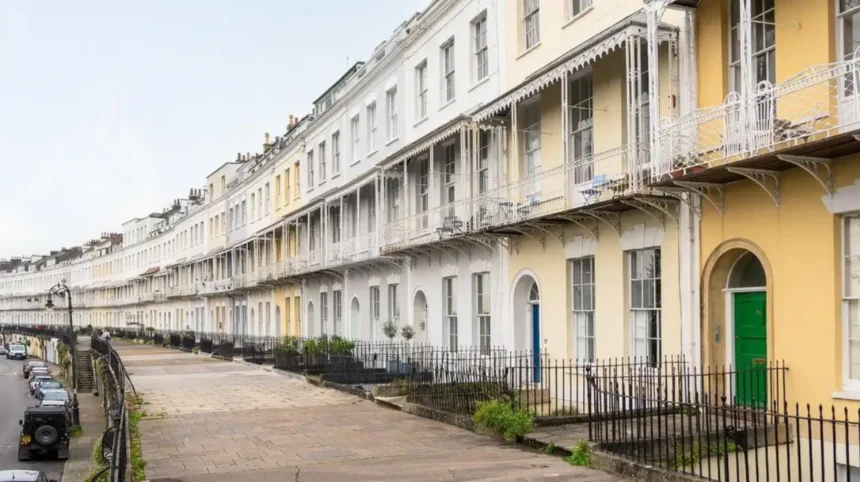
Period properties in Bristol are homes built during earlier architectural eras, including Georgian, Victorian and Edwardian periods. These houses reflect the city’s historic development through distinctive brickwork, sash windows, decorative façades and original interior features. Understanding their architectural character, conservation requirements, maintenance needs and location helps buyers, homeowners and renters make informed property decisions.
- What Are Period Properties in Bristol?
- Which Historical Periods Shaped Bristol’s Period Properties?
- Where Can You Find Period Properties in Bristol?
- Clifton
- Redland and Cotham
- Montpelier and Bishopston
- Bedminster and Southville
- Hotwells and central Bristol
- What Architectural Features Identify a Period Property?
- Sash windows and original glazing
- Fireplaces and decorative interiors
- Brickwork, stone and façades
- High ceilings and traditional layouts
- How Does Bristol’s History Explain Its Period Housing?
- Are Period Properties in Bristol Listed or Located in Conservation Areas?
- What Should Buyers Check Before Purchasing a Period Property in Bristol?
- Structural condition and movement
- Roofs, gutters and drainage
- Damp and traditional building materials
- Alterations and planning history
- Electrical, plumbing and heating systems
- How Energy Efficient Are Period Properties in Bristol?
- How Much Does It Cost to Maintain a Period Property in Bristol?
- Are Period Properties in Bristol Suitable for Modern Living?
- Do Period Properties in Bristol Offer Long-Term Property Value?
- How Can You Research and Buy a Period Property in Bristol?
- What Is the Future for Period Properties in Bristol?
What Are Period Properties in Bristol?
Period properties in Bristol are residential buildings constructed during recognised historical architectural eras, particularly the Georgian, Victorian and Edwardian periods. They include terraced houses, townhouses, cottages and converted flats that retain historic features such as sash windows, fireplaces, high ceilings and traditional masonry.
The term period property describes a building associated with a particular historical era. In the UK property market, it commonly refers to homes built before the First World War, although some estate agents also use it for older buildings from later periods.
Bristol’s historic housing reflects its growth as a port, trading centre and industrial city. Wealth generated through maritime commerce, manufacturing and professional employment contributed to the development of residential neighbourhoods across the city. Each era introduced different construction methods, architectural details and housing layouts.
Period homes remain part of Bristol’s residential property market. Buyers encounter them as owner-occupied houses, rental properties, student accommodation and renovated apartments. Their value depends on location, condition, architectural significance, available space and the cost of maintaining historic materials.
A period property does not automatically have listed-building status. A listed building receives formal protection because of its special architectural or historic interest. Other older houses sit within conservation areas, where planning controls protect the character of the surrounding neighbourhood.
Which Historical Periods Shaped Bristol’s Period Properties?
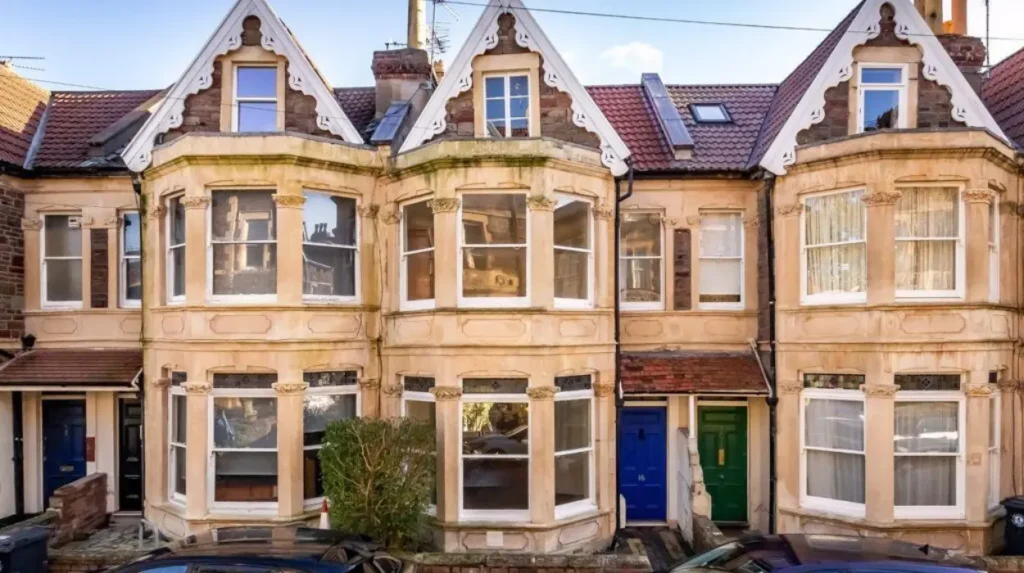
Bristol’s period properties reflect several architectural eras, particularly Georgian architecture from 1714 to 1830, Victorian architecture from 1837 to 1901, and Edwardian architecture from 1901 to 1914. Each era introduced different façades, layouts, construction materials and decorative details that remain visible across Bristol’s residential neighbourhoods.
Georgian properties in Bristol
Georgian architecture developed during the reigns of Britain’s four King Georges. Its residential buildings commonly feature balanced façades, symmetrical window arrangements, sash windows and classical door surrounds.
Bristol’s Georgian homes include substantial townhouses and smaller terraced houses. Great George Street contains examples of late eighteenth-century housing, while Clifton has several streets with Georgian buildings. Historic England’s record for 7 Great George Street identifies the house as dating from approximately 1788–1790 and describes its limestone exterior, slate roof, sash windows and detailed entrance.
Georgian interiors often include high ceilings, panelled doors, decorative cornices, fireplaces and formal room arrangements. Original features vary between individual properties because later owners frequently altered kitchens, staircases and internal walls.
Victorian properties in Bristol
Victorian housing expanded during the nineteenth century as Bristol’s population, industrial activity and transport networks developed. Many homes feature red brick, bay windows, decorative tilework, patterned brickwork and more elaborate rooflines than earlier Georgian houses.
Victorian terraces became a practical way to accommodate growing urban populations. Repeated house designs created continuous streets with shared walls and relatively compact plots. Internal layouts commonly separated reception rooms from kitchens and service spaces, although the precise arrangement varied with household income and construction date.
Bristol’s Victorian housing includes workers’ terraces, middle-class family houses and larger properties in established residential districts. Many have since been modernised with contemporary kitchens, bathrooms and heating systems.
Edwardian properties in Bristol
Edwardian homes were built mainly during the reign of Edward VII, from 1901 to 1910, with the broader architectural period extending into the years before the First World War. These houses often combine red brick, bay windows, timber details, larger rooms and less rigid façades.
Edwardian residential development reflected changing preferences for natural light, domestic comfort and gardens. Semi-detached houses became more common in expanding suburbs, providing greater separation between homes than traditional terraces.
Historic England also documents early twentieth-century Bristol buildings that demonstrate changes in construction technology. Its record of the WCA Warehouse identifies a reinforced-concrete frame with blue and red brick facing, built between 1909 and 1912. Although it is not a typical home, it illustrates the wider architectural developments of the period.
Where Can You Find Period Properties in Bristol?
Period properties are found across Bristol, including Clifton, Redland, Cotham, Montpelier, Bedminster and parts of Southville. These neighbourhoods contain different combinations of Georgian townhouses, Victorian terraces and Edwardian houses, with property types varying by street, plot size and historical development.
Clifton
Clifton is associated with historic townhouses, elegant terraces and substantial residential buildings. Georgian and Victorian architecture appears across the neighbourhood, including streets around Clifton Village and the wider conservation area.
Property styles range from large houses to converted flats. Buyers need to assess the condition of stonework, roofs, windows and shared building elements, particularly where an older house has been divided into several apartments.
Redland and Cotham
Redland and Cotham contain extensive Victorian and Edwardian housing. Typical examples include red-brick terraces, bay-fronted houses and larger family properties with gardens.
Their residential streets provide examples of nineteenth-century urban expansion beyond Bristol’s older central districts. Some houses retain original fireplaces and decorative plasterwork, while others have undergone substantial internal renovation.
Montpelier and Bishopston
Montpelier contains Victorian terraces and colourful historic streetscapes. Bishopston also includes Victorian and Edwardian homes, including traditional terraces and larger houses developed as residential areas expanded.
The exact architectural character differs from one street to another. Buyers should examine individual buildings rather than assuming every property in a neighbourhood belongs to the same period.
Bedminster and Southville
Bedminster contains traditional terraced housing associated with Bristol’s industrial and working-class history. Southville includes older terraces alongside later alterations and modern residential development.
These neighbourhoods demonstrate how period housing served households across different income groups. Property size, original construction quality and subsequent maintenance differ considerably, even between neighbouring houses.
Hotwells and central Bristol
Hotwells and parts of central Bristol contain historic residential buildings alongside former commercial and industrial structures. Some larger period houses have been converted into flats or other uses.
Bristol’s heritage records provide a starting point for researching individual buildings. The council’s historic environment guidance explains how to investigate listed buildings, conservation areas and other protected heritage assets.
What Architectural Features Identify a Period Property?
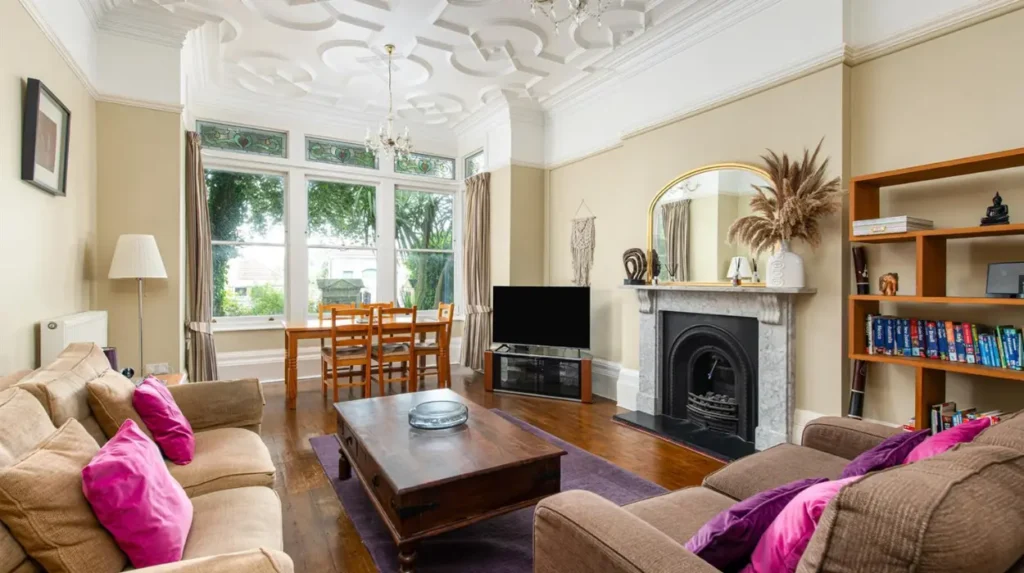
Period properties are identified through their construction date, architectural design and surviving historic details. Common features include sash windows, decorative fireplaces, high ceilings, traditional brickwork, stone façades, timber floorboards and original doors, although the combination varies by era and the history of each building.
Sash windows and original glazing
Traditional sash windows consist of movable framed panels that slide vertically. Georgian examples often have smaller panes divided by glazing bars, while later Victorian and Edwardian windows frequently have larger glass sections.
Original timber windows contribute to a building’s historic character. Their condition depends on maintenance, exposure to weather and previous repairs. Rotten timber, failed paintwork and damaged cords require attention, but sound original frames can often be repaired.
Fireplaces and decorative interiors
Fireplaces are common features in many period houses. Depending on the building, they include cast-iron inserts, tiled surrounds, stone mantels or carved timber details.
Decorative plaster cornices, ceiling roses, panelled doors and fitted cupboards also help identify historic interiors. However, an original-looking feature is not necessarily original to the property. Alterations and replacement materials should be checked during a survey.
Brickwork, stone and façades
Bristol’s historic homes use materials including red brick, limestone, Pennant stone and rendered masonry. Material choice reflects local resources, building traditions, architectural fashion and the date of construction.
Georgian properties often favour formal proportions, while Victorian houses frequently feature more varied decorative brickwork. Edwardian buildings combine traditional masonry with newer design influences.
High ceilings and traditional layouts
Many period homes have higher ceilings than some modern houses, although ceiling heights vary considerably. Georgian houses often follow formal room arrangements, while Victorian terraces commonly include separate reception rooms and compact kitchens.
Later renovations frequently combine rooms, remove fireplaces or extend kitchens into rear spaces. Buyers interested in original layouts should review floor plans and inspect the building for evidence of previous alterations.
How Does Bristol’s History Explain Its Period Housing?
Bristol’s historic housing developed through its growth as a maritime trading centre, manufacturing city and regional employment hub. Georgian commercial prosperity supported substantial townhouses, while Victorian population growth created extensive terraces and Edwardian suburban expansion introduced different house designs and layouts.
Bristol’s architectural history cannot be separated from its economic history. The city’s port, commercial networks, industrial activity and expanding transport infrastructure influenced where people lived and the types of housing developers built.
Georgian commercial development
During the eighteenth century, Bristol’s merchants and professionals commissioned substantial townhouses in established residential areas. These homes often used formal architectural designs to communicate status and accommodate domestic staff.
The city’s Georgian buildings also reflect complicated histories of trade, including Atlantic slavery. Historic properties such as the Georgian House on Great George Street provide opportunities to examine both domestic architecture and the historical connections between wealth, commerce and exploitation.
Victorian population growth
During the nineteenth century, industrialisation and population growth increased demand for housing. Terraced streets allowed builders to accommodate more households within limited urban land.
Housing quality varied by income and location. Larger properties offered more space and decorative features, while working-class terraces generally used compact layouts. Modern owners inherit the benefits and limitations of these original designs.
Edwardian suburban expansion
Around the turn of the twentieth century, changing transport connections and housing preferences supported residential development beyond older urban cores. Semi-detached houses and properties with gardens became increasingly visible in suburban areas.
These developments helped shape Bristol’s present-day residential character. Historic housing now exists alongside post-war estates, contemporary apartment blocks and converted commercial buildings.
Are Period Properties in Bristol Listed or Located in Conservation Areas?
Some Bristol period properties are legally listed, while others sit within conservation areas or have no formal heritage designation. Bristol City Council identifies 33 conservation areas, each with its own historic character and planning considerations. Buyers must verify the designation of an individual property before planning alterations.
What is a listed building?
A listed building is a structure formally recognised for special architectural or historic interest and recorded on the National Heritage List for England. Listing is administered by Historic England in England.
Listed buildings have different grades. Grade I buildings are of exceptional interest, Grade II* buildings are particularly important, and Grade II buildings are of special interest. The designation applies to the building identified in the official entry and can also cover attached structures and qualifying historic fixtures.
For example, the Georgian House at 7 Great George Street is listed at Grade II*. Its entry records the building’s architectural character, historical associations and surviving interior features.
Owners generally need listed building consent for alterations that affect the building’s special architectural or historic interest. Ordinary planning permission and building regulations approval are separate requirements where applicable.
What is a conservation area?
A conservation area is a designated area of special architectural or historic interest whose character or appearance should be preserved or enhanced. Its protection applies to the character of the wider area, rather than only to individual buildings.
Bristol’s conservation areas include historic street patterns, traditional materials, green spaces, trees, boundaries and distinctive views. The council’s conservation area guidance explains local restrictions and provides access to relevant character appraisals.
A home within a conservation area is not automatically a listed building. However, certain alterations, including some demolition, extensions and window replacements, face additional planning controls.
How can you check a property’s status?
Buyers should search the property’s address on Historic England’s National Heritage List and check Bristol City Council’s conservation area information. The council’s Know Your Place mapping resource also helps identify historic designations and local heritage assets.
The local list identifies buildings valued for architectural interest, historic importance, artistic merit or community value without necessarily giving them national listed status.
A solicitor and surveyor should confirm the implications of any designation before contracts are exchanged.
What Should Buyers Check Before Purchasing a Period Property in Bristol?
Buyers should commission an appropriate building survey, investigate structural condition, check damp and roof defects, and confirm the legality of previous alterations. They should also review the property’s heritage status, heating performance, drainage, insurance arrangements and likely repair costs before committing to the purchase.
Period properties require the same careful purchasing process as other homes, but their age and construction methods introduce additional considerations.
Structural condition and movement
Older houses can develop cracks, uneven floors and signs of historic settlement. Not every crack indicates serious structural failure, but significant movement requires investigation by a suitably qualified professional.
A survey should examine walls, foundations where accessible, roof structures, chimneys, suspended timber floors and any visible signs of water damage. Shared walls in terraced housing also deserve attention, particularly where neighbouring properties have undergone extensions or structural alterations.
Roofs, gutters and drainage
Traditional roofs often use slate or clay tiles, with details that vary by construction date. Missing slates, damaged flashing, blocked gutters and leaking rainwater pipes allow moisture to enter walls and roof spaces.
Buyers should establish the age and condition of the roof, the history of repairs and whether any work requires specialist materials. Drainage checks are especially useful when there are signs of persistent damp or water collecting near the building.
Damp and traditional building materials
Historic buildings often use solid masonry walls and lime-based mortars or plasters. These materials behave differently from modern cavity-wall construction.
Damp symptoms can result from leaking pipes, defective gutters, ground-level problems, condensation or unsuitable previous repairs. A diagnosis should identify the source rather than automatically recommending chemical damp-proof treatments.
Non-breathable coatings and inappropriate cement-based repairs can trap moisture in some traditional walls. A surveyor experienced in historic buildings can recommend suitable repairs based on the property’s construction.
Alterations and planning history
A period house that has been extended, converted or substantially remodelled requires checks on planning permissions, building regulations certificates and any required listed building consent.
An attractive kitchen extension does not establish that the work received the necessary approvals. Buyers should request documentation from the seller and ask their solicitor to investigate unresolved discrepancies.
Electrical, plumbing and heating systems
Older properties often contain systems installed or upgraded at different times. A general building survey does not replace specialist electrical, gas or plumbing inspections.
Buyers should check the condition of wiring, consumer units, boilers, pipework, ventilation and heating controls. Replacement costs depend on the size of the home, the installation’s condition and the work required to meet current standards.
How Energy Efficient Are Period Properties in Bristol?
The energy efficiency of a Bristol period property depends on its construction, insulation, ventilation, windows and heating system. Solid-wall houses often require a different improvement strategy from modern cavity-wall homes, and energy upgrades must account for moisture movement and any heritage restrictions.
Older buildings were generally designed before modern insulation standards. This does not mean every period house is inefficient, because later upgrades, building condition and household energy use influence actual performance.
Insulation and heat loss
Solid external walls can lose heat more readily than well-insulated modern walls. Roofs, floors, windows and uncontrolled draughts also affect indoor temperatures.
Insulation improvements should begin with an assessment of the property’s construction and moisture behaviour. Internal wall insulation changes the temperature profile of the existing wall, while external insulation changes the building’s appearance and requires careful consideration of architectural details.
Heating systems and ventilation
A modern boiler, heat pump or effective heating controls can improve comfort when properly matched to the building. However, the most appropriate system depends on insulation, available space, electrical capacity, radiator sizing and household requirements.
Ventilation is equally important. Sealing draughts without maintaining suitable ventilation increases the risk of condensation and mould.
Energy Performance Certificates
An Energy Performance Certificate (EPC) records a property’s assessed energy performance and provides recommendations for improvement. Buyers should review the certificate alongside the survey rather than treating its rating as a complete assessment of an older building.
Historic buildings require a balanced approach to energy upgrades. Historic England’s guidance on conserving Georgian and Victorian terraced housing explains how maintenance, alterations and environmental performance interact in traditional homes.
How Much Does It Cost to Maintain a Period Property in Bristol?
The maintenance cost of a Bristol period property depends on its size, condition, construction materials and repair history. Roof replacement, masonry repairs, timber window restoration, damp investigation and heating upgrades can create substantial expenses, so buyers should obtain quotations rather than rely on a single general estimate.
There is no universal annual maintenance figure for period properties. A well-maintained flat and a large Victorian townhouse have very different repair requirements. Listed status, access difficulties and specialist materials can also influence costs.
Routine maintenance
Routine work includes clearing gutters, inspecting roof coverings, maintaining external paintwork and checking timber windows. Regular inspections help identify small defects before they cause more extensive damage.
Owners should also budget for boiler servicing, electrical inspections where appropriate, plumbing repairs and the maintenance of shared areas in converted buildings.
Major repairs
Large projects include roof renewal, chimney repairs, structural stabilisation, masonry repointing and replacement of deteriorated timber. The final price depends on access, labour, material availability and the extent of hidden damage.
Heritage buildings sometimes require skilled tradespeople who understand lime mortar, traditional plaster and historic joinery. Using appropriate materials supports the building’s long-term performance.
How should owners plan a maintenance budget?
Owners should prepare a property-specific maintenance schedule based on the survey and the age of major components. Obtain written quotations for urgent repairs and separate immediate safety work from improvements that can be planned over several years.
A contingency fund is useful because opening up historic structures often reveals defects that were not visible during an initial inspection. The surveyor’s report should guide the order of work.
Are Period Properties in Bristol Suitable for Modern Living?
Period properties suit modern living when their layouts, services, insulation and maintenance needs match the occupants’ requirements. Many historic homes accommodate contemporary kitchens, updated bathrooms, home offices and improved heating while retaining original architectural details that contribute to their character.
Modern comfort depends on the individual property rather than its age alone. A renovated Edwardian house with a modern kitchen and efficient heating offers a different experience from an unmodernised Georgian townhouse requiring extensive repairs.
Space and room layouts
Traditional houses often provide separate reception rooms, enclosed kitchens and distinct bedroom floors. These layouts support different household activities but sometimes lack the open-plan arrangements found in contemporary homes.
Removing internal walls requires structural assessment and, where applicable, planning approval or listed building consent. A carefully designed renovation can improve circulation without compromising important historic features.
Gardens and outdoor space
Outdoor space varies by property type. Some suburban Edwardian houses have front and rear gardens, while urban Victorian terraces often have smaller yards or enclosed gardens.
Georgian townhouses can have basements, courtyards or shared outdoor areas, depending on their location. Buyers should verify the ownership, boundaries, access rights and maintenance responsibilities associated with any garden or shared space.
Converted flats
Period houses divided into apartments provide another way to live in Bristol’s historic neighbourhoods. These homes require additional checks covering lease length, service charges, reserve funds, shared repairs and the management of common areas.
Buyers should investigate whether conversion work received the necessary approvals. Fire safety, sound insulation, access and shared building maintenance are particularly important in multi-occupancy buildings.
Do Period Properties in Bristol Offer Long-Term Property Value?
The long-term value of a period property in Bristol depends on location, condition, buyer demand, energy performance and the cost of ownership. Historic architecture can distinguish a home within the housing market, but age alone does not guarantee price growth, rental demand or a profitable resale.
Property value should be assessed using recent comparable sales rather than architectural appearance alone. Two Victorian houses on neighbouring streets can command different prices because of their condition, floor area, garden, parking, transport connections and renovation history.
Location and local amenities
Access to employment, public transport, schools, shops and green spaces influences the appeal of residential property. Clifton, Redland, Cotham, Montpelier and Bedminster each contain different housing types and local amenities.
Buyers should compare the immediate street and surrounding facilities rather than relying exclusively on a neighbourhood name. Noise, parking availability, traffic and walking routes also affect everyday living.
Renovation and resale considerations
Sensitive renovation can improve a property’s functionality and presentation. However, the financial return depends on the purchase price, renovation budget, quality of work and prevailing market conditions.
Before renovating, owners should distinguish essential repairs from optional upgrades. Addressing roof leaks, defective drainage and structural problems generally takes priority over cosmetic improvements.
Rental potential
Period homes serve several rental markets, including family housing, professional lets and apartments. Rental performance depends on achievable rent, ongoing maintenance, regulatory compliance, insurance and any applicable licensing requirements.
Landlords should calculate net income after expenses rather than comparing properties using advertised rents alone. Larger historic homes also require realistic allowances for heating and repairs.
Explore More Area Guide
Family Homes in Bristol: Areas, Prices and Housing Guide
Affordable Homes in Bristol: Buying & Renting Guide 2026
How Can You Research and Buy a Period Property in Bristol?
A successful period-property purchase starts with identifying suitable neighbourhoods, checking historical records, comparing recent sales and commissioning a qualified survey. Buyers should confirm legal restrictions, inspect major building components, calculate renovation costs and ensure the property meets their practical requirements before exchanging contracts.
The following process provides a structured approach to researching Bristol’s historic housing market.
1. Choose the architectural style and location. Decide whether Georgian townhouses, Victorian terraces or Edwardian suburban houses best match your requirements.
2. Review comparable properties. Compare recent sales, floor area, bedroom numbers, garden space and overall condition.
3. Investigate the building’s history. Use Bristol’s Know Your Place mapping resource, conservation area appraisals and Historic England records to understand its architectural significance.
4. Arrange a suitable survey. Select a surveyor with experience of traditional construction and commission specialist investigations where the initial inspection identifies concerns.
5. Check legal documents. Ask your solicitor to investigate title restrictions, planning history, listed building status, lease arrangements and relevant building approvals.
6. Prepare a realistic budget. Include the purchase price, transaction costs, immediate repairs, future maintenance and planned energy improvements.
7. Plan alterations before purchasing. Consult the local planning authority or a heritage specialist when the proposed work affects a listed building or conservation area.
Bristol City Council’s historic environment resources provide official guidance for researching designations and understanding the planning implications of historic properties.
What Is the Future for Period Properties in Bristol?
Period properties will remain an important part of Bristol’s housing stock because they provide established homes within historic neighbourhoods. Their future depends on effective maintenance, appropriate energy improvements, heritage protection and adaptations that meet modern housing needs without unnecessarily damaging architectural character.
The central challenge is balancing conservation with practical improvements. Historic buildings require ongoing repairs, while homeowners also face changing expectations around heating costs, accessibility, ventilation and internal space.
Sensitive renovation provides a way to retain original features while improving daily comfort. Repairing timber windows, maintaining traditional masonry and upgrading heating systems appropriately can support the long-term use of historic homes.
Planning decisions will continue to influence how owners extend, convert and improve protected buildings. Bristol’s conservation area appraisals provide information about the architectural character that planning decisions seek to preserve or enhance.
For buyers, the essential principle is to assess every property individually. Construction date, architectural quality, condition, legal restrictions and future maintenance costs provide a more reliable basis for a decision than period styling alone.
Bristol’s Georgian townhouses, Victorian terraces and Edwardian houses represent different stages of the city’s development. Understanding these distinctions helps buyers identify suitable homes, plan repairs and make informed decisions about living in one of the city’s historic residential properties.
What are period properties in Bristol?
Period properties in Bristol are historic homes built during architectural eras such as the Georgian, Victorian and Edwardian periods. They often feature sash windows, high ceilings, decorative fireplaces, traditional brickwork and original timber details.