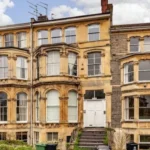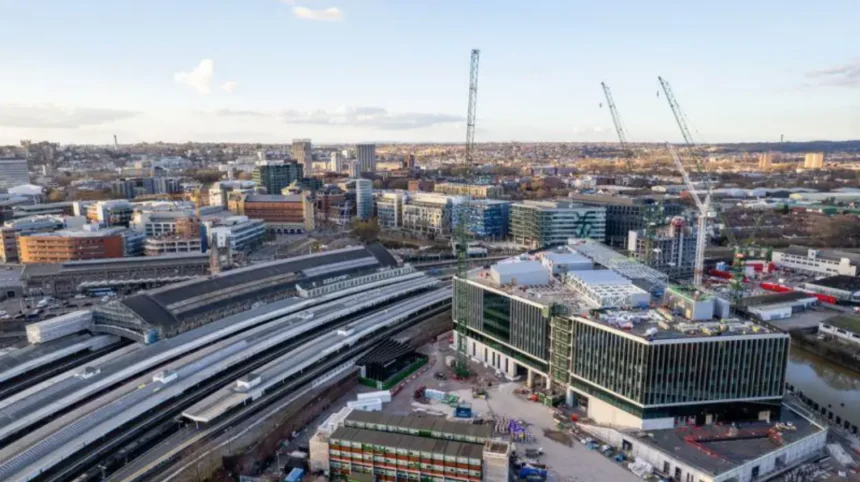
Property developments in Bristol include new-build housing, affordable homes, apartment schemes, brownfield regeneration, commercial construction and major infrastructure projects. The city’s development strategy responds to housing demand, population growth, employment needs and the challenge of delivering sustainable neighbourhoods while protecting Bristol’s historic character.
- What does property development in Bristol include?
- Why is Bristol experiencing significant property development?
- Which major property development projects are shaping Bristol?
- How is Bristol planning new homes and sustainable neighbourhoods?
- What types of residential properties are being developed in Bristol?
- How does affordable housing fit into Bristol property developments?
- Where are new property developments most relevant to Bristol buyers and renters?
- Central Bristol and Temple Quarter
- Bedminster and South Bristol
- St Philip’s Marsh and East Bristol
- Western Harbour and the Floating Harbour
- How do developers obtain planning permission in Bristol?
- What role does brownfield land play in Bristol’s property development?
- How do property developments affect Bristol’s economy and local communities?
- What environmental standards matter for new Bristol property developments?
- What should buyers check before purchasing a newly developed Bristol property?
- What is the future outlook for property development in Bristol?
What does property development in Bristol include?
Property development in Bristol is the process of creating, renovating or repurposing residential, commercial and mixed-use buildings. It includes new housing, apartment blocks, affordable homes, office space, industrial premises and regeneration projects that improve existing urban neighbourhoods.
Property development changes how land and buildings serve residents, businesses and visitors. In Bristol, projects range from individual house extensions and conversions to large regeneration programmes covering former industrial land.
Residential development includes detached houses, terraced homes, flats, build-to-rent apartments and housing association properties. Commercial development covers offices, shops, hotels, warehouses and employment premises. Mixed-use development combines several functions in one area, such as housing above ground-floor shops or homes beside workplaces and public spaces.
Regeneration is another important component. It involves improving underused land, ageing infrastructure and existing neighbourhoods. Bristol City Council identifies regeneration schemes across the city, including Temple Quarter, Bedminster Green, Frome Gateway, Knowle West and Western Harbour.
The main objective is to accommodate growth while creating functional neighbourhoods. Successful development requires suitable housing, transport connections, utilities, schools, health facilities, public spaces and environmental protections.
Why is Bristol experiencing significant property development?
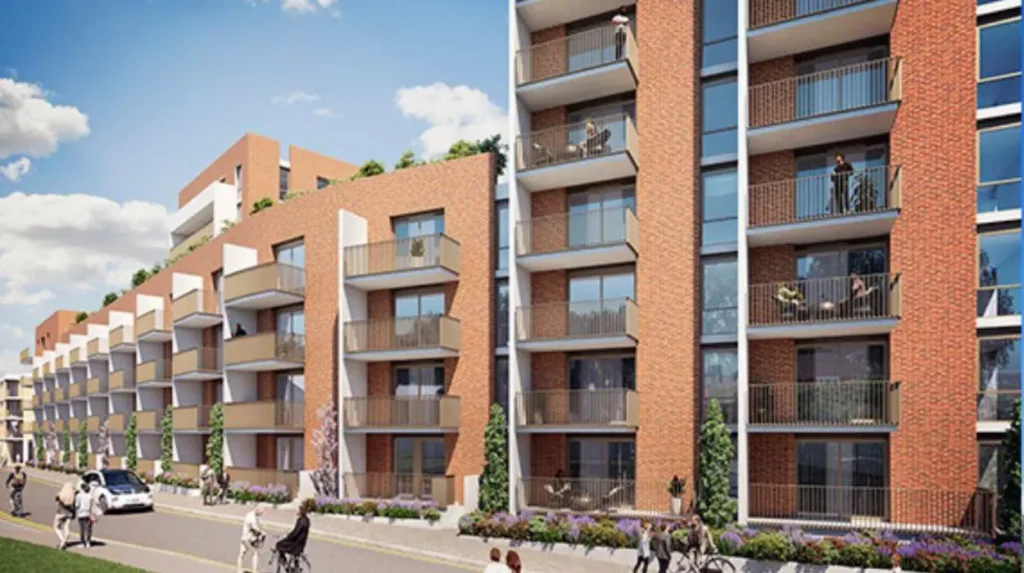
Bristol’s property development activity responds to housing demand, employment growth, limited urban land and the need to modernise infrastructure. Regeneration around Temple Meads, former industrial areas and the Floating Harbour supports new homes, workplaces, transport improvements and neighbourhood facilities.
Bristol is a major employment and education centre in South West England. Its economy includes technology, engineering, creative industries, professional services, aerospace and higher education. These sectors support demand for housing near workplaces and transport connections.
The wider West of England economy is also a factor. Bristol connects residential communities with employment centres across the region, including Bath and South Gloucestershire. Better rail connections, walking routes and cycling infrastructure influence the attractiveness of development sites.
Land availability creates a further challenge. Bristol’s established urban area is constrained by surrounding settlements, protected green spaces and existing infrastructure. Building on previously developed land, known as brownfield land, is therefore a major part of the city’s regeneration approach.
The council’s Temple Quarter programme covers approximately 135 hectares of brownfield land and has a long-term ambition to deliver 10,000 new homes, thousands of jobs and £1.6 billion in annual income to the city economy. These figures describe the programme’s intended outcomes, not homes already completed.
Development also responds to housing affordability. A growing population and high housing costs place pressure on people looking to rent, purchase their first home or find suitable family accommodation. New construction contributes to supply, although the effect on affordability depends on the number of homes delivered, their prices, tenure and location.
Which major property development projects are shaping Bristol?
Bristol’s major regeneration projects include Temple Quarter, St Philip’s Marsh, Western Harbour, Bedminster Green and Frome Gateway. Each area has a distinct role, from large-scale housing and employment provision to transport improvements, public spaces and the reuse of previously developed urban land.
1. Bristol Temple Quarter
Temple Quarter is a long-term regeneration programme centred on Bristol Temple Meads railway station. It combines housing, employment, education, transport and public-realm improvements. Its planned communities are intended to connect the station with surrounding areas and support sustainable urban growth.
2. St Philip’s Marsh
St Philip’s Marsh is a strategic development area within Temple Quarter. A final draft masterplan framework published in June 2026 sets out proposals for thousands of homes, employment and industrial land, green spaces and community infrastructure. The approach seeks to accommodate new neighbourhoods while retaining space for businesses.
3. Western Harbour
Western Harbour covers the western end of Bristol’s Floating Harbour, including Cumberland Basin and the surrounding road infrastructure. The regeneration programme addresses ageing transport infrastructure and explores opportunities for housing, public spaces and improved connections. The council’s published indicative programme places potential construction from 2028, subject to planning and delivery processes.
4. Bedminster Green
Bedminster Green is a regeneration area south of Bristol city centre. Development here focuses on housing and changes to the built environment in an established urban neighbourhood. Its location makes connections to local shops, public transport, employment and existing residential streets important considerations.
5. Frome Gateway
Frome Gateway is another council regeneration priority. The wider objective is to make better use of urban land and coordinate new development with public spaces, access routes and the surrounding city centre. The precise mix and delivery of buildings depend on the relevant planning proposals and approvals.
These projects operate on different timescales. A regeneration framework establishes a long-term direction, while individual planning applications specify building designs, uses and delivery arrangements. Approval of a masterplan does not mean every proposed home has planning permission or a confirmed construction date.
How is Bristol planning new homes and sustainable neighbourhoods?
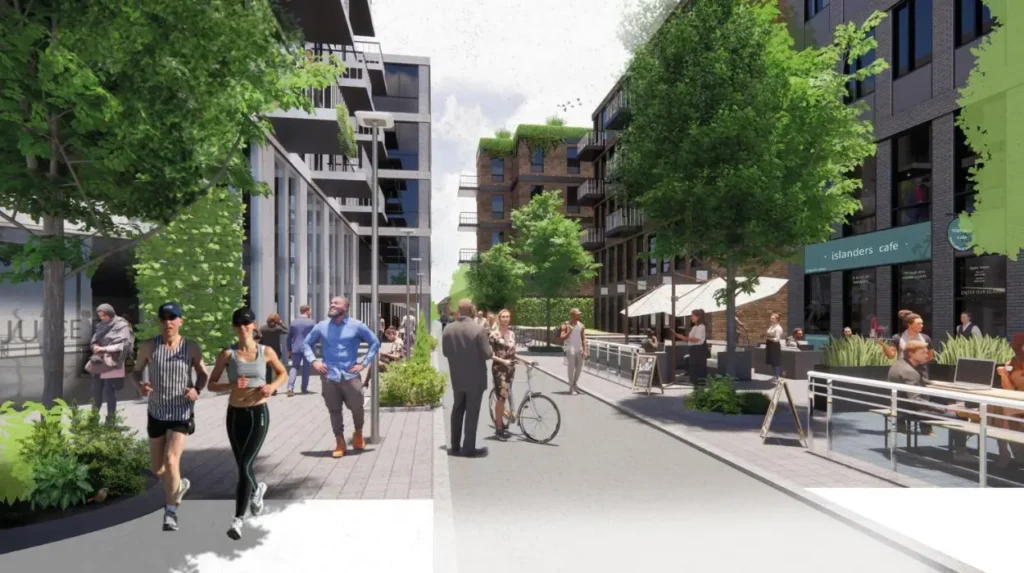
Bristol plans new housing through local planning policy, site allocations, regeneration frameworks and individual planning applications. These processes identify suitable development locations, assess infrastructure requirements and guide the relationship between homes, jobs, transport, public spaces and environmental protection.
The Bristol Local Plan provides policies for decisions on planning applications. It addresses how land should be used, where development should take place and which environmental or heritage assets require protection.
As of October 2026, the council describes the Bristol Local Plan 2022–2040 as being at an advanced stage of examination, with adoption expected in late 2026. The council also began preparing a subsequent Bristol Local Plan 2045 in June 2026 under the new planning regulations. These are separate stages in the city’s planning process.
Planning frameworks translate broad policy into guidance for particular areas. Temple Quarter’s development framework, for example, coordinates proposals around the railway station, nearby employment areas and future neighbourhoods.
Sustainable neighbourhood planning involves more than providing housing units. New developments require safe walking routes, cycling facilities, public transport access, drainage, waste collection and appropriate utility capacity. Larger schemes also need consideration of schools, healthcare, green spaces and community facilities.
Climate resilience is increasingly important in Bristol. Development proposals need to consider energy use, overheating, flood risk, biodiversity and sustainable drainage. Sites near rivers, the Floating Harbour and the River Avon require particular attention to flood management and the effects of extreme weather.
The planning system also considers the relationship between new buildings and existing streets. Building height, density, sunlight, privacy, traffic, construction impacts and the character of neighbouring properties can affect whether a scheme receives approval.
What types of residential properties are being developed in Bristol?
Bristol’s residential developments include new-build houses, apartments, affordable housing, build-to-rent schemes and converted buildings. These formats serve different household needs, from first-time buyers and private renters to families, social housing applicants and people seeking accessible homes.
New-build houses generally provide private entrances and, depending on the scheme, gardens or allocated parking. Developers use this format in suitable suburban locations and larger residential developments. Property size, outdoor space and transport access vary by site.
Apartments make more intensive use of urban land. They are common in regeneration areas and locations close to the city centre, railway stations and employment districts. Apartment schemes can accommodate more households within a smaller land area, but their suitability depends on design quality, natural light, storage, outdoor space and shared facilities.
Build-to-rent refers to housing developed specifically for long-term private rental rather than individual sale. These schemes often use professional management and shared amenities. Tenants should assess rent levels, tenancy agreements, service arrangements and any additional charges before signing.
Affordable housing includes homes offered through social rent, affordable rent and other eligible affordable ownership or rental arrangements. The exact eligibility rules, rents and purchase conditions depend on the housing programme.
Bristol City Council’s Homes for Bristol: Interim Affordable Housing Delivery Plan 2025–27 was approved in February 2025. The council reported that 607 affordable homes were delivered across Bristol in 2023/24. This is a historical delivery figure, rather than a forecast for annual output in later years.
Conversions also contribute to housing supply. Developers can adapt suitable existing buildings into flats or residential accommodation, subject to planning requirements, building regulations, fire safety and other relevant standards. Conversion projects require careful assessment of structural condition, access, insulation and the quality of the resulting homes.
The right property type depends on household circumstances. Buyers prioritise factors such as purchase price, mortgage affordability, commute and long-term maintenance. Renters also consider tenancy security, utility costs and proximity to work. Families often give additional weight to schools, local services and usable outdoor space.
How does affordable housing fit into Bristol property developments?
Affordable housing is a key part of Bristol’s development strategy because market-rate homes do not meet every household’s financial needs. The city uses housing delivery plans, partnerships with registered providers and planning policies to support homes for eligible renters and buyers.
Affordable housing is a defined housing policy category, not a general description of a property that appears inexpensive. It includes different arrangements with specific eligibility criteria and pricing rules.
Social rent homes are generally let by councils or registered housing providers at rents set under applicable policies. Affordable rent homes use a separate rent framework. Shared ownership allows eligible purchasers to buy a share of a property and pay rent on the remaining share, subject to the scheme’s conditions.
Some developments include affordable homes alongside private market housing. This approach creates a mixture of tenures within the same broader neighbourhood. The number and type of affordable homes depend on planning policy, site viability, public funding and the arrangements agreed for the project.
Bristol’s 2025–27 interim affordable housing plan builds on the earlier Project 1000 programme, which covered 2022–25. Its purpose is to coordinate delivery and support housing provision for residents who cannot meet their needs through the private market alone.
Affordable housing delivery faces practical constraints. Land acquisition, building costs, borrowing costs, infrastructure requirements and the availability of public funding affect the number of homes a scheme can support. Developers and housing providers also need to ensure that homes meet quality and regulatory requirements.
People seeking affordable housing should check official council information and individual housing provider requirements. Eligibility is not automatic because someone lives in Bristol or earns below a particular amount. Household circumstances, local allocation rules, property availability and the relevant scheme determine access.
Where are new property developments most relevant to Bristol buyers and renters?
Bristol buyers and renters assess development locations according to housing costs, transport, employment, schools and local services. Central regeneration areas suit some households seeking urban living, while established districts and suburban neighbourhoods offer different property types, amenities and commuting arrangements.
Location affects both the practical value of a property and its suitability for a household. Bristol’s development pattern includes central apartment schemes, regeneration around former industrial land and residential construction in established neighbourhoods.
Central Bristol and Temple Quarter
Central Bristol attracts people seeking access to offices, restaurants, cultural venues and public transport. Temple Quarter is particularly relevant because of its proximity to Bristol Temple Meads and the University of Bristol’s new Temple Quarter Enterprise Campus.
On 7 September 2026, the university announced the opening of the Sloane Robinson Building at the enterprise campus. The opening coincided with a new £23 million eastern entrance to Temple Meads and a harbour walkway, representing a significant milestone in the area’s regeneration.
Bedminster and South Bristol
Bedminster provides access to central Bristol and established local shopping streets. Regeneration around Bedminster Green creates opportunities for additional housing and changes to the surrounding urban environment.
Buyers should assess the relationship between new developments and existing neighbourhood infrastructure. Street access, local amenities, public transport and construction activity all influence day-to-day convenience.
St Philip’s Marsh and East Bristol
St Philip’s Marsh is a longer-term opportunity for a mixed-use neighbourhood. Its planned combination of housing, industrial land, employment space and public infrastructure is significant because residential growth must coexist with business activity.
Prospective residents should examine the precise location of a proposed home, its transport connections and the surrounding land uses. A masterplan for a large district does not guarantee that every street will have the same facilities or development timetable.
Western Harbour and the Floating Harbour
Western Harbour is relevant to people interested in future urban housing close to Bristol’s waterfront. However, the programme involves major infrastructure considerations, including the ageing Cumberland Basin road system.
The council’s published timetable identifies further planning and approval work during 2026 and 2027, with construction envisaged from 2028. Prospective buyers should distinguish these future proposals from homes that are already built and available for purchase.
How do developers obtain planning permission in Bristol?
Developers in Bristol generally identify a suitable site, assess planning policy, prepare technical documents and submit an application to Bristol City Council or the relevant planning authority. Officers assess the proposal against applicable policies, consultation responses, environmental impacts and development requirements.
The planning process starts with site assessment. Developers examine ownership, access, ground conditions, existing buildings, potential contamination, flood risk and the site’s planning designation.
The next stage involves establishing the proposed use and scale. A developer planning an apartment block needs to demonstrate how the building fits its surroundings and how residents will access transport, public spaces and essential services.
A planning application typically contains drawings, a design and access statement where required, supporting technical assessments and other documents appropriate to the scheme. Larger projects often require additional evidence relating to transport, heritage, ecology, drainage, noise and environmental effects.
Public consultation gives residents, businesses and other stakeholders an opportunity to comment. Relevant issues include building height, overlooking, traffic, construction noise, parking, daylight and the effect on local facilities.
The planning authority then assesses the application against the development plan and other material planning considerations. A decision can approve the proposal, approve it with conditions or refuse permission. Some applications also involve planning obligations, including agreements addressing infrastructure or affordable housing.
Planning permission is not the same as building regulations approval. Building regulations deal with technical requirements such as structural safety, fire protection, energy performance, accessibility and sanitation.
Developers must also satisfy applicable pre-commencement conditions and secure other necessary permissions before construction starts. Changes to approved designs can require further approval. These steps help explain why a project announced publicly does not always proceed immediately to construction.
The council’s Local Plan and regeneration pages provide useful starting points for checking the planning context of individual sites.
What role does brownfield land play in Bristol’s property development?
Brownfield land is land previously used for buildings or infrastructure, such as former industrial sites, redundant commercial premises and disused transport facilities. Bristol’s regeneration strategy uses suitable brownfield sites to create housing, employment space and public facilities within the existing urban area.
Brownfield development can reduce pressure to build on undeveloped land, particularly where a site sits near existing transport links and public services. It also provides an opportunity to reuse land that no longer serves its former purpose.
Temple Quarter demonstrates the scale of this approach. Its regeneration programme covers approximately 135 hectares and includes plans for residential neighbourhoods, employment, education, public spaces and transport improvements.
Former industrial land requires detailed investigation before redevelopment. Some sites contain contaminated soil, underground structures or historical industrial materials. Developers commission site investigations and implement remediation measures where required.
Infrastructure can also be expensive. Brownfield sites sometimes require new access roads, drainage systems, utility upgrades or changes to existing transport arrangements. These costs affect the viability and timing of a project.
Not every previously developed site is suitable for intensive housing. Planning decisions must account for heritage, biodiversity, flood risk, neighbouring businesses and the need to retain employment land. St Philip’s Marsh illustrates this balancing exercise because the masterplan framework includes both residential development and industrial activity.
The long-term benefit depends on the quality of the completed neighbourhood. New homes need safe access, adequate public space, appropriate transport connections and services that meet residents’ needs.
How do property developments affect Bristol’s economy and local communities?
Property developments support Bristol’s economy through construction employment, investment, new housing and commercial activity. Their wider effects depend on project delivery, local recruitment, infrastructure capacity, housing affordability and how well new buildings connect with established neighbourhoods.
Construction creates demand for trades, engineering, architecture, surveying, project management and building materials. Larger schemes also generate work in transport, utilities, landscaping and facilities management.
Completed developments can create additional homes for workers and students, commercial premises for businesses and public spaces for local communities. Regeneration can also improve pedestrian routes and connect districts that previously contained underused land or poor-quality infrastructure.
Temple Quarter demonstrates the economic ambitions attached to major development. The council’s programme identifies a target of 10,000 homes, thousands of jobs and £1.6 billion in annual income to the city economy. These are long-term programme ambitions and should not be interpreted as guaranteed outcomes or current completed totals.
The impact on existing communities requires careful assessment. Construction activity can produce temporary noise, dust, traffic disruption and changes to local access. New housing also increases demand for schools, healthcare, public transport, parks and other services.
Property development can change local housing markets. Additional supply expands the range of available homes, but new developments do not automatically make housing affordable for every income group. Prices and rents remain influenced by household incomes, financing costs, demand, property type and the volume of homes delivered.
Community engagement helps identify local priorities before final designs are fixed. Residents can raise concerns about building scale, green space, road safety and the protection of valued buildings or local businesses.
A successful project therefore needs more than completed buildings. Its wider performance depends on whether residents can access services, travel conveniently, find suitable housing and participate in the local economy.
What environmental standards matter for new Bristol property developments?
Environmental standards influence Bristol developments through energy-efficiency requirements, building regulations, flood-risk assessments, biodiversity considerations and sustainable drainage. These measures help developers address climate change, reduce environmental harm and create buildings that perform effectively throughout their operational life.
Energy performance is a major consideration for new homes. Design choices involving insulation, ventilation, heating systems, glazing and building orientation affect energy consumption and indoor comfort.
Developers must meet the building regulations applicable to their projects. Planning policies and other requirements can impose additional expectations, depending on the location, design and type of development.
Flood risk is particularly relevant near the River Avon, the Floating Harbour and other waterways. Site-specific assessments examine flood sources, water levels, drainage capacity and proposed mitigation measures. Sustainable drainage systems manage rainwater through measures such as permeable surfaces, planted areas and attenuation features where appropriate.
Biodiversity is another important consideration. Development can affect habitats, trees and ecological connections. Surveys identify relevant ecological constraints, while planning requirements determine the mitigation or biodiversity measures needed for the project.
Sustainable transport also influences urban design. Developments close to railway stations, bus routes, walking networks and cycle infrastructure can make everyday journeys less dependent on private cars. Temple Quarter’s regeneration framework explicitly includes improved walking, cycling and public transport connections.
Environmental quality affects residents as well as the wider city. Natural light, ventilation, green space, noise management and protection from overheating contribute to the usability of homes.
Buyers should review a property’s energy performance information, service charges and available details about heating systems and communal facilities. A modern building does not automatically guarantee low running costs, so the specific property documentation remains important.
Explore More Area Guide
Victorian Homes in Bristol: History, Features and Areas
Period Properties in Bristol: Georgian, Victorian and Edwardian Homes
What should buyers check before purchasing a newly developed Bristol property?
Buyers considering a newly developed Bristol property should verify the developer, planning permission, construction status, tenure, total purchase costs and legal documentation. They should also assess transport, service charges, warranties, building quality and the financial implications of living in the property.
A property listing describes a home for sale, but it does not replace independent checks. Buyers should establish whether a property is completed, under construction or still at the planning stage.
The developer’s record is an important starting point. Check the company’s identity, previous completed schemes, financial position where relevant and arrangements for addressing defects.
Planning status requires separate verification. Buyers should confirm the approved use, any relevant planning conditions and whether the completed building matches the authorised plans. For apartments, the legal documents should identify the ownership structure, common areas and responsibilities for maintenance.
The total cost extends beyond the advertised price. Leasehold apartments can involve service charges and ground rent where applicable. Buyers should also budget for council tax, utilities, insurance, maintenance and mortgage payments. The exact obligations depend on the property and its tenure.
New homes often come with a structural warranty or another form of new-build protection. Buyers should check the provider, coverage, exclusions, commencement date and claims process rather than assuming every defect is automatically covered.
Before legal completion, arrange an appropriate inspection or snagging assessment. This identifies visible defects and incomplete work, although it does not replace specialist investigations where structural or technical concerns arise.
Location checks are equally important. Visit the surrounding streets, examine transport routes and assess nearby construction proposals. A property close to a large regeneration project can benefit from future facilities, but it can also experience years of construction activity.
For off-plan purchases, review the contract carefully with a conveyancing solicitor. Confirm the expected completion arrangements, deposit protection, provisions for delays and circumstances in which the contract permits changes. Forecast completion dates are not guarantees.
What is the future outlook for property development in Bristol?
Bristol’s future property development will be shaped by housing delivery, regeneration, infrastructure investment, environmental requirements and planning policy. Temple Quarter, St Philip’s Marsh and Western Harbour illustrate the city’s long-term direction towards denser urban development and coordinated neighbourhood renewal.
Temple Quarter is one of the clearest examples of Bristol’s long-term development ambitions. Its programme combines residential construction with employment, education, station improvements and public spaces. The September 2026 opening of the University of Bristol’s Temple Quarter Enterprise Campus marks a completed milestone within a much larger regeneration programme.
St Philip’s Marsh is another important area to watch. The June 2026 publication of its final draft masterplan framework established a further planning milestone for a proposed mixed-use neighbourhood. Future delivery depends on planning decisions, infrastructure provision, funding and the coordination of industrial and residential uses.
Western Harbour involves a different challenge because redevelopment is linked to the future of the Cumberland Basin road system. The council’s published programme envisages further planning and approvals in 2026 and 2027, followed by a potential construction start in 2028. The indicative timeline remains subject to change.
The planning policy framework will also evolve. As of October 2026, the council expects adoption of the Bristol Local Plan 2022–2040 in late 2026 and has started preparing a subsequent plan covering development to 2045. These plans will influence future decisions on land use, housing, employment and environmental protection.
The central challenge is to deliver enough homes without creating neighbourhoods that lack essential services or environmental quality. Housing supply, affordability, infrastructure funding and construction costs will continue to influence what developers can deliver.
For buyers, renters, investors and local businesses, the most useful approach is to distinguish completed projects from approved schemes, draft masterplans and long-term aspirations. Checking council planning records and official project updates provides a clearer picture of what is happening on a particular site.
Property developments in Bristol are reshaping housing, employment areas and established urban neighbourhoods. Major programmes such as Temple Quarter, St Philip’s Marsh, Western Harbour, Bedminster Green and Frome Gateway demonstrate how the city is combining new construction with the reuse of brownfield land and infrastructure improvements.
The long-term results depend on the number and type of homes delivered, affordable housing provision, transport connections, environmental performance and access to community facilities. Buyers and renters should assess individual properties on their own merits, while developers must navigate planning requirements, technical standards and infrastructure constraints.
Following official planning decisions and project milestones is the most reliable way to understand Bristol’s changing property market and distinguish future ambitions from developments already completed.
What are the major property developments in Bristol?
Bristol’s major property development projects include Temple Quarter, St Philip’s Marsh, Western Harbour, Bedminster Green and Frome Gateway. These schemes focus on new housing, employment space, transport improvements, public spaces and the regeneration of previously developed urban land.