Bristol has a wide range of dog-friendly parks, riverside paths, woodland trails and open green spaces for daily walks, exercise and outdoor recreation. From Ashton Court Estate and Blaise Castle Estate to Brandon Hill and Snuff Mills, the city offers different environments for dogs of different sizes, ages and activity levels.
- What are the best dog-friendly parks in Bristol?
- Which Bristol parks are best for long dog walks?
- Ashton Court Estate for extended walks
- Blaise Castle Estate for varied terrain
- Leigh Woods for woodland walking
- Oldbury Court Estate for riverside routes
- Where can you walk a dog in central Bristol?
- Which Bristol parks are best for dogs that enjoy rivers and water?
- Snuff Mills and the River Frome
- Oldbury Court Estate and riverside paths
- Ashton Court’s historic ponds
- Which Bristol parks are best for woodland dog walks?
- Which Bristol parks are suitable for puppies and older dogs?
- Which Bristol parks are best for off-lead dog exercise?
- What dog-walking rules apply in Bristol parks?
- Dog fouling and waste disposal
- Children’s play areas and restricted spaces
- Livestock, deer and wildlife
- Commercial dog walking
- What should you bring when visiting dog-friendly parks in Bristol?
- How can you reach Bristol’s dog-friendly parks?
- Travelling to Ashton Court Estate
- Travelling to Blaise Castle Estate
- Travelling to Leigh Woods
- Visiting central Bristol parks
- When is the best time to visit dog-friendly parks in Bristol?
- How do dog-friendly parks benefit Bristol residents and wildlife?
- How should you choose the right dog-friendly park in Bristol?
Choosing the right dog-friendly park in Bristol depends on walking distance, access to water, terrain, public facilities, livestock restrictions and local rules about keeping dogs on leads. Understanding these factors helps residents and visitors plan responsible walks while protecting wildlife and sharing public spaces safely.
What are the best dog-friendly parks in Bristol?
The best dog-friendly parks in Bristol include Ashton Court Estate, Blaise Castle Estate, Brandon Hill, Snuff Mills, Leigh Woods and Oldbury Court Estate. These locations offer a mix of open grassland, woodland trails, riverside routes and green spaces for everyday dog walking.
Bristol is a city in southwest England with extensive public parks, historic estates and green corridors. Its dog-walking options range from central urban gardens to large countryside-style landscapes on the city’s outskirts. Access conditions differ between locations, so dog owners should check current signs and council guidance before visiting.
1. Ashton Court Estate
A large historic estate west of Bristol city centre, known for extensive grassland, woodland and walking routes. It suits longer walks and owners who want varied terrain. Dogs must be managed carefully around deer and other visitors.
2. Blaise Castle Estate
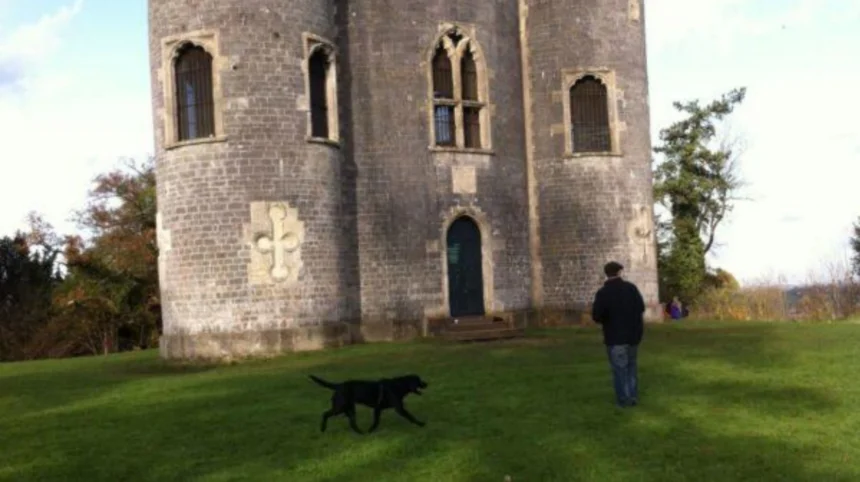
A historic estate in northwest Bristol featuring woodland, open parkland, paths and the landscape around Blaise Castle. It is suitable for varied walks, although slopes and uneven paths require care in wet weather.
3. Brandon Hill
A central Bristol park near Cabot Tower. Its lawns, planted areas and paths provide an accessible option for residents and visitors seeking a shorter urban walk.
4. Snuff Mills
A wooded riverside area along the River Frome, popular for nature-focused walks. Its shaded trails and water-edge sections require close supervision, especially when the river runs fast.
5. Leigh Woods
A woodland nature reserve across the Avon Gorge from Bristol. It offers forest trails and opportunities to experience local wildlife, with conservation rules and route conditions to consider.
6. Oldbury Court Estate
A green space in northeast Bristol with open areas and riverside paths. It provides options for neighbourhood walks and longer outings along the River Frome.
These destinations differ in size, setting and terrain. Large estates are better suited to extended outings, while central parks provide convenient spaces for short walks before or after work.
Park access, opening arrangements, maintenance work and temporary restrictions can change. Check the relevant land manager’s current information before travelling, particularly when planning a visit around livestock, deer or sensitive wildlife habitats.
Which Bristol parks are best for long dog walks?
Ashton Court Estate, Blaise Castle Estate, Leigh Woods and Oldbury Court Estate are strong choices for longer dog walks in Bristol. Their connected paths, woodland sections and open landscapes offer more route variety than compact neighbourhood parks.
Long walks require suitable terrain, reliable access and enough space to manage a dog without disturbing other park users. Bristol’s larger green spaces provide routes for steady walking, exploratory sniffing and exercise at different paces.
Ashton Court Estate for extended walks
Ashton Court Estate covers a substantial area of parkland and woodland near Long Ashton, west of Bristol. Its landscape includes open grassland, tree-lined paths and historic features. Visitors can select a shorter circuit or combine paths for a longer outing.
The estate also supports deer, which means dogs must not chase wildlife. Keep dogs under effective control and follow any restrictions displayed around deer areas. Livestock and wildlife management rules take priority over off-lead exercise.
Blaise Castle Estate for varied terrain
Blaise Castle Estate combines historic parkland, woodland and sloping paths. Its different surfaces provide variety for dogs that enjoy exploring changing environments. Routes include shaded sections and open spaces, making it suitable for walks in different seasons.
Some paths are steep or uneven. Owners walking older dogs, puppies or dogs with mobility limitations should choose shorter, less demanding routes and avoid slippery slopes after heavy rain.
Leigh Woods for woodland walking
Leigh Woods lies across the Avon Gorge from central Bristol and is managed as a nature reserve by the National Trust. Its wooded environment offers a different experience from open urban lawns.
Dogs should remain under control to protect wildlife and other visitors. Check current National Trust guidance for access restrictions, sensitive areas and any seasonal notices before setting out.
Oldbury Court Estate for riverside routes
Oldbury Court Estate offers green space and routes around the River Frome. The combination of open areas and waterside paths supports walks of different lengths.
Riverside conditions change after rain. Fast currents, muddy banks and slippery stones present hazards, so dogs should not be allowed to enter unsafe water or approach unstable edges.
Where can you walk a dog in central Bristol?
Brandon Hill, Castle Park and the green spaces around central Bristol provide convenient dog-walking options close to shops, workplaces and residential streets. These urban parks are suitable for shorter outings, although crowds, traffic and wildlife require careful dog control.
Central Bristol has smaller green spaces that fit around commuting, shopping and sightseeing. These parks are useful for dogs that need regular outdoor breaks without travelling to the city’s larger estates.
Brandon Hill
Brandon Hill sits near Park Street and Clifton. Its lawns, planted areas and paths offer a green retreat close to central Bristol. Cabot Tower is a prominent landmark within the park.
The park’s slopes and steps affect accessibility in some sections. Owners using mobility aids or walking dogs with limited stamina should assess their intended route before visiting.
Castle Park
Castle Park occupies a central location near Bristol’s shopping and business districts. Its lawns, riverside setting and paths make it convenient for a short walk during a busy day.
The surrounding urban environment includes roads, pedestrians and commercial activity. Keep dogs close near entrances, crossings and crowded paths. Check signs regarding access to planted areas and any temporary event restrictions.
Queen Square and nearby green spaces
Queen Square is a historic Georgian square in central Bristol. Its landscaped lawns and paths offer an alternative for people seeking a brief walk near the harbourside and city centre.
It is a formal public space rather than a dedicated dog exercise area. Respect lawn restrictions, event arrangements and posted instructions, and avoid allowing dogs to disturb people using the square.
Central parks are most practical when convenience matters more than extensive exercise. For a longer outing, combine a central green space with an appropriate public walking route, while checking access rules along the entire route.
Which Bristol parks are best for dogs that enjoy rivers and water?
Snuff Mills, Oldbury Court Estate and riverside paths near the Avon provide water-adjacent walking opportunities in Bristol. Dogs need close supervision around riverbanks, ponds and streams because currents, slippery surfaces, pollution and blue-green algae create avoidable safety risks.
Water attracts many dogs, particularly during warm weather. However, a riverside path does not automatically provide a safe swimming area. Owners should distinguish between walking beside water and allowing a dog to enter it.
Snuff Mills and the River Frome
Snuff Mills is a wooded riverside area in northeast Bristol. The River Frome runs through a landscape of trees, footpaths and historic industrial features. The setting supports nature-focused walks, but narrow paths and uneven ground require attention.
Keep dogs close when approaching the water. Avoid steep banks and sections where vegetation hides the river’s edge. After heavy rainfall, stronger currents and rising water levels make river access especially hazardous.
Oldbury Court Estate and riverside paths
Oldbury Court Estate provides open green space and access to paths near the River Frome. It is useful for residents seeking a combination of parkland and riverside scenery without travelling far from northeast Bristol.
Choose routes that suit your dog’s recall and walking ability. Where paths become crowded, use a lead to prevent dogs from running towards other walkers or entering the water unexpectedly.
Ashton Court’s historic ponds
Ashton Court Estate contains 15 heritage ponds. Bristol City Council warns visitors against swimming in these ponds because they support wildlife and contain stagnant water. Blue-green algae can develop in warm weather and create health hazards for people and dogs.
Do not allow your dog to drink from or swim in ponds displaying algae or warning signs. If a dog develops symptoms such as vomiting, diarrhoea, excessive drooling or breathing difficulties after possible exposure, contact a vet immediately.
Which Bristol parks are best for woodland dog walks?
Blaise Castle Estate, Leigh Woods, Snuff Mills and Ashton Court Estate provide woodland walking in and around Bristol. These locations offer shade, natural trails and wildlife encounters, but muddy ground, uneven surfaces, ticks and seasonal conservation restrictions require preparation.
Woodland walking gives dogs opportunities to explore natural scents and different ground surfaces. It also places greater responsibility on owners to prevent wildlife disturbance and keep dogs within permitted areas.
Blaise Castle Estate woodland trails
Blaise Castle Estate covers approximately 650 acres and is a Grade II* registered historic parkland. Its landscape includes woodland, a historic castle, a museum and walking routes through varied terrain. Bristol City Council publishes walking information for the estate.
Two established walking options are the Castle Walk, approximately one mile and around 40 minutes, and the Gorge Walk, approximately one mile and around 50 minutes. Both include woodland and slopes, so allow additional time when the ground is muddy.
Leigh Woods National Nature Reserve
Leigh Woods is a National Nature Reserve and part of the protected Avon Gorge landscape. The National Trust welcomes dogs and provides marked walking routes, including a circular woodland walk of approximately 1.6 kilometres.
Dogs must be kept on leads under the National Trust’s current guidance. Livestock graze in some areas, and the reserve supports rare plants and wildlife. Stay on established paths and follow notices around grazing animals and conservation areas.
Ashton Court woodland
Ashton Court combines woodland with open grassland and historic parkland. Bristol City Council identifies conservation areas where ground-nesting birds, including skylarks, need protection. During designated conservation periods, visitors must keep dogs away from roped-off areas and use short leads as instructed.
Check your dog’s coat and body after woodland walks, particularly following visits to long grass. Ticks attach to animals and people, so checking for them helps identify exposure early.
Which Bristol parks are suitable for puppies and older dogs?
Brandon Hill, Castle Park, Canford Park and suitable paths within larger Bristol estates provide options for puppies and older dogs. The best route has manageable distances, secure handling, accessible surfaces and enough space for regular breaks without demanding steep climbs.
Puppies need age-appropriate exercise, while older dogs often benefit from steady walking rather than strenuous routes. A park’s suitability depends on the individual dog’s health, confidence, fitness and response to other animals.
Choosing walks for puppies
Puppies benefit from gradual exposure to outdoor environments, including grass, pavements, natural sounds and other people. Choose quieter times and short routes while the puppy develops confidence.
Avoid forcing a puppy to complete a long estate circuit. Stop when the dog becomes tired, distressed or overwhelmed. Follow veterinary guidance on vaccinations and safe socialisation before visiting busy public areas.
Choosing walks for older dogs
Older dogs often find level paths more comfortable than steep woodland slopes. Brandon Hill has hilly sections, while Blaise Castle Estate includes inclines that require additional effort.
Choose shorter routes with opportunities to rest. On wet days, avoid slippery surfaces and uneven steps. Dogs with mobility problems or chronic health conditions need exercise suited to their veterinary advice.
Choosing walks for small dogs
Small dogs can enjoy both central parks and large estates, but route length is not the only consideration. Mud, deep puddles, livestock and crowded paths affect comfort and safety.
Use a lead near bicycles, children, unfamiliar dogs and roads. Allow a small dog to explore at its own pace without forcing it to keep up with a faster walking companion.
Which Bristol parks are best for off-lead dog exercise?
Off-lead dog exercise in Bristol depends on local park rules, posted signs, wildlife, livestock and the dog’s recall. Ashton Court and larger estates offer open landscapes, but open space does not automatically mean dogs are permitted off lead in every area.
Off-lead exercise means allowing a dog to move without a physical lead while maintaining effective control. It is different from allowing a dog to roam without supervision.
Before unclipping a lead, check local signs and applicable park byelaws. A dog that responds reliably to recall in a quiet garden can behave differently around deer, squirrels, cyclists or unfamiliar dogs.
At Ashton Court, dogs entering deer enclosures must be kept on short leads. Chasing deer or other wildlife can result in criminal prosecution. The council also identifies conservation areas that require dogs to remain on short leads.
Leigh Woods has its own lead requirements under National Trust guidance. Other locations have individual rules, particularly around children’s play areas, sports facilities and sensitive habitats.
What makes a dog suitable for off-lead exercise?
Reliable recall, calm behaviour around other dogs and responsiveness to the owner are essential. Dogs that chase wildlife, run towards strangers or ignore recall need a lead or long line in public spaces where permitted.
A long training line offers controlled freedom where local rules allow it. It is not suitable for every crowded path, and owners must prevent it from tangling around people, dogs or vegetation.
What dog-walking rules apply in Bristol parks?
Dog owners in Bristol must clean up dog waste, follow park signs, respect dog-exclusion areas and prevent dogs from harassing people or wildlife. Bristol City Council’s Public Spaces Protection Order and individual park rules establish important requirements for responsible use of public green spaces.
Bristol’s parks serve residents, families, sports groups, wildlife and visitors. Dog-control rules help people share these spaces while reducing health risks, damage to habitats and conflicts between park users.
Dog fouling and waste disposal
Owners must pick up dog waste and dispose of it responsibly. Carry waste bags on every walk and use a suitable public bin where available. If no suitable bin is nearby, take the waste home.
Dog fouling creates an unpleasant environment and presents hygiene risks. Leaving waste behind is not acceptable, including in woodland, long grass and areas away from formal paths.
Children’s play areas and restricted spaces
Bristol’s dog-control order excludes dogs from enclosed children’s play areas covered by the order. Owners must also follow notices for sports facilities, event areas and other restricted locations.
Do not assume that every lawn or enclosed area has identical rules. Read the signs at the entrance and observe temporary restrictions during maintenance or public events.
Livestock, deer and wildlife
Dogs must not chase or harass wildlife. Keep them under control around grazing animals, nesting birds and deer. At locations such as Ashton Court and Leigh Woods, follow specific instructions relating to deer enclosures, livestock and conservation zones.
A lead is the safest choice when visibility is poor, animals are nearby or recall is unreliable. Respecting these requirements protects dogs and wildlife while preserving access for other visitors.
Commercial dog walking
Bristol City Council requires a parks business licence for commercially operated dog-walking services delivered in council-managed parks and green spaces. The council distinguishes commercial services from walking your own dog, which does not require this licence.
This requirement is relevant to professional dog walkers who regularly take clients’ dogs into public parks. Owners hiring a walker should confirm that the service understands local park rules and can manage dogs safely.
What should you bring when visiting dog-friendly parks in Bristol?
Bring a lead, waste bags, drinking water, a portable bowl and suitable walking equipment for a dog-friendly park visit in Bristol. Treats, a towel and tick-checking supplies also help, especially during longer woodland walks or wet weather.
Preparing for the route helps prevent common problems and makes the outing more comfortable for dogs and owners. Equipment should reflect the dog’s size, age, behaviour and the length of the walk.
A standard walking kit includes:
- A secure lead and a correctly fitted collar or harness.
- Waste bags and a plan for disposing of them.
- Fresh drinking water and a portable bowl.
- Small training treats for recall and calm behaviour.
- A towel for muddy paws and wet coats.
- A phone with a saved route and emergency contact details.
For woodland walks, inspect the route before setting out and wear footwear suited to muddy or uneven paths. After the walk, check paws for cuts, seeds and debris, and examine the coat for ticks.
During hot weather, walk during cooler parts of the day and carry extra water. In winter, allow for mud, low visibility and slippery paths. Avoid exposing a dog to unsafe water or suspected blue-green algae.
How can you reach Bristol’s dog-friendly parks?
Bristol’s dog-friendly parks are accessible by a combination of walking, public transport, cycling and car travel. Ashton Court and Blaise Castle have designated car parks, while central parks and some woodland entrances are practical for local residents arriving on foot or by bus.
The best transport option depends on the park entrance, the distance from home and whether your dog is comfortable travelling. Check current transport information and parking arrangements before leaving.
Travelling to Ashton Court Estate
Ashton Court lies west of Bristol city centre near Long Ashton. Bristol City Council provides estate information, including access details, parking arrangements and seasonal closing times. Special events sometimes affect access and charges.
Allow time to walk from the parking area to your chosen trail. If you are travelling for a longer outing, check the estate’s opening arrangements and any temporary conservation restrictions.
Travelling to Blaise Castle Estate
Blaise Castle Estate is on Kings Weston Road in northwest Bristol, with the council listing the postcode BS10 7QS. The estate has a main car park off Kings Weston Road and a smaller car park off The Dingle. Several bus services stop nearby.
Check service timetables before travelling by bus, and confirm that your dog is permitted under the operator’s current conditions. Leave enough time for the walk from the stop to the estate entrance.
Travelling to Leigh Woods
The National Trust lists the North Road entrance for Leigh Woods and provides information about nearby bus services, parking and walking routes. The reserve has a mixture of surfaced and unsurfaced paths, with steep or muddy sections in places.
Check the access details if you need step-free routes or accessible parking. Mobile reception is limited in some parts of the reserve, so review the route before entering the woodland.
Visiting central Bristol parks
Brandon Hill, Castle Park and Queen Square are practical choices for people staying or working in the city centre. Their central locations make them suitable for shorter walks combined with other city activities.
Keep dogs on leads around busy streets and crossings. Before combining a park visit with a café, shop or attraction, check that the destination welcomes dogs indoors or in its outdoor seating area.
When is the best time to visit dog-friendly parks in Bristol?
Spring and autumn offer comfortable conditions for many dog walks in Bristol, while summer requires attention to heat and winter brings muddy paths. The best visiting time depends on weather, daylight, park opening arrangements, wildlife restrictions and your dog’s individual exercise needs.
Bristol’s parks change throughout the year. Seasonal conditions affect ground surfaces, wildlife activity, shade and the length of time available for walking.
Spring dog walks
Spring brings new growth, flowering woodland plants and increased wildlife activity. Leigh Woods and Blaise Castle Estate provide opportunities to explore woodland trails as vegetation develops.
Keep dogs on established paths and follow conservation notices. Avoid allowing dogs to run through wildflower areas or disturb nesting birds.
Summer dog walks
Summer offers longer daylight hours, but hot weather increases the risk of overheating. Choose shaded woodland routes or early-morning walks and carry drinking water.
Ashton Court’s open grassland can expose dogs to direct sunlight. The estate also has designated conservation areas during summer, so check signs before entering the plateau.
Autumn dog walks
Autumn brings fallen leaves, cooler weather and muddy woodland paths. Snuff Mills, Leigh Woods and Blaise Castle Estate provide opportunities for seasonal walks.
Leaves conceal uneven ground and slippery surfaces. Check your dog’s coat for ticks after walks through vegetation, and clean muddy paws before returning home.
Winter dog walks
Winter conditions make some routes more difficult because of rain, mud, reduced daylight and slippery slopes. Choose shorter routes when conditions deteriorate and use reflective equipment when visibility is low.
Check the opening arrangements for estates with seasonal closing times. At Ashton Court, for example, published closing times vary by month.
Explore More Area Guide
Best Dog Walks in Bristol: Parks, Woodland and Riverside Trails
Dog-Friendly Bristol: Parks, Walks, Pubs and Places to Visit
How do dog-friendly parks benefit Bristol residents and wildlife?
Dog-friendly parks provide opportunities for physical activity, outdoor recreation and contact with nature. Bristol’s green spaces also support habitats, trees and wildlife, making responsible dog walking important for maintaining public access while protecting the city’s natural environment.
Parks serve several purposes beyond recreation. They provide green corridors through built-up neighbourhoods, support biodiversity and offer places where people can exercise close to home.
Regular walks help dogs maintain movement and provide opportunities for sniffing and environmental exploration. For owners, walking creates a routine that combines outdoor activity with time spent in local green spaces.
However, recreational access needs to be balanced with habitat protection. Off-lead dogs can disturb ground-nesting birds, chase deer or enter sensitive vegetation. Dog waste also affects the cleanliness of shared spaces.
Leigh Woods illustrates this balance particularly clearly. The National Trust identifies the reserve as a protected landscape with nationally rare and scarce plant and insect species. Its woodland habitats support wildlife that requires careful management.
Responsible dog walking helps maintain access to these spaces without placing unnecessary pressure on their habitats. Owners can contribute by keeping dogs under control, removing waste and following seasonal restrictions.
How should you choose the right dog-friendly park in Bristol?
Choose a Bristol dog-friendly park according to your dog’s fitness, preferred environment, walking distance and ability to respond to commands. Compare access, terrain, facilities, wildlife restrictions and current conditions before selecting a route for a daily walk or longer outing.
The right park is one that matches your dog’s needs and the practical requirements of the visit.
For a long walk, start with Ashton Court Estate or Blaise Castle Estate. Both provide extensive landscapes and established walking routes. For woodland, consider Leigh Woods or Snuff Mills. For a short city-centre outing, Brandon Hill or Castle Park offers a more convenient option.
Before leaving home, consider the following:
- Walking distance: Select a route that matches your dog’s fitness and age.
- Terrain: Check for steep slopes, uneven surfaces, mud and steps.
- Wildlife: Identify areas containing deer, livestock or protected habitats.
- Lead rules: Follow the signs and the relevant land manager’s requirements.
- Facilities: Check parking, toilets, water access and waste bins.
- Weather: Adjust your route to the temperature, rainfall and daylight.
- Transport: Confirm parking arrangements and public transport conditions.
Bristol’s parks provide a range of settings, from historic estates to compact urban green spaces and protected woodland. Checking current guidance before visiting helps dog owners choose suitable routes and share public spaces responsibly.
What are the best dog-friendly parks in Bristol?
Ashton Court Estate, Blaise Castle Estate, Brandon Hill, Snuff Mills, Oldbury Court Estate and Leigh Woods are popular options for dog walks in and around Bristol. They offer a combination of open grassland, woodland trails, riverside paths and historic landscapes.