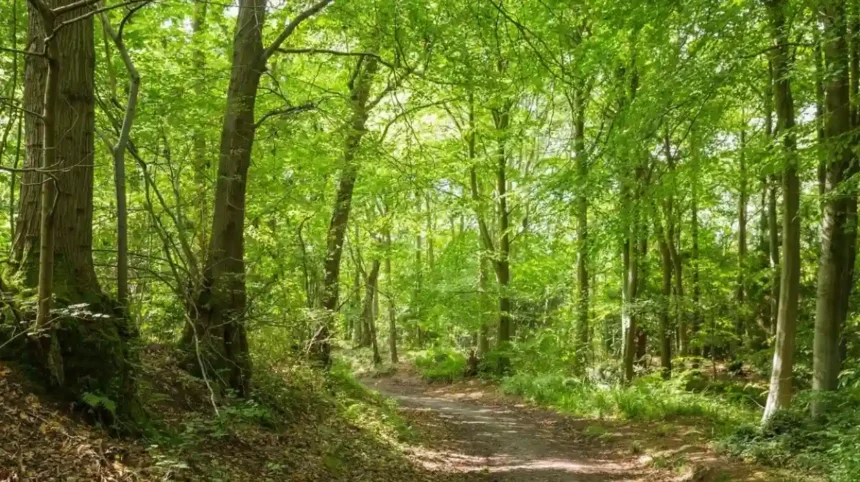
Leigh Woods occupies a distinctive position across the River Avon from Clifton. Its woodland, rocky slopes and grassland are part of a wider landscape of high conservation value. The Avon Gorge is recognised for its specialised limestone flora, including plants that occur in very limited areas.
- Where can visitors find rare wildflowers and ancient trees near Bristol?
- Where can visitors watch birds near Bristol?
- What birds can be seen at Chew Valley Lake?
- Why is the Severn Estuary important for wildlife?
- How can beginners improve their birdwatching?
- Which nature reserves near Bristol are best for streams and ponds?
- Which nature reserves near Bristol offer the best countryside views?
- Which nature reserves near Bristol are best for families?
- When is the best time to visit nature reserves near Bristol?
- How do nature reserves near Bristol protect wildlife?
- How can visitors plan a responsible nature reserve trip near Bristol?
- What should visitors bring?
- How should visitors choose transport and parking?
- What rules protect sensitive habitats?
- Which nature reserve near Bristol should you visit first?
The reserve is also associated with archaeological remains, including Stokeleigh Camp hillfort. This combination of wildlife, geology and human history makes Leigh Woods important for both conservation and environmental education.
What wildlife can visitors see at Leigh Woods?
The woodland supports birds, insects, bats and specialised plant species. The National Trust identifies the area as an important location for whitebeams, a group of trees that includes rare species with highly restricted distributions. Bristol whitebeam and Leigh Woods whitebeam are notable examples.
Spring brings bluebells and wood anemones to suitable woodland areas. Summer provides opportunities to observe butterflies and other insects around sunlit clearings. Autumn adds seasonal fungi and changing foliage, while winter reveals more of the woodland structure.
Wildlife sightings depend on weather, season and the time of day. Visitors should observe animals quietly rather than approaching or disturbing them.
What walking routes are available at Leigh Woods?
The National Trust lists a circular woodland walk of approximately 1 mile (1.6 kilometres), generally taking 30–45 minutes. The route passes veteran trees, grassland and viewpoints around the Avon Gorge.
Longer visits can combine woodland paths with the surrounding gorge landscape. Some routes include steep or muddy sections, particularly after rainfall. Visitors who need step-free access should check the latest access information before setting out.
Leigh Woods is suitable for walkers, nature photographers and families. Dogs are welcome on leads, and visitors should follow local notices where grazing animals or sensitive habitats affect access.
Where can visitors find rare wildflowers and ancient trees near Bristol?
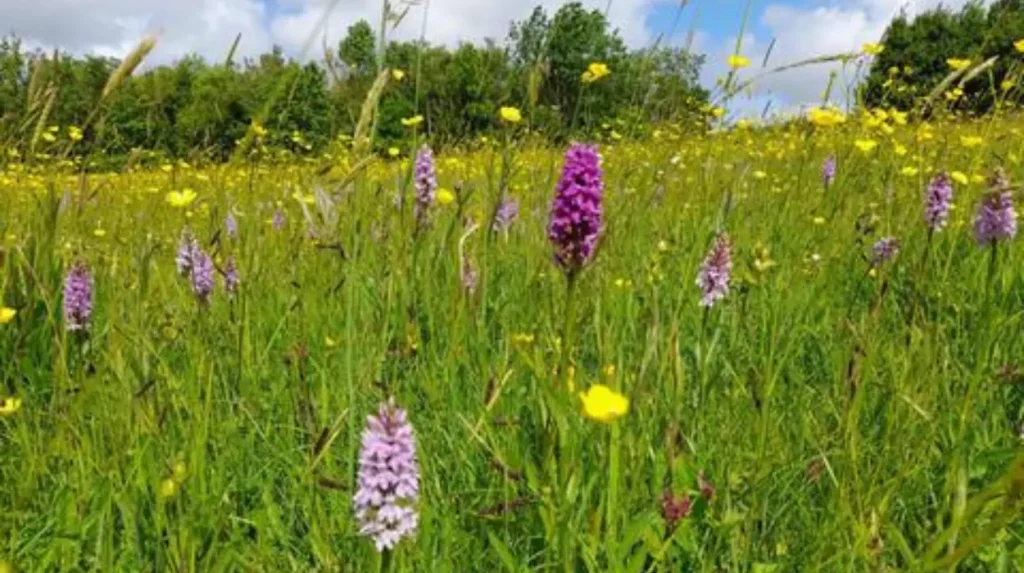
Folly Farm near Bishop Sutton protects woodland and species-rich wildflower meadows between Bristol and Bath. The reserve covers approximately 98 hectares in its published reserve information and supports butterflies, orchids, veteran trees and woodland birds, with views across the Mendip Hills and Chew Valley.
Folly Farm is managed by Avon Wildlife Trust. Its landscape combines historic farmland, woodland and flower-rich grassland. The reserve is particularly valuable because traditional wildflower meadows have declined substantially across Britain through agricultural intensification, fertiliser use and changes in land management.
Avon Wildlife Trust reports that 97% of the UK’s wildflower meadows have been lost since the 1930s. Folly Farm helps conserve this increasingly scarce habitat.
Which flowers grow at Folly Farm?
The reserve’s meadows support flowers such as betony, oxeye daisy, heath spotted orchid, black knapweed and devil’s-bit scabious. The exact plants visible depend on the season and the condition of individual grassland areas.
Spring brings woodland flowers, including primroses and native English bluebells. Summer meadows provide nectar for butterflies and other pollinating insects. These plants support food webs by supplying nectar, pollen and habitats for insects, which in turn provide food for birds and other animals.
Visitors should photograph flowers without picking them. Staying on designated paths helps protect sensitive plants and reduces damage to meadow vegetation.
What historical features can visitors discover?
Folly Farm has a history associated with an earlier estate landscape. A historic-landscape survey in 1992 identified evidence of a medieval deer park and elements of an eighteenth-century ferme ornée. This term describes a farm designed partly for the enjoyment of an estate landscape, with ornamental features integrated into working farmland.
The landscape therefore combines wildlife conservation with historical interest. The paths, field boundaries and surviving landscape features help explain how land use changed over time.
Folly Farm is open throughout the year according to Avon Wildlife Trust, with March to November identified as a particularly suitable visiting period. Dogs are not permitted. The reserve provides an accessible trail, toilets and picnic facilities, although some hillside paths become muddy or slippery.
Where can visitors watch birds near Bristol?
Chew Valley Lake and the Severn Estuary are leading birdwatching destinations near Bristol. Chew Valley Lake attracts resident, breeding and migratory waterbirds, while the estuary’s mudflats and saltmarshes provide feeding and resting grounds for waders, wildfowl and other birds throughout the annual migration cycle.
Birdwatching involves observing birds in their natural habitats without disturbing them. Bristol’s location near wetlands, farmland, woodland and the coast allows visitors to observe different bird communities within a relatively small geographical area.
Chew Valley Lake is an inland reservoir, while the Severn Estuary is a tidal coastal environment. Their different water conditions support different feeding opportunities and seasonal bird populations.
What birds can be seen at Chew Valley Lake?
Chew Valley Lake supports waterbirds such as great crested grebes, little grebes, gadwall, tufted ducks, shoveler and pochard. During migration and winter, the area attracts additional wildfowl and wading birds. Herriott’s Pool, at the southern end of the lake, is an important wildlife area managed by Avon Wildlife Trust in partnership with Bristol Water.
Reedbeds provide feeding and resting habitats for migrating reed and sedge warblers. Falling water levels expose muddy margins that attract waders, including dunlin and green sandpipers.
The best time to visit depends on the target species. Avon Wildlife Trust highlights April to July and October to February as useful periods for visiting its Chew Valley Lake reserve.
Visitors should check access restrictions before using bird hides. Some hides require a permit, while general viewing is available from designated roadside and picnic areas.
Why is the Severn Estuary important for wildlife?
The Severn Estuary is a major tidal system in southwest Britain. Its mudflats, sandbanks, saltmarshes and shallow waters support feeding and resting birds, fish and other wildlife.
The estuary experiences a large tidal range. As the tide retreats, extensive areas of mud become available to feeding waders. When the tide rises, birds move to suitable resting areas above the waterline.
This dynamic environment requires careful visitor planning. Mudflats can be unstable, and the incoming tide can cut off routes back to shore. Visitors should use recognised viewpoints and follow local safety guidance rather than walking onto exposed mud.
How can beginners improve their birdwatching?
Beginners can start by visiting accessible viewing points and taking binoculars. A field guide or bird identification app helps distinguish similar species through shape, colour, calls and feeding behaviour.
Recording the date, location, weather and species observed creates a useful personal wildlife log. Repeated visits also reveal seasonal changes, such as wintering ducks arriving at reservoirs and warblers returning in spring.
Keeping a suitable distance from birds is essential. Avoid loud noises, nest disturbance and feeding wildlife with inappropriate food.
Which nature reserves near Bristol are best for streams and ponds?
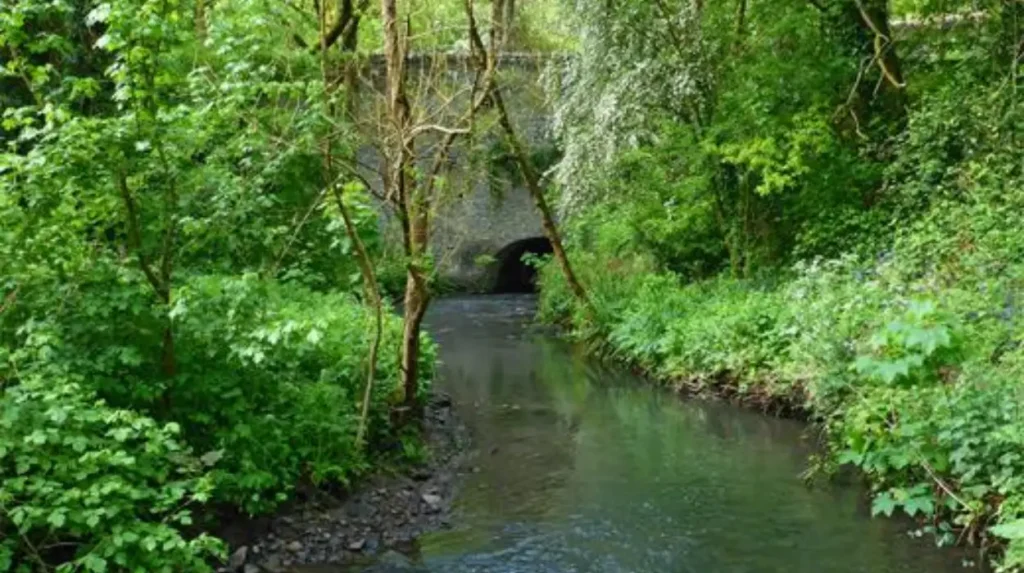
Willsbridge Valley is a four-hectare nature reserve east of Bristol with woodland, ponds, a stream and a wildlife garden. The former industrial site supports amphibians, dragonflies, kingfishers, dippers, bats and mammals while preserving evidence of the valley’s milling and quarrying history.
Willsbridge Valley demonstrates how former industrial land can become valuable wildlife habitat. Its historical uses included milling, quarrying and a coal dramway, a route used to transport coal. The reserve now combines natural features with heritage interpretation.
What wildlife lives at Willsbridge Valley?
The reserve’s ponds support frogs, toads and dragonflies. Its stream provides habitat for aquatic invertebrates and birds, including dippers and kingfishers. Foxes and badgers also live in the valley, while noctule and greater horseshoe bats feed on insects in the surrounding landscape.
Spring is particularly suitable for observing woodland flowers such as bluebells and red campion. In warmer months, visitors can look for dragonflies around the ponds and watch birds along the stream.
Wildlife is not guaranteed on every visit. Quiet observation and patience improve the chance of seeing animals without disrupting their behaviour.
Are the paths suitable for different visitors?
Avon Wildlife Trust provides public footpath access through the reserve. Wheelchair access reaches much of the valley via Willsbridge Hill, although some paths become muddy. Dogs are permitted on leads, and visitors are asked to use the designated car park rather than parking in Burney Way.
The reserve is suitable for a short nature walk, wildlife photography and learning about habitat restoration. Visitors should check current conditions if they need a fully step-free route.
Which nature reserves near Bristol offer the best countryside views?
Browne’s Folly, Burledge Hill and Folly Farm provide countryside scenery and wildlife habitats within reach of Bristol. Their landscapes include ancient woodland, limestone grassland, wildflower meadows and elevated viewpoints, making them suitable for visitors interested in walking, geology, landscape photography and seasonal plant identification.
The countryside around Bristol contains a mixture of limestone hills, wooded valleys, farmland and open grassland. These habitats differ from the city’s urban reserves because they often support larger areas of semi-natural vegetation and more extensive landscape connections.
What makes Browne’s Folly worth visiting?
Browne’s Folly, near Bath, is managed by Avon Wildlife Trust. Its ancient woodland and flower-rich grasslands support rare orchids and other plants associated with limestone landscapes. The elevated setting also provides views towards Bath and the surrounding countryside.
Visitors interested in botany should look for seasonal wildflowers while remaining on established paths. Woodland and grassland management help maintain the conditions required by specialist plants.
The reserve is particularly relevant to visitors exploring the wider Bristol and Bath area rather than staying within Bristol’s city boundaries.
What can visitors discover at Burledge Hill?
Burledge Hill lies on the northeastern fringes of the Mendip Hills and overlooks Chew Valley Lake. Avon Wildlife Trust identifies it as a flower-rich grassland reserve.
Its open landscape provides opportunities to observe grassland plants and insects while looking across the surrounding countryside. Visitors should prepare for exposed conditions on elevated paths, particularly during windy or wet weather.
Burledge Hill also demonstrates the relationship between grassland conservation and traditional land management. Without suitable management, scrub and vigorous grasses can gradually replace the open conditions required by some wildflowers.
Which nature reserves near Bristol are best for families?
Families can explore Leigh Woods, Willsbridge Valley, Brandon Hill and Folly Farm for outdoor learning, wildlife observation and walking. These destinations offer different combinations of woodland trails, accessible paths, wildlife gardens, wildflower meadows and picnic facilities, although dog rules, terrain and amenities vary by location.
Nature reserves give children opportunities to learn about ecosystems through direct observation. A pond introduces freshwater life, a meadow demonstrates pollination, and woodland reveals how trees provide shelter and food for wildlife.
Families should choose destinations according to children’s ages, walking ability and access requirements rather than relying on distance alone.
What activities help children learn about nature?
Simple activities make visits educational without disturbing wildlife. Children can identify leaf shapes, listen for bird calls, observe insects from a safe distance and record changes in plants between seasons.
At Willsbridge Valley, the wildlife garden demonstrates how gardens can provide food and shelter for wildlife. Leigh Woods offers opportunities to examine veteran trees and woodland habitats, while Folly Farm provides seasonal wildflowers and butterflies.
Children should not collect eggs, disturb nests, remove plants or handle unfamiliar animals. Observation and drawing encourage curiosity while protecting the habitats being explored.
Which access details should families check?
Before leaving home, families should confirm parking, toilets, path surfaces, opening information and dog restrictions. Folly Farm has an accessible trail and facilities, but some paths cross slopes and become slippery in wet conditions. Willsbridge Valley has wheelchair access to much of the valley, rather than every path.
A short route with a clear turnaround point often works better than an ambitious walk. Carrying drinking water, weather-appropriate clothing and a basic first-aid kit also helps families prepare for changing conditions.
When is the best time to visit nature reserves near Bristol?
Spring and summer are suitable for woodland flowers, butterflies and breeding birds, while autumn and winter offer opportunities to observe fungi, changing foliage and wintering waterbirds. The best season depends on the habitat and target species, with Chew Valley Lake and Folly Farm offering different seasonal highlights.
Nature reserves change throughout the year because temperature, daylight, rainfall and food availability influence plants and animals. Planning around seasonal patterns helps visitors select the right destination and understand what they are likely to observe.
What can visitors see in spring?
Spring brings woodland flowers, fresh foliage and increased bird activity. Leigh Woods is known for bluebells and wood anemones, while Willsbridge Valley’s woodland features bluebells and red campion. Folly Farm’s woodland floor also supports spring flowers, including primroses and native English bluebells.
This season suits plant identification, woodland photography and listening for birdsong. Visitors should avoid trampling flower displays or leaving established paths to photograph sensitive plants.
Why visit in summer?
Summer is a productive period for observing butterflies, dragonflies and meadow flowers. Folly Farm’s wildflower meadows attract butterflies such as ringlets, small tortoiseshells, gatekeepers and marbled whites. Willsbridge Valley’s ponds support dragonflies during warmer weather.
Early morning and late afternoon often provide comfortable walking conditions. Warm, calm weather also supports insect activity, although sightings depend on the particular day.
What wildlife is visible in autumn and winter?
Autumn brings migrating birds to wetland sites, including Chew Valley Lake. Its reedbeds provide feeding areas for migrating reed and sedge warblers, while winter brings important numbers of wildfowl and gulls.
Winter woodland visits reveal tree structure more clearly after leaves fall. Wet weather also changes path conditions, making waterproof footwear useful at reserves with unsurfaced trails.
Visitors should bring binoculars for distant birds and avoid approaching roosting wildlife. Cold weather and shorter daylight hours also make it important to check sunset times before beginning a walk.
How do nature reserves near Bristol protect wildlife?
Nature reserves protect wildlife by conserving habitats, managing vegetation, maintaining ponds and wetlands, and controlling activities that damage ecosystems. Organisations such as Avon Wildlife Trust, Bristol City Council, the National Trust and Forestry England support conservation through land management, habitat restoration, visitor guidance and environmental education.
Conservation involves maintaining the conditions that plants and animals need to survive. A reserve’s value depends not only on the number of species present but also on habitat quality, connectivity and the ability of wildlife populations to reproduce and move through the landscape.
Why are connected habitats important?
Wildlife corridors link habitats through features such as hedgerows, streams, woodland strips and grassland. They allow animals to move between feeding areas, shelter and breeding sites.
Bristol’s urban nature reserves contribute to this wider network. Riverside sites, wooded valleys and meadow areas provide stepping stones through developed neighbourhoods. Protecting these connections helps reduce the isolation of wildlife populations.
For example, woodland bats need suitable feeding grounds and sheltered routes, while pollinating insects benefit from connected patches of flowering vegetation. Habitat connectivity therefore supports ecological processes across both urban and rural landscapes.
How does traditional land management support biodiversity?
Some habitats depend on active management. Grassland conservation often requires cutting or grazing to prevent scrub from taking over. Woodland management can create clearings and varied vegetation structures that support different plants and animals.
Folly Farm demonstrates the importance of managing species-rich meadows and woodland. Avon Wildlife Trust protects these habitats through conservation management, helping maintain conditions for wildflowers, butterflies and other wildlife.
Visitors contribute by following marked paths, taking litter home, keeping dogs under control where permitted and respecting seasonal notices. These actions reduce disturbance and protect the features that make reserves valuable.
Explore More Area Guide
Best Gardens in Bristol: Top Botanical and Historic Green Spaces
Best Parks in Bristol: Top Green Spaces for Families and Walks
How can visitors plan a responsible nature reserve trip near Bristol?
Visitors should select a reserve according to its habitat, travel distance, accessibility and permitted activities. Checking the managing organisation’s official information before departure helps confirm parking, opening arrangements, dog rules, path conditions and seasonal restrictions while reducing disturbance to wildlife.
A successful visit starts with choosing an appropriate destination. Woodland sites suit visitors interested in trees and spring flowers, while reservoirs and estuaries are better for waterbirds. Grassland reserves offer opportunities to observe wildflowers and butterflies.
What should visitors bring?
Binoculars are useful for observing birds without approaching them. A camera, field guide, drinking water and suitable footwear help visitors spend more time outdoors comfortably.
Waterproof clothing is useful because Bristol’s surrounding countryside experiences changing weather. Unsurfaced woodland paths become muddy after rainfall, while exposed hills and estuary viewpoints can be windy.
Visitors should carry their rubbish home and avoid leaving food for wildlife. Feeding animals changes their natural behaviour and can introduce unsuitable food into their diet.
How should visitors choose transport and parking?
Leigh Woods is accessible by road and public transport, with bus services serving the area and walking connections around the Avon Gorge. Forestry England provides information about its car park, charges and access arrangements.
Chew Valley Lake also has road access, parking at designated locations and a bus connection between Bristol and Ubley. Visitors should verify current service information and parking availability before travelling.
For smaller reserves, parking is sometimes limited or located away from the entrance. Visitors should use designated spaces rather than blocking residential roads, private entrances or emergency access.
What rules protect sensitive habitats?
Visitors should remain on public paths, avoid disturbing nesting birds and never remove protected plants or wildlife. Dogs must follow the reserve’s specific rules: they are prohibited at Folly Farm, while Willsbridge Valley and Leigh Woods permit dogs under the stated conditions.
At coastal and estuary locations, visitors should check tide conditions and avoid walking across dangerous mudflats. At all reserves, following temporary closures and conservation notices helps protect wildlife during vulnerable periods.
Which nature reserve near Bristol should you visit first?
Leigh Woods is a strong choice for ancient woodland and rare plants, Folly Farm suits wildflower and butterfly enthusiasts, Chew Valley Lake attracts birdwatchers, and Willsbridge Valley offers a compact woodland and stream experience. Bristol’s urban reserves provide additional options for short walks and local wildlife discovery.
The most suitable reserve depends on the experience you want. Visitors interested in landscape and woodland history can start at Leigh Woods. Those seeking wildflowers and butterflies can explore Folly Farm during the growing season. Birdwatchers can choose Chew Valley Lake for wetland species, while Willsbridge Valley offers a smaller reserve with varied habitats and industrial heritage.
Bristol’s location gives residents and visitors access to an unusually varied selection of natural environments. Urban green spaces, ancient woodland, reservoirs, meadows and tidal habitats each support different wildlife communities. Exploring them across the seasons provides a broader understanding of the region’s biodiversity.
Responsible visits also support long-term conservation. Respecting access rules, keeping habitats undisturbed and supporting local conservation organisations help ensure these landscapes remain valuable for wildlife and future generations.
What is the best nature reserve near Bristol?
Leigh Woods is an excellent choice for ancient woodland, rare plants and scenic walks beside the Avon Gorge. Folly Farm suits wildflower enthusiasts, while Chew Valley Lake is particularly popular with birdwatchers.