Bristol and its surrounding countryside offer a wide range of wildlife-watching locations, from wetland reserves and ancient woodlands to riverbanks, coastal habitats and protected nature sites. Visitors can observe birds, butterflies, mammals, amphibians and other native species without travelling far from the city.
- Which wildlife reserves near Bristol are best for birdwatching?
- Where can you watch wildlife at Slimbridge Wetland Centre?
- Where can you watch wild birds at Chew Valley Lake?
- Which Bristol nature reserves are best for spotting small animals?
- What can you see at Bennett’s Patch and White’s Paddock?
- What wildlife can you find at Brandon Hill?
- Is Eastwood Farm a good place for wildlife watching?
- Where can you watch woodland wildlife near Bristol?
- Where can you watch wildlife in Bristol’s wetlands and riverside habitats?
- Is the Forest of Dean worth visiting for wildlife near Bristol?
- What can you see at Nagshead Nature Reserve?
- Can you watch wildlife at Cannop Ponds?
- Where can you watch birds of prey near Symonds Yat Rock?
- When is the best time to watch wildlife near Bristol?
- What wildlife can you see in spring?
- Why is summer suitable for butterflies and dragonflies?
- What wildlife can you watch in autumn and winter?
- How can you watch wildlife responsibly near Bristol?
- What equipment helps with wildlife watching?
- Should you feed wild animals?
- How can visitors protect sensitive habitats?
- How should you plan a wildlife-watching trip near Bristol?
- Why are Bristol’s wildlife sites important for conservation?
- Which places should you prioritise for wildlife watching near Bristol?
The best places to watch wildlife near Bristol include Slimbridge Wetland Centre, Avon Wildlife Trust’s nature reserves, Brandon Hill, Ashton Court Estate and Leigh Woods. Each location supports different habitats and wildlife experiences, including birdwatching, woodland exploration, wildflower observation and seasonal migration watching.
Wildlife watching involves observing animals in their natural habitats without disturbing their behaviour. Bristol’s location near the River Avon, the Severn Estuary, the Mendip Hills and the Gloucestershire countryside creates access to a diverse range of habitats. These landscapes support resident wildlife throughout the year and migratory species during particular seasons.
Which wildlife reserves near Bristol are best for birdwatching?
The best wildlife reserves near Bristol for birdwatching include Slimbridge Wetland Centre, Chew Valley Lake, Brandon Hill Nature Reserve and Bennett’s Patch and White’s Paddock. These locations offer wetland, woodland and urban habitats for observing resident birds, migrating waterbirds and seasonal wildlife.
Birdwatching is the observation and identification of wild birds in their natural environment. Bristol’s surrounding wetlands and green spaces provide different opportunities throughout the year, with the greatest variety often found where water, reedbeds, woodland and grassland meet.
The Avon Wildlife Trust manages nature reserves across the region, while the Wildfowl and Wetlands Trust (WWT) manages Slimbridge Wetland Centre in Gloucestershire. Their conservation work protects habitats that support wildlife and provide opportunities for responsible public observation.
For the best experience, choose a reserve according to the species and habitat you want to observe. Wetlands are particularly productive for waterbirds, while woodland paths offer opportunities to hear songbirds and watch smaller animals moving through vegetation.
Where can you watch wildlife at Slimbridge Wetland Centre?
Slimbridge Wetland Centre is one of the leading wildlife-watching destinations near Bristol, with extensive wetlands, dedicated bird hides and views across the Severn Estuary. Visitors observe wintering waterbirds, migrating waders, kingfishers and other species in managed and natural habitats.
Located near the village of Slimbridge in Gloucestershire, this wetland conservation centre is especially suitable for visitors seeking close views of birds without walking long distances through difficult terrain.
The wider nature reserve covers more than 325 hectares. Its wetlands, grasslands and estuary-edge habitats support internationally important bird populations. WWT identifies the reserve as a destination for observing wintering wildfowl, breeding waders and migratory birds.
Which birds can you see at Slimbridge?
The principal wildlife highlights include:
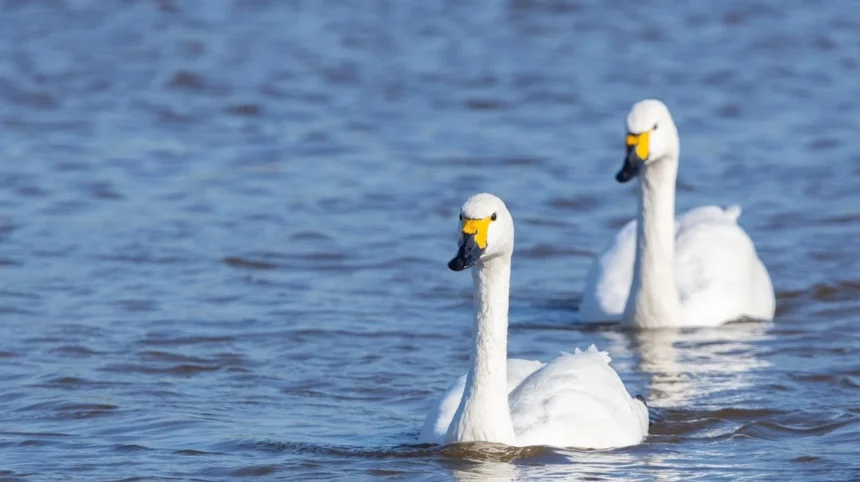
- Bewick’s swans: Migratory swans that arrive from Arctic Russia during winter.
- Wading birds: Species such as lapwings, golden plovers and green sandpipers.
- Kingfishers: Brightly coloured birds that hunt small fish around suitable waterways.
- Wild geese and ducks: Waterbirds that gather in large numbers during the colder months.
- Common cranes: Large birds associated with the reserve’s conservation and breeding work.
The reserve’s Estuary Tower Hide provides views across the Severn Estuary. Other hides overlook lakes, pools and feeding areas. Many viewing facilities are wheelchair accessible, although individual routes and access arrangements should be checked before travelling.
When should you visit Slimbridge?
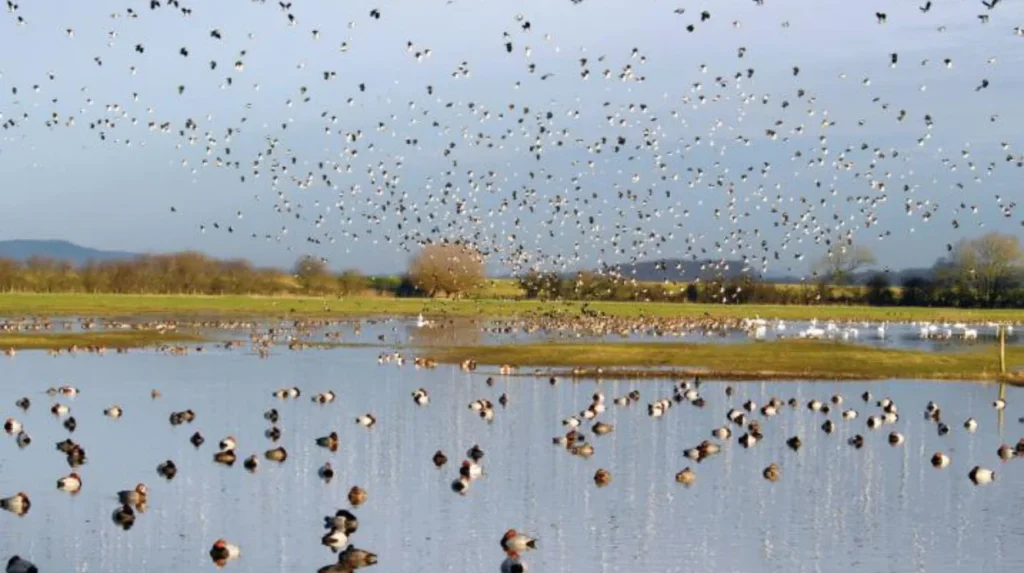
Winter is particularly productive for observing large flocks of ducks, geese and swans. Spring and autumn provide opportunities to see migrating birds, while summer offers breeding-bird activity and wetland wildflowers.
WWT reports that winter bird numbers can reach approximately 30,000 at peak periods. The actual number and species present depend on seasonal conditions.
Slimbridge is a paid visitor attraction. Its official website provides current opening hours, ticket prices, wildlife sightings and information about guided activities. Dogs and other pets are not permitted, except trained assistance dogs.
Where can you watch wild birds at Chew Valley Lake?
Chew Valley Lake is a major birdwatching destination south of Bristol, attracting resident waterbirds, wintering wildfowl and migrating species. Its open water, reedbeds and surrounding habitats provide seasonal opportunities to observe grebes, ducks, waders and birds of prey.
Chew Valley Lake is a reservoir created between 1952 and 1956 to supply drinking water to Bristol. Over time, the lake and its surrounding habitats became important for wildlife, particularly birds that use inland water during migration and winter.
The lake’s wildlife value comes from the combination of open water, reedbeds, muddy feeding areas and sheltered pools. These habitats provide food, nesting sites and resting areas for different species.
What wildlife can you see at Chew Valley Lake?
The area supports several types of waterbirds, including great crested grebes, little grebes, gadwall, tufted ducks, shoveler and pochard. During winter, teal, goosander and other wildfowl use the lake and its surrounding waters.
Herriott’s Pool Nature Reserve, managed by Avon Wildlife Trust in partnership with Bristol Water, is an important wildlife-watching location at the southern end of the lake. Its reedbeds support migrating reed and sedge warblers, while exposed mud attracts wading birds when water levels fall. Dragonflies are particularly active during summer.
Birds of prey and occasional unusual migratory visitors also attract experienced birdwatchers. However, individual sightings depend on the season and current conditions.
How should you plan a visit to Chew Valley Lake?
April to July is useful for observing breeding birds and summer insects. October to February offers opportunities to see wintering waterbirds and autumn migration.
General wildlife observation is possible from suitable public viewpoints and designated access areas. Access to some hides requires a permit, and sensitive sections of the reserve do not allow unrestricted entry. Follow the current guidance from Avon Wildlife Trust and Bristol Water before visiting.
Which Bristol nature reserves are best for spotting small animals?
Bennett’s Patch and White’s Paddock, Brandon Hill Nature Reserve and Eastwood Farm provide accessible places to observe smaller wildlife around Bristol. Their woodland, meadows, ponds and riverside habitats support insects, butterflies, birds, amphibians and mammals.
Urban nature reserves are important because they preserve wildlife habitats within developed areas. Patches of woodland, grassland and water connect otherwise fragmented green spaces, allowing animals to feed, shelter and move between habitats.
Bristol City Council lists several local nature reserves, including Badock’s Wood, Eastwood Farm, Callington Road and Lamplighter’s Marsh. Each has a different combination of habitats and wildlife opportunities.
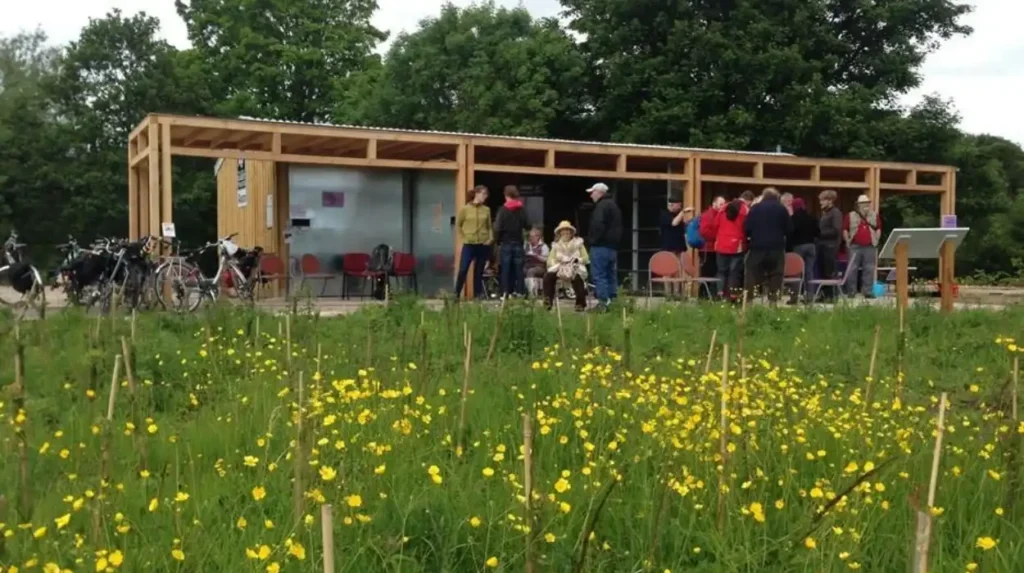
What can you see at Bennett’s Patch and White’s Paddock?
Located in the Avon Gorge area, Bennett’s Patch and White’s Paddock contains wildflower meadows, native woodland and three wildlife ponds. Avon Wildlife Trust reports monitoring records of 42 bird species, 22 butterfly species, 118 flowering plant species and 29 tree and shrub species. These figures describe recorded biodiversity, not the number of species guaranteed on any individual visit.
Visitors can look for butterflies around flowers, birds in trees and hedges, and signs of mammals near suitable cover. Bats forage around the wider Avon Gorge landscape, while badgers and hedgehogs use suitable habitats. Sightings of nocturnal animals are more difficult during ordinary daytime visits.
Public footpaths cross the reserve, and an Access for All trail provides a more accessible route. Some paths become muddy or uneven in wet weather.
What wildlife can you find at Brandon Hill?
Brandon Hill is a centrally located green space with a nature reserve that combines urban access with habitats for local wildlife. Visitors can observe garden birds, insects and seasonal plant life while exploring the park.
Look around mature trees, shrubs and flower-rich areas for small birds, pollinating insects and butterflies. Quiet observation near vegetation is more productive than walking quickly through open spaces.
The park is suitable for short wildlife walks and photography sessions. It also allows visitors to combine nature observation with other central Bristol attractions.
Is Eastwood Farm a good place for wildlife watching?
Eastwood Farm Nature Reserve offers a combination of riverside habitats, woodland and ponds. These environments attract birds and insects and provide shelter for wildlife associated with freshwater and vegetation.
Walk slowly along public paths and watch the edges of ponds and wooded areas. Waterbirds, small woodland birds and insects are the most practical targets for a casual visit. Exact sightings change throughout the year, so no individual species should be assumed to appear on every visit.
Where can you watch woodland wildlife near Bristol?
Leigh Woods is one of the strongest choices for woodland wildlife watching near Bristol. This National Nature Reserve supports woodland birds, roe deer, foxes, bats, butterflies and rare plants within protected habitats beside the Avon Gorge and Clifton Suspension Bridge.
Managed by the National Trust, Leigh Woods is designated a National Nature Reserve and forms part of the protected Avon Gorge landscape. Its broadleaf woodland, veteran trees, grassland and limestone habitats support a distinctive range of plants and animals.
Which animals live in Leigh Woods?
Roe deer and foxes inhabit the woodland, while mice and voles use vegetation and the woodland floor. Grass snakes are also recorded in the area. The woods and surrounding gorge support bats, including greater and lesser horseshoe bats and Daubenton’s bats.
Birdwatchers can listen for song thrushes, bullfinches and marsh tits. Peregrine falcons and ravens breed in the Avon Gorge, providing additional opportunities for observing birds of prey and large woodland-edge birds.
The site’s plant life is another reason to visit. The Avon Gorge supports rare whitebeam trees, including Bristol whitebeam and Leigh Woods whitebeam, alongside specialised limestone flora.
What is the best time to visit Leigh Woods?
Spring brings woodland flowers such as bluebells and wood anemones. Summer provides shaded walking conditions and opportunities to watch insects. Autumn brings changing foliage and fungi, while quieter winter walks offer opportunities to listen for birds and look for animal tracks.
A circular woodland walk of approximately one mile (1.6 kilometres) takes around 30–45 minutes, excluding wildlife observation stops. The National Trust advises that some routes are steep or muddy, particularly near the River Avon Trail.
Where can you watch wildlife in Bristol’s wetlands and riverside habitats?
Bristol’s wetlands and riverside nature reserves offer opportunities to observe waterbirds, insects and wildlife associated with freshwater habitats. Lamplighter’s Marsh, Avon New Cut and Eastwood Farm are useful starting points for exploring the city’s waterways and marshland environments.
Ashton Court Estate is known for its extensive parkland and woodland close to the city. Its mixture of open grassland, trees and hedgerows creates habitat for wildlife that depends on both open and sheltered environments.
Which wildlife should you look for at Ashton Court?
Focus on birds in woodland edges and hedgerows, butterflies around flowering plants, and signs of mammals near tree cover. Deer are associated with the wider estate landscape, but sightings depend on location, disturbance and the time of day.
Look for movement rather than expecting animals to appear in the middle of open paths. Binoculars help visitors examine distant animals without approaching them.
How can you make the most of a visit?
Early mornings offer quieter conditions for observation. Spring and summer provide more opportunities to see insects and active breeding birds, while autumn encourages visitors to look for fungi, seasonal plant changes and birds feeding among trees.
Ashton Court also attracts walkers, cyclists and families. Choose quieter paths when possible and avoid approaching wildlife near busy routes. Check estate access information before setting out, particularly when visiting during events or periods of restricted access.
Is the Forest of Dean worth visiting for wildlife near Bristol?
The Forest of Dean is a worthwhile longer day trip from Bristol for visitors seeking woodland birds, forest mammals and varied habitats. Nagshead Nature Reserve, Cannop Ponds and Symonds Yat Rock offer distinct opportunities for birdwatching and woodland exploration.
The Forest of Dean in Gloucestershire lies farther from Bristol than the city’s local reserves, but its extensive woodland and water features support a different range of wildlife experiences.
What can you see at Nagshead Nature Reserve?
Nagshead Nature Reserve is known for its mature oak woodland and birdlife. Forestry England identifies pied flycatchers, woodpeckers, nuthatches and goshawks among the species associated with different seasons.
The reserve has two wildlife hides and two waymarked walking trails. Its visitor information board provides guidance on bird species being seen in the area. These features make Nagshead particularly suitable for visitors interested in woodland birdwatching.
Can you watch wildlife at Cannop Ponds?
Cannop Ponds consists of two reservoirs originally created in the 1820s to supply a waterwheel at Parkend Ironworks. Today, the ponds provide opportunities to observe waterbirds and explore surrounding woodland.
Forestry England highlights Mandarin ducks, reed warblers and nesting mute swans as wildlife associated with the site. Walking trails run around the ponds, making it possible to combine birdwatching with a woodland walk.
Where can you watch birds of prey near Symonds Yat Rock?
Symonds Yat Rock overlooks the River Wye and surrounding woodland. Forestry England recommends bringing binoculars to observe birds of prey around the cliffs and rocky landscape.
The viewpoint provides a useful starting point for exploring the wider forest. Visitors should remain on established trails and check for temporary path closures before travelling.
When is the best time to watch wildlife near Bristol?
Spring and summer are productive for breeding birds, butterflies and insects near Bristol, while autumn and winter provide opportunities to observe migratory birds and wintering waterfowl. The best season depends on the habitat, target species and current wildlife activity.
Wildlife observation follows seasonal changes in breeding, feeding, migration and hibernation. Understanding these patterns helps visitors choose suitable locations and set realistic expectations.
What wildlife can you see in spring?
Spring brings returning migrant birds, increased bird song and the emergence of insects. Woodland reserves such as Leigh Woods are useful for observing breeding birds and seasonal flowers, while wetlands support arriving migrants and nesting waterbirds.
Look for birds carrying nesting material or feeding in suitable habitat. Observe from a distance and never approach nests, chicks or nesting colonies.
Why is summer suitable for butterflies and dragonflies?
Warm conditions increase the activity of many flying insects. Flower-rich meadows, woodland edges, ponds and reedbeds offer opportunities to observe butterflies, bees, damselflies and dragonflies.
Bennett’s Patch and White’s Paddock provides flower-rich habitats, while Chew Valley Lake supports dragonflies over water and reedbeds. Visiting during daylight hours when insects are active improves the chance of seeing them.
What wildlife can you watch in autumn and winter?
Autumn migration brings birds travelling between breeding and wintering areas. Reedbeds and lakes provide feeding and resting habitats for these travellers. Winter then brings large gatherings of ducks, geese, swans and wading birds to suitable wetlands.
Slimbridge is particularly useful for winter birdwatching, while Chew Valley Lake provides opportunities to observe wintering wildfowl. Check recent sightings before travelling to learn which species are present.
How can you watch wildlife responsibly near Bristol?
Responsible wildlife watching means observing animals without disturbing their feeding, breeding or resting behaviour. Visitors should remain on public paths, keep a suitable distance, control dogs, avoid litter and follow reserve rules to protect Bristol’s habitats and native species.
Wildlife disturbance occurs when human activity changes an animal’s natural behaviour. Repeated disturbance can interrupt feeding, force birds to leave resting sites and expose young animals to unnecessary risks.
What equipment helps with wildlife watching?
A simple kit improves observation without requiring specialist equipment. Binoculars help identify distant birds, while a camera with a zoom lens records sightings without approaching animals. A field guide or bird-identification app helps distinguish similar species.
Wear suitable footwear for muddy paths and bring weather-appropriate clothing. A notebook helps record the date, location, habitat and species observed. These records also help visitors understand seasonal changes in local wildlife.
Should you feed wild animals?
Do not feed wildlife unless a site specifically authorises a controlled feeding activity. Human food is unsuitable for many wild animals, and feeding can change natural behaviour or encourage animals to approach visitors.
At nature reserves, follow instructions about feeding stations and designated viewing areas. Keep rubbish secure and take litter home.
How can visitors protect sensitive habitats?
Stay on marked routes, avoid trampling wildflowers and keep away from nesting birds. Dogs should be kept on leads or under effective control according to the rules of each reserve. Never handle wild animals or remove plants, eggs, feathers or other natural material from protected sites.
These actions help preserve the habitats that make wildlife watching possible. They also reduce the risk of spreading litter or disturbing species that depend on quiet feeding and breeding areas.
How should you plan a wildlife-watching trip near Bristol?
Choose a wildlife site according to your target species, travel time, accessibility and preferred habitat. Check official access information and recent sightings before departure, then allow enough time to observe wildlife quietly without rushing between locations.
A successful wildlife visit depends on preparation rather than covering the largest number of sites. A wetland trip requires different equipment and expectations from a woodland walk or a short visit to an urban nature reserve.
Which location suits different visitors?
For first-time birdwatchers, Slimbridge offers viewing hides and seasonal wildlife information. Chew Valley Lake suits visitors interested in wildfowl and migration. Leigh Woods provides woodland trails, while Bennett’s Patch and White’s Paddock is useful for observing flowers, butterflies and smaller animals.
Families seeking a short outing can start with an accessible local reserve. Visitors planning a full day can travel to Slimbridge or the Forest of Dean, depending on their interests and transport arrangements.
What should you check before leaving?
Check the following details on the official site or reserve website:
- Current opening hours and admission charges.
- Public transport, parking and walking routes.
- Accessibility information and path conditions.
- Dog restrictions and any seasonal closures.
- Recent wildlife sightings and guided activities.
For Slimbridge, consult the WWT website. For local Bristol reserves, use Bristol City Council and Avon Wildlife Trust. For Leigh Woods, check National Trust visitor information. These sources provide the most relevant access guidance for each destination.
Explore More Area Guide
Best Places to Watch the Sunset in Bristol: Top Viewpoints
Best Picnic Spots in Bristol: Parks, Views and Family Days Out
Why are Bristol’s wildlife sites important for conservation?
Bristol’s wildlife sites protect habitats within and beyond the city, supporting biodiversity, environmental education and opportunities for outdoor recreation. Wetlands, woodlands, meadows and river corridors provide food, shelter and breeding areas for wildlife while connecting people with nature.
Nature reserves are managed areas where habitat protection and conservation guide land use. Some also have formal designations that recognise their ecological importance, including Sites of Special Scientific Interest (SSSIs), National Nature Reserves and internationally protected wetland or bird sites.
Leigh Woods forms part of the Avon Gorge’s protected landscape, while Slimbridge’s wetlands have multiple conservation designations. Chew Valley Lake also has protected status reflecting its value for wildlife. These designations support habitat protection and guide activities that could affect sensitive species.
How does wildlife watching support local conservation?
Visitors develop a better understanding of habitat needs, seasonal migration and the importance of protecting natural spaces. Entry fees at conservation attractions such as Slimbridge also contribute to the organisations’ wider work, while responsible visits help sustain public support for wildlife protection.
Wildlife observations can also contribute to local knowledge when visitors submit records through established wildlife recording schemes. Accurate records include the species, date and location, with photographs where appropriate. Rare species should not be publicised with precise locations if sharing that information risks disturbance.
Bristol’s nature reserves will remain important as the city develops. Protecting existing green spaces, maintaining wildlife corridors and restoring habitats will help local species respond to changing land use and environmental conditions.
Which places should you prioritise for wildlife watching near Bristol?
Prioritise Slimbridge for wetland birds, Chew Valley Lake for wildfowl, Leigh Woods for woodland wildlife and Bennett’s Patch and White’s Paddock for butterflies and smaller animals. Bristol’s urban reserves also provide convenient options for short, low-travel wildlife visits.
The right destination depends on what you want to observe and how much time you have. Slimbridge and the Forest of Dean suit longer excursions, while Brandon Hill, Eastwood Farm and Lamplighter’s Marsh offer opportunities closer to the city.
Check current sightings and site access before travelling, especially when looking for a particular species. Bring binoculars, stay on designated paths and allow wildlife to behave naturally. These simple steps help make every visit more productive while protecting the places that support Bristol’s biodiversity.
What are the best places to watch wildlife near Bristol?
The best places include Slimbridge Wetland Centre, Chew Valley Lake, Leigh Woods, Ashton Court Estate, Brandon Hill and Bennett’s Patch and White’s Paddock. Each offers different habitats for birds, mammals, butterflies and other wildlife.