Bristol’s cultural scene reflects the city’s history, creative industries, multicultural communities and independent artistic identity. Located in South West England, Bristol is recognised for its street art, live music, historic theatres, contemporary galleries, independent cinemas, museums and internationally recognised festivals. Its cultural attractions connect traditional heritage with modern creative expression.
- How Did Bristol Develop Its Distinctive Cultural Identity?
- Bristol’s maritime and industrial heritage
- Cultural diversity and migration
- Bristol’s contemporary creative identity
- What Makes Bristol’s Street Art and Graffiti Culture Famous?
- Banksy and Bristol’s international reputation
- Stokes Croft and independent street art
- Upfest and public art events
- Which Museums and Galleries Showcase Bristol’s Cultural Heritage?
- Bristol Museum and Art Gallery
- M Shed and Bristol’s social history
- Arnolfini and contemporary art
- Spike Island and independent artistic production
- Royal West of England Academy
- Photography and specialist collections
- How Does Bristol’s Music Scene Influence Its Cultural Reputation?
- Bristol and the development of trip-hop
- Bristol Beacon and major concerts
- Independent music venues
- Jazz and traditional music
- Where Can Visitors Experience Theatre and Performing Arts in Bristol?
- Bristol Old Vic and historic theatre
- Bristol Hippodrome and touring productions
- Tobacco Factory Theatre
- Comedy, dance and spoken word
- What Role Do Film, Animation and Digital Arts Play in Bristol’s Culture?
- Aardman Animations and Bristol’s animation heritage
- UNESCO City of Film
- Watershed and independent cinema
- We The Curious and interactive creativity
- Bristol’s digital creative communities
- Which Festivals and Cultural Events Define Bristol’s Annual Calendar?
- Bristol Harbour Festival
- St Paul’s Carnival
- Bristol International Balloon Fiesta
- Music festivals and contemporary events
- Exhibitions and seasonal cultural programming
- Which Bristol Neighbourhoods Have the Strongest Cultural Identities?
- Stokes Croft and Montpelier
- St Paul’s and African Caribbean heritage
- Clifton and established cultural institutions
- Harbourside and the Old City
- Bedminster and Southville
- Paintworks and Brislington
- How Does Bristol’s Cultural Scene Support Local Communities and the Economy?
- Employment and creative industries
- Tourism and independent businesses
- Education and creative development
- Social participation and community wellbeing
- What Challenges Affect Bristol’s Cultural Sector?
- Funding and financial sustainability
- Affordable creative workspaces
- Accessibility and inclusion
- Protecting local cultural identity
- What Is the Future of Bristol’s Cultural Scene?
- Bristol’s Culture Strategy 2027–2037
- Supporting emerging artists
- Digital innovation and creative technology
- Sustainable cultural development
- How Can Visitors Explore Bristol’s Cultural Scene?
- Exploring the Harbourside
- Discovering street art
- Experiencing live performances
- Visiting museums and galleries
- Planning around cultural events
- Why Is Bristol’s Cultural Scene Important?
The city has developed a distinctive cultural identity through its maritime history, industrial development, migration, artistic movements and independent creative communities. Areas such as Stokes Croft, Harbourside, Clifton, Bedminster and the Old City provide different perspectives on Bristol’s cultural character.
Bristol is particularly associated with Banksy’s street art, the development of trip-hop music, Aardman Animations and its established theatre tradition. Its creative identity also includes photography, contemporary dance, independent publishing, film production, community festivals and experimental digital arts.
The city’s cultural institutions serve residents, students, domestic visitors and international tourists. Museums preserve historical collections, galleries support established and emerging artists, and performance venues provide opportunities for local and international productions. Community-led events also make cultural participation part of everyday neighbourhood life.
Understanding Bristol’s cultural scene requires examining its historical foundations, artistic institutions, music heritage, performing arts, festivals, neighbourhoods and creative economy.
How Did Bristol Develop Its Distinctive Cultural Identity?
Bristol developed its cultural identity through maritime trade, industrial expansion, migration, artistic innovation and community activity. Its historic harbour, diverse population, independent creative organisations and internationally recognised artists established a cultural environment that connects historical heritage with contemporary artistic expression across the city.
Bristol’s cultural development reflects centuries of economic, social and architectural change. Its position as a major port encouraged international connections, commercial activity and population movement. These connections influenced local traditions, architecture, food, entertainment and artistic expression.
Bristol’s maritime and industrial heritage
Bristol became an important trading centre because of its geographical position near the River Avon and River Severn. Its historic harbour supported shipping, manufacturing and international commerce.
The city’s maritime development contributed to its prosperity but also connected it to the transatlantic slave trade. Bristol merchants, ships and businesses participated in the forced transportation and exploitation of enslaved Africans. This history remains an important part of contemporary cultural discussion.
The M Shed explores the experiences of Bristol’s residents and the development of the city through historical objects, photographs, personal accounts and exhibitions. Its collections provide context for understanding industrial growth, migration, transport and social change.
Cultural diversity and migration
Bristol’s population includes communities with connections to different countries, languages and cultural traditions. Migration has influenced the city’s religious institutions, music, food, festivals and neighbourhood identities.
St Paul’s is particularly significant because of its African and Caribbean heritage. The neighbourhood has played an important role in Bristol’s Black cultural history and community organisation.
The development of community-led cultural activities demonstrates how residents contribute to the city’s identity beyond established galleries and performance institutions.
Bristol’s contemporary creative identity
Bristol’s modern cultural reputation combines independent artistic production with internationally recognised creative businesses. Street art, animation, experimental music, independent cinema and digital media form important parts of this identity.
The city’s creative development also receives support through cultural organisations, educational institutions and public investment. Bristol City Council is developing a new Culture Strategy for 2027–2037, with public and sector engagement informing future priorities.
What Makes Bristol’s Street Art and Graffiti Culture Famous?
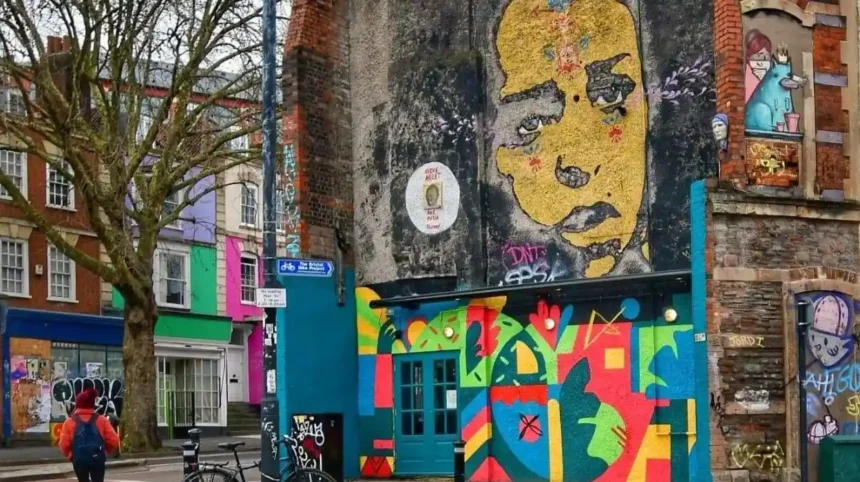
Bristol’s street art culture is recognised internationally for its distinctive murals, graffiti traditions and independent artistic expression. Banksy’s connection to the city helped establish its reputation, while local artists, community projects and Upfest continue developing its public art identity.
Street art is one of Bristol’s most recognisable cultural features. Public walls, buildings and independent creative spaces provide opportunities for artists to communicate social messages, explore visual styles and transform urban environments.
Banksy and Bristol’s international reputation
Banksy is an internationally recognised anonymous street artist associated with Bristol. His work uses stencil techniques, visual humour and political commentary to address subjects including conflict, consumerism, inequality and social issues.
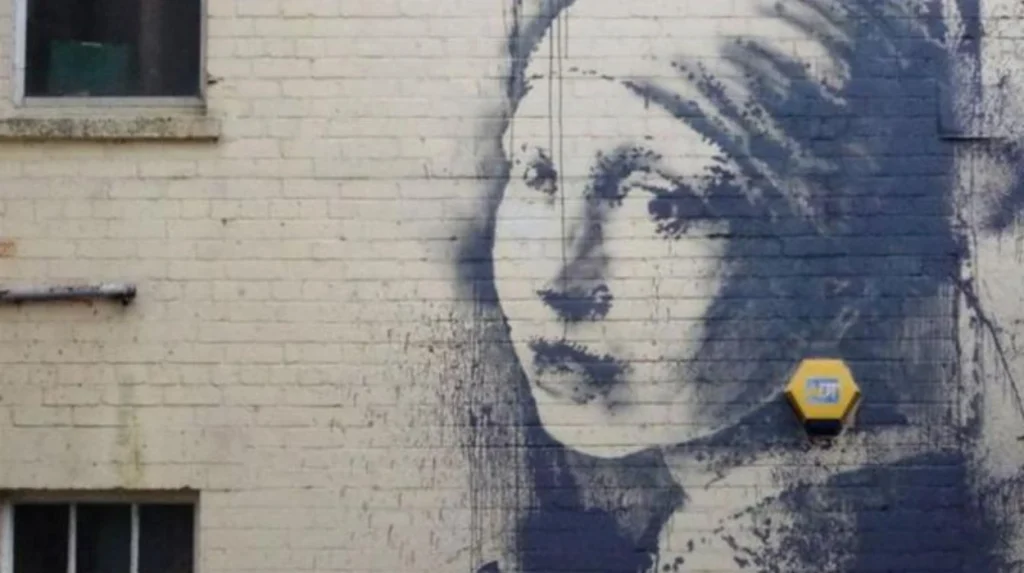
One of his notable Bristol works is The Girl with the Pierced Eardrum, located in the Harbourside area. The mural reinterprets Johannes Vermeer’s famous painting Girl with a Pearl Earring through a contemporary street-art approach.
Banksy’s connection to Bristol helped attract international attention to the city’s graffiti culture. However, Bristol’s street art identity extends beyond one artist.
Stokes Croft and independent street art
Stokes Croft is an important centre for independent art, alternative culture and creative businesses.
Its streets feature colourful murals, graffiti, independent shops and community-led artistic projects. The area has developed a reputation for supporting unconventional creative expression and public discussion.
Nearby areas such as Montpelier and St Paul’s also contribute to Bristol’s wider street art environment.
Upfest and public art events
Upfest is a major street art festival associated with Bedminster and Southville. It brings artists and audiences together through public artwork, exhibitions and creative activities.
The festival provides opportunities to discover different artistic techniques and visual traditions. Its programme also demonstrates how cultural events support neighbourhood identity and attract visitors.
Upfest is part of a wider public art environment that includes commissioned murals, independent projects and temporary installations. Visit Bristol identifies the city as a major destination for street art and highlights Upfest among its cultural events.
Which Museums and Galleries Showcase Bristol’s Cultural Heritage?
Bristol’s museums and galleries preserve the city’s historical collections while presenting contemporary art, photography, design and creative exhibitions. Important institutions include Bristol Museum and Art Gallery, M Shed, Arnolfini, Spike Island and the Royal West of England Academy.
Museums and galleries form an essential part of Bristol’s cultural infrastructure. They preserve historical evidence, support artistic development and provide educational experiences for residents and visitors.
Bristol Museum and Art Gallery
Bristol Museum & Art Gallery is one of the city’s principal cultural institutions.
Its collections cover art, archaeology, natural history and world cultures. The building provides opportunities to explore historical objects, artistic traditions and scientific discoveries through permanent collections and temporary exhibitions.
The museum is particularly useful for visitors interested in understanding Bristol within a wider historical and international context.
M Shed and Bristol’s social history
M Shed stands on the Harbourside and focuses on Bristol’s people, places and historical development.
Its exhibitions examine the city’s maritime connections, industrial activities, transport systems, communities and social history. Historic objects and personal accounts help visitors understand how Bristol changed over time.
The museum also provides an important setting for examining the city’s involvement in slavery and the continuing significance of historical memory.
Arnolfini and contemporary art
Arnolfini is an international centre for contemporary arts.
Located beside Bristol Harbour, it presents exhibitions and programmes involving visual art, performance, film, photography and interdisciplinary creative practice.
Arnolfini contributes to Bristol’s cultural reputation by supporting experimental artistic work and encouraging engagement with contemporary issues.
Spike Island and independent artistic production
Spike Island combines contemporary art exhibitions with working artist studios.
The organisation provides exhibition opportunities and professional facilities for artists. Its creative environment connects artistic production with public engagement, research and educational activity.
Royal West of England Academy
The Royal West of England Academy (RWA) is an established art institution in Clifton.
Its collection includes more than 1,200 artworks spanning the nineteenth century to the present. The academy presents exhibitions featuring established and emerging artists, providing a connection between historical artistic traditions and contemporary visual culture.
Photography and specialist collections
The Martin Parr Foundation supports photography through exhibitions, events and archival activities. Located in the Paintworks creative area, it provides opportunities to explore documentary photography and photographic practice.
The Stradling Collection also contributes to Bristol’s specialist cultural landscape through its post-war craft and design holdings, including studio ceramics and glass.
Bristol City Council identifies its museums as free-entry attractions, although individual exhibitions and special activities sometimes require payment.
How Does Bristol’s Music Scene Influence Its Cultural Reputation?
Bristol’s music scene is internationally recognised for trip-hop, electronic music, independent performance venues and diverse live entertainment. Its musical identity connects pioneering local musicians, independent record shops, established concert halls, community events and contemporary performers.
Music is a central component of Bristol’s cultural identity. The city supports different genres, performance traditions and independent music communities. Its musical development reflects experimentation, collaboration and the influence of local communities.
Bristol and the development of trip-hop
Trip-hop is an electronic music genre that combines hip-hop rhythms, sampling, atmospheric production and elements of jazz, soul and other musical traditions.
Bristol became closely associated with trip-hop during the late twentieth century. The city produced influential musicians and groups that helped introduce its distinctive sound to international audiences.
Massive Attack is among the most influential groups associated with Bristol. Their music helped establish the city’s international reputation for experimental electronic production.
Other significant Bristol-associated acts include Portishead and Tricky. Their work contributed to the development and international recognition of trip-hop.
Bristol Beacon and major concerts
Bristol Beacon is a major concert and cultural venue.
Its programme includes orchestral performances, contemporary music, touring artists, community events and educational activities. The venue also supports music participation through learning opportunities and engagement with local communities.
Its role extends beyond hosting performances. It provides an important platform for musical development and public access to live entertainment.
Independent music venues
Bristol’s independent music venues support emerging musicians and specialist audiences.
The Thekla is a well-known live music and nightlife venue located on a converted ship in Bristol Harbour.
The The Fleece has a long association with live music and touring performers.
Other important music spaces include The Jam Jar and Rough Trade Bristol, which support live performances, music discovery and independent musical communities.
Jazz and traditional music
Bristol also has an established jazz culture. King Street is an important location for visitors interested in traditional and contemporary live music.
The The Old Duke is particularly associated with live jazz performances.
The venue contributes to the historic street’s entertainment identity and demonstrates how traditional music remains part of Bristol’s contemporary cultural life.
Where Can Visitors Experience Theatre and Performing Arts in Bristol?
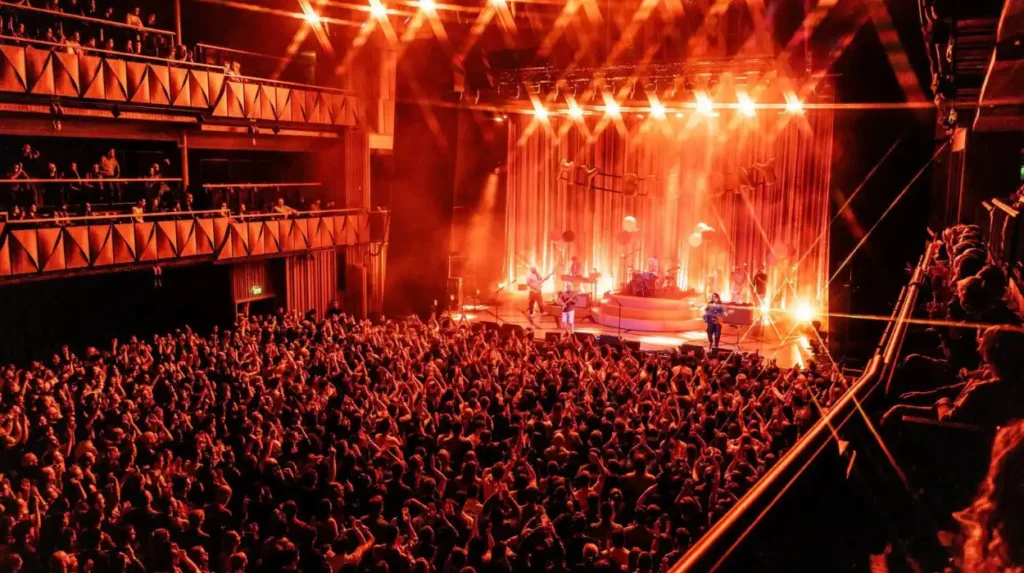
Bristol’s performing arts scene includes historic theatres, contemporary performance spaces, independent companies, comedy venues and touring productions. Bristol Old Vic, Bristol Hippodrome and smaller creative venues provide opportunities to experience theatre, dance, spoken word and live entertainment.
Theatre and performing arts connect Bristol’s historical entertainment traditions with contemporary performance. The city accommodates major touring productions alongside independent theatre, experimental performances and community-led programmes.
Bristol Old Vic and historic theatre
Bristol Old Vic is one of Britain’s most historically significant theatres.
The theatre first opened in 1766 and has developed through several periods of British theatrical history. Its heritage includes historic productions, influential performers and changing approaches to stage performance.
Today, Bristol Old Vic presents contemporary theatre, new writing, established productions and educational activities.
Its heritage programme also helps audiences understand the development of theatre in Bristol through archival material and exhibitions.
Bristol Hippodrome and touring productions
Bristol Hippodrome is a major theatre venue in the city centre.
It regularly hosts touring musicals, large-scale productions, concerts, comedy and family entertainment.
The venue attracts audiences from Bristol and surrounding parts of South West England. Its programme makes national touring theatre accessible without requiring visitors to travel to London.
Tobacco Factory Theatre
Tobacco Factory Theatre is an important independent performing arts venue in South Bristol.
It presents theatre productions, contemporary performance and creative programmes. Its location in Southville also connects cultural activity with the neighbourhood’s independent businesses and community spaces.
Comedy, dance and spoken word
Bristol’s performing arts scene also includes comedy, poetry, spoken word and dance.
Smaller venues and community spaces provide opportunities for performers to experiment with new material and reach local audiences. These activities broaden access to performance beyond traditional theatre buildings.
The University of Bristol’s cultural guide also identifies music, theatre, cinema and poetry as important parts of the city’s creative environment.
What Role Do Film, Animation and Digital Arts Play in Bristol’s Culture?
Film, animation and digital arts strengthen Bristol’s creative reputation through internationally recognised production companies, independent cinemas, experimental media organisations and educational institutions. The city’s UNESCO City of Film designation recognises its contribution to filmmaking, television production and moving-image innovation.
Bristol’s creative industries extend beyond traditional visual and performing arts. Film production, animation, television, digital technology and interactive media contribute to the city’s cultural economy.
Aardman Animations and Bristol’s animation heritage
Aardman Animations is one of Bristol’s most internationally recognised creative businesses.
The studio is famous for stop-motion animation and characters including Wallace and Gromit, Shaun the Sheep and Morph. Its work combines handcrafted animation, visual comedy and distinctive character development.
Aardman’s presence connects Bristol with international film audiences and demonstrates the commercial potential of creative production.
Its animation heritage also contributes to the city’s cultural identity through exhibitions, events and creative education.
UNESCO City of Film
Bristol received its UNESCO Creative City designation for Film in 2017. The recognition reflects the city’s established contribution to film and moving-image production.
According to UNESCO in the UK, Bristol has more than 190 film and television production and post-production companies. These businesses contribute approximately £288 million to the local economy and employ around 5,300 people.
BBC Bristol Studios also contributes to the city’s broadcasting history. Its production work has included internationally recognised radio, drama and television programmes since 1934. UNESCO in the UK
Watershed and independent cinema
Watershed is an independent cinema and cultural organisation located beside Bristol Harbour.
It presents independent films, international cinema, documentaries and special screenings. Its wider programme connects film with technology, creative research and public discussion.
Watershed also supports creative collaboration through its cultural and digital innovation activities.
We The Curious and interactive creativity
We The Curious is an interactive science centre that connects science, creativity and public participation.
Its exhibitions and planetarium programmes introduce scientific concepts through practical experiences. Although it is primarily a science attraction, it contributes to Bristol’s wider creative culture by connecting education, design, technology and interactive media.
Bristol’s digital creative communities
Digital creativity also has an established presence through organisations such as the Pervasive Media Studio.
The studio provides a collaborative environment for artists, technologists, researchers and creative professionals. Its work explores relationships between technology, public spaces and artistic expression.
This activity positions Bristol as a location where traditional artistic practice intersects with digital innovation.
Which Festivals and Cultural Events Define Bristol’s Annual Calendar?
Bristol’s cultural calendar includes major music festivals, street art celebrations, community carnivals, harbour events and creative exhibitions. Bristol Harbour Festival, St Paul’s Carnival, Upfest, Love Saves the Day and Forwards Festival represent important parts of this annual programme.
Festivals make Bristol’s cultural identity visible through public performances, neighbourhood celebrations and large-scale events. They create opportunities for artists, performers, businesses and community organisations to engage with wider audiences.
Bristol Harbour Festival
Bristol Harbour Festival is one of the city’s best-known public celebrations.
The festival takes place around Bristol Harbour and combines live music, artistic performances, maritime activities and food-related events.
Its waterfront setting connects the city’s cultural programme with its maritime history. Visitors experience performances and public activities across different harbour locations.
St Paul’s Carnival
St Paul’s Carnival celebrates African and Caribbean heritage through music, dance, costumes, food and community participation.
The event has a significant connection with St Paul’s and Bristol’s Black cultural history.
Its programme reflects the contribution of African and Caribbean communities to the city’s social and cultural identity.
St Paul’s Carnival also creates opportunities for local performers, community groups and independent businesses to participate in a major public celebration.
Bristol International Balloon Fiesta
Bristol International Balloon Fiesta is one of Bristol’s most recognisable annual events.
The festival is associated with hot-air balloon launches, illuminated evening displays and public entertainment. Its setting at Ashton Court Estate provides a large outdoor space for visitors.
Although ballooning is its central attraction, the event also contributes to Bristol’s wider tourism and cultural calendar.
Music festivals and contemporary events
Bristol attracts music audiences through events such as Love Saves the Day and Forwards Festival.
Love Saves the Day is associated with electronic music, dance culture and contemporary festival programming. Forwards Festival combines live music with a wider programme of entertainment and cultural activity.
These events demonstrate Bristol’s continuing connection with independent music and contemporary performance.
Exhibitions and seasonal cultural programming
Bristol’s cultural calendar continues beyond major annual festivals. Galleries, museums, cinemas and performance venues organise changing exhibitions and events throughout the year.
The Visit Bristol events calendar provides information about exhibitions, performances, festivals and other cultural activities. Checking current programmes is important because dates, ticket arrangements and participating venues change between years.
Which Bristol Neighbourhoods Have the Strongest Cultural Identities?
Bristol’s cultural identity is distributed across neighbourhoods rather than concentrated in one district. Stokes Croft, St Paul’s, Clifton, the Harbourside, Bedminster and Southville each contribute distinct artistic, historical, musical and community experiences.
Exploring different neighbourhoods provides a broader understanding of Bristol’s creative communities. Each area offers distinct cultural experiences shaped by local history, businesses, public spaces and community organisations.
Stokes Croft and Montpelier
Stokes Croft is associated with street art, alternative culture and independent creative businesses.
Its murals, galleries, music spaces and independent shops attract people interested in Bristol’s contemporary artistic identity.
Montpelier adds another dimension through its community atmosphere, independent businesses and connections with local creative activity.
Together, these neighbourhoods provide opportunities to explore Bristol’s independent cultural environment.
St Paul’s and African Caribbean heritage
St Paul’s has an important place in Bristol’s cultural history.
The neighbourhood is associated with African and Caribbean communities, local music, community organisations and St Paul’s Carnival.
Its cultural importance extends beyond annual celebrations. Community projects, religious institutions, food businesses and social organisations contribute to the area’s continuing identity.
Clifton and established cultural institutions
Clifton is associated with historic architecture, museums, galleries and established cultural attractions.
The Royal West of England Academy is an important part of this neighbourhood’s artistic identity.
Clifton Observatory and its surrounding historic environment also provide opportunities to explore Bristol’s architectural and scientific heritage.
Harbourside and the Old City
The Harbourside combines historic maritime buildings with contemporary cultural institutions.
M Shed, Arnolfini, Watershed and We The Curious provide different experiences within a relatively compact central area.
King Street and the Old City contribute through historic buildings, traditional pubs, independent entertainment venues and Bristol Old Vic.
This part of Bristol is particularly suitable for visitors interested in combining museums, theatre, live music and waterfront attractions.
Bedminster and Southville
Bedminster and Southville have developed strong connections with independent businesses, public art and neighbourhood creativity.
Their cultural identity includes Upfest, independent shops, community activities and local performance spaces.
The Tobacco Factory Theatre is an important cultural attraction in Southville. Its programme helps connect professional performance with local audiences.
Paintworks and Brislington
Paintworks is a creative business and studio environment in Brislington.
Its cultural activity includes photography, visual arts and independent creative businesses. The Martin Parr Foundation is an important institution within this wider creative setting.
These neighbourhoods demonstrate that Bristol’s cultural infrastructure extends beyond its traditional tourist centre.
How Does Bristol’s Cultural Scene Support Local Communities and the Economy?
Bristol’s cultural sector supports employment, tourism, education, independent businesses and neighbourhood participation. Museums, creative companies, festivals and performance venues generate economic activity while providing opportunities for learning, artistic development, community engagement and cultural preservation.
Culture contributes to Bristol’s economy through direct employment and spending associated with visitors, audiences and creative businesses.
Employment and creative industries
Bristol supports employment across several creative sectors, including film production, animation, music, photography, theatre, design and digital technology.
The UNESCO film figures demonstrate the economic importance of the moving-image sector alone. More than 190 film and television production and post-production companies contribute approximately £288 million to the local economy and employ around 5,300 people.
These figures illustrate how creative activities generate economic value beyond ticket sales and exhibition admissions.
Tourism and independent businesses
Cultural attractions encourage visitors to explore different parts of Bristol.
Museums, galleries, historic theatres and festivals attract audiences who also spend money at independent shops, cafés, restaurants, hotels and transport businesses.
The Harbourside demonstrates this relationship particularly clearly. Its combination of cultural institutions, waterfront attractions, restaurants and public spaces encourages visitors to spend time within the city centre.
Education and creative development
Bristol’s cultural organisations support education through exhibitions, workshops, performances and public programmes.
Museums introduce visitors to local history and international heritage. Galleries provide opportunities to understand artistic techniques and contemporary creative issues.
Music and theatre organisations also support practical learning through performance opportunities, training and community participation.
The University of Bristol and UWE Bristol contribute to the city’s creative environment through teaching, research and links with cultural organisations.
Social participation and community wellbeing
Cultural participation provides opportunities for people to connect through shared activities.
Community festivals, creative workshops, local performances and public exhibitions encourage participation across different age groups and neighbourhoods.
Bristol’s cultural strategy recognises the relationship between cultural activity, community identity, wellbeing and economic development. The council’s annual Cultural Impact Survey also measures employment, investment and social value within the cultural sector.
What Challenges Affect Bristol’s Cultural Sector?
Bristol’s cultural sector faces challenges involving funding, affordable creative workspaces, audience accessibility and financial sustainability. Addressing these issues requires cooperation between public institutions, independent organisations, businesses, artists and local communities to maintain an inclusive cultural environment.
Despite its established reputation, Bristol’s cultural sector operates within a changing economic environment.
Funding and financial sustainability
Cultural organisations require reliable funding to maintain buildings, employ staff, organise exhibitions and deliver public programmes.
Independent galleries, theatres and community organisations often balance ticket income, grants, sponsorship and donations. Rising operating costs create additional pressure on smaller organisations.
Bristol City Council’s cultural investment programmes aim to support organisations and activities that contribute to the city’s creative environment.
Affordable creative workspaces
Artists and creative businesses require affordable studios, rehearsal rooms, exhibition spaces and production facilities.
Property costs and competition for commercial premises influence where creative organisations operate. Maintaining accessible workspaces helps independent artists remain connected with local communities.
Creative areas such as Paintworks and Spike Island demonstrate the importance of dedicated facilities for artistic production.
Accessibility and inclusion
Cultural participation requires accessible buildings, affordable tickets and programmes that reflect different community experiences.
Museums, theatres and galleries address these needs through educational activities, public programmes and accessibility arrangements.
Continued investment in inclusive cultural provision supports participation among residents who face financial, physical or social barriers.
Protecting local cultural identity
Urban development and commercial changes influence the character of established creative neighbourhoods.
Preserving historic buildings, supporting independent businesses and maintaining community-led artistic projects help protect Bristol’s cultural identity.
The challenge involves supporting economic development without reducing opportunities for independent creative expression.
What Is the Future of Bristol’s Cultural Scene?
Bristol’s cultural future centres on creative innovation, community participation, sustainable investment and stronger connections between established institutions and independent organisations. The developing 2027–2037 Culture Strategy provides an important framework for shaping the city’s cultural priorities.
Bristol continues to develop its cultural infrastructure through public engagement, creative partnerships and investment discussions.
Bristol’s Culture Strategy 2027–2037
Bristol City Council is developing a new ten-year Culture Strategy covering 2027 to 2037.
The process involves gathering feedback from residents, cultural professionals and organisations. Its purpose is to understand the city’s cultural priorities and inform future decisions.
In 2026, the council also launched three engagement funding strands. It received 155 applications and awarded funding to 19 projects. These projects included workshops, research, storytelling and artist-led activities across Bristol’s neighbourhoods.
The strategy provides an opportunity to strengthen relationships between cultural organisations and local communities.
Supporting emerging artists
Emerging artists contribute to Bristol’s long-term cultural development through new artistic approaches, independent projects and collaborations.
Artist studios, creative networks, educational institutions and exhibition spaces provide opportunities to develop professional experience.
Maintaining these facilities supports the next generation of Bristol’s creative workforce.
Digital innovation and creative technology
Digital media, interactive exhibitions and experimental performance continue to influence cultural production.
Bristol’s existing strengths in animation, film, digital technology and creative research provide a foundation for further innovation.
Organisations such as Watershed and the Pervasive Media Studio demonstrate how technology and artistic practice connect within the city.
Sustainable cultural development
Sustainable cultural development involves protecting historic venues, supporting local talent and maintaining accessible public programmes.
Cultural organisations also consider environmental responsibilities through building management, event planning and operational improvements.
Long-term planning helps ensure that Bristol’s creative identity remains connected to its residents rather than depending exclusively on tourism and major commercial attractions.
Explore More Area Guide
Bristol Music History: Trip-Hop, Reggae and Legendary Music Venues
Bristol Industrial Heritage: Factories, Docks and Engineering History
How Can Visitors Explore Bristol’s Cultural Scene?
Visitors can explore Bristol’s cultural scene by combining museums, independent galleries, historic theatres, street art, music venues and neighbourhood festivals. The Harbourside, Old City, Stokes Croft, Clifton and Bedminster provide practical starting points.
A cultural visit becomes more comprehensive when visitors combine different types of attractions rather than concentrating on one institution.
Exploring the Harbourside
The Harbourside provides an accessible starting point for cultural exploration.
Visitors can combine M Shed, Arnolfini, Watershed and We The Curious within the wider waterfront area.
The SS Great Britain also provides an opportunity to explore Bristol’s maritime and engineering heritage.
Discovering street art
Stokes Croft and surrounding neighbourhoods provide opportunities to explore Bristol’s street art.
Visitors can identify murals, discover independent creative businesses and explore the relationship between public art and neighbourhood identity.
Bedminster is another important destination for people interested in street art and Upfest.
Experiencing live performances
Visitors interested in theatre can explore programmes at Bristol Old Vic, Bristol Hippodrome and Tobacco Factory Theatre.
Music audiences can investigate performances at Bristol Beacon, Thekla, The Fleece and The Old Duke.
Checking individual venue calendars before travelling helps visitors identify performances, ticket prices and admission arrangements.
Visiting museums and galleries
Bristol Museum and Art Gallery, the RWA and Spike Island provide different perspectives on visual culture.
Photography enthusiasts can also investigate the Martin Parr Foundation.
Many Bristol museums offer free general admission, making them accessible options for visitors planning cultural activities on a limited budget.
Planning around cultural events
Festival dates and exhibition programmes change throughout the year.
Visitors should check official event calendars and venue websites before arranging travel. This is particularly important for major events that involve ticket reservations, temporary road closures or changes to public transport.
The Visit Bristol events calendar provides an overview of the city’s cultural programme.
Why Is Bristol’s Cultural Scene Important?
Bristol’s cultural scene reflects the city’s historical development, creative communities and international influence. Its identity combines maritime heritage, contemporary art, independent music, historic theatre, street art, animation and multicultural traditions.
Institutions such as M Shed, Bristol Museum and Art Gallery, Arnolfini and Bristol Old Vic preserve and develop the city’s cultural resources. Independent organisations, local artists and neighbourhood festivals extend cultural participation beyond established venues.
Bristol’s international recognition for film, animation and music strengthens its position as an important creative centre in the United Kingdom. Its UNESCO City of Film designation, internationally recognised street art and association with trip-hop demonstrate the influence of its creative industries.
The development of the Bristol Culture Strategy 2027–2037 also highlights the importance of long-term planning, community participation and sustainable cultural investment.
For residents, students and visitors, Bristol offers opportunities to explore historical collections, discover emerging artists, experience live performances and participate in community celebrations. Its cultural identity continues to develop through the relationship between heritage, creativity and everyday city life.
What is Bristol famous for culturally?
Bristol is famous for its street art, independent music, historic theatres, contemporary galleries, festivals and creative industries. The city is particularly associated with Banksy, trip-hop music, Aardman Animations and its multicultural heritage.