Bristol has one of the most distinctive music scenes in the United Kingdom. The city is internationally recognised for trip-hop, drum and bass, reggae, dub, punk, electronic music and independent live performances. Its musical identity developed through Caribbean cultural influences, underground club culture, independent record labels and generations of experimental musicians.
- What Makes Bristol’s Music Scene Unique?
- How Did Bristol’s Music Scene Develop Historically?
- How Did Caribbean Music Influence Bristol?
- How Did Punk and Post-Punk Shape the City?
- When Did the Bristol Sound Become Internationally Recognised?
- Which Music Genres Are Popular in Bristol?
- Is Bristol Famous for Trip-Hop?
- Why Is Bristol Important to Drum and Bass?
- Does Bristol Have a Strong Reggae and Dub Scene?
- Is Bristol Known for Punk and Alternative Rock?
- What About Jazz, Soul and Classical Music?
- Which Famous Musicians and Bands Come From Bristol?
- Where Can You Find the Best Live Music Venues in Bristol?
- Bristol Beacon
- The Fleece
- The Louisiana
- Trinity Centre
- Strange Brew
- Thekla
- St George’s Bristol
- Other Independent Music Venues
- Which Bristol Neighbourhoods Have the Strongest Music Culture?
- Stokes Croft
- St Paul’s
- Old Market
- Gloucester Road
- Bristol City Centre and Harbourside
- Easton and Bedminster
- What Music Festivals Take Place in Bristol?
- Love Saves The Day
- Bristol Harbour Festival
- Forwards Festival
- Bristol International Jazz and Blues Festival
- How Can Visitors Discover Emerging Musicians in Bristol?
- How Does Bristol Support Its Independent Music Industry?
- Grassroots Music Venues
- Independent Promoters
- Recording Studios and Producers
- Music Education and Community Participation
- Why Is Bristol’s Music Scene Important to the City’s Cultural Identity?
- How Can Visitors Experience Bristol’s Music Scene?
- Explore Music Venues During the Day
- Attend an Evening Concert
- Discover Music Through Local Food and Entertainment Spaces
- Check Transport and Event Arrangements
- What Is the Future of Bristol’s Music Scene?
The Bristol music scene combines internationally recognised artists with grassroots performers, independent venues, record shops, community events and music festivals. From the pioneering sounds of Massive Attack and Portishead to the contemporary energy of local punk, jazz, hip-hop and electronic artists, Bristol continues to attract musicians and audiences from across the UK and beyond.
The city’s musical heritage is closely connected to its multicultural communities, particularly the influence of Caribbean music and sound system culture. Neighbourhoods such as Stokes Croft, St Paul’s, Easton, Bedminster and the city centre have all contributed to its development.
Understanding Bristol’s music scene involves exploring its historical foundations, influential artists, musical genres, performance spaces and opportunities for discovering emerging talent.
What Makes Bristol’s Music Scene Unique?
Bristol’s music scene is distinctive because it combines Caribbean musical heritage, independent creativity, experimental production and grassroots performance culture. Its international reputation comes from trip-hop and drum and bass, while its contemporary identity includes punk, reggae, jazz, hip-hop, electronic music and live performances.
Bristol developed a musical identity through the interaction of different communities and cultural traditions. Its history as a major port city encouraged international connections, migration and cultural exchange. These influences shaped local music, particularly during the second half of the twentieth century.
The city’s independent character also contributed to its musical development. Local musicians, DJs, producers, promoters and record labels created opportunities outside mainstream commercial music. Small venues and underground clubs provided spaces for experimental performances and collaborations.
Bristol’s musical reputation rests on several important characteristics:
- Cultural diversity: Caribbean, African, British and international influences contribute to the city’s musical identity.
- Independent creativity: Local musicians and promoters support alternative music and emerging performers.
- Genre experimentation: Artists combine reggae, soul, hip-hop, punk, jazz and electronic production.
- Grassroots venues: Independent performance spaces provide opportunities for local and touring musicians.
- International recognition: Bristol artists have influenced music audiences and producers worldwide.
The Victoria and Albert Museum identifies Bristol trip-hop as a multicultural musical export influenced by dub, soul, reggae, rap and sampling. This history explains why the city’s musical identity extends beyond a single genre.
How Did Bristol’s Music Scene Develop Historically?
Bristol’s modern music scene developed through Caribbean migration, sound system culture, reggae, punk and underground club movements. These influences expanded during the 1970s and 1980s, creating the foundations for trip-hop, drum and bass and internationally recognised independent music.
Bristol’s musical history reflects the city’s changing population and cultural environment. Caribbean communities played a particularly important role in introducing musical traditions that influenced later generations of performers.
How Did Caribbean Music Influence Bristol?
Caribbean migration following the Second World War transformed British urban culture. The Windrush Generation, referring to Caribbean migrants who arrived in Britain from 1948 onwards, contributed significantly to Bristol’s cultural and musical development.
Reggae, ska, dub and sound system culture became important parts of local entertainment. Sound systems are mobile or venue-based music setups operated by DJs and selectors who play recorded tracks through powerful speakers.
These gatherings created opportunities for communities to share music, develop new styles and establish independent cultural spaces.
One important historical venue was the Bamboo Club in Bristol, which became a major centre for Caribbean music and entertainment before it was destroyed by fire in 1977.
Its cultural influence continued through later generations of musicians and music communities.
How Did Punk and Post-Punk Shape the City?
During the late 1970s and early 1980s, punk and post-punk introduced another important dimension to Bristol’s musical identity.
The Cortinas were among the city’s early punk bands. The Pop Group subsequently developed an experimental sound that combined punk energy with funk, reggae and free jazz.
Their 1979 album Y became an important example of Bristol’s alternative musical direction.
Members of the wider post-punk community later participated in other experimental projects, including Rip Rig + Panic, which featured vocalist Neneh Cherry.
This period encouraged musicians to challenge conventional songwriting and combine different musical traditions.
When Did the Bristol Sound Become Internationally Recognised?
The Bristol Sound became internationally recognised during the late 1980s and early 1990s. The Wild Bunch, a collective of DJs, musicians and performers, played an important role in developing the city’s distinctive underground sound.
The collective emerged from Bristol’s club and sound system culture. Its members combined reggae, dub, hip-hop, funk, soul and electronic influences.
Massive Attack developed from this musical environment. Their 1991 album Blue Lines became a defining release associated with the emergence of trip-hop.
Portishead and Tricky subsequently strengthened Bristol’s international reputation. Their music combined atmospheric production, sampling, hip-hop rhythms and emotionally expressive vocals.
The British Council and academic research identify the Wild Bunch and Caribbean musical influences as central to the development of this movement.
Which Music Genres Are Popular in Bristol?
Bristol supports a wide range of musical genres, including trip-hop, drum and bass, dubstep, reggae, punk, indie rock, jazz, soul and electronic dance music. Its strongest international associations are trip-hop and bass music, supported by an active independent music community.
The city’s musical diversity attracts audiences with different interests. Traditional live performances exist alongside underground club nights, experimental electronic events and contemporary alternative music.
Is Bristol Famous for Trip-Hop?
Trip-hop is one of Bristol’s most internationally recognised musical contributions.
The genre combines slow hip-hop rhythms, atmospheric electronic production, sampling, soul, reggae and dub influences. Its sound often features layered instrumentation, distinctive vocals and unconventional production techniques.
Three important artists associated with Bristol trip-hop are:
- Massive Attack: The group released Blue Lines in 1991 and helped establish Bristol’s international musical reputation.
- Portishead: Their 1994 album Dummy became a defining trip-hop recording.
- Tricky: His 1995 album Maxinquaye expanded the genre through experimental production and distinctive vocal arrangements.
Trip-hop also introduced international audiences to Bristol’s multicultural musical influences. The genre remains an important reference point for understanding the city’s creative history.
Why Is Bristol Important to Drum and Bass?
Bristol became an influential centre for drum and bass through its underground electronic music culture.
Drum and bass is an electronic dance music genre characterised by fast breakbeats, prominent basslines and complex rhythmic production. It developed from the wider British rave and jungle movements.
Roni Size is one of Bristol’s most important drum and bass artists. His musical project Reprazent received the 1997 Mercury Prize for the album New Forms.
The award brought significant attention to Bristol’s electronic music community.
The city’s club culture also supported DJs, producers and independent promoters who developed underground dance music.
Does Bristol Have a Strong Reggae and Dub Scene?
Bristol has a significant reggae and dub heritage because of its Caribbean cultural connections.
Reggae is a Jamaican music genre known for its characteristic offbeat rhythms and bass-led arrangements. Dub developed from reggae through studio experimentation, including echo, reverb, instrumental removal and remixing.
These traditions influenced the development of Bristol’s sound system culture and later electronic genres.
Local musicians and DJs continue to draw on reggae and dub through live performances, specialist club nights and independent music events.
Is Bristol Known for Punk and Alternative Rock?
Bristol has an established punk and alternative music tradition.
The city’s early punk movement included The Cortinas and The Pop Group. Contemporary bands have continued this tradition through independent releases, energetic live performances and politically aware songwriting.
IDLES is a prominent example of Bristol’s contemporary alternative music identity. The band’s album Joy as an Act of Resistance was released in 2018 and received significant critical attention.
Other local alternative and independent artists have helped maintain Bristol’s reputation for experimental guitar music.
What About Jazz, Soul and Classical Music?
Bristol also supports jazz, soul, folk and classical music.
Jazz performances take place in traditional pubs, specialist venues and concert halls. The Old Duke on King Street is particularly associated with traditional jazz and live music.
Classical audiences can attend orchestral performances, chamber concerts and recitals at Bristol Beacon and St George’s Bristol.
Soul, acoustic music and folk performances also appear in the city’s independent venues and community spaces.
This range of musical traditions makes Bristol suitable for audiences who prefer both contemporary and traditional performances.
Which Famous Musicians and Bands Come From Bristol?
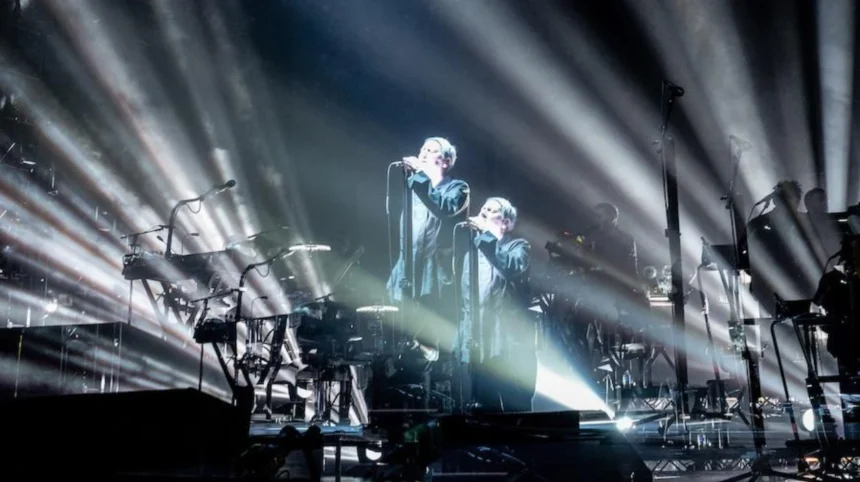
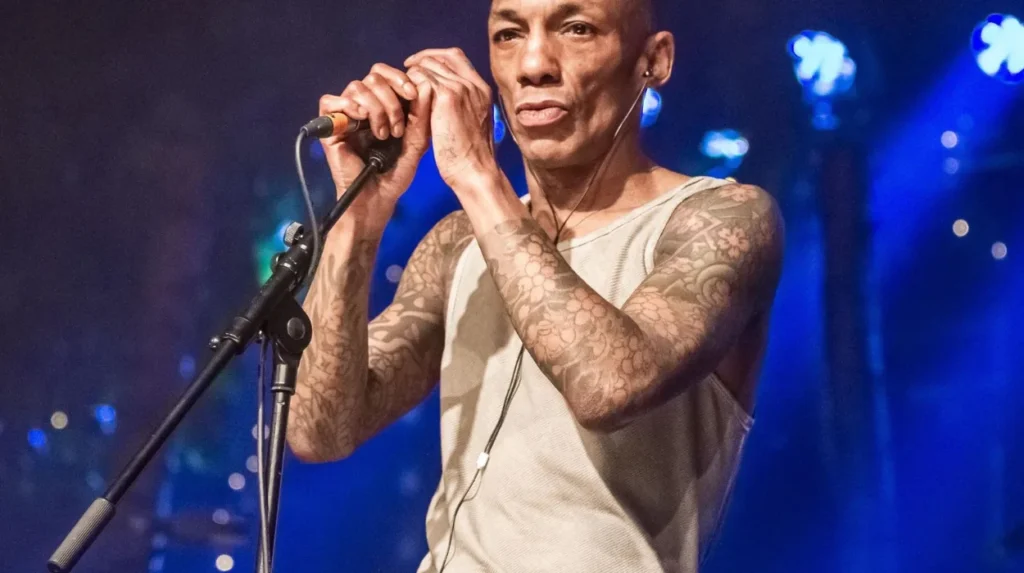
Bristol has produced internationally recognised musicians and bands across electronic, alternative, trip-hop and drum and bass music. Massive Attack, Portishead, Tricky, Roni Size, The Pop Group and IDLES are among the best-known artists connected to the city’s musical history.
The influence of Bristol musicians extends beyond the UK. Their recordings have shaped electronic production, alternative music and independent performance culture.
Massive Attack
Massive Attack emerged from Bristol’s Wild Bunch collective. The group became internationally recognised for combining hip-hop, reggae, soul and electronic production.
Its major albums include:
- Blue Lines (1991)
- Protection (1994)
- Mezzanine (1998)
The album Mezzanine became particularly influential through its dark production and experimental sound.
Portishead
Portishead helped define the Bristol Sound during the 1990s.
Their debut album Dummy, released in 1994, received widespread recognition and won the Mercury Music Prize in 1995.
The band became known for atmospheric arrangements, cinematic production and Beth Gibbons’ distinctive vocals.
Tricky
Tricky emerged from Bristol’s underground music community and became a major figure in experimental trip-hop.
His debut solo album Maxinquaye was released in 1995. It combined hip-hop, soul, dub and unconventional vocal production.
Roni Size
Roni Size became one of the most influential artists associated with Bristol drum and bass.
His project Reprazent won the 1997 Mercury Prize for New Forms. The album demonstrated how electronic dance music could combine club production with live instrumentation.
IDLES
IDLES represents a more contemporary chapter of Bristol’s musical history.
The band developed an international following through energetic performances and alternative punk rock. Its 2018 album Joy as an Act of Resistance became an important release in modern British alternative music.
Together, these artists demonstrate how Bristol developed distinct musical movements across several generations.
Where Can You Find the Best Live Music Venues in Bristol?
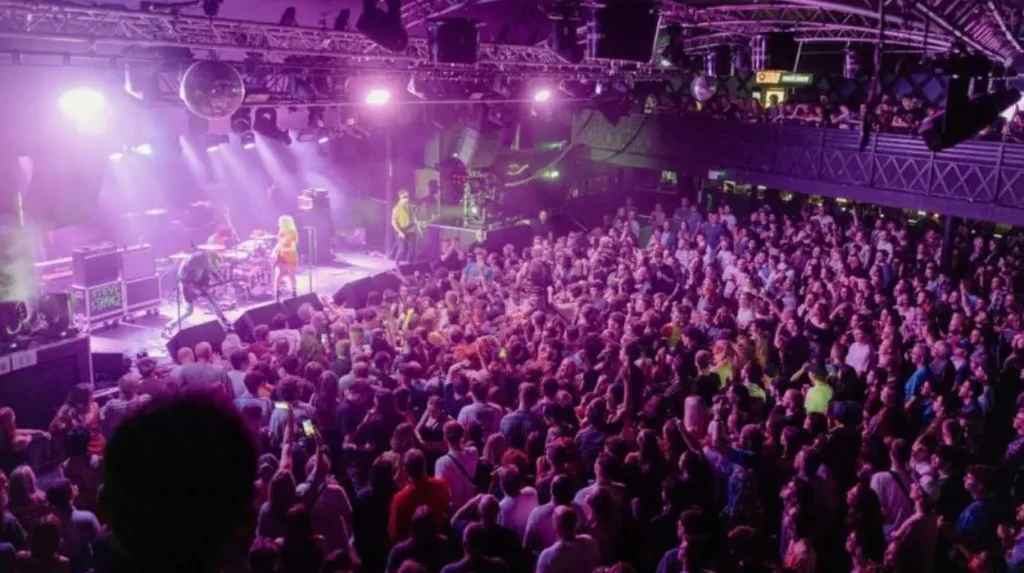
Bristol has live music venues ranging from major concert halls to independent clubs, pubs and converted buildings. Bristol Beacon, The Fleece, The Louisiana, Trinity Centre, Strange Brew, Thekla and St George’s Bristol provide different performance experiences.
The city’s venues are central to its musical identity. They provide spaces for established touring performers, emerging musicians, independent promoters and specialist music communities.
The best venue depends on the type of performance, audience size and musical preference.
Bristol Beacon
Bristol Beacon is one of the city’s major concert venues.
Formerly known as Colston Hall, it reopened following a major refurbishment in 2023. Its programme includes touring musicians, orchestral concerts, jazz, contemporary music and community performances.
The venue is located on Trenchard Street in central Bristol. Its facilities support large-scale performances and different musical programmes.
The Fleece
The Fleece is an established independent live music venue in the city centre.
It hosts rock, indie, punk, alternative and electronic performances. Its programme includes emerging performers and established touring acts.
The Fleece also supports club nights and alternative music events, making it an important destination for audiences interested in independent music.
The Louisiana
The Louisiana is a well-known grassroots music venue near the Harbourside.
Its relatively intimate performance environment supports emerging bands, independent artists and touring musicians. The venue has contributed to Bristol’s alternative music culture for decades.
Trinity Centre
Trinity Centre operates from a former church building in Old Market.
It is a community-focused arts and music venue with an eclectic programme. Events include live bands, electronic music, cultural performances and community activities.
Its historic architecture provides a distinctive setting for performances and cultural events.
Strange Brew
Strange Brew is an independent cultural venue in central Bristol.
Its programme includes experimental electronic music, alternative performances, live bands and club events. It attracts audiences interested in contemporary underground music and independent cultural projects.
Thekla
Thekla is a distinctive music venue located aboard a converted ship in Bristol Harbour.
It hosts live music, DJ performances and club nights. Its unusual setting makes it one of the city’s recognisable entertainment spaces.
St George’s Bristol
St George’s Bristol is a concert hall located in a converted church in Clifton.
It is particularly associated with classical music, chamber performances, jazz, folk and acoustic concerts.
Its concert programme provides an alternative to the city’s louder club and rock venues.
Other Independent Music Venues
Other important music spaces include The Exchange, Rough Trade, The Old Duke, The Canteen, The Gallimaufry and The Folk House.
Each contributes to a different part of Bristol’s music culture.
Visit Bristol’s official music guide provides information about these venues and the city’s wider live performance programme.
Which Bristol Neighbourhoods Have the Strongest Music Culture?
Bristol’s music culture is spread across several neighbourhoods, including Stokes Croft, St Paul’s, Old Market, the city centre, Easton and Gloucester Road. Each area contributes different musical spaces, independent venues, community traditions and entertainment opportunities.
Music in Bristol is not concentrated in one entertainment district. Its performance spaces and cultural communities are distributed across different parts of the city.
Stokes Croft
Stokes Croft is one of Bristol’s most recognisable creative neighbourhoods.
The area has independent bars, music venues, street art and alternative cultural spaces. Its musical identity is closely connected to electronic music, reggae, punk and underground club culture.
Lakota and nearby independent entertainment spaces have contributed to the area’s nightlife reputation.
St Paul’s
St Paul’s has a significant place in Bristol’s musical history.
The neighbourhood’s Caribbean communities and sound system culture helped establish the foundations of the Bristol Sound.
Its cultural importance is connected to the development of reggae, dub, hip-hop and trip-hop. The St Paul’s Carnival also reflects the area’s Caribbean heritage through music, performance and community celebrations.
Old Market
Old Market has a mixture of independent cultural spaces, historic buildings and entertainment venues.
Trinity Centre is an important music and community venue in this part of the city. Its programme brings together different musical genres and cultural activities.
Gloucester Road
Gloucester Road is known for independent businesses, pubs and community-oriented entertainment.
Music venues such as The Gallimaufry and other local performance spaces provide opportunities to experience smaller gigs, acoustic sessions and emerging performers.
Bristol City Centre and Harbourside
Central Bristol provides access to major concert halls, independent venues and live entertainment.
Bristol Beacon, The Fleece and Thekla are important destinations for music audiences. The Harbourside also hosts outdoor events and cultural celebrations throughout the year.
Easton and Bedminster
Easton has a multicultural community and an established independent arts environment. Its musical activities connect with the wider city’s reggae, electronic and alternative traditions.
Bedminster provides access to independent entertainment spaces and community events in South Bristol. Fiddlers is one of the area’s recognised live music venues.
These neighbourhoods demonstrate how Bristol’s music culture is connected to its wider social and geographical identity.
What Music Festivals Take Place in Bristol?
Bristol hosts music festivals covering electronic music, independent bands, jazz, live performances and multicultural celebrations. Love Saves The Day, Bristol Harbour Festival and other seasonal music events provide opportunities to experience local performers and internationally recognised artists.
Music festivals are an important part of Bristol’s cultural calendar. They bring together musicians, promoters, independent businesses and audiences from different backgrounds.
Love Saves The Day
Love Saves The Day is an established electronic and dance music festival.
Its programme features DJs, electronic performers and contemporary dance music. The festival attracts audiences interested in house, techno, drum and bass and related genres.
It has become an important event in Bristol’s festival culture.
Bristol Harbour Festival
Bristol Harbour Festival combines music, performance, maritime activities and community entertainment.
The event uses Bristol’s historic Harbourside as a central setting. Its programme includes live music, cultural performances and family activities.
It provides opportunities to experience music outside traditional concert venues.
Forwards Festival
Forwards Festival is associated with contemporary music and wider cultural programming.
It brings together established performers, emerging artists and audiences interested in modern music.
Bristol International Jazz and Blues Festival
The Bristol International Jazz and Blues Festival celebrates jazz and blues through concerts and performances.
Its programme has featured international musicians and established performers from the jazz community. The festival contributes to the city’s traditional and contemporary music culture.
Festival programmes and schedules change each year. Visitors should consult the official organisers before arranging travel or purchasing tickets. Visit Bristol provides an overview of the city’s music festivals and annual entertainment calendar.
How Can Visitors Discover Emerging Musicians in Bristol?
Visitors can discover emerging Bristol musicians through independent music venues, open-mic performances, record shops, community events and local gig listings. The city’s grassroots music culture provides opportunities to experience developing artists before they reach larger concert venues.
Bristol’s independent music environment makes it possible to discover performers outside mainstream entertainment programmes.
Attend Grassroots Music Performances
Smaller venues are useful places to discover new musicians.
The Louisiana, The Exchange, Strange Brew and The Fleece regularly feature independent and emerging performers. Their programmes include local artists alongside touring acts.
These performances provide opportunities to experience music in smaller settings.
Explore Open-Mic Nights
Open-mic events allow musicians, singers, songwriters and performers to present their work.
Local pubs and independent entertainment spaces organise events featuring acoustic music, original songs and covers.
They also help developing artists build confidence and connect with other musicians.
Visit Independent Record Shops
Independent record shops contribute to Bristol’s music culture by supporting music discovery and specialist communities.
Visitors can explore vinyl recordings, independent releases, second-hand albums and specialist genres.
Some record shops also organise in-store performances and promotional events.
How Does Bristol Support Its Independent Music Industry?
Bristol supports its independent music industry through grassroots venues, local promoters, recording studios, independent record labels, cultural organisations and community events. These interconnected organisations provide musicians with opportunities to perform, record, collaborate and develop professional careers.
The independent music industry is an important part of Bristol’s wider creative economy.
Its development depends on cooperation between performers, sound engineers, venue operators, producers and audiences.
Grassroots Music Venues
Grassroots venues provide performance opportunities for musicians who are developing their careers.
They host smaller concerts, experimental events and independent music nights. These performances allow artists to establish audiences and gain live experience.
Independent Promoters
Music promoters organise concerts and club events.
Their responsibilities include booking performers, arranging venues, marketing events and coordinating ticket sales.
Independent promoters help introduce new musicians to audiences and support specialist musical communities.
Recording Studios and Producers
Recording studios provide facilities for producing music, recording vocals and instruments, mixing tracks and mastering final releases.
Music producers help artists develop their sound and prepare recordings for distribution.
Bristol’s history of experimental music has made production techniques an important part of its musical identity.
Music Education and Community Participation
Music education supports the development of future performers and industry professionals.
Schools, community organisations and cultural institutions provide opportunities to learn instruments, develop performance skills and participate in music projects.
These activities strengthen the relationship between music and local communities.
Why Is Bristol’s Music Scene Important to the City’s Cultural Identity?
Bristol’s music scene contributes to the city’s cultural identity through its historical diversity, independent creative communities, international artists and live entertainment. Music connects neighbourhoods, supports cultural participation and attracts visitors interested in the city’s artistic heritage.
Music is an important part of Bristol’s identity because it reflects the experiences of different communities.
The city’s musical history demonstrates how migration, cultural exchange and independent creativity influence urban development.
Music and Cultural Diversity
Bristol’s musical identity is closely connected to its multicultural population.
Caribbean communities introduced musical traditions that influenced local performers and audiences. These influences helped establish reggae and dub culture, which later contributed to trip-hop and electronic music.
The relationship between different musical communities continues to shape Bristol’s cultural environment.
Music Tourism
Bristol attracts visitors interested in its musical heritage.
Music-related tourism includes attending concerts, exploring historic venues, visiting record shops and discovering neighbourhoods associated with influential artists.
The Bristol Rock & Roll Walking Tour also provides an opportunity to explore the city’s musical history through important locations and cultural landmarks.
Economic and Creative Opportunities
The music industry creates opportunities for musicians, technicians, promoters, event organisers and independent businesses.
Concerts and festivals also generate activity for hospitality businesses, restaurants, accommodation providers and transport services.
Grassroots venues contribute by supporting emerging performers and maintaining opportunities for independent music.
The Musician magazine’s 2019 regional feature highlighted Bristol’s substantial live music infrastructure and its strong concentration of musicians relative to its population. This provides historical evidence of the city’s established creative environment.
Explore More Area Guide
Bristol Bands to Know: Legendary and Emerging Local Music Acts
Independent Music Venues in Bristol: Best Grassroots Stages
How Can Visitors Experience Bristol’s Music Scene?
Visitors can experience Bristol’s music scene by attending concerts, exploring independent venues, visiting music-related neighbourhoods and checking local event listings. A combination of daytime cultural exploration and evening performances provides a practical introduction to the city’s musical identity.
A music-focused visit does not require extensive planning. Bristol offers different performance environments, from major concert halls to independent pubs and underground clubs.
Explore Music Venues During the Day
Visitors can explore the central music districts and nearby cultural attractions.
Bristol Beacon, the Harbourside and Old Market provide access to important cultural locations.
Stokes Croft offers opportunities to explore independent businesses, street art and alternative cultural spaces.
Attend an Evening Concert
Choosing a live performance is one of the most direct ways to experience Bristol’s music scene.
Visitors interested in alternative music can explore The Fleece, The Louisiana and Strange Brew.
Audiences looking for orchestral and classical performances can investigate Bristol Beacon and St George’s Bristol.
The Old Duke is another option for people interested in traditional jazz.
Discover Music Through Local Food and Entertainment Spaces
Some Bristol pubs, bars and independent cultural spaces combine food, drinks and live music.
The Canteen, The Gallimaufry and other independent venues contribute to the city’s informal performance culture.
These spaces provide opportunities to discover local musicians while experiencing Bristol’s independent hospitality environment.
Check Transport and Event Arrangements
Visitors should check venue locations, public transport availability, ticket conditions and event timings before travelling.
Some independent venues have limited capacities, so advance booking is useful for popular performances.
For late-night events, checking available transport connections and return journeys is particularly important.
What Is the Future of Bristol’s Music Scene?
Bristol’s musical future depends on its ability to maintain independent venues, support emerging performers and preserve its multicultural musical heritage. Electronic music, alternative bands, grassroots performances and new creative collaborations remain important parts of its continuing development.
Bristol has established an international reputation through several generations of influential musicians.
However, maintaining a successful music industry requires continued investment in performance spaces, music education and independent cultural organisations.
Protecting Grassroots Venues
Independent venues provide essential opportunities for developing musicians.
They allow performers to build audiences, experiment with new material and establish professional relationships.
Protecting these spaces is important because smaller venues often operate with limited resources and face pressures involving operating costs, property development and changing entertainment habits.
Supporting Emerging Artists
New musicians need access to rehearsal spaces, recording facilities and affordable performance opportunities.
Independent promoters and cultural organisations help create these opportunities.
Bristol’s established alternative music culture provides a foundation for new artists working across different genres.
Maintaining Cultural Heritage
Bristol’s Caribbean musical heritage remains an important part of its identity.
Preserving the history of sound systems, reggae, dub and trip-hop helps future generations understand how the city’s music developed.
Museums, archives, cultural events and community projects contribute to this preservation.
Expanding Musical Diversity
Bristol’s music scene continues to encompass different musical traditions.
Electronic production, jazz, punk, soul, hip-hop, classical music and experimental performances contribute to its contemporary identity.
Future collaborations between musicians, producers and independent organisations will continue to shape the city’s cultural development.
The long-term strength of Bristol’s music scene depends on balancing international recognition with local participation and independent creativity.
Bristol’s music scene is an important part of the city’s cultural heritage and contemporary identity. Its development reflects Caribbean migration, reggae, dub, punk, underground club culture and experimental music production.
The international success of Massive Attack, Portishead, Tricky and Roni Size established Bristol as an influential centre for trip-hop and electronic music. Contemporary performers, independent venues and music festivals continue to expand this reputation.
From Bristol Beacon and Trinity Centre to The Fleece, The Louisiana and Strange Brew, the city offers different opportunities to experience live music.
For tourists, residents and music enthusiasts, exploring Bristol’s musical neighbourhoods provides a deeper understanding of its history, cultural diversity and creative communities. Its combination of established artists, grassroots venues and emerging performers makes Bristol an important destination for live music in the United Kingdom.
What is Bristol famous for in music?
Bristol is internationally famous for trip-hop, drum and bass, reggae and experimental electronic music. Artists such as Massive Attack, Portishead, Tricky and Roni Size helped establish its international musical reputation.