Bristol has a well-established independent music culture supported by grassroots venues, community-owned spaces, independent promoters and artist-led organisations. These venues provide platforms for emerging musicians, touring performers, alternative music, electronic acts, jazz artists and local bands.
- What Are Independent Music Venues in Bristol?
- How Has Bristol’s Independent Music Scene Developed?
- The Growth of Alternative Music
- The Development of Bristol’s Underground Dance Culture
- The Importance of Independent Music Today
- Which Independent Music Venues Should Visitors Explore in Bristol?
- Which Bristol Neighbourhoods Have the Strongest Independent Music Culture?
- What Types of Music Can Audiences Hear at Bristol’s Independent Venues?
- Indie and Alternative Rock
- Punk and Experimental Music
- Electronic and Dance Music
- Jazz and International Music
- How Do Independent Music Venues Support Emerging Artists?
- How Do Independent Music Venues Contribute to Bristol’s Economy?
- What Challenges Do Independent Music Venues Face in Bristol?
- Rising Operating Costs
- Noise and Planning Issues
- Changing Audience Spending
- Property and Ownership Security
- How Can Visitors Find and Attend Independent Music Events in Bristol?
- Check Official Venue Websites
- Explore Independent Ticketing Platforms
- Check Age Restrictions
- Review Accessibility Information
- Plan Transport
- Why Should Bristol Continue Supporting Independent Music Venues?
- Supporting Local Musicians
- Protecting Cultural Diversity
- Strengthening Community Participation
- Maintaining Bristol’s Musical Reputation
- What Is the Future of Independent Music Venues in Bristol?
Independent music venues are an important part of Bristol’s cultural identity. They connect musicians with audiences, support creative careers and maintain opportunities for live performance outside large commercial concert halls. Areas such as Old Market, Stokes Croft, the Harbourside and the city centre contain venues with distinct musical histories and programming styles.
From intimate pub stages to independent live music clubs, Bristol offers a varied network of spaces for discovering new music and experiencing established local performers.
What Are Independent Music Venues in Bristol?
Independent music venues in Bristol are live performance spaces operated independently or through community-focused organisations rather than exclusively as branches of major entertainment chains. They provide stages for emerging artists, touring musicians, local bands and independent music promoters.
These venues operate through ticket sales, bar income, private hire, event partnerships and community support. Their programmes include live concerts, club nights, experimental performances, acoustic sessions and music festivals.
An independent venue does not necessarily have to be small. The defining characteristics include its ownership, management, programming decisions and relationship with the local music community.
Grassroots music venues represent an important part of this independent sector. Music Venue Trust (MVT), a UK charity established in 2014, supports venues that provide opportunities for live music development and contribute to the wider music industry.
Bristol’s independent music environment includes several types of performance spaces:
- Grassroots music venues: Smaller stages supporting emerging performers, such as The Louisiana and The Croft.
- Community-owned venues: Spaces with community participation in their ownership, such as Exchange.
- Independent live music clubs: Venues combining concerts and club events, such as The Fleece.
- Creative arts venues: Multipurpose spaces hosting music, exhibitions and cultural activities, such as Strange Brew and The Jam Jar.
These categories sometimes overlap. A venue can operate as a live music space, nightclub, community facility and creative arts centre simultaneously.
How Has Bristol’s Independent Music Scene Developed?
Bristol’s independent music scene developed through local clubs, pubs, artist communities, alternative performance spaces and independent promoters. Its growth reflects the city’s connections with punk, trip-hop, electronic music, reggae, jazz and experimental culture.
Bristol developed a distinctive musical identity during the late twentieth century. Independent venues provided spaces where musicians could experiment with different sounds and connect with audiences outside the mainstream recording industry.
The city’s underground music culture became particularly associated with electronic music, trip-hop and sound-system traditions. Local musicians and producers helped establish Bristol as an influential centre for alternative British music.
The development of venues around Stokes Croft, Old Market, Easton and the Harbourside supported this musical activity. These neighbourhoods provided rehearsal spaces, performance rooms, independent clubs and meeting places for musicians and audiences.
The Growth of Alternative Music
During the 1970s and 1980s, punk and alternative music increased demand for smaller performance spaces. Independent promoters arranged concerts in pubs, clubs and unconventional buildings.
These spaces allowed local bands to perform without depending on large commercial concert organisers. Musicians developed their live performances, attracted supporters and established relationships with independent record labels.
Bristol’s cultural environment subsequently supported genres including post-punk, reggae, hip-hop, trip-hop, drum and bass and experimental electronic music.
The Development of Bristol’s Underground Dance Culture
Bristol’s underground dance music developed through club nights, sound-system events and independent promoters.
Academic research into Bristol’s underground dance music documents the importance of independent spaces such as Lakota, Trinity Centre, The Black Swan and Basement 45. These venues contributed to the organisation of underground events and the development of local music networks.
The research also explains how independently managed venues provide promoters with opportunities to organise events that prioritise musical development and community participation rather than relying exclusively on commercial returns.
The Importance of Independent Music Today
Bristol’s independent venues continue to support new musical activity. They provide access to live performance for musicians who are developing audiences and building professional experience.
They also connect established touring artists with audiences in more intimate settings. This relationship maintains Bristol’s position as an important destination for alternative and independent music.
Which Independent Music Venues Should Visitors Explore in Bristol?
Bristol has several established independent music venues, including The Louisiana, Exchange, The Croft, The Jam Jar, Strange Brew and The Fleece. Each offers different performance environments, musical programmes and connections with the city’s creative communities.
The venues differ in size, ownership, location and programming. Some concentrate on emerging bands, while others organise international tours, electronic music events and multidisciplinary performances.
The Louisiana
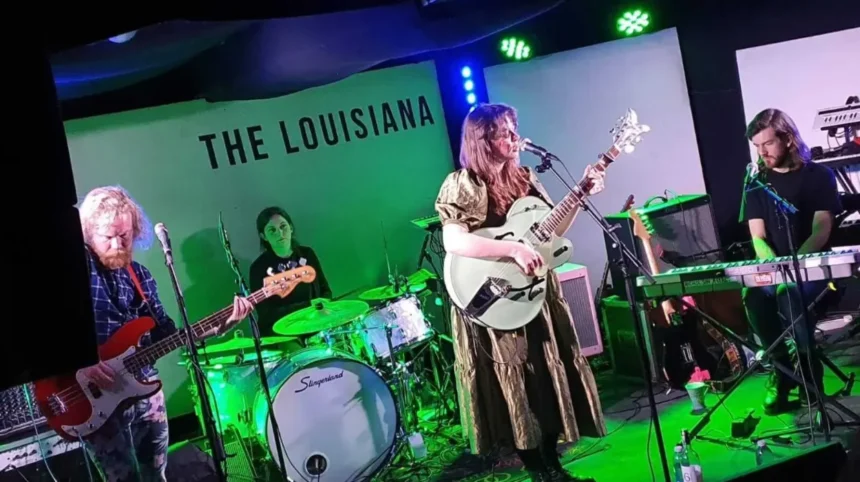
The Louisiana is a family-run independent music venue on Wapping Road, near Bristol’s Harbourside.
The venue has a capacity of approximately 140 people, making it an intimate space for live performances. Its programme includes alternative rock, indie, emerging bands and touring musicians.
The Louisiana has an important history of introducing developing artists to Bristol audiences. Its official history highlights early performances by Placebo and Super Furry Animals following the 1996 fire at The Fleece.
Other artists associated with the venue’s history include Florence and the Machine, The National and Scissor Sisters.
The venue also supports homegrown performers by providing opportunities for local bands and musicians to join concert programmes.
Its small capacity creates opportunities for audiences to experience performances at close range. It remains an important destination for discovering emerging British music.
Exchange
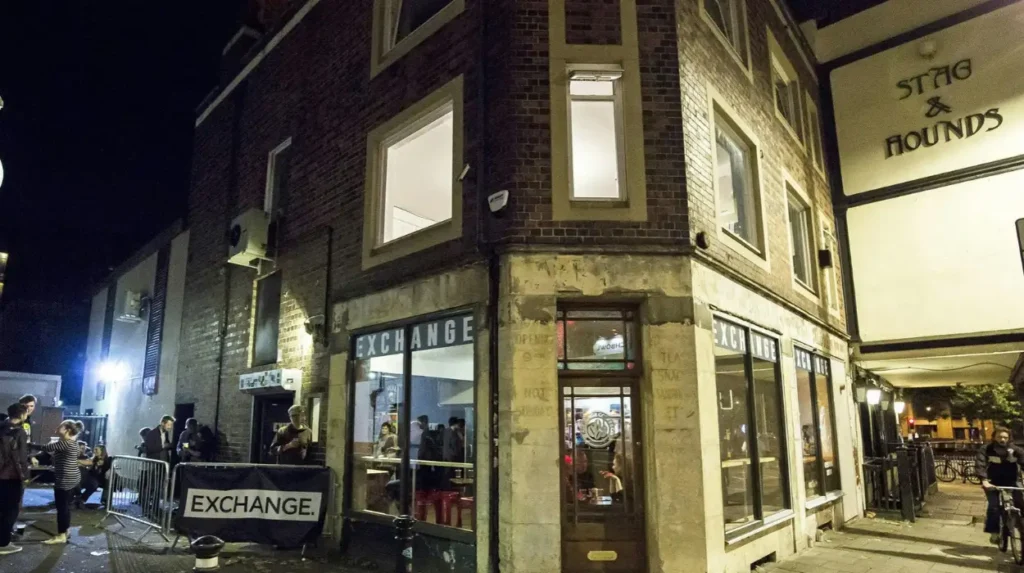
Exchange is an independent, community-owned music venue located at 72–73 Old Market.
It opened as a live music and club venue in August 2012. The building contains two stages used for concerts and club nights.
Exchange presents alternative music, punk, metal, electronic performances and independent touring acts. Its programming also includes events connected with Bristol’s underground music community.
A significant development in its history occurred in October 2018, when 389 people invested in a community share campaign and became part-owners of the venue.
This community ownership structure helped secure the venue’s future and strengthened its relationship with local audiences.
Exchange also operates as a not-for-profit independent venue and supports creative activity through its community-focused approach.
The Croft
The Croft is an independent music venue associated with Bristol’s underground music culture.
Located in Stokes Croft, it has a long history of presenting punk, indie, electronic and experimental performances.
The original venue opened in 2000 and became an important stage for developing musicians. Its intimate live music room provided opportunities for artists including Arctic Monkeys, IDLES, Bastille and Bring Me the Horizon during earlier stages of their careers.
The venue experienced changes in operation and branding before returning under its original name in 2025. It is operated by World Famous Dive Bars, with community ownership protecting its future.
The Croft remains relevant to Bristol’s independent music network because of its focus on emerging performers and underground genres.
The Fleece
The Fleece is an established independent music venue at 12 St Thomas Street in Bristol city centre.
It opened as a music venue in 1982 and occupies a Grade II* listed historic building associated with the former Wool Hall and nineteenth-century sheep trading.
The venue has a standing capacity of approximately 450 people, making it one of Bristol’s larger independent music spaces.
Its performance history includes artists such as Radiohead, Oasis, Muse, Jeff Buckley, Amy Winehouse, Coldplay and IDLES.
The Fleece underwent a major redesign in 2021. The improvements included a larger stage, updated sound equipment, lighting and viewing facilities.
Its programme includes rock, indie, metal, alternative music, acoustic performances and club nights. The venue also provides opportunities for local artists through its event and scouting programmes.
Strange Brew
Strange Brew is an independent music venue, bar and exhibition space at 10–12 Fairfax Street, Bristol.
It opened in September 2020 and combines live music with wider creative activities.
Its programme includes electronic music, experimental performances, club events, exhibitions, workshops, book launches and discussions.
Strange Brew is particularly relevant to Bristol’s contemporary independent arts culture because it provides space for activities beyond conventional concerts.
The venue also places emphasis on accessibility. Its published information identifies step-free access, accessible toilets and allocated wheelchair viewing areas.
Its combination of music and visual arts makes it an important part of Bristol’s independent cultural infrastructure.
The Jam Jar
The Jam Jar is an independent community arts and music venue in St Jude’s, Bristol.
It hosts international performers, independent musicians, DJ events and community-focused creative activities.
The venue has a capacity of approximately 210–240 guests, depending on its configuration. Its programme combines live music with creative workspaces and studio facilities.
The Jam Jar also supports cultural activities beyond concerts, providing opportunities for artists, promoters and creative organisations.
Its emphasis on international music makes it relevant to audiences interested in musical traditions and contemporary sounds from different countries.
Which Bristol Neighbourhoods Have the Strongest Independent Music Culture?
Bristol’s independent music culture is distributed across several neighbourhoods, particularly Old Market, Stokes Croft, the city centre, St Jude’s and the Harbourside. Each area offers different venues, cultural spaces and connections with local music communities.
The location of independent music venues influences their audiences, programming and relationships with surrounding businesses.
Old Market
Old Market is one of Bristol’s important destinations for independent live music.
Exchange is located here and provides concerts, club nights and community-focused performances.
The neighbourhood’s location near Bristol Temple Meads also makes it accessible to visitors arriving by train.
Old Market’s cultural identity includes historic buildings, independent businesses, creative organisations and performance spaces.
Stokes Croft
Stokes Croft is closely associated with Bristol’s alternative arts and music culture.
The area has supported independent clubs, music promoters, street artists and creative organisations.
The Croft is an important venue in this neighbourhood. Its programming includes underground music, punk, alternative rock and experimental performances.
Stokes Croft also connects visitors with independent shops, cafés, street art and other creative businesses.
Bristol City Centre
The city centre contains several important music venues and performance spaces.
The Fleece is located on St Thomas Street, while Strange Brew operates on Fairfax Street.
These venues attract audiences interested in touring artists, alternative music, electronic performances and independent cultural events.
Their central locations also provide access to public transport, accommodation, restaurants and other entertainment facilities.
The Harbourside
Bristol’s Harbourside is an important location for live entertainment and cultural activity.
The Louisiana is located on Wapping Road, while Thekla is moored at East Mud Dock.
The area connects music venues with waterfront attractions, restaurants, museums and walking routes.
Visitors can combine an evening concert with daytime activities around Bristol’s Floating Harbour.
St Jude’s
St Jude’s provides another destination for independent music.
The Jam Jar is located in this neighbourhood and combines international live music with creative and community activities.
Its location gives audiences access to a different part of Bristol’s cultural landscape beyond the traditional city-centre entertainment areas.
What Types of Music Can Audiences Hear at Bristol’s Independent Venues?
Bristol’s independent music venues present a broad range of genres, including indie rock, punk, jazz, reggae, hip-hop, electronic music and experimental performance. Individual venues develop distinct programmes through independent promoters, touring artists and local musicians.
The city’s musical diversity reflects its history of alternative music and its continuing connections with local creative communities.
Indie and Alternative Rock
Indie and alternative rock are important parts of Bristol’s independent live music programme.
The Louisiana, The Fleece and The Croft regularly provide settings for alternative performers and developing bands.
These performances connect emerging musicians with audiences interested in contemporary British guitar music.
Punk and Experimental Music
Bristol has a longstanding connection with underground and alternative performance.
Exchange and The Croft are associated with punk, hardcore, experimental rock and other independent genres.
These spaces provide opportunities for musicians working outside mainstream commercial music.
Electronic and Dance Music
Electronic music is another important part of Bristol’s musical identity.
The city’s history includes underground club culture, sound-system traditions and influential electronic music communities.
Thekla, Strange Brew, Exchange and The Jam Jar provide settings for electronic performances, DJs and club events.
Programming varies by event, with different promoters responsible for organising individual nights.
Jazz and International Music
Bristol’s wider independent music culture also includes jazz and international performance.
The Jam Jar provides a platform for artists from different musical backgrounds, while other independent venues incorporate jazz, acoustic music and experimental sounds into their programmes.
These events contribute to the city’s cultural diversity and provide audiences with access to music from different countries and traditions.
How Do Independent Music Venues Support Emerging Artists?
Independent music venues support emerging artists by providing performance opportunities, connecting musicians with promoters, developing live audiences and creating routes into professional touring. They also help musicians build experience through local showcases, support slots and independent events.
A first performance at an independent venue often forms an important stage in a musician’s development.
Smaller spaces provide practical opportunities to learn stage management, soundchecks, audience engagement and live performance techniques.
Live Performance Experience
New performers need opportunities to present their music in front of audiences.
Independent venues provide stages where musicians can test new material, improve performances and develop confidence.
The Louisiana and The Croft have histories of supporting artists before they achieve wider recognition.
Connections With Promoters
Independent venues connect musicians with concert organisers and promoters.
Promoters arrange events, coordinate performers, manage ticketing and communicate with audiences.
These relationships help developing artists secure support slots and participate in local music programmes.
Audience Development
Independent venues also help musicians establish a local following.
Regular performances allow artists to introduce their music to new audiences and encourage repeat attendance.
Local support slots and showcase events provide opportunities to reach listeners who attend concerts for other performers.
Professional Development
Performing at independent venues introduces musicians to the practical requirements of the live music industry.
Artists develop experience with technical equipment, stage schedules, sound engineers and venue management.
These skills support progression towards larger concerts, festival appearances and national touring opportunities.
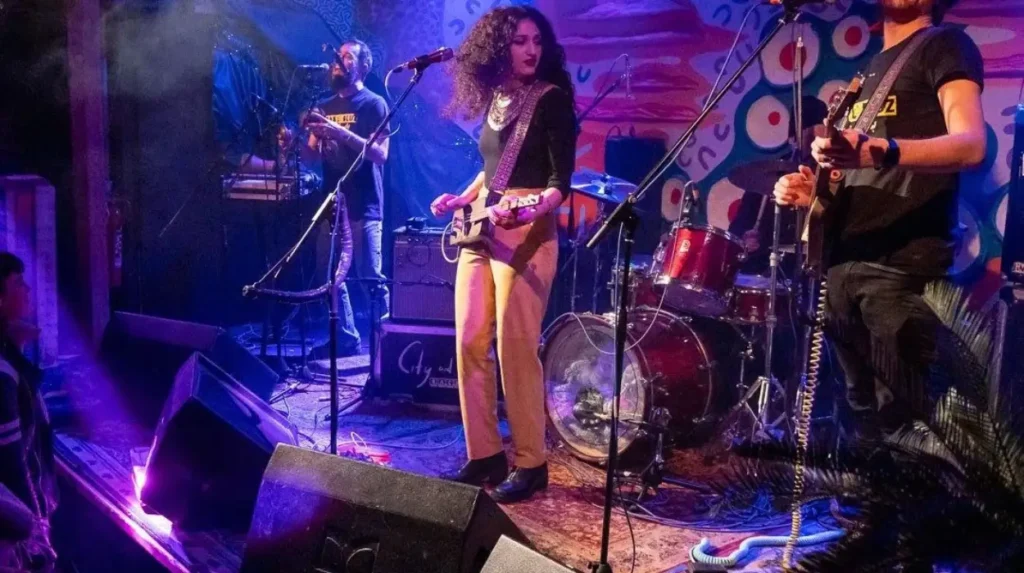
How Do Independent Music Venues Contribute to Bristol’s Economy?
Independent music venues contribute to Bristol’s economy through ticket sales, employment, hospitality spending, artist fees, technical services and visitor activity. Their operations support musicians, promoters, sound engineers, security staff and nearby independent businesses.
The economic contribution of grassroots music venues extends beyond the money collected at the box office.
Concert audiences purchase food, drinks and transport services. Touring performers require accommodation, equipment and technical support. Local venues also create work for photographers, designers, event organisers and production teams.
Employment and Creative Industries
Independent venues support direct and indirect employment.
Direct roles include venue managers, bar workers, ticketing staff and technical employees. Indirect opportunities include freelance musicians, sound engineers, lighting technicians, security professionals and independent promoters.
These roles contribute to Bristol’s wider creative economy.
Visitor Spending
Music events attract audiences from across Bristol and neighbouring areas.
Visitors attending concerts often use local restaurants, hotels, cafés and transport services.
This activity benefits businesses surrounding performance venues, particularly in the city centre, Old Market and Harbourside.
National Economic Evidence
Music Venue Trust’s 2024 Annual Report provides evidence of the wider economic importance of grassroots music venues across the UK.
Its survey of 810 Music Venue Alliance members recorded more than 162,000 live music events and almost 1.5 million individual artist performances during 2024.
The venues attracted just under 20 million audience visits and generated approximately £526 million in direct economic value.
However, the report also identified serious financial pressures. The average operating profit margin was just 0.48%, while 43.8% of surveyed venues reported operating at a loss.
These figures demonstrate why independent music venues require sustainable financial arrangements and continued support.
What Challenges Do Independent Music Venues Face in Bristol?
Independent music venues face financial pressure from operating costs, rent, energy bills, staffing, insurance, equipment maintenance and changing audience spending. Licensing requirements, noise complaints and property development also influence their long-term ability to operate.
Running a live music venue requires continuous financial and operational management.
Ticket revenue does not always cover the full cost of organising a performance. Venues also need to maintain buildings, pay staff, purchase equipment and manage safety requirements.
Rising Operating Costs
Energy, rent, maintenance and staffing represent important expenses for independent venues.
Smaller venues have limited opportunities to distribute these costs across large audiences.
A concert with low attendance can therefore create financial difficulties even when the event provides an important platform for emerging artists.
Noise and Planning Issues
Music venues operate within planning, licensing and environmental noise regulations.
Noise complaints can create difficulties when residential developments are established close to existing performance spaces.
The relationship between venues and nearby residents is particularly important in mixed-use urban neighbourhoods.
Changing Audience Spending
The cost of living influences how frequently audiences purchase concert tickets.
Independent venues depend on regular attendance to support their programmes.
When audiences reduce entertainment spending, smaller venues experience additional pressure on ticket sales and bar income.
Property and Ownership Security
Long-term property security is another important issue.
Venues operating in rented buildings face uncertainty when leases expire or property owners change their plans.
Community ownership provides one approach to improving long-term security. Exchange’s 2018 community share campaign demonstrates how local investment can help protect an independent music space.
How Can Visitors Find and Attend Independent Music Events in Bristol?
Visitors can find independent music events in Bristol through official venue calendars, independent ticketing platforms, local music publications and promoter announcements. Checking event information before travelling helps audiences confirm dates, ticket availability, age restrictions and accessibility.
Bristol’s independent music calendar changes throughout the year.
Different venues organise concerts, club nights, showcases and special events according to their individual programmes.
Check Official Venue Websites
Official venue websites provide the most reliable starting point for event information.
The Louisiana, Exchange, The Croft, The Fleece, Strange Brew, The Jam Jar and Thekla publish information about upcoming performances.
Their event pages provide details about performers, ticket links, opening times and entry requirements.
Explore Independent Ticketing Platforms
Platforms such as Headfirst Bristol provide information about independent music, underground events, club nights and cultural activities.
These listings help audiences discover events beyond larger commercial concert programmes.
Check Age Restrictions
Age restrictions vary between venues and individual performances.
Some concerts permit younger audiences under specific conditions, while club nights are often restricted to adults.
Visitors should check the event listing and venue entry policy before purchasing tickets.
Review Accessibility Information
Accessibility arrangements differ between buildings.
Visitors who require step-free access, wheelchair viewing spaces, accessible toilets or other facilities should consult the venue’s published accessibility information before attending.
Strange Brew publishes information about step-free access and wheelchair viewing arrangements.
Plan Transport
Bristol’s central venues are accessible through local bus services, walking routes and nearby railway connections.
Visitors attending evening events should check the final public transport services and available taxi options.
Those travelling between Old Market, the Harbourside and Stokes Croft should allow sufficient time for walking between venues.
Explore More Area Guide
Best Music Venues in Bristol for Live Music and Concerts
Live Music in Bristol: Best Venues, Gigs and Festivals
Why Should Bristol Continue Supporting Independent Music Venues?
Supporting independent music venues helps protect Bristol’s cultural identity, maintain opportunities for emerging performers, strengthen local creative industries and preserve accessible live music spaces. Audiences, communities, artists and businesses all contribute to their long-term sustainability.
Independent music venues provide cultural and economic benefits that extend beyond individual performances.
They help maintain musical diversity by giving artists opportunities to perform outside mainstream commercial spaces.
Their continued operation also supports local employment, independent businesses and creative education.
Supporting Local Musicians
Attending performances by local artists helps musicians build audiences and develop professional experience.
Purchasing tickets also provides direct income for performers, promoters and venue operators.
Protecting Cultural Diversity
Independent venues provide platforms for music that does not always receive extensive mainstream promotion.
Experimental artists, emerging bands and specialist genres depend on spaces where audiences can discover unfamiliar performers.
Strengthening Community Participation
Community-owned and community-focused venues encourage local participation in cultural activities.
Exchange demonstrates how community investment can establish a stronger relationship between a music venue and its supporters.
Maintaining Bristol’s Musical Reputation
Bristol’s reputation as a centre for alternative and independent music depends on opportunities for musicians to perform and develop.
Protecting existing venues and encouraging new independent spaces helps maintain this cultural infrastructure.
What Is the Future of Independent Music Venues in Bristol?
The future of Bristol’s independent music venues depends on sustainable ownership, affordable operating costs, audience participation, investment in facilities and continued support for emerging performers. Community partnerships and responsible urban planning are important to protecting these spaces.
Independent venues face changing economic conditions and audience expectations. Their long-term sustainability requires cooperation between venue operators, local authorities, musicians, promoters, property owners and cultural organisations.
Community Ownership and Investment
Community ownership provides an alternative to relying entirely on private commercial property arrangements.
Local investment can strengthen a venue’s connection with its audiences and support long-term operational security.
Exchange demonstrates the practical role of community shares in protecting an independent music business.
Improved Venue Facilities
Investment in sound systems, lighting, accessibility and building infrastructure helps venues remain attractive to performers and audiences.
The Fleece’s 2021 redesign illustrates how improvements to performance facilities can support a venue’s continuing role in the touring circuit.
Greater Support for Emerging Artists
Independent venues need opportunities to programme new performers and experimental music.
Financially sustainable operations allow venues to take programming risks and support artists who are still developing their audiences.
Stronger Cultural Partnerships
Partnerships between venues, educational institutions, local organisations and independent promoters can expand access to music.
These relationships can support workshops, artist development, community performances and cultural events.
Bristol’s independent music scene will remain connected to its grassroots infrastructure. Protecting these venues means protecting the places where new performers develop, audiences discover music and local communities participate in creative culture.
Independent music venues are therefore an essential part of Bristol’s cultural and economic landscape. From The Louisiana and Exchange to The Croft, The Fleece, Strange Brew and The Jam Jar, these spaces provide opportunities for live performance and maintain the city’s distinctive musical identity.
What are the best independent music venues in Bristol?
Some of Bristol’s best-known independent music venues include The Louisiana, Exchange, The Croft, The Fleece, Strange Brew and The Jam Jar. They host emerging artists, touring musicians, alternative bands and electronic music events.