Countryside walks near Bristol connect walkers with rolling hills, traditional villages, ancient woodlands, river valleys and protected landscapes. The surrounding region includes the Mendip Hills, Chew Valley, South Gloucestershire and the Cotswolds, offering routes for beginners, families and experienced hikers.
- Which countryside walks near Bristol offer the best scenery?
- Where can walkers find easy countryside walks near Bristol?
- Which countryside walks near Bristol are best for woodland scenery?
- Where can visitors enjoy countryside walks around Chew Valley Lake?
- Which countryside walks near Bristol offer the best hilltop views?
- Which countryside walks near Bristol are best for historic villages and heritage?
- Dyrham Park and its historic landscape
- Tyntesfield and Victorian heritage
- Villages along the Cotswold Way
- What is the best time of year for countryside walks near Bristol?
- How can walkers choose the right countryside route near Bristol?
- How should visitors prepare for countryside walks near Bristol?
- Check access and transport
- Wear suitable footwear and clothing
- Follow the Countryside Code
- Protect wildlife and sensitive landscapes
- Where can walkers find official maps and route information for Bristol countryside walks?
- Why are countryside walks near Bristol important for local tourism and nature?
Bristol is a convenient starting point for exploring the countryside of South West England. Within a relatively short journey, walkers can leave busy streets behind and follow public footpaths through fields, woodland, farmland and historic settlements.
The city’s surrounding landscape includes several distinct geographical areas. Somerset lies to the south, South Gloucestershire and the Cotswolds extend to the north and east, and the River Avon connects Bristol with a wider network of rural walking routes.
According to Visit Bristol, the region offers access to the Mendip Hills, Wiltshire, the Cotswolds and numerous local trails, including the River Avon Trail and Frome Valley Walkway.
Countryside walking also provides opportunities to explore local history, observe wildlife and discover rural communities. Some paths cross historic estates, while others follow old railway lines, riverbanks or traditional routes between villages.
The best route depends on distance, terrain, transport and walking ability. A short woodland circuit suits a relaxed morning, while a hilltop route in the Mendips provides a more demanding outdoor experience.
Which countryside walks near Bristol offer the best scenery?
The most scenic countryside walks near Bristol include Cheddar Gorge, Crook Peak, Chew Valley Lake, Bath Skyline, Dyrham Park and the Cotswold Way. These routes feature limestone cliffs, wooded valleys, open farmland, historic parkland and expansive views across the surrounding countryside.
1. Cheddar Gorge
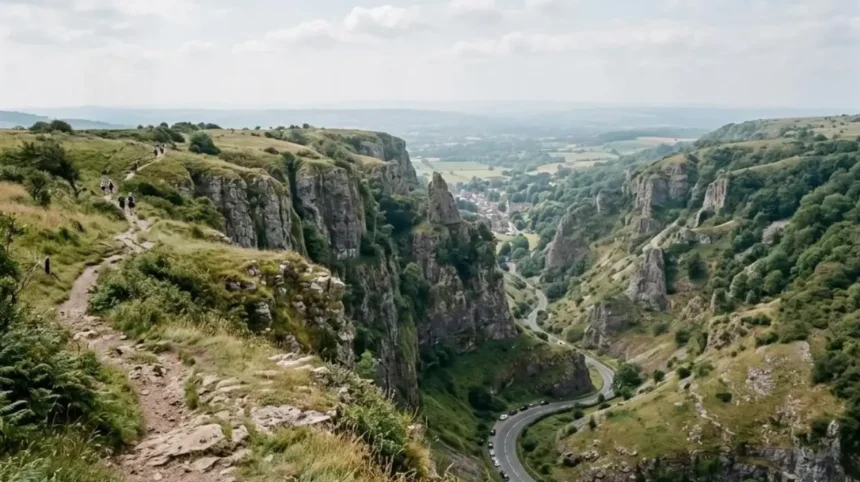
This dramatic limestone gorge features steep rock faces, elevated viewpoints and paths across the surrounding Mendip landscape. It suits walkers seeking geological scenery and panoramic views. The gorge extends for approximately 3 miles (4.8 km) and reaches almost 400 feet (122 metres) deep.
2. Crook Peak
Crook Peak rises above the surrounding farmland and provides views towards Glastonbury Tor and Brean Down. Its exposed slopes and limestone grassland create a distinctive countryside setting, particularly for walkers who enjoy open landscapes.
3. Chew Valley Lake
Chew Valley Lake sits among low hills, farmland and villages. Its surroundings are known for birdlife and open views across the water. Choose an established walking route and check access restrictions around protected wildlife areas.
4. Bath Skyline
This countryside circuit passes through meadows, woodland and valleys above Bath. The National Trust’s main circular route measures 6 miles (9.6 km), combining rural scenery with views towards the historic city.
5. Dyrham Park
South Gloucestershire · Historic parkland
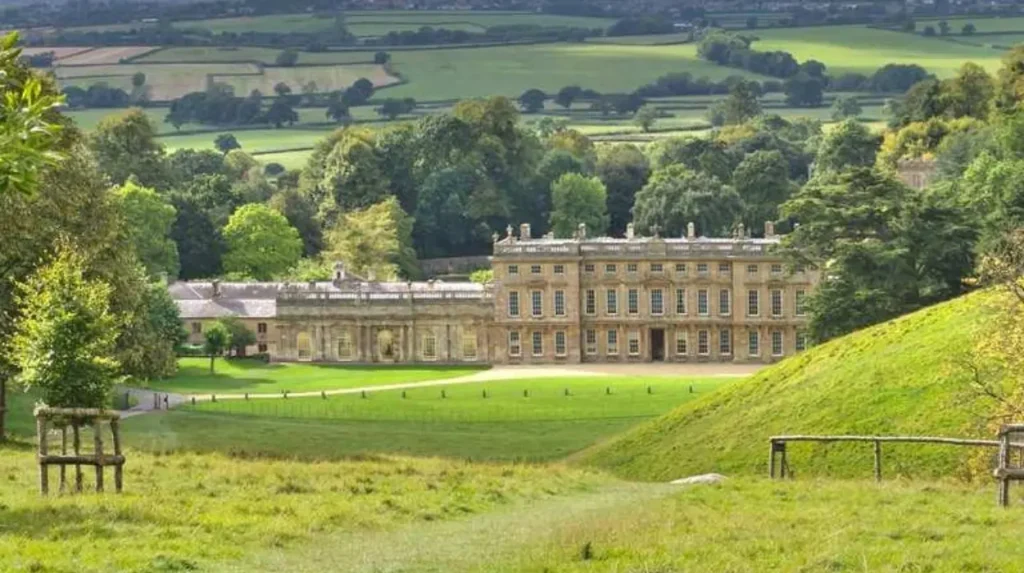
This National Trust property contains approximately 270 acres of parkland. Walking routes cross open grassland and offer views across the Cotswold countryside. The estate combines outdoor recreation with historic buildings and landscaped grounds.
These destinations provide different experiences rather than a single standard type of walk. Cheddar Gorge focuses on geology and elevation, Chew Valley offers waterside landscapes, and Dyrham Park combines countryside with heritage.
Where can walkers find easy countryside walks near Bristol?
Easy countryside walks near Bristol include short circuits at Leigh Woods, Tyntesfield and selected trails across the Mendip Hills. These routes provide woodland paths, open views and opportunities to experience nature without committing to a full-day hike or strenuous climb.
A short route is useful for beginners, families with younger children and visitors with limited time. However, distance alone does not determine difficulty. Mud, gradients, steps and uneven ground affect how accessible a walk feels.
Leigh Woods National Nature Reserve lies beside the Avon Gorge, opposite parts of Bristol’s urban landscape. Its woodland contains veteran trees, broadleaf forest, grassy clearings and paths overlooking the gorge.
The National Trust describes the Leigh Woods woodland wander as a circular route of approximately 1 mile (1.6 km), taking around 30–45 minutes. The trail passes woodland and Stokeleigh Camp, an Iron Age hillfort site overlooking the River Avon.
This walk is a useful choice for a short outdoor visit. Its mix of surfaced and grassy paths still requires suitable footwear, especially after rain.
Tyntesfield woodland walk
Tyntesfield is a historic Victorian estate surrounded by woodland, gardens and parkland. Its woodland circuit measures approximately 2.4 miles (3.84 km), with an estimated walking time of 90 minutes to two hours.
The route passes through several parts of the estate and provides a mixture of woodland scenery and landscaped grounds. The National Trust identifies steps, steep gradients and unsurfaced paths along this walk, and the route is not suitable for dogs.
Visitors should check estate opening arrangements and admission requirements before travelling. The separate Tynings walk is shorter, at approximately 1 mile (1.6 km), and takes around 30–40 minutes. Dogs on leads are welcome on that route.
Easy-going Mendip Hills trails
The Mendip Hills National Landscape provides short trails alongside longer hill walks. Its published walking guides include Blackmoor Easy Going Trail and East Harptree Easy Going Trail, each approximately 1.25 miles (2 km), and Stockhill Woods, approximately 1.1 miles (1.8 km).
These routes make the Mendips accessible to people who want a short countryside experience rather than a demanding ascent. The official walking directory provides route guides to help visitors select a suitable path.
Before setting out, check the route surface, current access information and any restrictions affecting mobility or pushchairs.
Which countryside walks near Bristol are best for woodland scenery?
The best woodland walks near Bristol include Leigh Woods, Ashton Hill, Stockhill Woods and the wooded sections of Tyntesfield estate. These locations offer shaded paths, mature trees, seasonal wildflowers and opportunities to observe birds and other wildlife throughout the year.
Woodland walks provide a different experience from exposed hill routes. Tree cover offers shade in summer, while changes in leaf colour create distinct scenery during autumn. Spring brings woodland flowers, including bluebells and wood anemones in suitable habitats.
Ashton Hill
Ashton Hill is a wooded area west of Bristol, near Failand. Its paths cross conifer plantations, broadleaf woodland and sections of ancient woodland. The site also contains mature California redwoods.
The woodland was once part of the historic Tyntesfield estate. Its network of walking, horse-riding and mountain-biking trails gives visitors options for exploring the area. Access is near the B3129, Weston Road, close to Failand.
Stockhill Woods
Stockhill Woods lies within the Mendip Hills and features a short easy-going trail of approximately 1.1 miles (1.8 km). It is suitable for people seeking a relatively brief woodland walk within a wider countryside area.
The route is included in the Mendip Hills National Landscape’s official walking guides. Conditions vary with the weather, so sturdy shoes are appropriate when the ground is wet.
What wildlife can walkers see in Bristol’s surrounding woodlands?
Woodland paths provide opportunities to observe birds, insects, fungi and native plants. Sightings depend on season, weather and habitat conditions. Quiet movement and keeping a respectful distance from wildlife improve the chance of observing animals without disturbing them.
In spring, walkers can look for woodland flowers where they naturally grow. During autumn, fallen leaves and fungi become more noticeable, although visitors should not pick or eat wild fungi without expert identification.
Protected sites such as Leigh Woods also contain important habitats. Staying on established paths helps reduce damage to sensitive vegetation and soil.

Where can visitors enjoy countryside walks around Chew Valley Lake?
Chew Valley Lake offers countryside walking opportunities south of Bristol, with views across open water, surrounding hills, farmland and rural villages. Walkers can combine nearby village paths with established routes while respecting wildlife-sensitive areas and checking local access information.
The Chew Valley is a rural landscape south of Bristol. The River Chew and surrounding agricultural land form part of its geographical character, while Chew Valley Lake is a prominent feature of the area.
The lake attracts birdwatchers because its water and surrounding habitats support birdlife. Certain areas have access restrictions to protect wildlife, so visitors should use permitted paths and follow signs.
The Mendip Hills National Landscape lists a Chew Valley Lake circular walk of approximately 5 miles (8 km). A combined Chew Valley Lake and Knowle Hill route measures approximately 3.75 miles (6 km). These published distances help walkers choose a route that matches their available time and ability.
Walking near Chew Magna
Chew Magna provides another starting point for exploring the valley. The village contains historic buildings and a church dating to the medieval period, and countryside routes connect the settlement with surrounding rural landscapes.
Some circular walks follow village streets before continuing along field paths and quiet lanes. These routes combine village heritage with views across the Chew Valley.
Footpath conditions change through the seasons. Field paths become muddy after prolonged rain, while livestock and agricultural activity affect some sections. Walkers should close gates behind them and follow any instructions displayed at field entrances.
Which countryside walks near Bristol offer the best hilltop views?
The Mendip Hills provide some of the strongest hilltop walking experiences near Bristol, particularly around Crook Peak, Wavering Down, Black Down and Cheddar Gorge. These routes combine limestone landscapes, open grassland and elevated viewpoints across Somerset and neighbouring regions.
The Mendip Hills are a limestone upland region in Somerset, recognised for their geology, grasslands, wooded valleys and wildlife. The area has an extensive public rights-of-way network. The official landscape authority identifies more than 440 kilometres of public rights of way across the Mendips.
Black Down
Black Down is one of the principal upland walking destinations in the Mendips. Its published circular walking guide covers approximately 5 miles (8 km), with some route descriptions listing 8.5 km depending on the route variant.
The open terrain provides broad countryside views, but exposed paths require preparation for wind and changing weather. Check the route map before starting, especially if connecting the walk with other footpaths.
Crook Peak and Wavering Down
Crook Peak and Wavering Down form a recognisable section of the western Mendip landscape. Walkers can reach these hills from nearby settlements, including Winscombe and Axbridge, using connecting footpaths.
The area is known for limestone grassland and expansive views towards Glastonbury Tor and Brean Down. The paths include exposed slopes and uneven ground, so appropriate footwear and a realistic assessment of fitness are important.
Cheddar Gorge viewpoints
Cheddar Gorge combines geological features with hill walking. The steep limestone cliffs create a dramatic landscape, and the surrounding uplands provide viewpoints across the gorge and wider Somerset countryside.
Some routes involve significant ascent and descent. Visitors should avoid approaching cliff edges and follow established paths, particularly when the ground is wet or visibility is poor.
Which countryside walks near Bristol are best for historic villages and heritage?
Historic countryside walks near Bristol include routes around Chew Magna, Dyrham Park, Tyntesfield and villages along the Cotswold Way. These destinations combine rural footpaths with historic churches, traditional buildings, landscaped estates and evidence of centuries of settlement across Somerset and Gloucestershire.
Walking through the countryside around Bristol reveals how rural landscapes developed alongside agriculture, estate management, transport and settlement. Many routes connect villages with former farmsteads, churches and historic country properties.
Dyrham Park and its historic landscape
Dyrham Park lies in South Gloucestershire, northeast of Bristol. Its 270 acres of parkland include mature trees, open grassland and views towards the Cotswolds.
The estate is managed by the National Trust and combines historic architecture with countryside access. A ranger-led parkland walk takes approximately 45 minutes and explores viewpoints across the surrounding landscape. Normal admission charges apply to visits, so check current arrangements before travelling.
Tyntesfield and Victorian heritage
Tyntesfield is a Victorian country estate near Wraxall, southwest of Bristol. Its house, gardens, woodland and wider grounds illustrate the development of large country estates during the nineteenth century.
The estate’s walking routes allow visitors to explore woodland and landscaped areas alongside its historic buildings. Walking access and admission arrangements vary according to the area visited, making advance planning useful.
Villages along the Cotswold Way
The Cotswold Way is a National Trail extending approximately 102 miles (164 km) between Chipping Campden and Bath. It passes through the Cotswold landscape, connecting historic settlements, countryside viewpoints and areas of woodland.
Walkers near Bristol can explore selected sections without completing the entire trail. The southern end near Bath is particularly relevant for visitors seeking a longer rural walk within reach of the city.
Historic village routes require the same care as rural footpaths. Some sections use public roads, narrow lanes or paths beside working farmland. Walkers should follow signed routes and avoid entering private land without permission.
What is the best time of year for countryside walks near Bristol?
Spring and autumn offer distinct countryside walking experiences near Bristol, with woodland flowers in spring and changing foliage in autumn. Summer provides longer daylight hours, while winter walking requires greater attention to muddy paths, daylight, weather forecasts and exposed hill conditions.
The best season depends on the landscape and the type of walking experience required.
Spring: March to May
Spring brings new growth to woodlands, hedgerows and grassland. Leigh Woods is known for seasonal woodland flowers, including bluebells and wood anemones. At Tyntesfield, spring flowers and later displays of oxeye daisies add interest to the woodland and meadow routes.
Walkers should avoid trampling wildflowers or leaving established paths in sensitive habitats.
Summer: June to August
Summer offers longer daylight hours and more opportunities for extended hill walks. Routes around Chew Valley Lake, Crook Peak and the Cotswolds provide open views across the countryside.
Exposed hills can become hot, and some paths offer little shade. Carry sufficient drinking water, apply sun protection and check the forecast before starting.
Autumn: September to November
Autumn changes the appearance of woodland routes through falling leaves, seasonal colours and increased fungi visibility. Leigh Woods and the wooded sections around Tyntesfield provide suitable settings for observing these changes.
Wet leaves can make slopes and steps slippery. Walking shoes with reliable grip help manage uneven surfaces.
Winter: December to February
Winter walking is possible on many established routes, but conditions require additional planning. Mud, standing water, reduced daylight and poor visibility affect rural footpaths.
Shorter woodland routes are often easier to manage than long exposed hill circuits during unsettled weather. Check daylight hours and local access information, and carry a charged phone and an offline route map.
How can walkers choose the right countryside route near Bristol?
Walkers should choose countryside routes near Bristol according to distance, terrain, fitness, transport and available daylight. Short woodland circuits suit beginners, moderate circular walks suit regular walkers, and longer hill routes require stronger preparation, suitable footwear and reliable navigation.
A useful route assessment begins with the published distance and estimated duration. These figures provide a starting point, but actual walking time depends on gradients, ground conditions, stops and individual fitness.
Short walks for beginners
Routes such as the 1-mile Leigh Woods woodland wander and the shorter Tyntesfield Tynings walk provide manageable options for people who prefer a brief outdoor visit.
However, a short route is not automatically accessible to every visitor. Steps, steep gradients, uneven surfaces and mud affect mobility. Check the specific route’s accessibility information before travelling.
Moderate walks for regular walkers
The 3.75-mile Chew Valley Lake and Knowle Hill route and the 3-mile Walk to the View at Bath Skyline provide examples of moderate-length countryside excursions. Both allow walkers to experience open landscapes without undertaking a long-distance trail.
Allow extra time for photography, rest stops and navigation. Circular routes are particularly useful when walkers want to return to their starting point without arranging transport at the finish.
Longer walks for experienced hikers
Longer hill circuits and sections of the Cotswold Way suit walkers who are comfortable with sustained distances and variable terrain. These routes require more preparation, particularly when they cross exposed uplands or remote countryside.
Before departure, check the complete route, elevation changes, access restrictions and transport options. Carry water, food, suitable clothing and a map that remains available without a mobile signal.
How should visitors prepare for countryside walks near Bristol?
Visitors should prepare for countryside walks near Bristol by checking official route information, reviewing weather forecasts, wearing suitable footwear and carrying water, food and navigation tools. Respecting public rights of way, wildlife habitats, livestock and private property helps protect the countryside.
Preparation improves both safety and the quality of the walking experience. Even a short route can become difficult when the weather changes or a path is muddy.
Check access and transport
Review the official information for the selected destination before leaving. National Trust estates have their own opening arrangements, and some walks require admission. Public footpaths across open countryside can also be affected by temporary closures or local restrictions.
Check whether the starting point has parking or public transport connections. Rural bus services operate less frequently than urban services, particularly on Sundays and public holidays.
Wear suitable footwear and clothing
Walking shoes or boots with good grip help on grass, mud and uneven ground. Waterproof outerwear is useful in the South West, where conditions change throughout the year.
For hill walks, bring additional layers and protection against wind. On warm days, carry drinking water and sun protection.
Follow the Countryside Code
The Countryside Code provides guidance for enjoying the outdoors responsibly in England. Its principles include respecting other people, protecting the natural environment and leaving gates and paths as found.
Walkers should keep to public rights of way, take litter home, avoid disturbing wildlife and follow instructions around livestock. Dogs must be kept under effective control, with leads used where required by signs or wildlife-sensitive conditions.
Protect wildlife and sensitive landscapes
Some countryside areas contain protected habitats and rare species. The Mendip Hills support limestone grassland, ancient wooded ravines and species including horseshoe bats, dormice and adders.
Keep a respectful distance from wildlife and avoid disturbing nesting birds. Do not remove plants, damage trees or enter restricted conservation areas.
Explore More Area Guide
Best Woodland Walks Near Bristol: Leigh Woods and Beyond
Best Nature Reserves Near Bristol for Wildlife and Walks
Where can walkers find official maps and route information for Bristol countryside walks?
Official route information is available from Visit Bristol, the National Trust, the Mendip Hills National Landscape and Cotswolds tourism organisations. These resources provide walking distances, trail descriptions, access information and guidance for planning countryside visits from Bristol.These organisations provide a starting point for route planning. Check the latest information directly with the relevant land manager before setting out, especially for access conditions, opening hours and seasonal restrictions.
Why are countryside walks near Bristol important for local tourism and nature?
Countryside walks near Bristol support outdoor recreation, rural tourism and appreciation of local heritage. Routes through woodlands, valleys, hills and historic estates connect visitors with protected habitats and rural communities while encouraging responsible access to the region’s natural landscapes.
Walking provides a way to experience the geographical diversity of South West England without needing specialist outdoor equipment. The nearby countryside includes limestone uplands, river valleys, woodland, traditional villages and historic estates.
These landscapes also have ecological value. Protected areas such as Leigh Woods and the Mendip Hills support habitats for native plants, birds, insects and other wildlife. Responsible walking helps maintain public access while reducing pressure on sensitive areas.
Countryside routes contribute to local visitor activity by connecting walkers with village shops, cafés, public transport and heritage attractions. Visitors who plan their journeys carefully can combine a walk with a village visit while minimising unnecessary driving.
Future access to these landscapes depends on maintaining paths, protecting wildlife and respecting land management. Walkers support these aims by following official routes, taking litter home and complying with local guidance.
For visitors and residents, the best countryside walks near Bristol are those that match their ability, available time and interests. Leigh Woods provides a short woodland experience, Chew Valley offers waterside scenery, and the Mendip Hills deliver more challenging routes with expansive views. Together, these destinations make Bristol a practical base for exploring the countryside of Somerset, Gloucestershire and the Cotswolds.
What are the best countryside walks near Bristol?
The best countryside walks near Bristol include Cheddar Gorge, Leigh Woods, Chew Valley Lake, Bath Skyline, Crook Peak and Dyrham Park. These destinations offer woodland trails, hilltop views, lakeside scenery and historic countryside landscapes.