Key Points
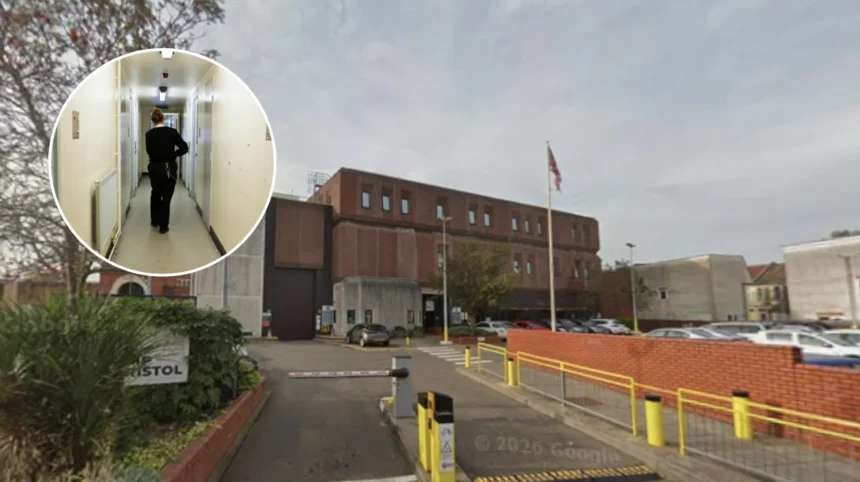
- Development Context: The development focuses on how legal processes coincide with the institution’s custody arrangements for female offenders, with an emphasis on the context of Bristol with respect to women in the criminal justice process.
- Key Goals: The development will attempt to solve existing problems in the treatment of female prisoners, considering judicial accountability and welfare.
- Institutional Review: Legal and custodial systems remain under review for their effectiveness in dealing with vulnerable individuals in secure settings.
Bristol (Bristol Express News) September 10, 2026 — Recent developments surrounding judicial frameworks and custodial institutions have brought renewed focus to how female offenders are managed through the legal and penal systems. Legal analysts and institutional observers have closely tracked updates emerging from regional courts and correctional facilities, emphasizing the ongoing efforts to reform case handling and improve oversight for women navigating custody.
What Are the Main Objectives of the Courtroom Project and Recent Prison Developments in Bristol?
The initiative focuses heavily on evaluating how cases involving female defendants are processed through the courts, aiming to identify structural bottlenecks and enhance support mechanisms. Legal authorities have emphasised that understanding the pathways leading individuals into custody remains critical for systemic improvement.
As reported by specialists and commentators covering legal affairs, structural adjustments within regional judicial sectors are designed to ensure greater transparency and fairness. Observers note that addressing the specific vulnerabilities of female defendants requires coordinated cooperation between courtroom operators and custodial management teams.
Explore more City Centre Crime News:
Man Slashed Across Face in Bristol City Centre 2026
Police Enforce New Masking Powers at Central Demonstration, Bristol 2026
How Do These Changes Impact Custodial Environments and Institutional Oversight?
Within correctional settings, administrators face mounting pressure to balance security demands with rehabilitative needs. Evaluations of facilities connected to the region have consistently highlighted the necessity for targeted interventions, staff training, and improved mental health provisions.
According to reports detailing conditions within the broader female estate, systemic challenges such as overcrowding and complex support requirements demand continuous administrative attention. Independent monitoring bodies continue to stress that sustained investment and rigorous oversight are essential to achieve meaningful improvements in inmate safety and welfare.
Background of the Particular Development
The scrutiny facing female custodial facilities and courtroom procedures builds upon years of systemic evaluations across England and Wales. Historically, data compiled by independent inspectors and penal reform organizations have highlighted that a significant proportion of women entering custody present complex vulnerabilities, including histories of trauma, mental health difficulties, and socioeconomic disadvantage. Legal reforms and specialized courtroom projects have gradually emerged in response to persistent calls from policymakers, charities, and human rights advocates to explore community-based alternatives and reduce unnecessary custodial sentences for non-violent offences.
This ongoing evolution in judicial processing and penal oversight is expected to significantly influence policymakers, legal practitioners, and advocacy groups focused on criminal justice reform. For the particular audience—including legal professionals, policymakers, and civil rights organizations—these developments underscore a shifting regulatory landscape where systemic accountability and trauma-informed approaches are increasingly prioritized. Over the long term, these measures could reshape sentencing guidelines and operational protocols within women’s prisons, potentially driving a reduction in short-term custodial sentences and fostering a greater reliance on specialized community support structures.