Key Points
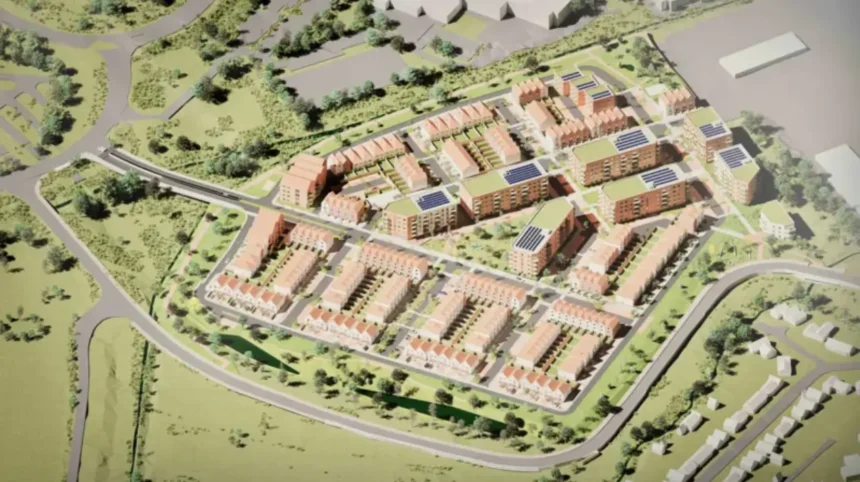
- Proposals for large-scale developments: The Bristol and Bath green belt, which is historically safeguarded, is undergoing some significant changes and large-scale developments owing to changes in government planning policy and local housing objectives.
- Thousands of new homes: Any change in the status of green belts could result in thousands of new homes being erected in the area.
- Involvement of the local authority: There are various authorities, such as North Somerset Council and Bath and North East Somerset (B&NES), which are modifying their local plans in light of changing policies, attracting a great deal of attention.
- Timeline for public consultation: Public consultation processes like that of Bath and North East Somerset are still open.
Bristol (Bristol Express News) October 5, 2026 – The historically protected green belt surrounding Bristol and Bath is facing the prospect of large-scale development, driven by sweeping government planning reforms and pressing regional housing targets. Thousands of new homes could soon occupy lands previously safeguarded from urban expansion, as local authorities grapple with revised statutory guidelines. The ongoing adjustments have ignited critical debates regarding housing accessibility, environmental preservation, and the future shape of local communities.
What Are the Implications of the New Planning Reforms on the Bristol and Bath Green Belt?
As reported by John Wimperis of Hits Radio Bristol, housing targets and overarching government planning reforms are leading to significant changes in Somerset’s historically protected green belt. The shift in national and regional policy frameworks has placed local authorities under immense pressure to identify viable land allocations to accommodate escalating housing demands.
According to details outlined by John Wimperis of Hits Radio Bristol, the unfolding situation involves critical updates to planning schedules across regional bodies like North Somerset Council and Bath and North East Somerset (B&NES). Sites incorporated into newer local plans are being closely scrutinized as administrative bodies attempt to balance urban expansion requirements with the legal parameters of green belt preservation.
Explore More Local Bristol News
Ex-Mayor Urges Academic Action on Urban Gentrification in Bristol 2026
Ebony Clark Defies Odds to Walk for Bristol Hospital in Hartcliffe 2026
How Are Local Authorities Responding to the Policy Shifts?
Regional councils are actively revising their statutory development plans to align with updated central government directives. As highlighted by John Wimperis of Hits Radio Bristol, local planning strategies are adapting to accommodate strategic and non-strategic development sites while trying to integrate environmental safeguards.
In tandem with these operational shifts, public engagement remains an active component of the planning lifecycle. As noted by John Wimperis of Hits Radio Bristol, Bath and North East Somerset’s public consultation offers residents and stakeholders a formal platform to voice opinions, raise concerns, and submit feedback on the proposed local plan modifications.
Background of the Particular Development
The green belt surrounding Bristol and Bath—historically designated to prevent unrestricted urban sprawl, safeguard the countryside from encroachment, and preserve the distinct settings of historic towns—has long been a cornerstone of regional planning policy. Established decades ago, the Avon Green Belt framework has consistently restricted large-scale construction outside designated urban footprints. However, persistent economic pressures, rising property values, and acute housing shortages have heavily strained the existing framework.
Recent years have seen intensifying debates between economic analysts advocating for urban expansion to unlock regional productivity and environmental groups aiming to protect local ecosystems, green spaces, and agricultural land. The current policy changes represent a structural turning point, bridging national legislative pushes for increased housing supply with localized planning implementation.
Prediction
This development could substantially reshape the socio-economic and environmental landscape for local residents, prospective homeowners, and regional businesses across the Bristol and Bath areas. For individuals struggling with housing affordability, the release of green belt land and the subsequent construction of thousands of homes may gradually moderate property and rental market pressures over the long term.
Conversely, local communities and environmental campaigners face the prospect of altered local aesthetics, increased strain on surrounding transport and health infrastructure, and a reduction in accessible countryside spaces. Ultimately, the delicate execution of these planning reforms will determine whether the region can successfully accommodate vital demographic growth without permanently compromising its ecological integrity.