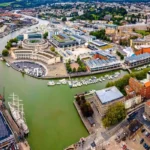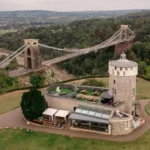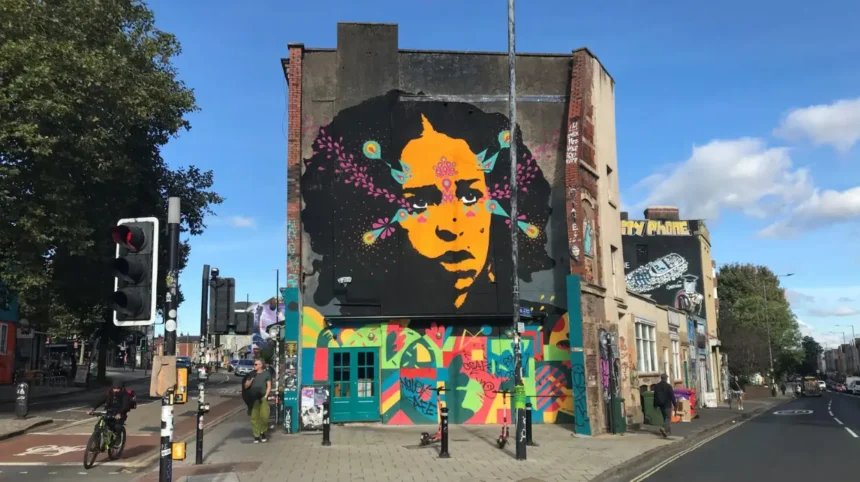
Bristol is one of the UK’s most recognised cities for street art, graffiti and large-scale murals. Its visual culture combines stencil art, political expression, community murals, lettering, paste-ups and commissioned public artworks. The city is particularly associated with Banksy, whose early work helped establish Bristol as an internationally recognised street-art destination.
- What is Bristol street art?
- How did Bristol become famous for street art?
- Which Bristol neighbourhoods are best for street art?
- Which artists are associated with Bristol street art?
- What are the most famous examples of Bristol street art?
- Where can visitors see Banksy street art in Bristol?
- How can you explore Bristol street art on foot?
- How does Bristol street art differ from graffiti?
- Is Bristol street art legal?
- How does street art contribute to Bristol’s culture?
- How should visitors photograph Bristol street art?
- Why does Bristol street art keep changing?
- What role does M Shed play in understanding Bristol street art?
- What should visitors know before planning a Bristol street art tour?
- What is the future of Bristol street art?
- Bristol Street Art Guide: Key Takeaway
Street art in Bristol is not confined to one gallery or district. It appears across central neighbourhoods, independent creative areas, commercial streets and regenerated urban spaces. Stokes Croft, Bedminster, Southville, the Harbourside and the Old City are important areas for discovering Bristol’s changing outdoor art scene.
The city’s street art also connects with Bristol’s wider history. Public art reflects themes including identity, inequality, protest, music, migration, environmental concerns and local community life. Some works are officially commissioned, while unauthorised graffiti is treated differently under the law.
For visitors, this makes Bristol street art a walking-based cultural experience. The artwork changes over time, so a street-art route is never completely fixed. Understanding the history, locations, artists, legal framework and conservation issues provides a more complete picture of Bristol’s visual culture.
What is Bristol street art?
Bristol street art is publicly visible artwork created on walls, buildings and urban structures, including murals, stencils, graffiti, paste-ups and commissioned installations. It combines independent creativity, community projects, political expression and Bristol’s internationally recognised urban-art culture.
Street art refers to visual work produced in public or semi-public spaces. It includes murals, stencils, painted lettering, wheat-pasted posters, stickers and other forms of intervention.
Graffiti is closely related but has a distinct tradition. Bristol City Council defines graffiti as painting, writing, marking or defacing property. Its examples include drawings, scribbles, messages and tags. The council also identifies sticker bombing as a form of graffiti.
The distinction between street art and graffiti is important because permission determines the legal status of work. Bristol City Council states that painting a street-art mural without the property owner’s permission constitutes criminal damage. Planning permission can also be relevant in conservation areas.
Legal commissioned murals therefore form an important part of Bristol’s public-art environment. Unauthorised tags and graffiti form a separate category, even when both appear on the same streets.
Bristol’s street-art identity developed through a combination of local creative communities, graffiti culture and artists who achieved international recognition. Banksy became the city’s most famous street-art figure, but Bristol’s wider scene includes many artists and collective projects.
How did Bristol become famous for street art?
Bristol became famous for street art through its strong graffiti culture, independent music and creative communities, the emergence of Banksy, major public-art projects and continuing investment in cultural activity. These influences transformed ordinary walls into significant parts of Bristol’s urban identity.
Bristol’s reputation developed gradually rather than from one single event. The city already had a strong creative culture before street art became a major visitor attraction.
Music played an important cultural role. Bristol became associated with influential musical movements and independent creative communities. This wider environment provided space for experimentation across music, design, fashion and visual art.
The emergence of Banksy significantly increased international attention. Banksy is an anonymous British artist known for stencil-based works combining concise visual messages with political and social commentary. His connection with Bristol remains an important part of the city’s cultural identity.
Bristol Museums documents Banksy’s relationship with the city through its collections and exhibitions. In 2009, Bristol Museum & Art Gallery hosted Banksy versus Bristol Museum, an exhibition that incorporated the artist’s work into the museum environment.
The city’s museums also preserve physical examples of Banksy’s work. The Grim Reaper, originally painted on the side of the ship and nightclub Thekla around 2003, was removed during conservation work in 2014 and placed on long-term loan at M Shed from 2015.
This transition from outdoor wall painting to museum conservation demonstrates the changing cultural status of street art. Some works that originated in informal urban environments are now treated as historically significant artworks.
Which Bristol neighbourhoods are best for street art?
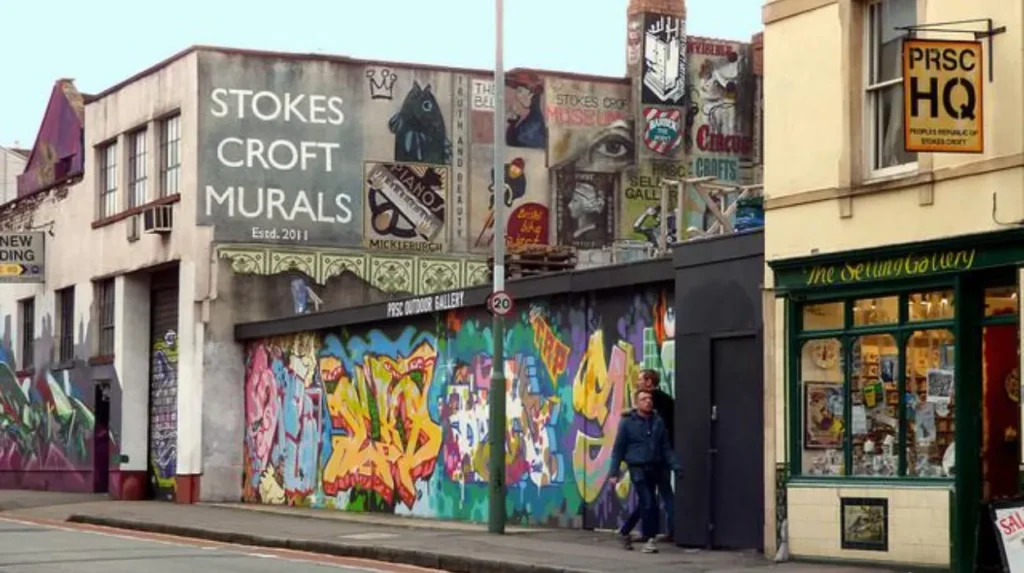
Stokes Croft, Montpelier, Southville, Bedminster, the Old City and areas around the Harbourside provide some of Bristol’s strongest street-art environments. Each area has a different mix of murals, graffiti, independent businesses, community artwork and changing outdoor installations.
Stokes Croft
Stokes Croft is one of Bristol’s best-known creative districts. Its streets contain large murals, painted walls, lettering and temporary artworks.
The area connects the city centre with St Paul’s and Montpelier. Its independent businesses, music venues and creative organisations contribute to a dense visual environment.
Nelson Street
Nelson Street became internationally recognised for large-scale urban art through the See No Evil project. The project brought major mural works to the city centre and helped establish large-format street art as a significant feature of Bristol’s urban environment.
Its legacy remains important even though individual artworks change or disappear.
Bedminster and Southville
Bedminster and Southville contain substantial mural activity and are associated with the annual Upfest street-art tradition.
Upfest has historically brought artists together across walls and public spaces in south Bristol. The festival helped create a strong relationship between community activity, independent businesses and large-scale mural painting.
The Old City
The Old City contains historic streets where modern public art exists alongside older architecture. Nelson Street and surrounding areas provide particularly strong opportunities to combine street-art viewing with Bristol’s historic urban environment.
Harbourside
The Harbourside offers a different visual setting. Former industrial and maritime spaces provide large surfaces and pedestrian routes around the Floating Harbour.
M Shed is particularly relevant because its collections document Bristol’s social, industrial and cultural history. The museum also holds Banksy-related material.
Which artists are associated with Bristol street art?
Banksy is Bristol’s most internationally recognised street artist, but the city’s street-art culture includes many other artists, muralists and creative collectives. The wider scene includes graffiti writers, illustrators, community artists and internationally recognised mural specialists.
Banksy dominates international discussions about Bristol street art because of his global reputation. His Bristol works demonstrate the importance of stencil art in the city’s visual history.
However, Bristol street art cannot accurately be reduced to one artist. The city has developed a broad ecosystem involving professional muralists, graffiti writers, illustrators and community organisations.
Large-scale projects have introduced artists from outside Bristol while also providing platforms for local creators. This combination has helped Bristol develop an urban-art culture that extends beyond Banksy.
The city’s cultural institutions reinforce this broader interpretation. Bristol Museums describes its collections as covering art, archaeology, history, industry and the natural and wider world. Its stories also include Banksy alongside other aspects of Bristol’s social and cultural development.
Visitors should therefore treat Banksy as one important entry point rather than the complete definition of Bristol street art.
What are the most famous examples of Bristol street art?
Bristol’s most famous street-art examples include Banksy works such as Well Hung Lover and the Grim Reaper, alongside large-scale mural projects associated with Nelson Street and Upfest. Their importance comes from artistic recognition, location, cultural history and public visibility.
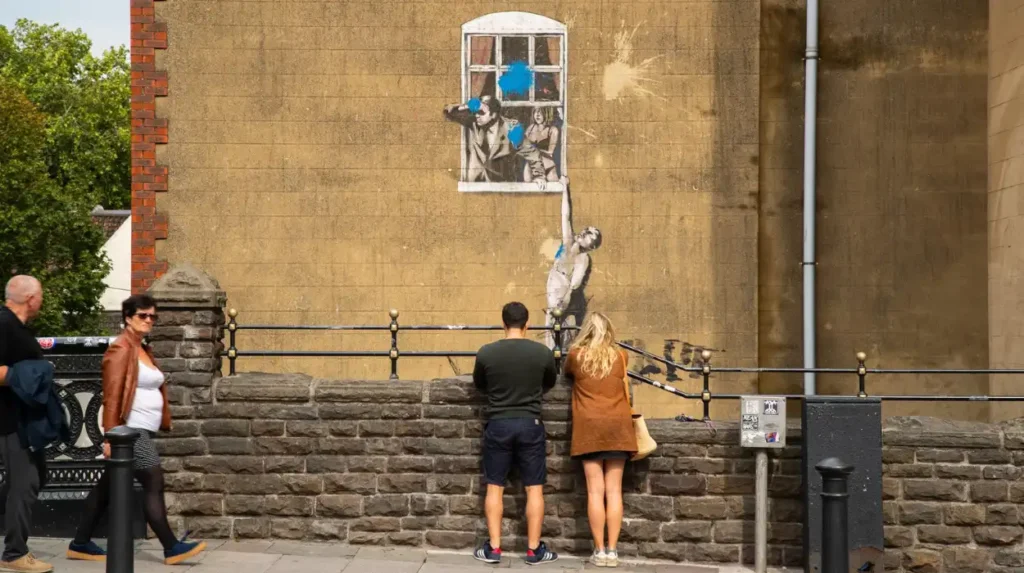
Banksy’s Well Hung Lover is one of Bristol’s most recognisable surviving outdoor works. It is located on Park Street and is commonly associated with the city’s street-art identity.
The artwork demonstrates Banksy’s characteristic use of stencil imagery and concise visual communication. Its location on a prominent urban building helped make it particularly visible to residents and visitors.
The Grim Reaper has a different history. Banksy painted the image on Thekla, a former cargo ship that became a Bristol music venue. Bristol Museums records that the work was painted around 2003 and positioned above the ship’s waterline.
Exposure to harbour conditions caused deterioration. During dry dock work in August 2014, the artwork was removed from the ship’s steel hull. Conservation specialists examined rust, deposits and spray paint before the work was transferred to M Shed.
The See No Evil project on Nelson Street represents another major stage in Bristol’s street-art history. It demonstrated how large-scale murals can transform an urban environment and attract attention beyond conventional gallery spaces.
Upfest represents another important development. The festival established Bedminster and Southville as major destinations for mural culture and connected local businesses with artists and visitors.
These examples demonstrate that Bristol street art exists in different formats. Some works are small stencils. Others cover entire building façades. Some remain in their original locations, while others enter museum collections because of conservation requirements.
Where can visitors see Banksy street art in Bristol?
Visitors can explore Banksy-related locations around Bristol, including Park Street and areas associated with his early career, while M Shed provides museum-based context and preserves the Grim Reaper. Outdoor works require checking current conditions because street art changes over time.
Banksy’s Bristol connection is one of the strongest reasons visitors search for a street-art walking route.
Park Street is an important location because of Well Hung Lover. The work sits within a busy central area close to Bristol’s cultural institutions and university environment.
The Harbourside provides another important Banksy connection through the Grim Reaper. Unlike a typical outdoor mural, this work is now conserved and displayed at M Shed.
M Shed provides broader context for understanding Bristol’s social and cultural history. Its Bristol People gallery explores themes including creativity, protest, trade and celebration. The museum specifically identifies Banksy among its Bristol stories.
M Shed is on Bristol’s harbourside, about a five-to-ten-minute walk from the city centre and around a 20-minute walk from Bristol Temple Meads station.
The museum is free to enter, although donations are welcomed. Current standard opening information lists Tuesday to Sunday opening from 10am to 5pm in 2026, with some exceptions.
A Banksy-focused visit therefore works best when outdoor locations are combined with museum interpretation.
How can you explore Bristol street art on foot?
A Bristol street-art walk works best as a flexible route connecting central locations with Stokes Croft, Nelson Street, Park Street, the Harbourside and south Bristol. Walking allows visitors to examine murals closely while discovering independent streets and cultural landmarks.
A practical central route begins around Nelson Street. From there, visitors can continue towards the Old City and central shopping streets.
The route can then extend towards Park Street, where Well Hung Lover provides a major Banksy-related landmark.
From Park Street, visitors can walk towards the Harbourside. M Shed provides useful historical context and a preserved Banksy artwork.
Another route heads north towards Stokes Croft and Montpelier. This area is particularly suitable for visitors interested in broader graffiti and mural culture rather than Banksy alone.
A separate south Bristol route can focus on Bedminster and Southville. This area has strong connections with mural projects and Upfest.
Street art routes require flexibility. Paintings are exposed to weather, redevelopment, repainting and new commissions. A wall photographed during one visit can look different later.
The changing nature of street art is part of its structure. Unlike a permanent museum collection, outdoor art occupies buildings and infrastructure that continue to change.
Visitors should also avoid entering private land, blocking pavements or touching artworks. Photography from public spaces is the simplest approach.
How does Bristol street art differ from graffiti?
Street art and graffiti overlap in materials and locations but differ in purpose, style, permission and cultural context. Bristol contains commissioned murals alongside unauthorised tags, so visitors should not treat every painted wall as an officially sanctioned public artwork.
Graffiti traditionally includes tags, lettering and quickly produced markings. A tag is a personalised signature or symbol representing the person applying it, according to Bristol City Council.
Street art generally includes more developed visual compositions such as murals, stencils, illustrations and public-art installations.
The categories are not completely separate. Artists can work across graffiti and street-art traditions. The key distinction for property owners is permission.
Bristol City Council states that unauthorised graffiti is illegal and advises residents to report it for investigation or removal. The council also explains that owners should give permission before a mural is painted.
This legal distinction matters for visitors because a colourful wall does not automatically represent an official Bristol public-art project.
Is Bristol street art legal?
Bristol street art is legal when the property owner authorises the work and any required planning controls are satisfied. Unauthorised painting, marking or defacing of property is treated as criminal damage, while conservation areas can require additional planning consideration.
Permission is the central legal issue.
Bristol City Council explicitly states that artists need the building owner’s permission before painting street art or a mural. Without permission, the activity is classed as criminal damage and can result in a fine or imprisonment.
Planning controls can also apply. The council notes that planning permission can be required in conservation areas.
This framework explains why Bristol contains both legal murals and unauthorised graffiti. A professionally commissioned mural can form part of a planned regeneration or community project. A tag painted without consent has a different legal status.
The distinction also affects property owners. Bristol City Council advises people to photograph graffiti before removal and report incidents to the relevant property owner or authority. Different infrastructure owners are responsible for different surfaces, including bus shelters, railway bridges, post boxes and telephone boxes.
Visitors should therefore appreciate street art without encouraging unauthorised painting.
How does street art contribute to Bristol’s culture?
Street art contributes to Bristol’s cultural identity by occupying visible public spaces and connecting artistic production with community life, history, music, politics and regeneration. Museums and public-art policies increasingly recognise public art as part of the city’s wider cultural environment.
Public art changes how people experience streets. A mural can transform a blank wall into a cultural landmark and create a recognisable location for residents and visitors.
Bristol City Council maintains a Public Art Strategy and Policy framework covering public art and cultural projects in public spaces. The policy also connects public art with urban design and planning.
This institutional recognition demonstrates how public art has moved beyond a purely informal activity.
Street art also contributes to tourism. Visitors travel specifically to see Bristol’s murals and Banksy-related locations. Independent walking routes, cultural businesses and local events build visitor activity around the artwork.
Community murals have another function. Bristol City Council identifies murals as projects that can celebrate community history or diversity, while also stressing the importance of speaking with local people before creating new work.
Street art therefore operates across several cultural levels. It can function as individual expression, commissioned public art, community participation, political communication and tourism infrastructure.
How should visitors photograph Bristol street art?
Visitors should photograph Bristol street art from publicly accessible areas without touching artwork, blocking pedestrians or entering private property. Wide-angle photographs record the relationship between murals and buildings, while close photographs capture stencil, lettering and surface details.
Photography is one of the simplest ways to document Bristol’s outdoor art.
A wide photograph shows the scale and architectural setting of a mural. A closer image records paint texture, stencil details and lettering.
Visitors should remain on public paths and respect property boundaries. Some murals are located on private buildings or commercial premises.
Street art also changes physically. Rain, sunlight, pollution, building work and repainting affect outdoor artwork. Photographs therefore provide a dated record of the artwork’s appearance.
For historical comparison, visitors can pair outdoor photographs with museum collections. M Shed’s collections and exhibitions provide contextual information about Bristol’s urban and cultural history.
Photography should not involve climbing structures or obstructing entrances. Street art is part of an active urban environment rather than an isolated gallery exhibit.
Why does Bristol street art keep changing?
Bristol street art changes because outdoor artworks face weathering, conservation issues, redevelopment, repainting, new commissions and unauthorised tagging. The temporary nature of many murals means that Bristol’s street-art landscape represents an evolving record of contemporary urban culture.
Outdoor artwork has no guaranteed permanence.
Buildings are renovated. Walls are demolished. Businesses change. Property owners repaint surfaces. New artists cover older work. Weather damages exposed paint.
The Grim Reaper provides a documented example of conservation pressure. Its location on Thekla exposed it to harbour conditions, contributing to deterioration. The work was eventually removed and conserved before entering M Shed.
Other works disappear through redevelopment or deliberate repainting.
This constant change distinguishes street art from traditional museum collections. A museum can control temperature, humidity, lighting and security. An outdoor mural remains exposed to its surrounding environment.
Bristol’s street-art scene should therefore be understood as a living cultural record. A visitor returning after several years can encounter a substantially different collection of murals.
The changing landscape also creates challenges for online guides. Static lists become outdated when works disappear or new murals replace them. Visitors should verify current artwork locations before planning a detailed route.
What role does M Shed play in understanding Bristol street art?
M Shed provides historical and cultural context for Bristol’s street art by documenting the city’s people, places, creativity and social history. Its collections include Banksy-related material, while preserved works demonstrate how significant outdoor artworks enter museum conservation.
M Shed is Bristol’s city museum on the harbourside. It tells the story of Bristol from prehistoric times to the present and focuses heavily on the people and places that shaped the city.
Its Bristol People gallery explores creativity, protest, trade and celebration. These themes provide useful context for understanding public art as part of wider civic culture.
The museum also preserves Banksy’s Grim Reaper, originally painted on Thekla. Conservation became necessary because exposure to the harbour environment was damaging the artwork.
This creates an important connection between street art and museum practice. An artwork can begin in an outdoor environment but later become part of a formal collection.
M Shed is therefore useful for visitors who want to understand Bristol street art rather than simply photograph it.
What should visitors know before planning a Bristol street art tour?
Visitors should plan around current artwork locations, use public routes, respect private property, allow time for walking and combine outdoor murals with museums and cultural districts. Street art changes frequently, so current information is more reliable than permanent assumptions about individual walls.
A practical Bristol street-art visit benefits from geographic planning.
Central Bristol provides several locations within walking distance. Stokes Croft and south Bristol require longer walking routes, while M Shed adds a museum-based component.
Visitors should wear suitable footwear because many routes involve pavements, slopes and longer urban walks.
Weather also matters. Outdoor street art is best examined during daylight, particularly when detailed stencil work or lettering is involved.
Respect for residents and businesses is essential. Visitors should avoid blocking doorways, photographing people without permission or entering private property.
The legal position is equally important. Unauthorised graffiti is not equivalent to commissioned public art. Bristol City Council encourages reporting illegal graffiti and states that murals require property-owner permission.
A responsible street-art tour therefore combines cultural interest with normal urban etiquette.
Explore More Area Guide
Guide to Bristol City Centre: Attractions, History & Travel Bristol 2026
Living in Bishopston: Complete Bristol Guide 2026
What is the future of Bristol street art?
The future of Bristol street art is linked to public-art policy, cultural investment, community projects, tourism, conservation and urban redevelopment. Continued recognition of public art ensures murals remain part of discussions about Bristol’s identity, planning, regeneration and creative economy.
Bristol’s public-art environment continues to develop alongside wider cultural policy.
Bristol City Council states that its Public Art Strategy and Policy guides public art and cultural projects in the city’s public spaces and contributes to urban design through planning policy.
This creates an institutional framework for new public artwork.
Conservation will also remain important. Historically significant murals face environmental damage, redevelopment and changing ownership. The preservation of Banksy’s Grim Reaper demonstrates the resources required to protect an outdoor artwork after its original environment becomes unsuitable.
Tourism will continue to influence how visitors engage with Bristol’s street art. Banksy remains a major international cultural reference, while neighbourhood murals provide a broader understanding of the city’s creative identity.
The most accurate future view is therefore not that Bristol has a fixed collection of street art. Instead, Bristol has an evolving public-art environment shaped by artists, property owners, communities, cultural institutions, planning decisions and changing urban spaces.
Bristol Street Art Guide: Key Takeaway
Bristol street art is a major part of the city’s contemporary cultural identity. Banksy provides the most internationally recognised connection, but the wider scene includes murals, graffiti, community projects, festivals and commissioned public art across neighbourhoods including Stokes Croft, Bedminster, Southville, the Old City and the Harbourside.
The city’s street art also demonstrates the changing relationship between informal creativity and established cultural institutions. Works can begin on urban walls and later enter museums or conservation programmes. M Shed’s preservation of Banksy’s Grim Reaper provides one of the clearest examples.
For visitors, Bristol street art is best explored as a changing urban culture rather than a fixed outdoor gallery. Walking through different neighbourhoods reveals different artistic styles, histories and community contexts. Respecting property, following public routes and understanding the distinction between authorised street art and illegal graffiti ensures a responsible experience.
Bristol’s continuing public-art policy, creative economy and cultural institutions provide a strong framework for future mural projects. The result is an evolving visual landscape that remains closely connected to the city’s history, people and public spaces.
What is Bristol famous for in street art?
Bristol is famous for its vibrant street-art culture and its connection with Banksy. The city features murals, stencils, graffiti, commissioned artwork and community projects across areas such as Stokes Croft, Bedminster, Southville and the Harbourside.