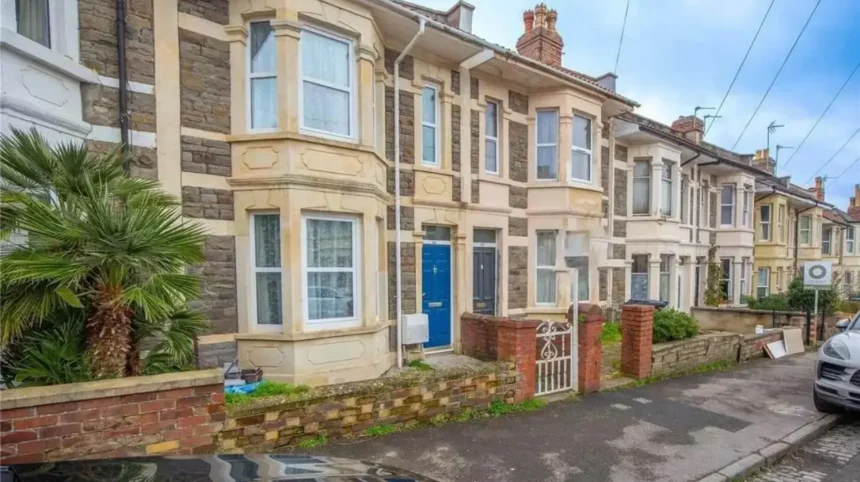
Bristol is one of the South West’s major employment, education and housing markets. The city combines historic neighbourhoods, Victorian terraces, post-war housing estates, modern apartment developments and regeneration districts. This creates different entry points for first-time buyers depending on budget, property type, transport needs and long-term plans.
- Which areas of Bristol are suitable for first-time buyers?
- Why is Fishponds considered for first-time buyers in Bristol?
- Is Horfield a practical area for first-time buyers?
- What makes Bedminster important for Bristol first-time buyers?
- Is Brislington a good location to investigate for a first home?
- Why should first-time buyers consider Southmead?
- Could Speedwell and east Bristol offer more accessible entry points?
- What should buyers know about St George and nearby east Bristol?
- How do Knowle, Hengrove and south Bristol compare for first-time buyers?
- How much do first-time buyers need to budget for a Bristol home?
- What property types should Bristol first-time buyers consider?
- How should first-time buyers compare Bristol neighbourhoods?
- How does Bristol regeneration affect first-time buyers?
- What should first-time buyers check before making an offer in Bristol?
- Which Bristol areas should first-time buyers investigate first?
The average Bristol house price was £352,000 in July 2026, according to the Office for National Statistics (ONS) and HM Land Registry. The average price paid by first-time buyers was £313,000, compared with £425,000 for home movers. The first-time-buyer average increased from £307,000 in July 2025. These figures provide city-wide context, but individual neighbourhoods vary substantially.
Bristol’s housing market includes neighbourhoods such as Fishponds, Horfield, Bedminster, Brislington, Southmead, Speedwell, St George, Knowle, Hartcliffe, Hengrove, Filwood, Easton and St Anne’s. Each area has a different combination of property prices, housing stock, transport links, local facilities and development activity.
For a first-time buyer, the definition of a suitable area extends beyond the purchase price. Mortgage affordability, deposit requirements, council tax, service charges, maintenance costs, commuting time and future housing needs all affect the real cost of ownership.
The best approach is therefore to identify areas that match a buyer’s financial position and lifestyle rather than treating Bristol as one uniform housing market.
Which areas of Bristol are suitable for first-time buyers?
Fishponds, Horfield, Brislington, Southmead, Speedwell, St George, Knowle, Hengrove and parts of Bedminster provide established housing options for first-time buyers, with different combinations of terraces, flats, transport connections, local centres, green space and regeneration activity.
Bristol has no single first-time-buyer neighbourhood because buyers enter the market at different price points and with different priorities.
Fishponds has a strong residential identity and established local centre. Horfield provides access to Gloucester Road, Filton Road and employment areas in north Bristol. Brislington offers a mixture of older housing and suburban development along major transport corridors.
Southmead and parts of north Bristol provide access to major employment and healthcare facilities. Speedwell, St George and surrounding east Bristol districts provide additional housing choices away from the most expensive central locations.
Bedminster is particularly significant because of its proximity to central Bristol and Temple Quarter. Bristol City Council identifies Central Bedminster as an area of growth and regeneration, with Bedminster railway station and MetroBus services forming part of its strategic transport network.
Neighbourhood selection also depends on property type. A buyer looking for a one-bedroom flat has a different search area from someone seeking a two-bedroom terrace with outdoor space.
The city’s official statistics provide neighbourhood-level data through the ONS Bristol area profile and Census resources. These allow buyers to examine population, housing and socioeconomic characteristics for individual areas rather than relying only on city-wide averages.
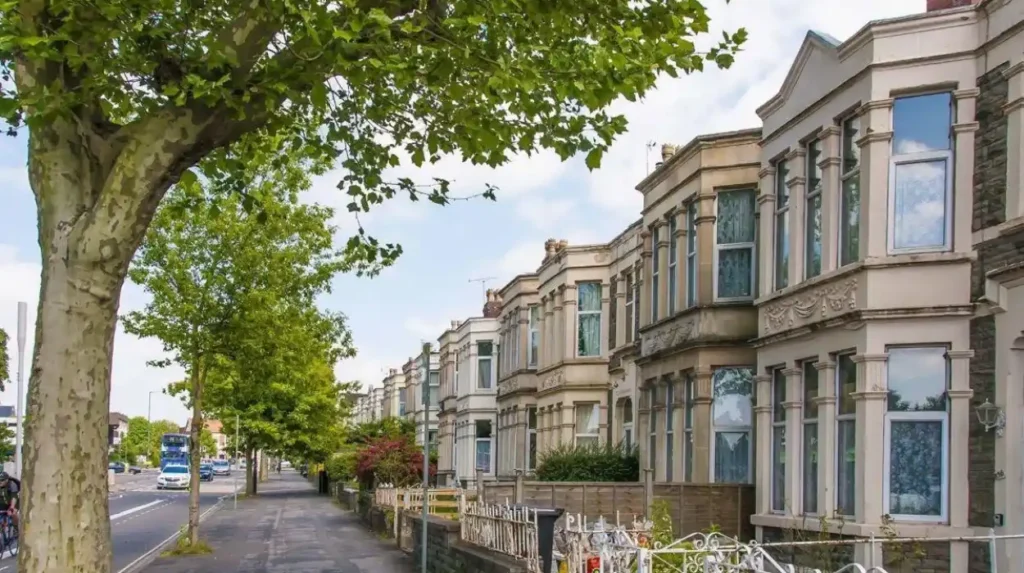
Why is Fishponds considered for first-time buyers in Bristol?
Fishponds combines established residential streets, local shops, access to the Bristol and Bath Railway Path and connections towards central Bristol and east Bristol. Its mixture of housing types gives first-time buyers several property formats to consider within one broad neighbourhood.
Fishponds is located in east Bristol and developed from a combination of historic settlement and industrial activity. Its modern residential character includes terraces, semi-detached houses, flats and converted properties.
The Bristol and Bath Railway Path is an important active-travel connection through the area. It provides a largely traffic-free route between Bristol and Bath and forms part of Bristol’s wider walking and cycling network.
Fishponds also has a significant planning context. Bristol City Council’s Strategic Housing Land Availability Assessment identifies Central Fishponds as an area with potential for mixed-use redevelopment and new housing. The assessment identifies 34.2 hectares of potential land and an assessed capacity of 1,277 homes.
The emerging planning framework includes residential, workspace and community uses. Bristol’s Local Plan publication version identifies Central Fishponds for new homes, affordable housing, workspace, retail, leisure and improved walking and cycling connections.
For first-time buyers, this planning activity matters because the neighbourhood is not static. New development can introduce different property types alongside existing housing.
Buyers should examine each property individually. A Victorian terrace, leasehold flat and new-build apartment have different maintenance, tenure and running-cost considerations.
Is Horfield a practical area for first-time buyers?
Horfield provides first-time buyers with established residential streets, access to Gloucester Road and Filton Road, local services and connections towards north Bristol. Its housing stock includes terraces, flats and other established residential properties.
Horfield is positioned north of central Bristol and has strong links towards Filton, Southmead and the city centre.
Gloucester Road is a major commercial corridor with shops, food businesses and local services. Filton Road provides another important north Bristol route.
The area also has housing development potential. Bristol’s Local Plan documents identify development sites in Horfield, including sites intended for housing and mixed residential uses. One identified site near Filton Road and Horfield Leisure Centre has an estimated capacity of 60 homes and sits close to bus routes connecting with the city centre.
The mix of older properties and newer development makes Horfield relevant to buyers who want to compare different forms of housing.
First-time buyers should investigate tenure carefully. Many older Bristol properties are freehold houses, while flats are frequently leasehold. Leasehold buyers need to examine remaining lease length, service charges, ground rent provisions and planned major works.
Horfield’s transport position also makes journey planning important. Buyers should calculate actual commuting times from the specific property rather than relying on the neighbourhood name.
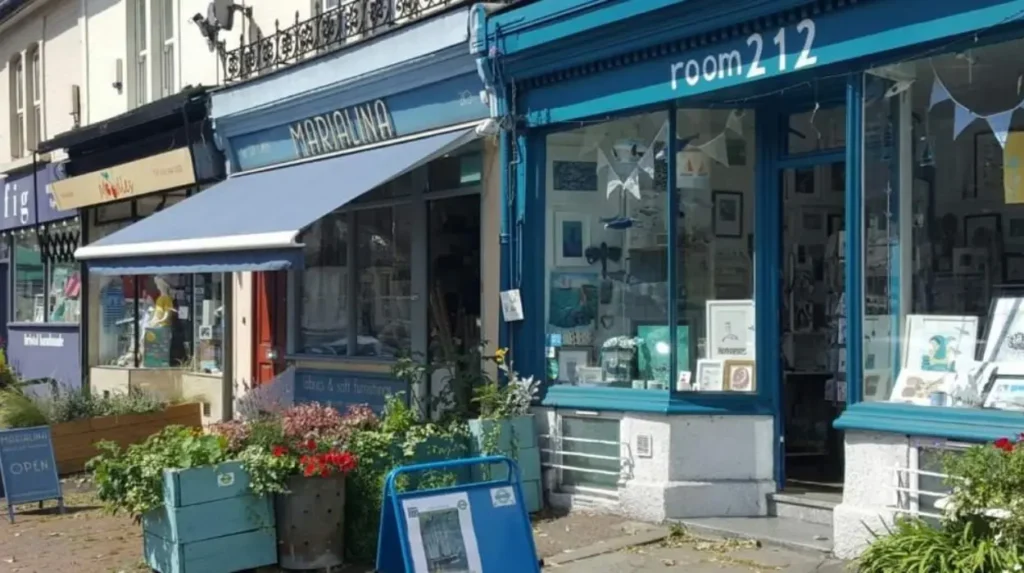
What makes Bedminster important for Bristol first-time buyers?
Bedminster combines proximity to Bristol city centre with established housing, major local shopping areas, railway access, MetroBus services and significant regeneration. It offers first-time buyers a broad mix of existing homes and emerging residential development.
Bedminster is one of south Bristol’s principal urban districts. Historically, it developed as an industrial settlement and later became a densely built suburb of Bristol. Bristol City Council’s Whitehouse Street regeneration framework records the area’s industrial history, including tobacco manufacturing, tanneries and tightly packed terrace housing.
Modern Bedminster contains established residential streets around East Street, North Street, Windmill Hill and surrounding areas.
Central Bedminster is also undergoing substantial regeneration. The council’s Strategic Housing Land Availability Assessment identifies 52.6 hectares in Central Bedminster with an assessed capacity of 4,067 homes. Much of the potential is concentrated around Bedminster Green and Whitehouse Street.
Bedminster Green includes five redevelopment plots. The regeneration programme includes new homes, affordable housing, public spaces, transport improvements, walking and cycling infrastructure and restoration of the River Malago.
Bedminster’s location is another defining factor. Bristol City Council identifies its proximity to the city centre and Temple Quarter, together with MetroBus services and Bedminster railway station, as key development advantages.
A buyer considering Bedminster should distinguish between established streets and regeneration zones. Construction activity, future development and property-specific conditions differ from one street to another.
Is Brislington a good location to investigate for a first home?
Brislington gives first-time buyers access to established residential housing in south-east Bristol, with major road and bus connections, local shopping and a mixture of older and newer homes. Its location provides an alternative to higher-priced central neighbourhoods.
Brislington lies south-east of Bristol city centre along the A4 corridor. The area has a mixture of traditional housing, later suburban development, flats and modern residential schemes.
Its location makes transport an important consideration. The A4 provides a direct route towards central Bristol and Bath, while local bus services connect Brislington with other parts of the city.
Brislington is also close to commercial facilities around Brislington Retail Park and local centres. This creates a practical residential environment for buyers who prioritise access to everyday services.
Property searches should separate different parts of Brislington because housing stock changes across the district. Older terraces and semi-detached properties have different maintenance requirements from newer developments.
The area also has links to wider south Bristol regeneration and transport planning. Buyers should therefore check current planning applications and local authority proposals before purchasing, particularly when considering a property close to major roads or redevelopment sites.
Why should first-time buyers consider Southmead?
Southmead is an established north Bristol residential area with major healthcare employment nearby, established housing and connections to surrounding neighbourhoods. Its location gives buyers another route into Bristol’s housing market outside the most central and expensive districts.
Southmead is strongly associated with the North Bristol healthcare and employment area. Its housing stock includes post-war homes, terraces, flats and other residential formats.
The neighbourhood’s proximity to major employment facilities is important for buyers working in healthcare, education and related sectors. Employment location can materially affect household transport costs and commuting time.
Southmead also sits close to Horfield and Filton, providing access to wider north Bristol services.
Bristol’s planning documents identify housing development opportunities along Southmead Road. The Local Plan publication documents include housing allocations at several Southmead Road sites.
First-time buyers should examine individual property condition closely in established housing. Construction date, insulation, roof condition, windows, heating systems and electrical installations influence ownership costs.
A lower purchase price does not automatically mean a lower total cost of ownership. Maintenance expenditure can significantly affect a first-time buyer’s budget.
Could Speedwell and east Bristol offer more accessible entry points?
Speedwell and surrounding east Bristol neighbourhoods provide established residential housing, local shops and connections towards central Bristol and employment areas. They form part of a wider east Bristol market with varied property types and different levels of housing affordability.
Speedwell sits within Bristol’s eastern urban area. It connects with districts including Fishponds, Stapleton, St George, Hanham and Downend.
The wider east Bristol housing market includes terraces, semi-detached properties, flats and post-war housing. This creates several property formats for buyers with different budgets.
Transport is an important consideration because commuting patterns differ between central Bristol, north Bristol and employment areas outside the city boundary.
First-time buyers should also distinguish between Speedwell itself and nearby areas. Property prices and housing characteristics can change across short distances.
Bristol’s wider regeneration strategy includes projects designed to improve housing supply, employment access and the built environment. The council currently identifies regeneration activity across multiple Bristol districts as part of its wider development programme.
The practical lesson is to compare individual streets and property types rather than treating east Bristol as one uniform market.
What should buyers know about St George and nearby east Bristol?
St George provides established residential streets, access to green space and connections into east Bristol and central Bristol. Nearby districts expand the choice of terraces, flats and houses, giving first-time buyers a wider geographic area for property searches.
St George is an established residential district east of Bristol city centre. It is particularly associated with St George Park and established residential streets.
The neighbourhood sits within a wider east Bristol housing market that includes Fishponds, Speedwell, Stapleton and other districts.
For buyers, proximity to green space can affect the practical use of a home and the character of its immediate surroundings. Transport remains equally important because a property further from a main route can have a different commuting profile.
St George also provides access to local shops and community facilities.
The key purchasing issue is property-specific affordability. A buyer should compare the asking price with recent sold-property evidence, property size, tenure and condition.
The Land Registry and ONS provide official housing-price data for Bristol. ONS warns that local housing data can be more variable because they are based on smaller numbers of transactions, making annual or longer-term comparisons more useful than isolated monthly movements.
How do Knowle, Hengrove and south Bristol compare for first-time buyers?
Knowle, Hengrove and surrounding south Bristol neighbourhoods provide established residential housing and access to local services, employment areas and transport routes. They broaden the first-time-buyer search beyond central districts and include different property sizes and housing formats.
Knowle is an established south Bristol residential district with a mixture of houses and flats. Its position provides connections towards central Bristol and neighbouring south Bristol communities.
Hengrove lies further south and has experienced regeneration and investment activity. It provides access to local services and employment areas while remaining within Bristol’s administrative boundary.
South Bristol is also subject to broader planning and regeneration programmes. Bristol City Council identifies projects including Knowle West, Filwood and other regeneration areas within its city-wide programme.
Transport should remain central to the purchasing decision. A property with a lower purchase price but higher commuting costs can produce a different household budget from a more expensive property with easier access to employment.
Buyers should also examine flood-risk information, especially near watercourses and low-lying areas. Property-level searches should include the official planning record, environmental information and building condition.
How much do first-time buyers need to budget for a Bristol home?
The average Bristol first-time-buyer purchase price was £313,000 in July 2026, while the overall city average was £352,000. Buyers also need funds for deposits, mortgage costs, surveys, legal work, moving expenses, insurance and potential property repairs.
The ONS recorded an average first-time-buyer price of £313,000 in July 2026, compared with £352,000 for all buyers. The first-time-buyer figure was 2.2% higher than the revised July 2025 figure of £307,000.
The deposit required depends on the mortgage product and lender. A larger deposit generally changes the loan-to-value position, but buyers need to compare mortgage rates and affordability rather than focusing only on the deposit percentage.
Stamp Duty Land Tax (SDLT) also forms part of the purchasing calculation in England. Under current rules, qualifying first-time buyers pay no SDLT on the first £300,000 of a property costing £500,000 or less. A 5% rate applies to the portion between £300,001 and £500,000. Purchases above £500,000 do not qualify for first-time-buyer relief.
For example, a qualifying first-time buyer purchasing a £350,000 home pays no SDLT on the first £300,000 and 5% on the remaining £50,000, producing an SDLT bill of £2,500.
Other purchasing costs include conveyancing, mortgage fees, valuation or survey costs, removals and immediate repairs.
Flat buyers also need to budget for service charges and other leasehold costs where applicable.
What property types should Bristol first-time buyers consider?
Flats can provide lower entry prices, terraces often provide additional space, and semi-detached houses offer larger layouts. First-time buyers should compare purchase price with service charges, maintenance, tenure, energy efficiency, outdoor space and future housing requirements.
Flats are common in central and regenerated parts of Bristol. They can provide access to locations that cost more when buying an entire house. However, leasehold costs require careful examination.
Terraced houses are widespread in established Bristol neighbourhoods. Victorian and Edwardian terraces often provide two or more bedrooms, but their age creates specific maintenance considerations.
Semi-detached houses provide additional internal and external space but generally require a larger purchase budget.
New-build homes introduce different considerations. They can provide modern energy-efficiency standards and lower immediate maintenance requirements, while buyers need to examine service charges, estate management arrangements and the exact specification.
Older homes require building surveys appropriate to their age and construction. Buyers should investigate damp, roof condition, structural movement, insulation, windows, wiring and plumbing.
The correct property type therefore depends on the buyer’s budget, household size and expected length of ownership.
How should first-time buyers compare Bristol neighbourhoods?
First-time buyers should compare purchase price, property type, transport, employment access, local services, housing condition, council tax, tenure, service charges, development plans and resale considerations before selecting a Bristol neighbourhood.
The first comparison should be financial. Buyers should establish a realistic maximum purchase price based on mortgage affordability and available deposit.
The second comparison should involve transport. Buyers should calculate regular commuting costs and journey times from the specific property.
The third comparison should focus on property condition. Two homes with similar asking prices can have very different immediate repair requirements.
The fourth comparison should involve tenure. Freehold houses and leasehold flats create different ownership obligations.
The fifth comparison should involve planning. Bristol’s Local Plan determines how land is developed and protected, while neighbourhood plans can add local planning policies. Bristol City Council provides an interactive Local Plan policies map that allows users to search by address.
Planning information is particularly important in regeneration areas such as Bedminster and Fishponds, where significant development programmes can alter housing supply, infrastructure and public spaces.
How does Bristol regeneration affect first-time buyers?
Regeneration affects first-time buyers through new housing supply, transport investment, public-realm improvements and changing neighbourhood infrastructure. Bedminster, Fishponds and other Bristol districts have identified development opportunities that form part of the city’s longer-term housing strategy.
Bristol’s emerging Local Plan is designed to guide development through 2040. The council states that the plan will help deliver new homes and jobs while protecting environmental assets.
The city is also preparing a new Bristol Local Plan 2045 under the planning framework introduced in 2026. The published timetable states that the new plan will supersede the emerging Bristol Local Plan 2022–2040.
For first-time buyers, regeneration creates a need for detailed property research. Development can introduce new homes, improved public spaces and better transport infrastructure. It can also create construction activity and changes to traffic patterns during development.
Bedminster provides a clear example. The Bedminster Green programme includes housing, transport, public-space and environmental improvements. Whitehouse Street also has a regeneration framework focused on homes, community space and sustainable travel.
Fishponds provides another example, with identified opportunities for new homes, workspace, community uses, walking and cycling improvements.
Explore More Area Guide
Best Areas for Young Professionals in Bristol
Best Areas for Students in Bristol: Clifton, Redland & Frenchay
What should first-time buyers check before making an offer in Bristol?
Before making an offer, buyers should verify affordability, property condition, tenure, lease terms, service charges, council tax, flood risk, planning applications, transport access and comparable sold prices. These checks reduce the risk of unexpected ownership costs.
A mortgage agreement in principle provides an initial indication of borrowing capacity. It does not replace a full affordability assessment.
Buyers should then investigate the property itself. A survey helps identify physical defects and potential repair requirements.
For leasehold properties, buyers should request the lease, service-charge information, reserve-fund details and information about planned major works.
For houses, buyers should investigate boundaries, extensions, rights of way and planning permissions.
The surrounding area also requires research. The Bristol Local Plan map provides information about planning policies and development allocations.
Flood risk deserves particular attention in relevant parts of Bristol. Central Bedminster planning documents identify Flood Zones 2 and 3 around the River Avon New Cut and River Malago, with development managed through site-specific planning requirements.
Buyers should also check the actual distance to public transport, schools, shops, parks and workplaces rather than relying solely on a neighbourhood label.
Which Bristol areas should first-time buyers investigate first?
First-time buyers can investigate Fishponds, Horfield, Bedminster, Brislington, Southmead, Speedwell, St George, Knowle and Hengrove as distinct parts of Bristol’s housing market. The appropriate choice depends on budget, property requirements, commuting needs and ownership costs.
Fishponds suits buyers interested in established housing, local services and active-travel connections.
Horfield suits buyers prioritising north Bristol access, Gloucester Road and connections towards Filton and Southmead.
Bedminster suits buyers seeking proximity to central Bristol, Temple Quarter, railway services and a neighbourhood undergoing substantial regeneration.
Brislington suits buyers seeking established south-east Bristol housing and access to major transport corridors.
Southmead suits buyers whose employment or daily activities are concentrated in north Bristol.
Speedwell and St George provide additional east Bristol options with established residential housing and access to local facilities.
Knowle and Hengrove provide further south Bristol choices for buyers expanding their search beyond central neighbourhoods.
There is no city-wide property type or neighbourhood that fits every first-time buyer. Bristol’s average first-time-buyer price of £313,000 in July 2026 demonstrates the scale of the market, but individual property prices depend on location, size, condition, tenure and specification.
The most reliable purchasing strategy is to compare several neighbourhoods using the same criteria. Purchase price, mortgage affordability, deposit, transport, property condition, tenure, ongoing charges, planning activity and future housing needs should all form part of the assessment.
Bristol’s housing market continues to evolve through new development and regeneration. Current planning documents identify substantial housing opportunities in areas including Bedminster and Fishponds, while the city’s planning framework is being updated for the longer term.
For a first-time buyer, neighbourhood research is therefore a financial decision as well as a location decision. The strongest comparison comes from combining official house-price data, property-level due diligence and current planning information before committing to a purchase.
What are the best areas for first-time buyers in Bristol?
Fishponds, Horfield, Bedminster, Brislington, Southmead, Speedwell, St George, Knowle and Hengrove are areas worth researching. Each has different property prices, housing types, transport links and local facilities.