
Bristol is a city in South West England known for its maritime heritage, museums, parks, wildlife attractions and family-oriented cultural activities. A family-friendly Bristol guide helps parents and carers plan outings, discover free activities, explore outdoor spaces and organise visits around children’s ages, interests and accessibility needs.
- Why Is Bristol Suitable for Family Days Out?
- What Are the Best Family Attractions in Bristol?
- Which Bristol Parks Are Best for Children?
- Ashton Court Estate
- Blaise Castle Estate
- Brandon Hill and Cabot Tower
- Eastville Park and Oldbury Court Estate
- How Can Families Find Nearby Playgrounds?
- What Free Things Can Families Do in Bristol?
- Visit M Shed
- Explore Bristol Museum and Art Gallery
- Use Libraries and Early-Years Activities
- Enjoy a Harbour Walk
- What Is a Practical Low-Cost Family Day?
- What Can Families Do Around Bristol Harbourside?
- Which Bristol Activities Suit Toddlers and Preschool Children?
- What Can School-Age Children and Teenagers Do in Bristol?
- How Can Families Plan a Rainy-Day Visit to Bristol?
- Which Bristol Areas Are Convenient for Family Visitors?
- Is Central Bristol Suitable for Families?
- Is Clifton a Useful Base for Family Activities?
- Should Families Visit Attractions Outside the City Centre?
- How Can Families Travel Around Bristol?
- Which Family-Friendly Food and Dining Options Should Visitors Consider?
- How Can Families Find Accessible Attractions in Bristol?
- What Should Families Know About Bristol’s Seasonal Events?
- How Can Families Plan a One-Day Bristol Itinerary?
- Option One: Science and the Harbourside
- Option Two: History and Engineering
- Option Three: Parks and Outdoor Exploration
- How Much Should Families Budget for a Bristol Day Out?
- How Can Families Prepare for a Safe and Comfortable Bristol Visit?
- Why Should Families Include Bristol in Their Travel Plans?
Why Is Bristol Suitable for Family Days Out?
Bristol offers families a combination of interactive museums, wildlife attractions, historic landmarks, public parks and harbour activities. The city supports different budgets and age groups, with free museum entry, accessible public spaces and indoor alternatives for rainy days.
Bristol is a major city in South West England, situated near the River Avon and the Bristol Channel. Its maritime history, creative industries, educational institutions and green spaces shape its appeal to families living locally and visiting from other parts of the United Kingdom.
The city offers activities for toddlers, primary-school children, teenagers and adults. Younger children can explore playgrounds, watch boats and attend library sessions. Older children can investigate science exhibits, learn about engineering, visit museums and discover Bristol’s street art.
Families also benefit from having attractions across different neighbourhoods. Bristol Harbourside contains cultural venues and waterfront activities, while Clifton provides access to historic architecture and open spaces. Ashton Court and Blaise Castle Estate offer larger landscapes for outdoor recreation.
The best family itinerary combines activities according to children’s ages, the weather, travel time and the available budget. Planning one major attraction alongside a park visit or relaxed meal helps families avoid unnecessarily tiring schedules.
What Are the Best Family Attractions in Bristol?
Bristol’s family attractions include We The Curious, Bristol Aquarium, Bristol Zoo Project, Aerospace Bristol and Brunel’s SS Great Britain. Each provides a different experience, from interactive science and wildlife observation to aviation engineering and maritime history.
We The Curious
We The Curious is an interactive science centre at Millennium Square on Bristol Harbourside. Its exhibits introduce scientific ideas through practical experiments, demonstrations and activities.
The venue features more than 200 interactive exhibits across two floors and a 3D planetarium. Children can investigate topics including the human body, light, engineering and the natural world. Families can also attend scheduled workshops, demonstrations and planetarium presentations.
We The Curious suits school-age children who enjoy practical learning, although younger visitors also have activities designed for them. Under-12s must remain supervised throughout the venue, including inside the planetarium. Booking ahead is advisable, particularly during school holidays and wet weather.
Bristol Aquarium
Bristol Aquarium introduces visitors to aquatic habitats and marine life. Families can observe fish and other underwater species while learning about aquatic environments and biodiversity.
An aquarium visit provides an indoor option when rain makes outdoor activities difficult. Parents can use the exhibits to introduce children to marine conservation, food chains and the differences between freshwater and saltwater habitats.
Check the official visitor information before travelling for current opening hours, admission prices, feeding demonstrations and accessibility arrangements.
Bristol Zoo Project
Bristol Zoo Project offers wildlife experiences outside central Bristol. The attraction focuses on animals, habitats and conservation, giving children opportunities to observe wildlife and learn about protecting species.
A zoo visit works well for families who want to combine walking, animal observation and educational activities. Allow enough time for the outdoor paths and rest breaks, particularly when visiting with toddlers or younger children.
Review the current animal experiences, admission arrangements and travel details before departure. The attraction is outside the central harbourside area, so families should account for transport time.
Aerospace Bristol
Aerospace Bristol explores aviation and engineering history. Its collection includes Concorde, the supersonic passenger aircraft that became one of Britain’s most recognisable engineering achievements.
The museum provides an opportunity to discuss aircraft design, flight, technology and industrial history. It is particularly relevant for school-age children interested in science, engineering or transport.
Parents can turn the visit into an informal learning activity by asking children how aircraft travel, why engineers test designs and how passenger aviation has changed over time.
Brunel’s SS Great Britain
Brunel’s SS Great Britain preserves an important part of Bristol’s maritime and engineering heritage. The ship was designed by engineer Isambard Kingdom Brunel and launched in 1843.
Families can explore the vessel and learn how passengers and crew travelled during the nineteenth century. The experience connects engineering with everyday history, including transport, trade and life at sea.
It also introduces children to Bristol’s role as a port city. Combining the ship with a walk along the harbour creates a practical half-day itinerary without travelling between distant attractions.
Which Bristol Parks Are Best for Children?
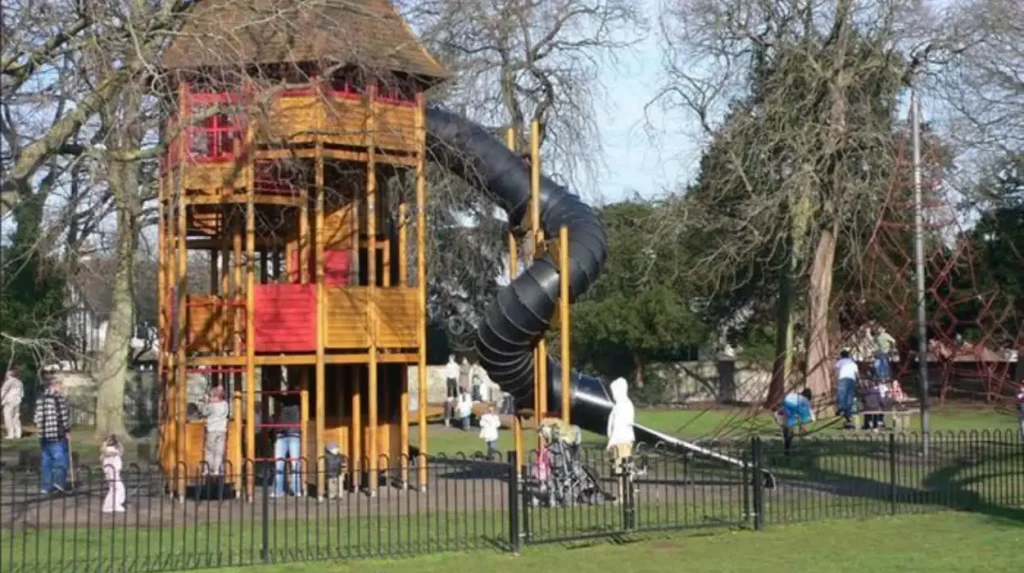
Bristol has public parks, playgrounds, woodland paths and large country estates suitable for family recreation. Ashton Court Estate, Blaise Castle Estate, Brandon Hill, Eastville Park and Oldbury Court Estate provide different settings for walking, picnics, play and nature observation.
Ashton Court Estate
Ashton Court Estate covers approximately 850 acres of woodland and grassland. The estate provides a substantial outdoor setting for walking, cycling in permitted areas, picnicking and exploring the landscape.
Families can plan a flexible visit around the weather and children’s energy levels. Younger children benefit from shorter walks with frequent breaks, while older children can take part in longer outdoor activities.
Check the estate’s current facilities, event arrangements and any restrictions before setting out. Its size makes route planning useful, especially when visiting with a pushchair.
Blaise Castle Estate
Blaise Castle Estate combines historic parkland, woodland, a children’s play area, a museum and a castle structure. Bristol City Council identifies the estate as approximately 650 acres of registered parkland.
The estate supports several activities in one location. Children can use the play area, explore suitable paths and learn about local history. Families can adapt their route according to age, mobility and weather conditions.
Parents should check the terrain before choosing a pushchair route, because woodland and sloping paths differ from paved urban walks.
Brandon Hill and Cabot Tower
Brandon Hill is a city-centre park known for its green space and views from Cabot Tower. It provides a convenient outdoor stop for families exploring central Bristol.
The park suits a short break between indoor attractions. Children can enjoy open space, while adults can take in views across the city when conditions permit.
The terrain is hilly, so families with toddlers, mobility requirements or pushchairs should consider the slopes before visiting. Check current access arrangements for Cabot Tower separately from the park.
Eastville Park and Oldbury Court Estate
Eastville Park offers playgrounds and green space, while Oldbury Court Estate includes parkland, woodland, riverside paths and a children’s play area. Both provide alternatives to the busier central attractions.
These parks work well for families planning a relaxed outdoor day. Children can play, notice plants and wildlife, and enjoy open-air recreation without requiring a ticket for a major attraction.
Riverside routes need extra supervision around water. Parents should select paths appropriate to children’s walking ability and check local conditions after heavy rain.
How Can Families Find Nearby Playgrounds?
Bristol City Council maintains an online park finder covering play equipment and facilities for children and teenagers. The listing includes neighbourhood play areas and larger parks, helping families locate outdoor options near home or accommodation.
Use the official finder to check areas such as Easton, Clifton, Southville, Henbury and Brislington. Confirm the available equipment rather than assuming every playground has the same facilities.
What Free Things Can Families Do in Bristol?
Families can explore Bristol’s free-entry museums, public parks, playgrounds, selected library activities and harbour-side public spaces. Bristol Museums includes venues such as M Shed and Bristol Museum and Art Gallery, although some special exhibitions or events carry separate charges.
Visit M Shed
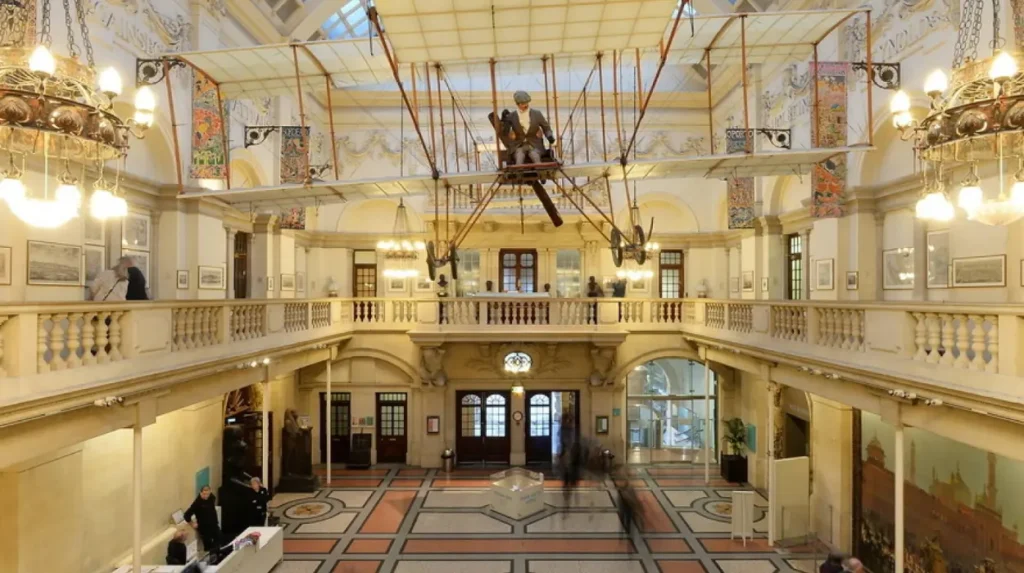
M Shed explores Bristol’s history through objects, photographs, displays and stories about the city’s people and places. Its subjects include the development of the harbour, local industries, transport and social history.
Bristol Museums lists M Shed among its free-entry museums. Families should check individual exhibitions and scheduled activities because charges and booking requirements can differ.
The museum helps children understand how Bristol developed from a historic port into a modern city. Parents can connect the displays with the boats, buildings and waterfront outside.
Explore Bristol Museum and Art Gallery
Bristol Museum & Art Gallery contains collections relating to art, nature and history. Its varied subjects provide an indoor activity for children with different interests.
Families can focus on a few galleries instead of attempting to see everything. Younger children benefit from short visits with specific tasks, such as identifying an animal, finding a particular artwork or describing an object from the past.
Check current exhibitions and family activities before visiting. General museum admission is free, but some special exhibitions and events require payment.
Use Libraries and Early-Years Activities
Bristol’s public libraries provide opportunities for reading, learning and family participation. Bristol City Council states that most libraries hold free activities for babies and children, including Storytime for children under five and Baby Bounce and Rhyme for babies from birth to 18 months.
These sessions provide a practical option for local families, especially those with infants and preschool children. They also offer indoor activities that do not depend on favourable weather.
Check the relevant library’s schedule before travelling, because session times, age ranges and availability vary by branch.
Enjoy a Harbour Walk
Bristol Harbourside offers public waterfront routes where families can watch boats, explore the surrounding architecture and connect visits to nearby museums and attractions.
A harbour walk costs nothing when families simply use public spaces. Additional activities, such as boat trips, food purchases and paid attractions, increase the overall budget.
Parents should supervise children around the water and select a manageable route. A short walk linking Millennium Square with the M Shed area can form part of a wider central Bristol itinerary.
What Is a Practical Low-Cost Family Day?
A low-cost itinerary can begin with a free museum, continue with a walk along the harbour and finish at a public park. Families can bring water and snacks, check free activities in advance and pay only for transport or optional refreshments.
Free entry does not eliminate every cost. Parking, public transport, food, special exhibitions and temporary events affect the final budget. Checking the official venue information helps families distinguish free admission from chargeable extras.
What Can Families Do Around Bristol Harbourside?
Bristol Harbourside brings together waterfront walks, museums, historic ships, restaurants and family attractions within a central area. Families can combine a short boat trip, a museum visit and time outdoors, reducing the need to travel between distant neighbourhoods.
The harbourside reflects Bristol’s maritime history and the transformation of its former docklands. Today, the waterfront accommodates cultural venues, leisure activities and public walking routes.
Are Harbour Boat Trips Suitable for Children?
Bristol Ferry and Bristol Packet Boat Trips provide ways to experience the city from the water. Services and sightseeing trips differ in route, duration and operating schedule, so families should check current timetables before travelling.
A boat trip can introduce children to Bristol’s harbour, bridges and waterfront buildings from a different perspective. It also gives families a break from walking between attractions.
Check the operator’s age guidance, accessibility information, boarding arrangements and weather policy. Children need close supervision near boarding points and on open decks.
Which Other Places Can Families Visit Nearby?
Millennium Square, M Shed and Brunel’s SS Great Britain provide complementary stops around the wider harbourside area. Families can choose a single attraction or combine nearby venues according to their available time.
A practical half-day plan starts with a morning visit to We The Curious, continues with lunch, and finishes with a walk beside the water. Another option begins at M Shed and continues to the historic ship.
Parents should avoid scheduling too many ticketed attractions in one day. Allow time for meals, toilets, rest breaks and travel between entrances.
Which Bristol Activities Suit Toddlers and Preschool Children?
Toddlers and preschool children benefit from short, flexible outings with play opportunities, accessible toilets, rest breaks and simple activities. Bristol offers playgrounds, library sessions, interactive exhibits, parks and selected museum events designed to accommodate younger children and their carers.
Where Can Families Take Babies and Toddlers?
Public parks provide space for outdoor play, while libraries offer structured early-years sessions. Bristol City Council identifies Baby Bounce and Rhyme activities for babies from birth to 18 months and Storytime sessions for children under five.
These activities fit families who want a short outing rather than a full day away from home. Parents can choose sessions close to their neighbourhood and combine them with a local playground or café visit.
For infants, check feeding facilities, changing arrangements and pram access before leaving. For toddlers, choose routes with safe stopping points and avoid overly long walks.
How Can Families Keep Younger Children Engaged?
Young children respond well to simple, active tasks. At a museum, parents can ask them to identify colours, animals, shapes or transport. In a park, they can look for leaves, observe birds or count steps along a path.
We The Curious offers hands-on exhibits, while M Shed introduces local history through objects and displays. Families should choose activities that match their child’s attention span rather than trying to complete every exhibit.
A flexible schedule also helps. Plan one main activity, one meal stop and an optional outdoor visit. This structure leaves room for naps and unexpected delays.
What Can School-Age Children and Teenagers Do in Bristol?
School-age children and teenagers can explore science, engineering, aviation, maritime history, wildlife, street art and outdoor recreation in Bristol. Attractions such as We The Curious and Aerospace Bristol support educational discovery, while museums and harbour walks connect classroom subjects with real places.
Which Activities Support Learning?
We The Curious introduces science through interactive exhibits and planetarium presentations. Aerospace Bristol explores aircraft and engineering, while Brunel’s SS Great Britain connects industrial design with maritime travel. M Shed adds local history and social context.
These attractions can complement school subjects such as science, history, geography and design technology. Families can prepare a few questions before arriving and discuss what children discovered afterwards.
For example, a visit to Aerospace Bristol can prompt questions about lift, aircraft materials and the development of passenger flight. A visit to M Shed can lead to discussions about trade, transport and how cities change.
Where Can Older Children Explore Art and Creativity?
Bristol has a recognised street-art culture, and family visitors can look for publicly visible murals or book an organised street-art walk. Some providers also offer creative workshops, including activities related to graffiti and spray-paint techniques.
Families should confirm age limits, booking requirements and equipment rules before attending a workshop. Public art can be explored without purchasing a ticket, although guided tours and practical sessions typically involve a fee.
Creative activities provide an alternative to museums for teenagers who prefer making, photography or visual design. Parents should use official routes and respect residential spaces when looking for street art.
How Can Families Plan a Rainy-Day Visit to Bristol?
Bristol has indoor options for wet-weather family outings, including interactive science exhibits, museums, aquariums and aviation collections. Families should check opening hours, advance-booking requirements, ticket availability and the duration of each visit before travelling.
Which Attractions Work Best in Wet Weather?
We The Curious is a strong option for interactive indoor learning, while Bristol Museum and Art Gallery and M Shed provide museum-based activities. Bristol Aquarium and Aerospace Bristol offer other indoor experiences centred on wildlife and aviation.
The right choice depends on children’s interests, the time available and the budget. Families planning a full day should check whether the venue offers enough activities to justify the admission price and journey.
Booking in advance is particularly useful for popular attractions. We The Curious advises visitors to book ahead because walk-up capacity is not always available, especially on rainy days.
How Can Families Avoid Wet-Weather Travel Problems?
Choose attractions near one another and keep outdoor walking between stops short. A central itinerary can link Millennium Square, We The Curious and nearby museums, depending on opening times and the family’s preferences.
Carry waterproof coats, spare clothing for younger children and a small bag for snacks. Check public transport updates and parking information before departure, especially during school holidays and periods of heavy rain.
Which Bristol Areas Are Convenient for Family Visitors?
Central Bristol, Clifton, the harbourside and neighbourhoods near larger parks provide different advantages for family visitors. Central areas offer museums and transport connections, while Clifton provides access to green spaces and the wider city offers country estates and outdoor attractions.
Is Central Bristol Suitable for Families?
Central Bristol works well for families who want to visit several attractions without travelling across the city for each activity. The harbourside connects venues such as We The Curious, M Shed and Brunel’s SS Great Britain.
Staying centrally can reduce journey times for visitors planning a short break. However, accommodation prices, parking charges and busy pedestrian areas need consideration.
Check the walking distance between accommodation and attractions rather than relying only on a postcode. A short distance on a map can involve slopes, crossings or routes that are less convenient with a pushchair.
Is Clifton a Useful Base for Family Activities?
Clifton provides access to Brandon Hill and the wider Downs area, along with historic streets, cafés and local services. Its position suits families who want to combine neighbourhood exploration with outdoor activities.
The area contains hills and some uneven routes, so families should consider mobility requirements before choosing walking itineraries. For a day focused on central museums, check transport connections to the harbourside.
Should Families Visit Attractions Outside the City Centre?
Families with a full day available can travel to Ashton Court Estate, Blaise Castle Estate or Bristol Zoo Project. These destinations offer outdoor recreation, wildlife or historic landscapes that differ from central city attractions.
Allow extra travel time and check parking or public transport arrangements before departure. An attraction outside central Bristol often works best as the main event of the day, rather than one stop in a tightly scheduled itinerary.
How Can Families Travel Around Bristol?
Families can travel around Bristol by bus, train, walking, cycling or car, depending on the destination and children’s needs. Central attractions often work well as a walking itinerary, while estates and out-of-centre venues require more detailed transport planning.
Walking is useful around the harbourside, where several cultural attractions sit within the same general area. However, Bristol’s hills and uneven surfaces affect journey times, especially for families with pushchairs or mobility needs.
Public transport can reduce the need to find central parking. Check current bus and rail services, fares, child-ticket rules and disruption notices through the relevant transport operator before leaving.
Driving provides flexibility for destinations outside the centre, including larger estates. Families should check parking availability and charges at each venue. Bristol’s Clean Air Zone also applies to certain vehicles, so drivers should check whether their vehicle is affected before entering the zone. We The Curious specifically advises visitors arriving by car to consider possible Clean Air Zone charges.
Cycling can suit families using appropriate routes and equipment. Adults should confirm local route conditions, cycle access rules and the suitability of the journey for children’s abilities.
A useful travel plan includes the attraction’s entrance, not simply its general address. This helps families account for walks from stations, car parks or bus stops.
Which Family-Friendly Food and Dining Options Should Visitors Consider?
Family dining in Bristol ranges from cafés and casual restaurants to food markets and waterfront eateries. Families should choose places according to children’s food preferences, dietary requirements, high-chair availability, accessible toilets and proximity to planned attractions.
The harbourside offers dining options close to museums and waterfront walks. Central Bristol also provides cafés and casual eateries suitable for a break between activities.
Families travelling with young children benefit from checking menus and facilities before arriving. A restaurant’s website or direct enquiry can confirm whether it provides children’s meals, high chairs and space for pushchairs.
For a lower-cost day, bring snacks and water where permitted and use public parks for a picnic. Check venue rules before bringing outside food into ticketed attractions.
Children with food allergies require additional planning. Contact the restaurant about ingredients and food preparation procedures rather than relying solely on menu descriptions.
How Can Families Find Accessible Attractions in Bristol?
Accessible family visits require checking step-free entrances, toilets, seating, parking, sensory conditions and the suitability of walking routes. Bristol attractions provide different facilities, so families should confirm individual arrangements before booking or travelling.
Bristol’s parks, museums and indoor attractions vary in their physical layouts. A large country estate has different access requirements from a city-centre museum or an interactive science venue.
Families using wheelchairs or pushchairs should review access information and contact venues about lifts, ramps and accessible toilets. Outdoor visitors should check path surfaces, gradients and distances between facilities.
Sensory needs also affect attraction choice. Visit Bristol lists accessible family events, including sessions with quieter music and lower lighting for visitors who prefer a more relaxed environment.
Advance planning is particularly useful during busy school holidays. Ask about quiet sessions, accessible parking, companion arrangements and any booking requirements that apply to the specific visit.
What Should Families Know About Bristol’s Seasonal Events?
Bristol’s family calendar includes seasonal festivals, museum workshops, school-holiday activities and outdoor events. The Bristol International Balloon Fiesta, Bristol Harbour Festival and Bristol Light Festival are established examples, although dates, programmes and access arrangements vary each year.
Seasonal events give families another reason to explore the city beyond permanent attractions. Outdoor festivals provide opportunities to experience Bristol’s public spaces, while museum programmes offer organised activities during school holidays.
The Bristol International Balloon Fiesta is associated with hot-air balloon displays, while Bristol Harbour Festival celebrates the city’s waterfront and maritime culture. Bristol Light Festival brings illuminated installations to city locations during its scheduled programme.
Families should check official event announcements before making travel arrangements. Weather, crowd levels, transport changes and ticketing conditions affect the practical experience.
For school-holiday visits, book popular attractions early and keep an alternative activity available. A museum or indoor science centre provides a useful backup when outdoor events are disrupted by weather.
How Can Families Plan a One-Day Bristol Itinerary?
A practical family day in Bristol combines one major attraction, a nearby meal stop and a manageable outdoor activity. Families can organise the schedule around the harbourside, a wildlife destination or a large park, depending on children’s ages and interests.
Option One: Science and the Harbourside
Start the morning at We The Curious and allow enough time for interactive exhibits and any booked planetarium show. Have lunch nearby, then explore the harbourside and its public waterfront spaces.
Families with enough energy can add a visit to M Shed or Brunel’s SS Great Britain, provided opening hours and ticket arrangements fit the schedule.
Option Two: History and Engineering
Begin at Aerospace Bristol for an aviation-focused visit. Spend the afternoon exploring another suitable museum or return to central Bristol for a relaxed meal.
This itinerary suits children interested in aircraft, machines and industrial history. Check travel time between venues before choosing a second attraction.
Option Three: Parks and Outdoor Exploration
Choose Ashton Court Estate or Blaise Castle Estate as the main destination. Plan a walk, outdoor play and a picnic, with rest breaks suited to the children’s ages.
Avoid combining a large estate with several distant attractions on the same day. A simpler itinerary gives children time to explore rather than spending most of the day travelling.
How Much Should Families Budget for a Bristol Day Out?
A family budget for Bristol depends on attraction tickets, transport, food, parking and optional activities. Free museums and public parks help control spending, while paid attractions, boat trips and special events increase the total cost.
Families should calculate costs before travelling rather than relying on a single estimated city-wide price. Admission rates and transport fares change, and children’s ages affect eligibility for discounts.
Use this checklist to prepare a budget:
- Admission: Check standard and child ticket prices for each attraction.
- Transport: Compare bus, train and car costs for the complete journey.
- Food: Set a meal budget and decide whether to bring snacks.
- Extras: Include boat trips, special exhibitions, workshops or souvenirs.
- Contingency: Keep some money available for unexpected travel or weather changes.
A low-cost day can centre on a free-entry museum, a public park and a walk around the harbour. A higher-budget day can include a major paid attraction and a booked activity.
Confirm prices through official venue and transport websites before departure. This provides a more accurate budget than using outdated online estimates.
Explore More Area Guide
Bristol Landlords’ Guide to Property Licensing and Rental Rules
First-Time Buyer Guide to Bristol: Costs, Mortgages and Homes
How Can Families Prepare for a Safe and Comfortable Bristol Visit?
Families can make Bristol outings easier by checking opening times, booking requirements, weather forecasts, transport routes and venue facilities before departure. Children should remain supervised near water, on busy streets and around unfamiliar outdoor terrain.
Prepare a small day bag with water, snacks, weather-appropriate clothing, essential medicines and any items needed for younger children. For longer visits, plan toilet stops and places to sit.
Check whether the chosen attraction allows pushchairs, outside food or re-entry after leaving. These details differ between venues and affect how easily families manage breaks.
For outdoor activities, check the forecast and select routes appropriate to the group’s abilities. Riversides, steep paths and woodland terrain require additional care.
Keep the itinerary flexible. A shorter visit to one attraction often works better than rushing between several locations, particularly with toddlers or children who need regular rest periods.
Why Should Families Include Bristol in Their Travel Plans?
Bristol offers families a varied programme of educational attractions, wildlife experiences, historic sites, free museums and outdoor recreation. Its combination of central cultural venues and larger green spaces supports short breaks, school-holiday outings and regular activities for local households.
The city’s attractions serve different interests and budgets. We The Curious introduces science through interactive exhibits, M Shed explores local history, Aerospace Bristol focuses on aviation, and Bristol’s parks provide room for outdoor play.
Families can create a useful itinerary without visiting every major attraction. Selecting activities based on children’s ages, travel requirements and interests makes planning more manageable.
For the most reliable information, check official attraction websites, Bristol City Council’s park listings and Visit Bristol’s family activity guide before travelling. These resources provide current visitor information, seasonal events and practical details that help families organise their time.
What are the best family-friendly attractions in Bristol?
Bristol’s family-friendly attractions include We The Curious, Bristol Aquarium, Bristol Zoo Project, Aerospace Bristol and Brunel’s SS Great Britain. These venues offer interactive science exhibits, wildlife experiences, aviation history and maritime education for different age groups.