Bristol is home to a diverse museum network that explores the city’s maritime heritage, industrial development, artistic achievements, scientific discoveries and social history. Museums in Bristol preserve important collections, historic buildings and objects that explain how the city developed from a medieval trading settlement into one of England’s major cultural and commercial centres.
- What Can Visitors Discover in Bristol’s Museums?
- What Is the Historical Importance of Bristol’s Museums?
- How Are Bristol’s Museum Collections Organised?
- Which Are the Most Important Museums in Bristol?
- Which Historic House Museums Can Visitors Explore in Bristol?
- Where Can Visitors Discover Bristol’s Roman and Archaeological History?
- Kings Weston Roman Villa
- Archaeological Collections at Bristol Museum & Art Gallery
- Why Is Archaeological Preservation Important?
- Which Museums in Bristol Explore Science, Technology and Innovation?
- We The Curious
- Bristol’s Aerospace and Engineering Heritage
- Natural History and Geological Collections
- How Do Bristol’s Museums Preserve Maritime and Industrial Heritage?
- Bristol’s Floating Harbour and Maritime Trade
- The Role of Historic Industrial Objects
- How Do Museums Explain Bristol’s Maritime Economy?
- Where Can Visitors Explore Bristol’s Historical Records and Archives?
- Bristol Archives
- What Is the British Empire and Commonwealth Collection?
- How Can Researchers Use Bristol’s Museum Collections?
- Which Museums in Bristol Are Free to Visit?
- How Can Families and Students Benefit from Visiting Bristol Museums?
- Educational Opportunities for Children
- Learning Opportunities for University Students
- Why Are Museum Visits Important for Local Communities?
- How Should Visitors Plan a Museum Visit in Bristol?
- Which Museums Are Located Near Bristol City Centre?
- Which Museums Are Suitable for a Full-Day Visit?
- What Should Visitors Check Before Travelling?
- How Can Visitors Access Museum Information Online?
- Why Are Bristol’s Museums Important for the City’s Future?
- Preserving Historical Buildings and Collections
- Supporting Tourism and the Local Economy
- Improving Access Through Digital Collections
- Addressing Bristol’s Complex Historical Heritage
- Which Bristol Museums Should Visitors Explore?
The city’s museums serve different audiences, including local residents, families, students, researchers and international visitors. Bristol Museum & Art Gallery presents fine art, archaeology and natural history, while M Shed documents the lives of Bristol residents and the development of its harbour. Aerospace Bristol explores the region’s aviation industry, and Brunel’s SS Great Britain preserves an important achievement in maritime engineering.
Bristol also has historic house museums, Roman archaeological remains, specialist collections and interactive science attractions. These institutions provide opportunities to understand local history through original objects, preserved architecture, educational displays and public exhibitions.
An important distinction is that Bristol Museums, managed by Bristol City Council, operates several free-entry museums, while independent attractions such as Aerospace Bristol, Brunel’s SS Great Britain and We The Curious have their own admission arrangements. Bristol City Council+2
What Can Visitors Discover in Bristol’s Museums?
Museums in Bristol preserve and interpret the city’s history, art, science, industry and cultural heritage. Their collections include archaeological discoveries, paintings, maritime equipment, historic documents, natural history specimens and domestic objects that explain Bristol’s development.
Bristol’s museums cover subjects extending from prehistoric communities to modern technological innovation. Their collections connect local experiences with wider British and international history.
The city’s museum landscape includes council-managed museums, independent heritage attractions, specialist aviation collections and interactive science centres. Each institution provides a different way to understand Bristol’s identity.
What Is the Historical Importance of Bristol’s Museums?
Bristol developed as an important commercial port, manufacturing centre and transport hub. Its maritime connections influenced international trade, shipbuilding, migration, manufacturing and cultural exchange.
Museums preserve evidence of these developments through historical documents, paintings, industrial machinery, ship models, household objects and archaeological material. These collections help researchers examine the relationship between Bristol’s economic growth and its social transformation.
Bristol’s history also includes its involvement in the transatlantic slave trade. Museums increasingly address the connections between wealth, commerce, slavery and colonial exploitation through historical interpretation and collections.
How Are Bristol’s Museum Collections Organised?
Bristol Museums manages collections across several specialist departments, including archaeology, art, biology, geology, history, applied art, Asian and Islamic art, and world cultures.
Its collections include nationally and internationally significant objects. The organisation reports that its first collections were assembled more than 200 years ago.
These collections are displayed across museums, preserved in storage facilities and made available through online collection catalogues.
Which Are the Most Important Museums in Bristol?
The most important museums in Bristol include Bristol Museum & Art Gallery, M Shed, Aerospace Bristol, Brunel’s SS Great Britain, Blaise Museum, The Red Lodge Museum and The Georgian House Museum. Each explores a distinct part of the city’s history.
These institutions provide an overview of Bristol’s cultural, industrial, architectural and technological development. Their different subjects make it possible to explore the city through several historical periods.
Bristol Museum & Art Gallery
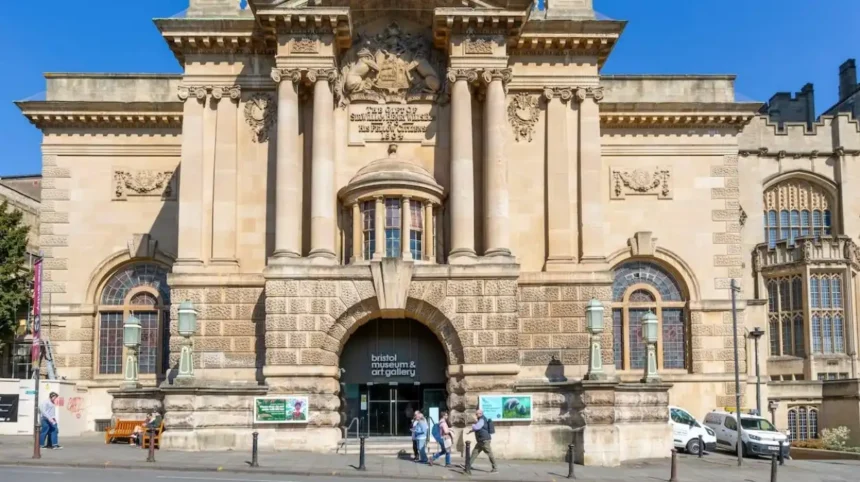
Bristol Museum & Art Gallery is one of the city’s principal cultural institutions. Located on Queens Road in Clifton, the museum contains collections covering fine art, archaeology, natural history and applied arts.
Its galleries introduce visitors to different periods of human history and artistic development. The collections include paintings, sculptures, archaeological objects, geological specimens and decorative arts.
The museum also presents international collections, including Asian and Islamic art. These displays connect Bristol’s cultural institutions with artistic traditions from different parts of the world.
Location: Queens Road, Clifton, Bristol, BS8 1RL.
Admission: Free general entry, although special exhibitions can require paid tickets.
The museum is generally open Tuesday to Sunday, 10am to 5pm. The British and World Wildlife Galleries are scheduled to remain closed until summer 2027, so visitors should check the current gallery arrangements before travelling. Bristol Museum & Art Gallery+1
M Shed
M Shed is a social history museum situated beside Bristol’s Floating Harbour. It explains the development of Bristol from prehistoric times to the present day.
The museum is particularly valuable for understanding the experiences of local residents. Its exhibitions explore employment, transport, migration, trade, community identity and changes in the city’s urban landscape.
Its main interpretive areas include Bristol People and Bristol Places. The Bristol People gallery explores how residents have shaped the city’s working and social life. Bristol Places examines the physical development of the city and the relationship between people and their surroundings.
Outside the museum, visitors can see historic working exhibits, including large dockside cranes. These industrial objects demonstrate the importance of harbour infrastructure in Bristol’s commercial development.
Location: Princes Wharf, Bristol.
Admission: Free general entry.
M Shed also organises historical walks, collection-store tours and special events that explore Bristol’s maritime and industrial heritage.
Aerospace Bristol
Aerospace Bristol explores the development of aviation and aerospace engineering in Bristol and the surrounding region.
The museum is particularly associated with the city’s aircraft manufacturing industry. Bristol has a long history of aviation design, aircraft production and engineering innovation.
Its major attraction is Concorde Alpha Foxtrot, the last Concorde aircraft to be built and the last to fly. Concorde represents a major achievement in supersonic passenger aviation and demonstrates the technical capabilities of British and French aerospace engineering.
The museum’s displays also explain the development of aircraft technology, manufacturing processes and the people involved in the aerospace industry.
Location: Hayes Way, Filton, Bristol.
Admission: Paid admission applies. Visitors should check the official website for current prices and opening arrangements.
Aerospace Bristol is particularly relevant to visitors interested in engineering, aviation, industrial heritage and technological development.
Brunel’s SS Great Britain
Brunel’s SS Great Britain is a preserved historic passenger ship designed by engineer Isambard Kingdom Brunel.
Launched in 1843, the vessel became an important milestone in maritime engineering. It combined an iron hull, screw propulsion and a large passenger-carrying design.
The ship operated on international routes and contributed to the development of long-distance steamship travel. Its construction demonstrated how engineering innovation transformed maritime transport during the nineteenth century.
Today, the attraction includes the restored ship, the historic dry dock and museum exhibitions. Visitors can explore passenger accommodation, engineering spaces and displays explaining Victorian shipbuilding.
Location: Great Western Dockyard, Gas Ferry Road, Bristol, BS1 6TY.
Admission: Paid admission applies.
The site provides an important introduction to Brunel’s engineering achievements and Bristol’s historical relationship with international shipping.

Which Historic House Museums Can Visitors Explore in Bristol?
Bristol has several historic house museums that preserve domestic architecture, furniture, decorative arts and evidence of everyday life. The Georgian House Museum, The Red Lodge Museum and Blaise Museum provide insight into different periods of local social history.
Historic house museums differ from conventional galleries because their buildings form part of the historical collection. Their original rooms, architectural details, household objects and gardens help visitors understand how people lived in earlier centuries.
The Georgian House Museum
The Georgian House Museum is a preserved eighteenth-century townhouse that illustrates domestic life in Georgian Bristol.
The property was built in the late eighteenth century and is associated with John Pinney, a wealthy merchant and plantation owner. Its history provides an opportunity to examine the connections between Bristol’s commercial wealth, the sugar industry and the enslavement of African people.
The museum interprets life both above and below stairs. Visitors can explore period rooms, household arrangements and the working spaces used by servants.
Its historical significance extends beyond architecture. The building provides evidence of the economic and social inequalities that shaped Georgian Bristol.
Location: 7 Great George Street, Bristol, BS1 5RR.
Admission: Free entry, with donations welcome.
The museum generally opens Thursday to Sunday, 11am to 4pm, from April to December. Opening arrangements should be checked before visiting.
The Red Lodge Museum
The Red Lodge Museum is a historic property containing important examples of Tudor and Elizabethan architecture.
The building dates from the late sixteenth century and preserves rooms that demonstrate the architectural and decorative preferences of wealthy households during the period.
One of its major features is an Elizabethan interior with detailed woodwork and historic decoration. The museum also explores the building’s changing uses and the people connected with its history.
The Red Lodge provides an opportunity to understand how Bristol’s wealthier residents lived during an important period of English architectural development.
Location: Park Row, Bristol.
Admission: Free general entry.
Its preserved interiors make it an important destination for visitors interested in Tudor architecture, historic furniture and domestic heritage. Bristol City Council+1
Blaise Museum
Blaise Museum is situated within the Blaise Castle Estate in north-west Bristol.
The museum is based in Blaise Castle House, a historic property associated with the estate’s development. Its collections explore everyday life through domestic objects, toys, clothing and household equipment.
The displays provide information about how people lived, worked and spent their leisure time during different historical periods. Objects such as children’s toys and traditional clothing help explain changes in family life, fashion and domestic culture.
The surrounding estate adds another dimension to the visit. Blaise Castle Estate includes historic landscape features, walking routes, woodland and open green spaces.
Location: Blaise Castle Estate, Henbury Road, Bristol.
Admission: Free general entry.
Blaise Museum combines social history with an opportunity to explore one of Bristol’s historic landscaped estates.
Where Can Visitors Discover Bristol’s Roman and Archaeological History?
Bristol’s archaeological heritage is represented through museum collections and preserved sites, particularly Kings Weston Roman Villa. These places reveal evidence of Roman settlement, domestic architecture, ancient trade and the development of communities in the wider Bristol area.
Archaeology examines material evidence from earlier societies. Buildings, pottery, tools, coins, burial objects and decorative remains help researchers reconstruct historical environments.
Bristol’s archaeological collections connect the city’s present landscape with earlier periods of human occupation.
Kings Weston Roman Villa
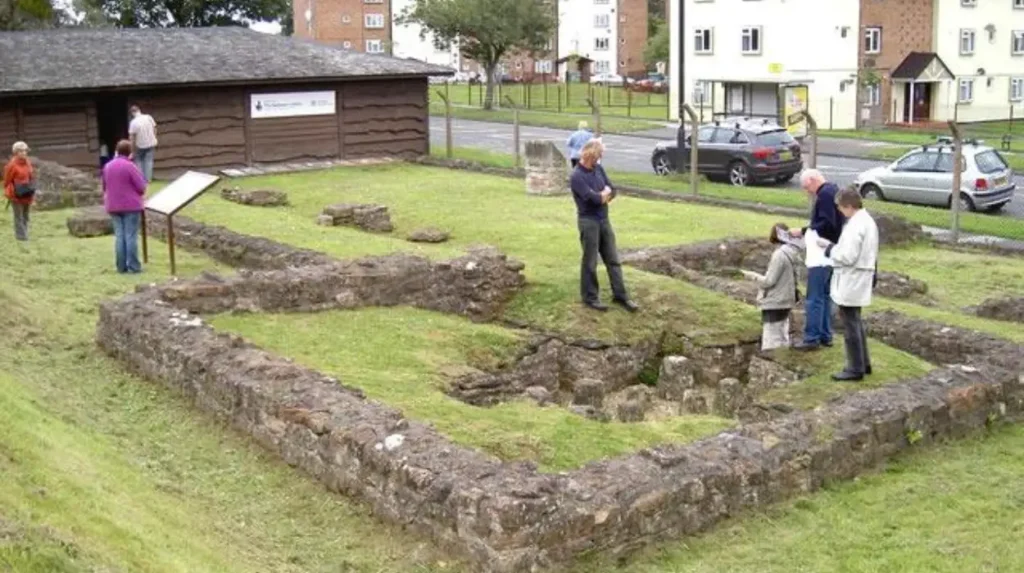
Kings Weston Roman Villa is an archaeological site that preserves remains of a Roman villa and its associated domestic facilities.
The site contains evidence of Roman-period architecture, including a bath suite and mosaic floors. These remains demonstrate the presence of Roman-style domestic buildings in the region.
Roman villas were rural properties that often functioned as agricultural estates and residential centres. Their architecture reflected the economic resources and cultural practices of their owners.
The remains at Kings Weston help explain how Roman building techniques and domestic customs influenced settlements in Britain.
The site is opened to the public during selected family-friendly events, particularly in spring and summer. Visitors should check Bristol Museums’ announcements before arranging a visit. Bristol City Council+1
Archaeological Collections at Bristol Museum & Art Gallery
Bristol Museum & Art Gallery also provides access to archaeological material from Britain and other parts of the world.
Its collections include prehistoric, Roman and international archaeological objects. These materials help researchers examine changes in technology, settlement patterns, religious practices and cultural exchange.
The museum’s archaeological departments also connect local discoveries with broader historical developments. Visitors can explore how ancient societies used materials, developed tools and organised their communities.
Why Is Archaeological Preservation Important?
Archaeological preservation protects physical evidence that cannot be recreated once destroyed. Excavated objects and architectural remains provide information about historical communities that written records frequently overlook.
Museums protect these materials through documentation, conservation, research and controlled display. Digital catalogues also improve access for students, researchers and members of the public.
Which Museums in Bristol Explore Science, Technology and Innovation?
Bristol’s science and technology attractions explore engineering, aviation, transport, scientific discovery and the natural world. Aerospace Bristol, We The Curious and Bristol Museum & Art Gallery provide different educational experiences through historical objects and interactive exhibitions.
Science museums connect technical knowledge with practical demonstrations and historical evidence. They explain how scientific discoveries influence transportation, communication, manufacturing and everyday life.
We The Curious
We The Curious is a science centre that provides interactive educational experiences.
Its exhibitions introduce scientific concepts through experiments, demonstrations and hands-on activities. Visitors explore subjects including physics, biology, technology, astronomy and environmental science.
The attraction also features a digital 3D planetarium, which provides educational presentations about space and astronomy.
Unlike traditional collections-based museums, We The Curious places considerable emphasis on participation. Visitors interact with displays and investigate scientific principles through practical activities.
Location: Millennium Square, Bristol.
Admission: Paid admission applies. Check current ticket information and opening arrangements before visiting.
The attraction is particularly relevant to families, school groups and visitors interested in informal science education.
Bristol’s Aerospace and Engineering Heritage
Bristol’s aerospace industry has played an important role in the development of British engineering.
Aircraft manufacturing, technical research and industrial employment helped establish the region as an important centre for aviation.
Aerospace Bristol preserves this heritage through aircraft displays, historical records and engineering exhibitions. Concorde Alpha Foxtrot provides a particularly significant example of the region’s contribution to international aviation.
The museum also explains the relationship between industrial development, engineering skills and technological progress.
Natural History and Geological Collections
Bristol Museum & Art Gallery contains natural history collections that document biodiversity, geological processes and the development of the natural environment.
Its biological and geological departments preserve specimens and research material. These collections help explain animal classification, plant diversity, fossils, minerals and the geological history of the Earth.
Natural history museums also support environmental education. Their collections provide historical evidence for studying changes in species distribution, biodiversity and ecosystems.
How Do Bristol’s Museums Preserve Maritime and Industrial Heritage?
Bristol’s museums preserve maritime and industrial heritage through historic ships, dock machinery, transport objects, photographs, engineering equipment and archival records. M Shed and Brunel’s SS Great Britain are especially important for understanding the city’s relationship with shipping and manufacturing.
Bristol’s geographical position and access to the River Avon helped establish its commercial importance. The development of the Floating Harbour strengthened the city’s ability to manage shipping and trade.
Bristol’s Floating Harbour and Maritime Trade
The Floating Harbour is a major part of Bristol’s maritime heritage. It was created to maintain water levels within the docks despite changes in the River Avon caused by tides.
The harbour supported the movement of goods, shipbuilding, industrial employment and international commerce.
M Shed interprets this history through objects and exhibitions that explain how dockworkers, merchants, engineers and local communities contributed to Bristol’s development.
The Role of Historic Industrial Objects
Industrial objects provide direct evidence of historical manufacturing and transport systems.
Bristol’s museum collections include machinery, maritime equipment, transport-related objects and historical photographs. M Shed also displays working dockside exhibits that demonstrate the scale of the city’s industrial infrastructure.
These objects help visitors understand the relationship between technology and economic development.
How Do Museums Explain Bristol’s Maritime Economy?
Museums examine maritime history through several interconnected subjects, including shipping, shipbuilding, international trade and dock employment.
They also address the darker aspects of Bristol’s commercial history, particularly its involvement in the transatlantic slave trade.
Historical interpretation connects commercial records and surviving objects with the experiences of enslaved Africans and the communities affected by exploitation.
This approach provides a broader understanding of how maritime wealth influenced Bristol’s architecture, institutions and economic development.
Where Can Visitors Explore Bristol’s Historical Records and Archives?
Bristol Archives preserves historical documents, photographs, maps, films and records that explain the city’s development. Its collections support research into family history, local communities, businesses, buildings, political events and Bristol’s connections with the wider world.
Museums preserve physical objects, while archives protect documentary evidence. Both institutions contribute to historical research and public understanding.
Bristol Archives
Bristol Archives is an important research facility containing historical records relating to Bristol and its communities.
Its collections cover approximately ten centuries of local history. They include written records, photographs, maps, films and the British Empire and Commonwealth Collection.
Researchers use archival materials to investigate subjects such as family ancestry, property ownership, commercial activity, community organisations and urban development.
Bristol Archives also provides access to historical material through catalogues and research services. Visitors should check appointment and access arrangements before attending.
Admission: Access arrangements vary according to the research service and collection being consulted. Pre-booking is advised but not essential for general visits.
What Is the British Empire and Commonwealth Collection?
The British Empire and Commonwealth Collection documents relationships between Britain and countries connected through imperial and Commonwealth history.
Its historical material supports research into colonial administration, international relationships, migration, trade and social change.
The collection is particularly relevant to understanding Bristol’s historical connections with international commerce and imperial expansion.
It also provides opportunities to examine historical narratives from different perspectives, including the experiences of communities affected by colonial policies.
How Can Researchers Use Bristol’s Museum Collections?
Bristol Museums provides an online collection search facility that allows visitors to investigate objects and historical material.
The collection catalogue includes specialist categories such as British archaeology, natural history, geology, fine art, world cultures, industrial history and social history.
Researchers can use these resources to identify objects, explore historical subjects and locate relevant collection information.
Which Museums in Bristol Are Free to Visit?
Several major Bristol museums offer free general admission, including Bristol Museum & Art Gallery, M Shed, The Georgian House Museum, The Red Lodge Museum and Blaise Museum. Some exhibitions, special activities and independent attractions require paid tickets.
Free museums make cultural education accessible to residents, students and visitors who want to explore Bristol without paying general admission charges.
Free Museums Managed by Bristol City Council
The Bristol Museums service manages several free-entry cultural attractions.
The principal free museums and historic sites include:
- Bristol Museum & Art Gallery, covering art, archaeology and natural history.
- M Shed, exploring Bristol’s social and industrial history.
- The Georgian House Museum, presenting eighteenth-century domestic history.
- The Red Lodge Museum, preserving Tudor and Elizabethan interiors.
- Blaise Museum, interpreting historical household objects and everyday life.
- Kings Weston Roman Villa, offering access during scheduled public events.
- Bristol Archives, providing access to historical records under its research arrangements.
General admission is free at the council-managed museums, although donations are welcome and some special exhibitions or activities carry additional charges.
Which Bristol Museum Attractions Require Payment?
Not every museum-style attraction in Bristol operates under the free-entry model.
Aerospace Bristol, Brunel’s SS Great Britain and We The Curious have separate admission arrangements.
Their ticket prices depend on the attraction, visitor category and available ticket options. Visitors should consult the relevant official websites for current prices.
This distinction helps visitors prepare an accurate cultural itinerary and avoid unexpected admission costs.
How Can Families and Students Benefit from Visiting Bristol Museums?
Bristol museums support family learning, school education and independent research through historical exhibitions, interactive displays, educational activities and preserved collections. They introduce children and adults to science, archaeology, art, engineering and local history.
Museums provide educational environments outside traditional classrooms. Original objects and interactive displays help visitors connect historical information with physical evidence.
Educational Opportunities for Children
Bristol’s museums provide opportunities for children to explore subjects through observation and practical learning.
We The Curious introduces scientific principles through interactive experiments. Aerospace Bristol explains aviation technology through aircraft and engineering displays. Bristol Museum & Art Gallery introduces children to natural history, archaeology and art.
M Shed also provides opportunities to understand local history through photographs, transport objects and industrial exhibits.
Learning Opportunities for University Students
Students studying history, archaeology, engineering, art, architecture and social sciences can benefit from Bristol’s museum collections.
Historical houses provide evidence of architectural development and domestic life. Industrial collections help explain manufacturing and technological change. Archives support research using original documents and photographs.
These institutions also encourage critical examination of historical interpretation, particularly when studying slavery, colonialism, migration and economic inequality.
Why Are Museum Visits Important for Local Communities?
Museums support cultural participation by making historical knowledge available to different generations.
Their exhibitions preserve community memories, recognise local achievements and document changes in the city’s neighbourhoods.
Public programmes, guided walks and educational activities also encourage residents to engage with Bristol’s cultural heritage.
How Should Visitors Plan a Museum Visit in Bristol?
Visitors should plan Bristol museum visits according to location, opening days, admission arrangements, exhibition schedules and personal interests. Checking official museum websites before travelling helps confirm access, temporary closures, ticket requirements and accessibility facilities.
Bristol’s museums are spread across different parts of the city. Grouping nearby attractions reduces unnecessary travel and makes cultural visits more efficient.
Which Museums Are Located Near Bristol City Centre?
Several important museums are accessible from central Bristol.
Bristol Museum & Art Gallery is located in Clifton, close to the university area. M Shed stands beside the Floating Harbour, while The Georgian House Museum and The Red Lodge Museum are within the central urban area.
These locations allow visitors to combine museum visits with nearby historic streets, waterfront areas and cultural attractions.
Which Museums Are Suitable for a Full-Day Visit?
A full-day museum itinerary can combine different subjects and geographical areas.
A city-centre itinerary can include Bristol Museum & Art Gallery, The Red Lodge Museum and M Shed. Visitors interested in maritime history can also explore Brunel’s SS Great Britain.
Families interested in science and technology can combine We The Curious with Aerospace Bristol, although these attractions are in different locations and require additional travel time.
Blaise Museum and Kings Weston Roman Villa are better considered as separate visits because they are situated in north-west Bristol.
What Should Visitors Check Before Travelling?
Visitors should confirm the following information:
- Current opening days and seasonal hours.
- General admission charges and exhibition ticket prices.
- Group booking requirements.
- Accessibility arrangements and available facilities.
- Temporary exhibition schedules and gallery closures.
- Public transport connections and parking arrangements.
Bristol Museums states that individual museums have different booking arrangements. For example, general visitors do not normally need to book Bristol Museum & Art Gallery or M Shed, while group and school visits require advance arrangements.
How Can Visitors Access Museum Information Online?
The official Bristol Museums website provides opening information, exhibition details, collection information and visitor guidance.
The online collections catalogue also allows users to explore objects and historical material before visiting.
Bristol Museum & Art Gallery provides a free Bloomberg Connects digital guide in more than 40 languages. It includes gallery introductions, an interactive museum map and information about selected objects.
Explore More Area Guide
Bristol Heritage Sites: 15 Historic Landmarks and Attractions
Bristol’s Historic Streets: Medieval Lanes, Georgian Architecture and Heritage
Why Are Bristol’s Museums Important for the City’s Future?
Bristol’s museums support heritage preservation, education, tourism, historical research and cultural participation. Their collections provide lasting evidence of the city’s development while helping future generations understand industrial change, artistic achievement, scientific innovation and social history.
Museums have an important role beyond displaying historical objects. They protect collections, provide research opportunities and create public spaces for examining cultural identity.
Preserving Historical Buildings and Collections
Historic buildings such as The Red Lodge and The Georgian House preserve architectural features that provide evidence of earlier construction methods and domestic arrangements.
Museum collections also protect objects that document technological and artistic development.
Conservation work helps maintain these materials for future research and public display.
Supporting Tourism and the Local Economy
Museums contribute to Bristol’s visitor economy by attracting people interested in history, architecture, art and science.
Visitors also use nearby restaurants, cafés, accommodation, shops and transport services. This creates economic activity across the city.
The combination of free council-managed museums and paid independent attractions provides different cultural experiences for visitors with different budgets.
Improving Access Through Digital Collections
Digital catalogues and online exhibitions extend museum access beyond physical buildings.
They allow researchers, students and international audiences to explore collections remotely. Digital interpretation also provides additional historical information that complements objects displayed in galleries.
As technology develops, digital preservation and accessible online resources remain important parts of museum management.
Addressing Bristol’s Complex Historical Heritage
Bristol’s museums have an important responsibility to explain the city’s complicated past.
Its maritime history includes international trade, industrial growth and the transatlantic slave trade. These subjects require careful interpretation based on historical evidence and the experiences of affected communities.
Museums provide spaces where visitors can examine historical records, understand different perspectives and investigate how past events continue to influence contemporary society.
Which Bristol Museums Should Visitors Explore?
Bristol’s museums offer a comprehensive introduction to the city’s historical, artistic, scientific and industrial development. Bristol Museum & Art Gallery provides access to major art and natural history collections, while M Shed explains the experiences of local people and the development of the harbour.
Aerospace Bristol and Brunel’s SS Great Britain preserve important achievements in engineering and transport. The Georgian House Museum, The Red Lodge Museum and Blaise Museum introduce visitors to historic architecture and domestic life. Kings Weston Roman Villa provides evidence of Roman settlement, while Bristol Archives supports deeper historical research.
Together, these institutions preserve the objects, buildings and records that explain Bristol’s changing identity. They provide valuable educational resources for residents, students, families and visitors while ensuring that important aspects of the city’s heritage remain accessible to future generations.
What are the best museums to visit in Bristol?
Some of the best museums in Bristol include Bristol Museum & Art Gallery, M Shed, Aerospace Bristol, Brunel’s SS Great Britain, The Georgian House Museum and The Red Lodge Museum.