Classical music in Bristol has a long history shaped by cathedral traditions, orchestral performance, chamber music, music education and contemporary concert programming. The city has an established classical music network connecting professional musicians, independent ensembles, cultural institutions, universities and local audiences.
- What Is Classical Music and How Is It Connected to Bristol?
- How Did Classical Music Develop in Bristol?
- Early religious and cathedral music
- The development of public concert culture
- Twentieth-century musical development
- Classical music in contemporary Bristol
- Which Are the Main Classical Music Venues in Bristol?
- Which Orchestras and Classical Music Organisations Perform in Bristol?
- What Types of Classical Music Can Audiences Experience in Bristol?
- Orchestral symphonies
- Chamber music
- Choral and sacred music
- Opera and vocal performance
- Contemporary classical music
- What Role Does Bristol Cathedral Play in Classical Music?
- How Does the University of Bristol Support Classical Music?
- Public concerts at the Victoria Rooms
- University choirs and vocal ensembles
- Classical music education for students
- Where Can Young Musicians Learn Classical Music in Bristol?
- When Is the Best Time to Experience Classical Music in Bristol?
- How Can Visitors Attend Classical Music Concerts in Bristol?
- Finding upcoming concerts
- Choosing the right performance
- Understanding concert etiquette
- Exploring Bristol’s musical locations
- What Is the Economic and Cultural Importance of Classical Music in Bristol?
- Supporting the local creative economy
- Strengthening cultural tourism
- Supporting community participation
- Preserving British musical heritage
- What Is the Future of Classical Music in Bristol?
- Increasing access to music education
- Supporting new composers and performers
- Developing inclusive concert experiences
- Maintaining historic performance traditions
- Why Is Bristol an Important Destination for Classical Music?
Bristol offers classical music experiences throughout the year. Visitors and residents attend orchestral concerts, chamber performances, choral services, piano recitals and contemporary classical events. Historic churches, dedicated concert halls and educational institutions provide spaces for both traditional repertoire and modern compositions.
The city’s classical music culture also connects Bristol with the wider British music industry. Its concert venues attract national and international performers, while local organisations support emerging musicians, music education and community participation.
Understanding classical music in Bristol involves exploring its historical development, major venues, orchestras, musical institutions, performance traditions and opportunities for audiences.
What Is Classical Music and How Is It Connected to Bristol?
Classical music is a tradition of formally developed musical composition associated with orchestras, chamber ensembles, solo instruments and vocal performance. In Bristol, this tradition appears through professional concerts, cathedral music, educational programmes and community-led musical activities throughout the year.
Classical music generally refers to Western art music developed across several historical periods. These periods include medieval music, Renaissance music, Baroque music, Classical-era composition, Romantic music and contemporary classical music.
Each period introduced distinctive approaches to melody, harmony, rhythm, instrumentation and musical structure. Composers such as Johann Sebastian Bach, Wolfgang Amadeus Mozart, Ludwig van Beethoven and Pyotr Ilyich Tchaikovsky remain central to the international classical repertoire.
Bristol participates in this tradition through its concert venues, orchestral organisations and music education network.
The city’s classical music programme includes several established performance formats:
- Orchestral music: Large instrumental ensembles perform symphonies, concertos and overtures.
- Chamber music: Small groups perform works for instruments such as violins, cellos, violas and piano.
- Choral music: Singers perform sacred and secular compositions, including works by British composers.
- Solo recitals: Individual musicians perform piano, violin, cello and other instrumental repertoire.
- Contemporary classical music: Composers and performers present recently written experimental and traditional compositions.
These formats make classical music accessible to different audiences. Some performances take place in large concert halls, while others use smaller acoustic spaces.
Bristol’s musical identity also reflects its wider cultural development. The city’s universities, churches, independent arts organisations and professional musicians contribute to a continuous performance and education environment.
How Did Classical Music Develop in Bristol?
Classical music in Bristol developed through religious institutions, civic musical activity, professional performance and public concert culture. Cathedral worship established important choral traditions, while later concert organisations and cultural venues expanded opportunities for orchestral, chamber and instrumental performances.
Bristol’s musical history is closely connected to its religious, commercial and cultural development.
Early religious and cathedral music
Churches and cathedral institutions played an important role in preserving European musical traditions. Bristol Cathedral, formally the Cathedral Church of the Holy and Undivided Trinity, has a particularly important place in the city’s musical life.
The building originated as the church of St Augustine’s Abbey, founded in 1140 by Robert Fitzharding. It became a cathedral in 1542 following the establishment of the Diocese of Bristol.
Religious music developed around services, choirs and organ performance. Cathedral traditions maintained an important place for composers of sacred music, including works written for Anglican worship.
The cathedral continues to support choral music through its musical services and performances.
The development of public concert culture
During the eighteenth and nineteenth centuries, public concert culture expanded across British cities. Bristol’s commercial growth and increasing population supported demand for organised musical entertainment.
Public performances introduced audiences to symphonies, instrumental concertos, vocal compositions and chamber repertoire.
The nineteenth century also strengthened the relationship between music education and public performance. Music societies, professional musicians and local cultural organisations helped establish more organised musical activity.
Twentieth-century musical development
The twentieth century brought substantial changes to Bristol’s cultural infrastructure.
The development of professional performance organisations and dedicated concert facilities created more opportunities for orchestral and chamber music.
The establishment of the University of Bristol and other educational institutions also strengthened the city’s academic relationship with music.
Later cultural investment supported larger performance programmes, touring musicians and international repertoire.
Classical music in contemporary Bristol
Modern Bristol combines traditional classical music with contemporary composition and experimental performance.
Professional orchestras, independent ensembles and visiting performers contribute to the city’s programme. Music institutions also support workshops, educational projects and opportunities for younger musicians.
This development keeps classical music connected to the city’s changing cultural landscape.
Which Are the Main Classical Music Venues in Bristol?
Bristol’s classical music venues include Bristol Beacon, St George’s Bristol and Bristol Cathedral. These institutions provide settings for orchestral concerts, chamber performances, choral music, organ recitals and visiting classical musicians. Each venue offers a different performance environment.
The city’s concert infrastructure supports different musical formats and audience experiences.
Bristol Beacon
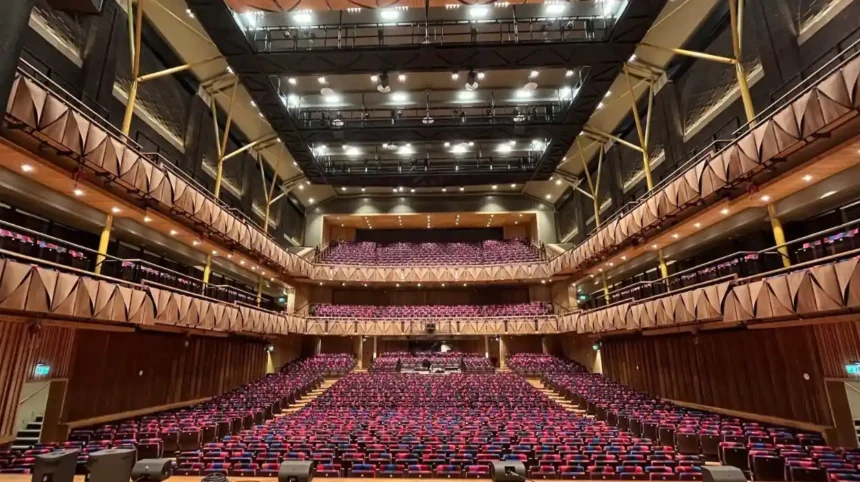
Bristol Beacon is one of the city’s principal live music and performance venues. It is located on Colston Street in central Bristol.
The venue was formerly known as Colston Hall. Its history dates back to the nineteenth century, when the original concert hall opened in 1867.
Bristol Beacon underwent a major redevelopment and reopened in November 2023. The transformation improved its performance facilities, accessibility and audience spaces.
Its programme covers multiple musical genres, including classical music, orchestral performances and instrumental concerts.
The venue’s main auditorium provides a large-scale environment for major performances. Its smaller performance and event spaces support more intimate musical events.
Bristol Beacon is particularly relevant to audiences looking for established concert programming and visiting performers.
St George’s Bristol
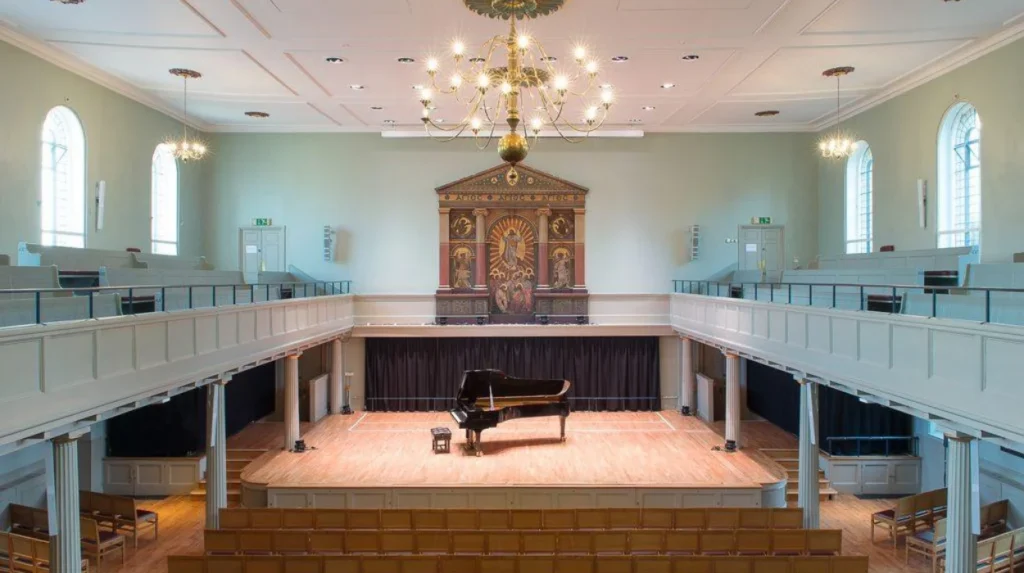
St George’s Bristol is a major independent concert venue known for its acoustic environment and chamber music programming.
The building was originally a Georgian church. It opened as a concert venue in 1976.
Its historic architecture and intimate performance environment make it particularly suitable for classical chamber music, vocal recitals and instrumental performances.
The venue regularly presents professional musicians, ensembles and touring performers.
Its programme also includes jazz, folk and other musical traditions. However, classical music remains an important part of its cultural identity.
Audiences interested in chamber music and smaller-scale performances regularly consider St George’s Bristol.
Bristol Cathedral
Bristol Cathedral is an important location for sacred classical music and choral performance.
Its musical activities include cathedral choir services, special concerts and performances associated with religious and cultural occasions.
The cathedral’s architectural design creates a distinctive acoustic environment for organ music and choral compositions.
Its musical tradition connects historical sacred repertoire with contemporary cathedral worship.
Visitors interested in British choral traditions can experience a different side of Bristol’s classical music culture through the cathedral.
Other performance spaces
Classical music also appears in smaller venues and institutional spaces across Bristol.
These include university performance facilities, churches and community arts spaces. Their programmes vary according to the organisers, performers and seasonal schedules.
Smaller venues provide opportunities for emerging musicians, student performers and specialist ensembles.
The availability of these spaces broadens Bristol’s classical music network beyond its largest concert halls.
Which Orchestras and Classical Music Organisations Perform in Bristol?
Bristol’s classical music scene includes professional orchestral organisations, independent ensembles and specialist music institutions. Bristol Ensemble, Bristol Symphony Orchestra and other regional groups contribute to orchestral concerts, chamber performances, educational activities and collaborative musical projects.
Orchestral organisations are essential to the city’s classical music infrastructure. They bring musicians together to perform compositions requiring coordinated instrumental sections and professional musical direction.
Bristol Ensemble
Bristol Ensemble is a professional chamber orchestra based in Bristol.
The organisation performs a range of classical repertoire, including orchestral compositions, chamber works and music for special events.
Its activities connect professional musicians with local audiences through concert programming and collaborative projects.
The chamber orchestra format allows performances in venues that are smaller than traditional symphonic concert halls.
Its repertoire and performance arrangements provide opportunities to experience both established classical works and less frequently performed compositions.
Bristol Symphony Orchestra
Bristol Symphony Orchestra contributes to the city’s amateur and community orchestral tradition.
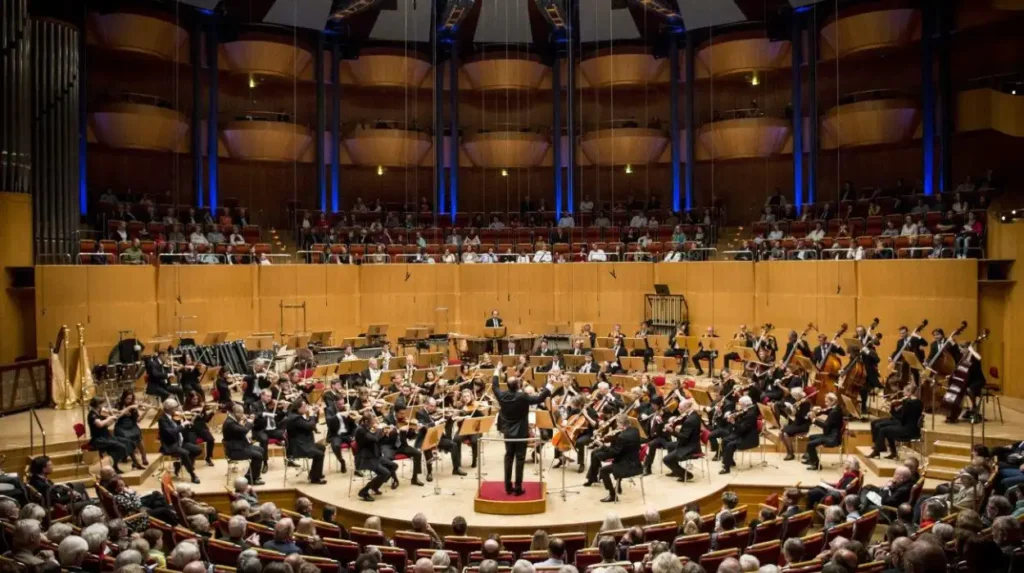
A symphony orchestra brings together different instrumental sections, including strings, woodwind, brass and percussion.
Its performances provide opportunities for local musicians to participate in large-scale orchestral repertoire.
The orchestra also contributes to the wider cultural environment by maintaining opportunities for musical collaboration and public performance.
Bristol Choral Society
Bristol Choral Society is an established choral organisation in the city.
Choral societies bring singers together to perform large-scale vocal compositions, including oratorios, sacred works and orchestral choral repertoire.
Their performances often involve collaboration with orchestras, conductors and professional soloists.
Works by composers such as Handel, Haydn, Mozart, Verdi and Elgar form an important part of the wider choral tradition.
Bristol’s choral organisations maintain a connection between public concerts, amateur participation and the historical development of British choral music.
The role of independent ensembles
Independent ensembles expand the variety of classical music available in Bristol.
These organisations focus on specialist repertoire, contemporary composition, chamber music and collaborative performance.
Their flexible structure supports concerts in smaller venues and educational environments.
They also provide opportunities for professional musicians to develop projects outside traditional orchestral programming.
What Types of Classical Music Can Audiences Experience in Bristol?
Bristol’s classical music programme covers orchestral symphonies, chamber music, opera, sacred choral works, solo instrumental recitals and contemporary compositions. These formats introduce audiences to different musical periods, performance techniques and traditions through professional and community-led events.
The variety of classical music available in Bristol reflects the city’s diverse performance organisations.
Orchestral symphonies
A symphony orchestra performs large-scale instrumental compositions written for coordinated groups of musicians.
Its sections typically include:
- Strings: Violins, violas, cellos and double basses.
- Woodwind: Flutes, oboes, clarinets and bassoons.
- Brass: Trumpets, French horns, trombones and tubas.
- Percussion: Timpani, cymbals and other rhythmic instruments.
Bristol’s orchestral concerts introduce audiences to composers such as Beethoven, Mozart, Brahms, Mahler and Tchaikovsky.
A symphony normally contains several movements. Each movement has a different musical character, tempo and structural purpose.
Chamber music
Chamber music consists of compositions written for small instrumental groups.
A string quartet is a familiar example. It consists of two violins, one viola and one cello.
Other chamber combinations include piano trios, wind quintets and instrumental duos.
St George’s Bristol provides an important performance environment for this tradition. Its concert programme supports intimate performances where individual instruments and musical interaction remain clearly audible.
Chamber music also introduces audiences to compositions that require fewer performers than a full symphony orchestra.
Choral and sacred music
Choral music uses organised vocal groups to perform compositions with multiple vocal parts.
Bristol Cathedral maintains an established choral tradition through its cathedral choir, Cathedral Consort and visiting choirs.
The repertoire includes Anglican church music, traditional hymns, anthems and compositions from different historical periods.
Works by composers such as Thomas Tallis, William Byrd, Henry Purcell, Charles Villiers Stanford and Edward Elgar form part of the wider British sacred music tradition.
Choral Evensong is a service of evening prayer in the Anglican tradition. It combines scripture, prayers, readings and sung music.
Opera and vocal performance
Opera combines music, singing, theatrical performance and dramatic storytelling.
Its musical structure includes solo arias, duets, ensembles and orchestral passages.
Classical vocal events in Bristol include opera-related performances, recital programmes and concerts featuring professional singers.
Audiences encounter repertoire from composers such as Mozart, Giuseppe Verdi, Giacomo Puccini and Richard Wagner.
Contemporary classical music
Contemporary classical music includes compositions created in recent decades and works by living composers.
It explores different approaches to musical structure, instrumentation, sound and technology.
The University of Bristol collaborates with cultural organisations on contemporary music activities, including the biennial Bristol New Music festival.
This festival connects established artists, emerging performers and experimental composers through performances and creative projects. University of Bristol
Contemporary classical music helps Bristol maintain a connection between its historical repertoire and current musical developments.
What Role Does Bristol Cathedral Play in Classical Music?
Bristol Cathedral preserves one of the city’s longest-running musical traditions. Its choir, choristers, lay clerks, organists and visiting performers maintain a programme of Anglican choral music, sacred compositions, services and special musical events.
Bristol Cathedral is important because its musical history extends back to the foundation of the Augustinian abbey in 1140.
The University of Bristol has documented the cathedral’s long choral history, including the presence of a full-time organist from 1542.
How does the cathedral choir work?
The cathedral choir consists of different groups of singers who perform together during worship and selected musical events.
Its structure includes:
- Choristers: Young singers who receive specialist musical training.
- Lay clerks: Professional adult singers who provide the lower vocal parts.
- Choral scholars: Singers undertaking higher education and specialist musical development.
- Cathedral Consort: A voluntary choir involving young singers aged 11–19.
The cathedral also welcomes visiting choirs outside term time.
These arrangements maintain opportunities for musical education and public performance.
What is Choral Evensong?
Choral Evensong is a traditional Anglican service in which music plays a central role.
The service includes sung responses, psalms, canticles, hymns and anthems.
Its repertoire connects historic English church music with modern compositions.
Visitors interested in classical vocal music can experience this tradition by attending an advertised cathedral service. Service schedules and music listings are published by Bristol Cathedral.
Why is organ music important?
The pipe organ is a major instrument in Western sacred music.
It produces sound through air passing across pipes controlled by keyboards and pedals.
Cathedral organists perform music during worship, recitals and special concerts.
Bristol Cathedral’s organ tradition forms part of the city’s wider classical music heritage.
How Does the University of Bristol Support Classical Music?
The University of Bristol supports classical music through academic teaching, student orchestras, specialist choirs, public concerts and collaborations with cultural venues. Its Department of Music connects musical research with performance opportunities for students, visiting artists and local audiences.
The University of Bristol is an important part of Bristol’s classical music education network.
Its Department of Music provides opportunities to study musical history, composition, performance and research.
Public concerts at the Victoria Rooms
The Victoria Rooms is an important performance location associated with the university.
The Department of Music organises public concerts in its auditorium. Student performers, visiting musicians and ensembles contribute to the programme.
The university’s concert activities cover different musical periods, from medieval chant to contemporary compositions.
Its collaborations also extend to Bristol Beacon, St George’s Bristol, Spike Island and Bristol Cathedral.
University choirs and vocal ensembles
The university supports several choral groups with different musical specialisms.
University Singers performs repertoire ranging from Renaissance compositions to contemporary music.
The University Chamber Choir performs larger choral works and participates in concerts at established Bristol venues.
The University Church Choir focuses on Anglican choral music and performs services and special concerts.
The Schola Cantorum specialises in medieval and contemporary music, including compositions connected to academic research.
Classical music education for students
University music activities allow students to develop practical and academic skills.
These include sight-reading, ensemble coordination, vocal technique, instrumental performance and musical analysis.
Students also gain experience performing in professional concert spaces.
The university’s partnerships with Bristol’s cultural organisations strengthen the relationship between higher education and the city’s wider music industry.
Where Can Young Musicians Learn Classical Music in Bristol?
Young musicians in Bristol access classical music education through schools, youth orchestras, cathedral music programmes, university outreach and specialist music organisations. These opportunities develop instrumental ability, music reading, ensemble performance and confidence through structured musical participation.
Music education is essential to the long-term development of Bristol’s classical music culture.
It creates pathways from beginner instrumental lessons to advanced orchestral and choral performance.
Bristol Beacon’s youth music programmes
Bristol Beacon supports musical education through its Beacon Music Centre and associated youth ensembles.
Its programmes include the Bristol Youth Orchestra, Bristol Beacon Junior Wind Band and Bristol Beacon Bridge Orchestra.
These groups serve different age groups and musical ability levels. For example, the Bristol Youth Orchestra is listed for musicians aged 12–18 with advanced playing experience, while the Bridge Orchestra provides an earlier ensemble pathway.
The programmes introduce young musicians to:
- Instrumental technique.
- Reading musical notation.
- Rehearsal discipline.
- Ensemble coordination.
- Public performance.
Bristol Cathedral Choir School
Bristol Cathedral Choir School maintains a close relationship with the cathedral’s choral tradition.
The school combines general education with specialist musical opportunities.
Its partnership with the cathedral supports choristers through musical training and academic education.
The arrangement also helps preserve the city’s historical tradition of professional and youth choral performance.
University music opportunities
The University of Bristol provides further opportunities for students with established musical skills.
Auditioned choirs, student societies and performance groups allow musicians to participate in organised rehearsals and concerts.
These activities support progression from school-level music education to university-level performance.
When Is the Best Time to Experience Classical Music in Bristol?
Classical music takes place in Bristol throughout the year, with concert schedules influenced by venue programmes, university terms, cathedral services and seasonal events. Autumn, winter and spring provide regular opportunities to attend orchestral, choral and chamber performances.
Bristol’s classical music calendar follows several different programming patterns.
Autumn concert season
Autumn is an important period for established concert organisations.
University students return for the academic year, musical societies resume rehearsals and professional venues introduce new programmes.
Visitors can explore orchestral concerts, instrumental recitals and choral performances during this period.
Winter and Christmas music
Winter brings additional opportunities to experience sacred and seasonal classical music.
Bristol Cathedral and other churches present Christmas-related services and musical events.
Traditional repertoire includes carols, choral anthems, organ compositions and larger sacred works.
Spring performances
Spring supports university concerts, chamber performances and special musical programmes.
Student ensembles often present the results of their academic-year rehearsals through public performances.
Choral organisations also schedule major concerts during this period.
Summer musical activities
Summer programmes include selected concerts, visiting performers and special events.
The exact schedule varies between venues and organisations.
Visitors should check the official event listings before travelling because performance dates, ticket availability and programme details change.
How Can Visitors Attend Classical Music Concerts in Bristol?
Visitors can attend classical music in Bristol by checking official venue calendars, selecting a suitable performance and booking tickets through authorised websites. Bristol Beacon, St George’s Bristol and Bristol Cathedral provide different opportunities for experiencing professional and traditional classical music.
Planning ahead helps visitors choose performances that match their musical interests.
Finding upcoming concerts
The most reliable way to find classical music performances is to check the official programmes of Bristol’s established venues.
Choosing the right performance
Different classical music events offer different experiences.
First-time listeners often find orchestral concerts accessible because programmes frequently feature recognisable compositions.
Chamber concerts suit audiences interested in individual instruments and smaller ensembles.
Cathedral services introduce visitors to sacred music and traditional choral performance.
Contemporary classical concerts suit listeners interested in new compositions and experimental musical approaches.
Understanding concert etiquette
Classical music concerts generally follow established audience conventions.
Visitors should arrive before the scheduled starting time and follow the venue’s seating instructions.
Mobile phones should remain silent during performances. Applause usually takes place at the end of a complete composition rather than between individual movements of a symphony.
Some venues publish additional guidance for specific performances.
Exploring Bristol’s musical locations
Bristol’s principal classical music venues are located within accessible parts of the city centre and surrounding central neighbourhoods.
These locations allow visitors to combine classical music with other cultural attractions, historic architecture and central Bristol sightseeing.
What Is the Economic and Cultural Importance of Classical Music in Bristol?
Classical music contributes to Bristol’s cultural identity through live performances, employment, education, tourism and community participation. Its concert venues and music organisations support professional musicians, technical workers, educators and local businesses while preserving important musical traditions.
Classical music provides cultural and economic benefits beyond the performances themselves.
Supporting the local creative economy
Concerts generate activity across several parts of the creative economy.
Professional musicians, conductors, composers and singers contribute directly to performances.
Other workers support the production process through technical operations, venue management, marketing, administration and event coordination.
Concert audiences also contribute to nearby hospitality and transport businesses.
Restaurants, cafés, hotels and independent businesses benefit when visitors travel to Bristol for cultural events.
Strengthening cultural tourism
Bristol attracts visitors interested in architecture, history, museums, festivals and live entertainment.
Classical music adds another dimension to this visitor experience.
Historic buildings such as Bristol Cathedral and St George’s Bristol connect musical performance with architectural heritage.
Bristol Beacon adds a modern concert experience to the city’s cultural offer.
These institutions help establish Bristol as a destination for different types of live music.
Supporting community participation
Classical music organisations provide opportunities for people to participate rather than simply attend concerts.
Community orchestras, youth ensembles and voluntary choirs support collective musical activity.
Participation develops skills in communication, concentration, listening and teamwork.
It also creates opportunities for people from different educational and professional backgrounds to engage with music.
Preserving British musical heritage
Bristol’s cathedral and concert organisations contribute to the preservation of British classical music traditions.
Choral services maintain historical Anglican repertoire, while orchestras perform compositions from different periods of European musical history.
Educational institutions support the study and interpretation of these works.
The combination of preservation and contemporary performance helps maintain the relevance of classical music for future audiences.
Explore More Area Guide
Electronic Music in Bristol: History, Artists, Genres and Venues
Jazz in Bristol: History, Live Music Venues and Festivals
What Is the Future of Classical Music in Bristol?
The future of classical music in Bristol depends on accessible music education, sustainable performance organisations, audience development and investment in cultural infrastructure. Collaboration between venues, universities, orchestras and community groups supports continued musical development across the city.
Bristol has an established foundation for maintaining and expanding its classical music culture.
Several developments are particularly important.
Increasing access to music education
Youth orchestras and school-based music programmes introduce children to instrumental performance.
Continued access to lessons, rehearsal facilities and ensemble opportunities helps develop future professional and amateur musicians.
Bristol Beacon’s youth programmes and Bristol Cathedral’s chorister education provide established pathways.
Supporting new composers and performers
Contemporary composition is an important part of classical music’s future.
The University of Bristol’s collaborations with Bristol Beacon and St George’s Bristol support new musical projects and experimental performance.
The Bristol New Music festival demonstrates how established cultural organisations connect academic research with public performance.
Developing inclusive concert experiences
Classical music organisations face the continuing challenge of reaching audiences across different age groups, backgrounds and levels of musical experience.
Affordable tickets, educational activities and community partnerships help reduce barriers to participation.
Accessible venues and welcoming performance environments also strengthen audience development.
Maintaining historic performance traditions
Bristol’s historical musical institutions provide an important foundation for future cultural development.
Bristol Cathedral continues its choral tradition, while St George’s Bristol maintains its identity as a dedicated concert venue.
Bristol Beacon combines its historic role with modern performance facilities.
Together, these institutions support a classical music environment that connects historical repertoire with contemporary musical activity.
Why Is Bristol an Important Destination for Classical Music?
Bristol is an important classical music destination because it combines historic cathedral traditions, professional orchestral performance, specialist concert venues and university-led music education. Its established organisations provide opportunities for audiences, students, professional musicians and community performers.
The city’s classical music culture is built around a network of complementary institutions.
Bristol Beacon provides a major concert venue for large-scale musical events. St George’s Bristol supports chamber music and specialist performances. Bristol Cathedral maintains a historic choral tradition, while the University of Bristol connects music education, research and public concerts.
Professional organisations such as Bristol Ensemble contribute to orchestral and chamber performances across the region.
Youth orchestras, school partnerships and community ensembles support the next generation of musicians.
These activities demonstrate that classical music in Bristol is not limited to historic compositions or traditional concert halls. It remains an active part of the city’s educational, cultural and creative environment.
For residents, classical music offers opportunities to attend concerts, join ensembles and develop musical skills. For visitors, it provides access to professional performances, sacred music and historic cultural venues.
Bristol’s combination of musical heritage, established institutions and contemporary programming ensures that classical music remains an important part of the city’s cultural identity.
Where can I listen to classical music in Bristol?
Bristol Beacon, St George’s Bristol and Bristol Cathedral are three important places to experience classical music. They host orchestral concerts, chamber music, choral performances, organ recitals and visiting musicians.