
Pet shops in Bristol provide essential products and services for people who own dogs, cats, rabbits, guinea pigs, birds, fish and other companion animals. These retailers supply pet food, bedding, collars, leads, toys, grooming equipment, aquarium products and everyday animal-care essentials. Some specialise in particular animals, while others operate as general pet stores with products for several species.
- What Are Pet Shops in Bristol and What Do They Provide?
- Which Pet Shops Can Bristol Residents Visit?
- Which local retailers serve different Bristol neighbourhoods?
- How should residents compare local and national pet retailers?
- Where Can Bristol Pet Owners Buy Food for Dogs and Cats?
- What should shoppers check when buying dog food?
- How can cat owners choose suitable food?
- Are specialist pet foods worth comparing?
- Which Bristol Pet Shops Sell Supplies for Small Animals, Birds and Fish?
- Where can rabbit and guinea pig owners find supplies?
- Which supplies do bird owners need?
- What should aquarium owners look for in Bristol?
- Where can owners find reptile supplies?
- How Can Shoppers Choose a Reliable Pet Shop in Bristol?
- Which signs indicate good product quality?
- What questions should shoppers ask store staff?
- How should shoppers compare pet-supply prices?
- What Laws and Animal Welfare Standards Apply to Pet Shops in Bristol?
- What is Bristol’s pet shop licensing system?
- What restrictions apply to the sale of puppies and kittens?
- What responsibilities do pet owners have after purchasing supplies?
- How Can Bristol Residents Shop for Pet Supplies Online or In Store?
- When is visiting a local pet shop useful?
- When is online ordering more practical?
- How can shoppers find a pet shop close to home?
- How Do Pet Shops Contribute to Responsible Pet Ownership in Bristol?
- What Should Bristol Residents Consider Before Choosing a Pet Shop?
Bristol is a major city in South West England, with residential neighbourhoods, suburban communities, parks and accessible green spaces that support a diverse population of companion animals. Pet owners in areas such as Clifton, Bedminster, Easton, Bishopston, Southville and Henleaze use local shops and larger retail outlets to purchase animal supplies.
Choosing a suitable pet shop involves more than comparing prices. Product quality, ingredient information, animal welfare standards, staff knowledge, stock availability and convenient access all influence the purchasing decision. Understanding these factors helps Bristol residents find appropriate supplies while supporting responsible pet ownership.
What Are Pet Shops in Bristol and What Do They Provide?
Pet shops in Bristol are retail businesses that sell products for companion animals, including food, bedding, toys, grooming equipment and habitat accessories. Some retailers also sell live animals, aquarium equipment or specialist products, while others focus exclusively on supplies and animal-care essentials.
A pet shop is a commercial retailer serving the needs of domestic animals and their owners. Its product range depends on the store’s size, business model and specialist knowledge.
General pet stores typically stock products for dogs and cats alongside selected items for smaller animals and birds. Specialist retailers focus on particular categories, such as tropical fish, aquarium maintenance, natural dog treats or premium pet nutrition.
What products do Bristol pet shops sell?
Common product categories include:
- Food and treats: dry dog food, wet cat food, rabbit pellets and training treats.
- Walking equipment: dog collars, harnesses, identification tags and leads.
- Comfort products: pet beds, blankets, carriers and travel accessories.
- Grooming supplies: brushes, combs, pet shampoos and nail clippers.
- Small animal products: hay, bedding, exercise equipment and suitable enclosure accessories.
- Bird supplies: seed mixes, feeders, perches and enrichment toys.
- Aquarium products: fish food, filters, water conditioners, tanks and lighting.
- Hygiene products: cat litter, waste bags, cleaning products and absorbent pads.
Availability varies between retailers. A small neighbourhood shop typically carries frequently purchased essentials, whereas a specialist store offers a deeper selection within its chosen category.
How do pet shops support everyday animal care?
Pet shops make routine animal care more convenient by providing replacement supplies and products suited to different life stages. A puppy requires different feeding and training equipment from an older dog. Similarly, a kitten, an adult cat and a senior cat have different nutritional and environmental needs.
Responsible retailers provide clear product labels and manufacturer guidance. Owners should consult a veterinary professional when an animal requires a therapeutic diet or treatment for a medical condition.
Which Pet Shops Can Bristol Residents Visit?
Bristol has independent pet retailers, general pet-supply stores and specialist businesses serving different neighbourhoods. Examples listed in local directories include Pets Plus in Bedminster, Posh Pets in Clifton and pet retailers in Horfield, Brislington and North Bristol.
The following businesses provide starting points for finding pet supplies in and around Bristol. Check current opening hours, addresses, stock and services before travelling because retail details change.
Which local retailers serve different Bristol neighbourhoods?
North Bristol
This family-run retailer advertises dog and cat products, small animal supplies, aquatics, reptiles, poultry products and specialist feed. It is a useful starting point for owners looking for supplies beyond standard household pets.
Bedminster
A local directory lists this pet retailer at 27A East Street, Bedminster, Bristol, BS3 4HH. Residents can check whether it stocks their preferred food, treats and accessories before visiting.
Clifton
A local directory identifies Posh Pets on Waterloo Street in Clifton. Check its current trading details and product range if you live in Clifton or the surrounding neighbourhoods.
Horfield
A local directory lists this retailer at 441 Gloucester Road, Horfield, Bristol, BS7 8TZ. It is another option to investigate when comparing local pet-supply shops and prices.
These listings are examples, not a complete or independently verified ranking of Bristol pet shops. Contact each business to confirm its current address, opening hours and stock availability.
How should residents compare local and national pet retailers?
Independent shops often provide a focused product selection and direct contact with the business. Larger chains generally offer broader standardised ranges, online ordering and store-level stock information. Neither category automatically guarantees the best price or the most suitable product.
Compare the total cost of a purchase, including delivery charges, travel expenses and any minimum order requirement. For recurring purchases such as dog food, cat litter and rabbit hay, a reliable supply is often more important than a small difference in the shelf price.
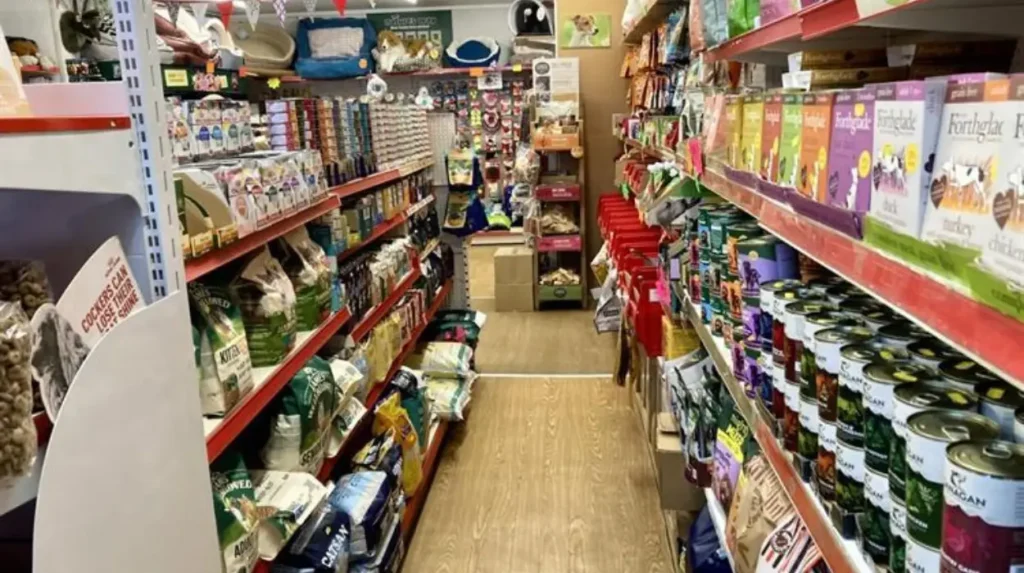
Where Can Bristol Pet Owners Buy Food for Dogs and Cats?
Bristol pet shops supply dry food, wet food, treats and specialist nutrition products for dogs and cats. Owners should compare life-stage suitability, ingredients, feeding instructions, pack sizes and price per kilogram before choosing a product for their animal.
Food is one of the most frequently replaced pet supplies. A suitable diet supports normal growth, body condition and general health, while inappropriate feeding contributes to nutritional problems.
What should shoppers check when buying dog food?
Dog food is available in dry kibble, wet food, complete meals and complementary products. A complete pet food is formulated to provide the nutrients needed for the stated species and life stage when fed as directed.
Puppy food supports growth, while adult maintenance food serves dogs that have reached maturity. Senior dogs sometimes require different calorie levels or a diet selected with veterinary advice. Large-breed puppies also have particular nutritional requirements, making age and expected adult size relevant purchasing considerations.
Read the label before changing brands. Check the intended life stage, feeding guide, storage instructions and whether the product is described as complete or complementary. Compare the cost per kilogram rather than relying solely on the price of the bag.
How can cat owners choose suitable food?
Cat food comes in dry, wet and mixed-feeding formats. Cats require nutrients that differ from those of dogs, including dietary taurine, an essential amino acid for normal feline health. Cat owners should therefore buy food formulated specifically for cats.
Kittens need a diet appropriate for growth, whereas adult cats need food suited to maintenance. Neutered cats, indoor cats and animals with particular medical needs sometimes require adjustments to calorie intake or diet composition.
Fresh drinking water should remain available. Wet food contributes dietary moisture, while dry food provides a convenient feeding format. A veterinarian should guide food selection for cats with kidney disease, diabetes, urinary problems, food allergies or other diagnosed conditions.
Are specialist pet foods worth comparing?
Specialist products include veterinary diets, limited-ingredient foods and formulations marketed for particular life stages or dietary needs. Their suitability depends on the animal and the reason for selecting them.
A product described as premium is not automatically better for every pet. Compare its nutritional purpose, ingredients, feeding recommendations and suitability for the individual animal. Veterinary diets intended to manage a medical condition require professional guidance rather than selection based only on packaging claims.
Which Bristol Pet Shops Sell Supplies for Small Animals, Birds and Fish?
Specialist pet retailers serve owners of rabbits, guinea pigs, birds, reptiles and aquarium fish. Examples of relevant supplies include hay, suitable bedding, species-specific food, secure enclosures, aquarium filters and water conditioners. Product choice must reflect each animal’s environmental and welfare requirements.
Not every general pet shop carries a comprehensive range for less common companion animals. Owners should contact a specialist retailer before travelling if they need a particular food, replacement filter, enclosure accessory or species-specific product.
Where can rabbit and guinea pig owners find supplies?
Rabbits and guinea pigs need appropriate food, clean living areas, safe enrichment and sufficient space for normal movement. Suitable supplies include good-quality hay, species-appropriate pellets, water bottles or bowls, hideaways and cleaning products.
Hay is a central part of a rabbit’s diet and supports normal digestive function and dental wear. Guinea pigs also require a diet with a reliable source of vitamin C because they cannot synthesise enough of this vitamin themselves.
Bedding products should be selected for absorbency, low dust and suitability for the animal. Cedar or strongly aromatic bedding is not an appropriate default choice. Owners should verify product suitability rather than assuming that all small-animal bedding is interchangeable.
Which supplies do bird owners need?
Bird-care products include species-appropriate food, perches, feeding bowls, enrichment toys, cage-cleaning supplies and suitable housing equipment. Nutritional requirements differ between species. A seed mix designed for one bird does not automatically provide a balanced diet for another.
Parrots and other intelligent birds need opportunities for movement, foraging and mental stimulation. Cage dimensions, bar spacing, perch placement and material safety matter when selecting equipment. Birds also need an environment free from hazardous fumes and other household risks.
Bristol Pet Stop advertises bird, poultry and specialist feed products alongside its other pet-supply categories. Owners should contact the business to confirm whether the required species-specific products are in stock.
What should aquarium owners look for in Bristol?
Aquarium retailers sell equipment for freshwater and marine environments, including tanks, filters, pumps, lighting, heaters, substrate and water-treatment products. Fish food and aquarium test kits are also important for maintaining a stable aquatic environment.
A filter supports biological filtration, which helps beneficial bacteria process toxic waste compounds. Water conditioners remove or neutralise certain harmful substances in tap water, depending on the product. Test kits help monitor water parameters such as ammonia, nitrite, nitrate and pH.
Aquarium owners should establish a suitable, cycled aquarium before introducing fish. Tank size, filtration, temperature, water chemistry and stocking density must match the intended species. Specialist advice is particularly useful when setting up a marine aquarium or keeping fish with different environmental requirements.
Where can owners find reptile supplies?
Reptile equipment includes secure vivariums, thermostats, heat sources, thermometers, hygrometers, hides, substrate and species-appropriate feeding products. Reptiles depend on carefully controlled environmental conditions, and incorrect temperatures or humidity levels cause welfare problems.
A heat source should be controlled safely, and temperatures should be measured rather than estimated by touch. Lighting requirements differ between species, including the need for ultraviolet B lighting in many commonly kept reptiles.
Bristol Pet Stop advertises reptile and exotic-animal products. Contact the retailer to confirm availability and ask about the equipment required for the exact species being kept.
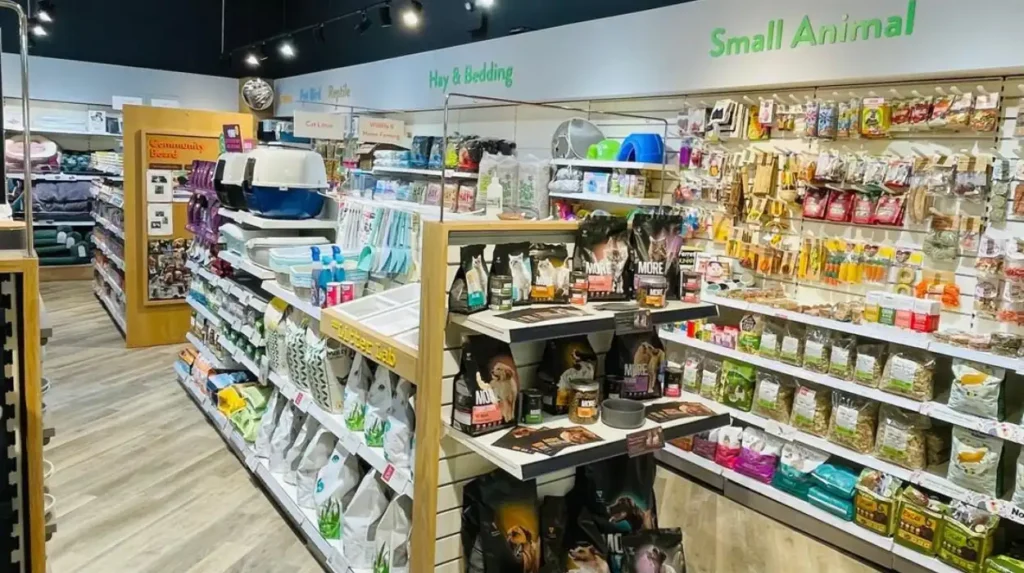
How Can Shoppers Choose a Reliable Pet Shop in Bristol?
A reliable pet shop provides clearly labelled products, appropriate storage, transparent pricing and accurate information about animal care. Shoppers should check product suitability, expiry dates where relevant, return policies and staff knowledge before buying food, equipment or live animals.
Retail quality matters because pet products directly affect feeding, hygiene, comfort and safety. A suitable shop helps owners identify products that match an animal’s size, species and life stage.
Which signs indicate good product quality?
Food packaging should identify the intended animal, provide feeding instructions and display relevant ingredients and storage information. Check seals for damage and avoid products with compromised packaging or unclear labelling.
For toys, harnesses and cages, inspect materials, construction and dimensions. Small components present choking risks for some animals, while unsuitable harnesses and poorly fitting collars create discomfort or escape risks. Aquarium equipment must match the tank’s capacity and the requirements of the fish.
Cleaning products also require care. Products intended for general household use are not automatically safe around birds, fish or small mammals. Follow the manufacturer’s instructions and keep chemicals away from animals and their food.
What questions should shoppers ask store staff?
Useful questions focus on practical product suitability. Ask whether a food is complete, whether an accessory fits the animal’s size and whether a replacement component is compatible with existing equipment.
For specialist products, ask about manufacturer guidance and any installation or maintenance requirements. Aquarium owners should check whether a filter is suitable for their tank volume and stocking plan. Reptile owners should verify the correct temperature range and lighting setup for their species.
Staff advice complements veterinary guidance but does not replace diagnosis or treatment. For persistent itching, digestive problems, appetite changes or unexplained weight loss, contact a veterinary practice rather than relying on a retail product recommendation.
How should shoppers compare pet-supply prices?
Compare identical products using the unit price, such as pounds per kilogram or pounds per litre. A larger package often reduces the unit cost, but only when the product remains fresh and can be stored correctly.
For recurring purchases, calculate the approximate monthly cost. Include food, litter, hay, waste bags and other regularly used supplies. Also compare delivery fees, subscription terms and collection options when buying online.
Low prices are useful when the product meets the animal’s needs. Changing food solely to save money can cause problems if the replacement is unsuitable or introduced abruptly. Transition between diets gradually unless a veterinarian directs an immediate change.
What Laws and Animal Welfare Standards Apply to Pet Shops in Bristol?
Commercial businesses selling animals as pets in Bristol require the relevant animal-selling licence from Bristol City Council. England’s animal-activities licensing framework sets welfare requirements covering suitable accommodation, feeding, care, staff competence, records and the responsible sale of animals.
Pet retail operates within a legal framework designed to protect animal welfare. The rules governing the sale of live animals differ from those governing ordinary retail products such as food, toys and bedding.
What is Bristol’s pet shop licensing system?
Bristol City Council administers licensing for businesses that sell animals as pets. Its official guidance explains the application and regulatory requirements for businesses operating within the council’s area.
The national framework is the Animal Welfare (Licensing of Activities Involving Animals) (England) Regulations 2018, alongside applicable statutory guidance. Licensing authorities assess whether businesses meet required welfare standards and can inspect licensed premises.
The Department for Environment, Food and Rural Affairs (Defra) publishes guidance for sellers and local authorities. Its guidance covers animal accommodation, food and water, protection from disease and injury, emergency arrangements and staff competence.
What restrictions apply to the sale of puppies and kittens?
England’s rules restrict third-party sales of puppies and kittens. Under the rules commonly associated with Lucy’s Law, pet shops and other third-party commercial sellers cannot sell puppies or kittens they have not bred themselves.
The licensing framework also prohibits the sale of puppies, kittens, ferrets and rabbits under eight weeks of age, subject to the applicable legal provisions and exceptions. Prospective owners should establish where an animal was bred and raised and review relevant records before committing to a purchase.
These restrictions do not mean that every Bristol pet shop sells live animals. Many retailers specialise entirely in food, accessories and equipment. Buyers looking for a companion animal should verify the seller’s legal status and prioritise responsible sourcing.
What responsibilities do pet owners have after purchasing supplies?
The Animal Welfare Act 2006 establishes a duty of care for people responsible for animals. Government guidance explains that owners must provide suitable nutrition, a suitable environment, appropriate opportunities for normal behaviour, suitable companionship where required and protection from pain, suffering, injury and disease.
Buying a pet accessory does not, by itself, satisfy these responsibilities. Owners must ensure that equipment is appropriate, clean and maintained. They also need to arrange veterinary care, meet species-specific dietary requirements and provide suitable housing throughout the animal’s life.
Dog owners must also comply with applicable dog microchipping requirements. The precise legal obligations depend on the animal and the activity involved, so owners should check the relevant official guidance when circumstances change.
How Can Bristol Residents Shop for Pet Supplies Online or In Store?
Bristol residents can buy pet supplies through local shops, specialist retailers and online stores offering home delivery or collection. The most suitable option depends on product availability, delivery costs, urgency, transport access and whether the item requires specialist advice before purchase.
Shopping online is convenient for bulky food bags, cat litter and repeat purchases. Visiting a physical shop is useful when customers need to inspect product dimensions, compare materials or discuss a specialist requirement with staff.
When is visiting a local pet shop useful?
A local visit allows shoppers to check an item’s size and construction before buying it. It also helps when selecting a carrier, fitting a harness or checking whether an accessory suits a particular enclosure.
Physical stores are especially useful for urgent purchases, such as replacement aquarium equipment or a specific type of animal bedding. However, customers should call ahead when the product is specialised or the retailer’s inventory is uncertain.
When is online ordering more practical?
Online shopping is useful for routine purchases and products that are difficult to carry. Customers can compare package sizes, ingredient lists and delivery charges across retailers without travelling between neighbourhoods.
Before ordering, check delivery times, returns conditions and whether the seller ships the product to your Bristol postcode. For subscriptions, review the delivery frequency, cancellation terms and price changes. A subscription is worthwhile only when the product is used consistently and storage conditions are appropriate.
Live animals require additional scrutiny. Buyers should establish the seller’s identity, licensing status where required, animal origin and welfare arrangements. An attractive online listing is not sufficient evidence of responsible breeding or care.
How can shoppers find a pet shop close to home?
Search using a specific neighbourhood alongside the required product category. For example, searches for pet supplies in Bedminster, pet food in Clifton or aquarium shops in Bristol can help narrow the options.
Check the retailer’s official website, current map listing or telephone details before travelling. Confirm the exact address, opening hours and product availability, particularly on bank holidays or during seasonal trading changes.
Residents who rely on public transport should also consider the weight and volume of their purchases. Heavy food bags and large litter packages are often easier to obtain through delivery or scheduled collection.
Explore More Area Guide
Dog Groomers in Bristol: Services, Prices and How to Choose
Best Vets in Bristol | Top Veterinary Practices
How Do Pet Shops Contribute to Responsible Pet Ownership in Bristol?
Pet shops support responsible pet ownership by making essential food, hygiene products, enrichment equipment and habitat supplies accessible to local households. Their contribution is strongest when products are appropriate, information is accurate and animal welfare remains central to purchasing decisions.
Pet ownership involves ongoing responsibilities rather than a single purchase. Owners need to plan for daily feeding, exercise, cleaning, preventive veterinary care and the replacement of worn equipment. Local retailers help households obtain the products needed to maintain these routines.
How do pet supplies support animal wellbeing?
Suitable toys and enrichment equipment encourage natural behaviours, including sniffing, chewing, foraging and exploration. Dogs benefit from appropriate walking equipment and play opportunities. Cats need suitable scratching surfaces, hiding places and interactive enrichment. Small mammals require species-appropriate housing and opportunities to explore safely.
Hygiene products also contribute to a suitable living environment. Regular cleaning of food bowls, bedding, litter trays and habitat equipment reduces the accumulation of waste. Cleaning routines must match the animal’s needs and avoid exposing pets to harmful chemicals.
Food storage is equally important. Dry food should remain in a cool, dry location, while opened wet food requires handling and refrigeration according to its packaging instructions. Correct storage helps maintain product quality and reduces waste.
Why is specialist knowledge important?
Animals differ in their dietary, environmental and behavioural requirements. Products suitable for one species can be unsuitable for another. For example, a rabbit’s dietary needs differ from those of a guinea pig, while freshwater and marine aquariums require different equipment and water-management practices.
Retailers with relevant product knowledge help customers identify appropriate equipment and understand manufacturer instructions. Veterinary professionals remain the appropriate source for diagnosing illness, prescribing treatment and managing medical diets.
Responsible purchasing also involves considering an animal’s entire life. Owners should choose durable equipment, replace damaged products and avoid acquiring animals without the time, space and financial resources to care for them properly.
What Should Bristol Residents Consider Before Choosing a Pet Shop?
Bristol residents should select pet shops according to product suitability, reliable availability, transparent pricing, convenient access and relevant expertise. Comparing these factors helps owners establish a dependable source of everyday supplies while maintaining appropriate nutrition, housing, hygiene and welfare for their animals.
A suitable pet retailer meets the owner’s practical needs without encouraging unnecessary purchases. The best choice depends on the animal, the product category and the household’s regular shopping requirements.
Before visiting, confirm that the shop stocks the required item and check its current opening hours. Compare unit prices and delivery options for recurring purchases. For specialist equipment, verify compatibility and ask about installation or maintenance requirements.
When buying a live animal, check licensing requirements, animal origins and welfare arrangements before making a commitment. When purchasing food or health-related products, follow manufacturer instructions and seek veterinary advice when an animal has specific medical needs.
Bristol’s mix of neighbourhood retailers, larger pet-supply stores and specialist businesses gives residents several ways to source everyday essentials. A considered approach to shopping helps owners balance cost and convenience with the long-term needs of their pets.
Where can I find pet shops in Bristol?
Bristol has pet retailers in areas including Bedminster, Clifton, Horfield and Eastgate. Examples include Pets Plus, Posh Pets, A & K Discount Pet Supplies and Pets at Home. Check current addresses and opening hours before visiting.