Bristol is one of the most visually distinctive cities in South West England. Its photography locations combine historic engineering, maritime architecture, colourful residential streets, contemporary street art, green spaces and elevated viewpoints. The city provides opportunities for landscape photography, architectural photography, street photography, travel photography, wildlife photography and portrait photography.
- Why Is Bristol a Good City for Photography?
- Which Bristol Locations Offer the Best Photography Opportunities?
- 1. Clifton Suspension Bridge
- 2. Bristol Harbourside
- 3. Cliftonwood’s Colourful Houses
- 4. Brandon Hill and Cabot Tower
- 5. Stokes Croft Street Art
- 6. Bedminster and North Street
- 7. Leigh Woods and the Avon Gorge
- 8. Ashton Court Estate
- 9. Clifton Village and Georgian Architecture
- 10. Totterdown’s Colourful Streets
- 11. Blaise Castle Estate
- 12. Arnos Vale Cemetery
- What Are the Best Bristol Photography Spots for Different Subjects?
- Which Bristol Locations Are Best for Landscape Photography?
- Where Can You Photograph Historic Architecture?
- Which Areas Are Best for Street Photography?
- Where Can You Photograph Bristol’s Waterfront?
- When Is the Best Time to Visit Bristol Photography Spots?
- Which Locations Are Best for Sunrise Photography?
- Where Can You Capture Bristol’s Best Sunset Views?
- Which Seasons Offer the Best Photography Conditions?
- How Can Photographers Plan a Bristol Photography Walking Route?
- Which Photography Locations Can You Combine in One Day?
- What Is a Good Route for Street Art Photography?
- How Can Visitors Travel Between Photography Locations?
- What Photography Equipment Should You Bring to Bristol?
- Which Camera Lenses Work Best?
- Are Smartphones Suitable for Bristol Photography?
- What Accessories Improve Outdoor Photography?
- What Are the Rules for Responsible Photography in Bristol?
- Can You Use a Tripod at Bristol Photography Locations?
- Are Drones Allowed at Bristol Photography Spots?
- How Should Photographers Respect Residential Communities?
- How Can Photographers Protect Natural Locations?
- How Does Bristol’s History Influence Its Photography Locations?
- What Is the Historical Importance of Bristol Harbourside?
- How Did Isambard Kingdom Brunel Influence Bristol’s Architecture?
- Why Are Bristol’s Historic Neighbourhoods Important?
- How Can Bristol Photography Locations Support Creative and Cultural Tourism?
- How Does Street Art Contribute to Bristol’s Creative Identity?
- Why Is Architectural Photography Important for Bristol?
- How Will Bristol’s Photography Opportunities Develop?
- Exploring Bristol Through Photography
Located around the River Avon and the historic Floating Harbour, Bristol has a varied urban landscape shaped by centuries of maritime trade, industrial development and cultural activity. Its historic buildings sit alongside modern developments, independent creative districts and extensive public green spaces.
The best Bristol photography spots include Clifton Suspension Bridge, Bristol Harbourside, Cliftonwood, Brandon Hill, Cabot Tower, Stokes Croft, Bedminster, Leigh Woods and Ashton Court Estate. Each location offers different photographic subjects, lighting conditions and compositions.
Photographers can explore these locations independently, using walking routes and public transport to reach many of the city’s most recognisable views. Understanding the history, accessibility and visual characteristics of each destination helps visitors plan productive photography sessions.
Why Is Bristol a Good City for Photography?
Bristol is an excellent photography destination because it combines historic landmarks, waterfront architecture, colourful neighbourhoods, street art and accessible natural landscapes. Its varied surroundings provide subjects for landscape, architectural, documentary, portrait and travel photography throughout the year.
Bristol’s photographic appeal comes from its geographical position, architectural heritage and creative culture. The River Avon runs through the city, connecting historic waterfront districts with residential neighbourhoods and green landscapes. The former commercial docks now form an important cultural and leisure destination.
The city’s architectural identity includes Georgian terraces, Victorian industrial buildings, historic churches, modern developments and internationally recognised engineering structures. These contrasting environments provide different subjects within a relatively compact urban area.
Bristol also has an established street-art culture. Local and international artists contribute murals and public artworks across neighbourhoods such as Stokes Croft, Southville and Bedminster.
What Makes Bristol’s Landscape Visually Distinctive?
Bristol’s landscape includes several recognisable geographical features:
- The Avon Gorge, with its steep limestone cliffs.
- The River Avon and Bristol’s Floating Harbour.
- The Clifton Suspension Bridge.
- Hillside neighbourhoods with colourful residential buildings.
- Historic dockside warehouses and industrial structures.
- Public parks, woodland and open countryside.
These features allow photographers to capture wide landscapes, architectural details and urban environments without travelling far outside the city centre.
The changing elevation also creates different viewpoints. Brandon Hill, Clifton Downs and Ashton Court provide elevated perspectives across Bristol.
Which Photography Genres Work Best in Bristol?
Bristol supports several photography genres. Landscape photography suits the Avon Gorge, Leigh Woods and Ashton Court. Architectural photography works particularly well around Clifton, the Harbourside and historic dock buildings.
Street photography is popular in Stokes Croft and Bedminster because of their murals, independent businesses and pedestrian activity. Portrait photographers also use the city’s parks, waterfront promenades and historic streets as outdoor backgrounds.
Photography opportunities extend across the seasons. Spring brings flowering gardens, summer provides longer daylight, autumn creates woodland colour and winter produces atmospheric waterfront scenes.
Which Bristol Locations Offer the Best Photography Opportunities?
The best Bristol photography locations include Clifton Suspension Bridge, Bristol Harbourside, Cliftonwood, Brandon Hill, Cabot Tower, Stokes Croft, Bedminster, Leigh Woods and Ashton Court Estate, offering distinctive architectural, waterfront, cultural and natural photography opportunities.
These destinations represent different aspects of Bristol’s identity. Some are recognised landmarks, while others are residential neighbourhoods or public spaces with distinctive visual characteristics.
1. Clifton Suspension Bridge
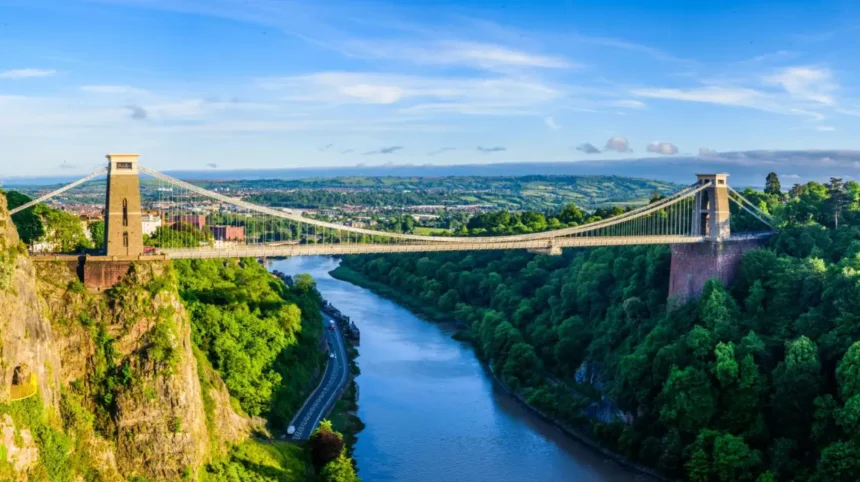
The Clifton Suspension Bridge is one of Bristol’s most recognisable landmarks. Designed by engineer Isambard Kingdom Brunel, the bridge crosses the Avon Gorge and connects Clifton with Leigh Woods.
Construction began in 1831, although financial and political difficulties delayed completion. The bridge opened in 1864, five years after Brunel’s death. It remains an important example of nineteenth-century engineering.
Photographers use several viewpoints around the bridge:
- The Clifton-side entrance for architectural details.
- Clifton Observatory for elevated bridge compositions.
- Leigh Woods for views across the gorge.
- The surrounding paths for landscape photographs.
Early morning provides softer lighting and fewer visitors. Sunset creates opportunities to photograph the bridge against changing skies.
The bridge permits personal, non-commercial photography using handheld cameras. Visitors planning tripod photography must speak to a Bridge Attendant and complete the required filming indemnity form. Commercial photography requires prior permission from the bridge authorities.
2. Bristol Harbourside
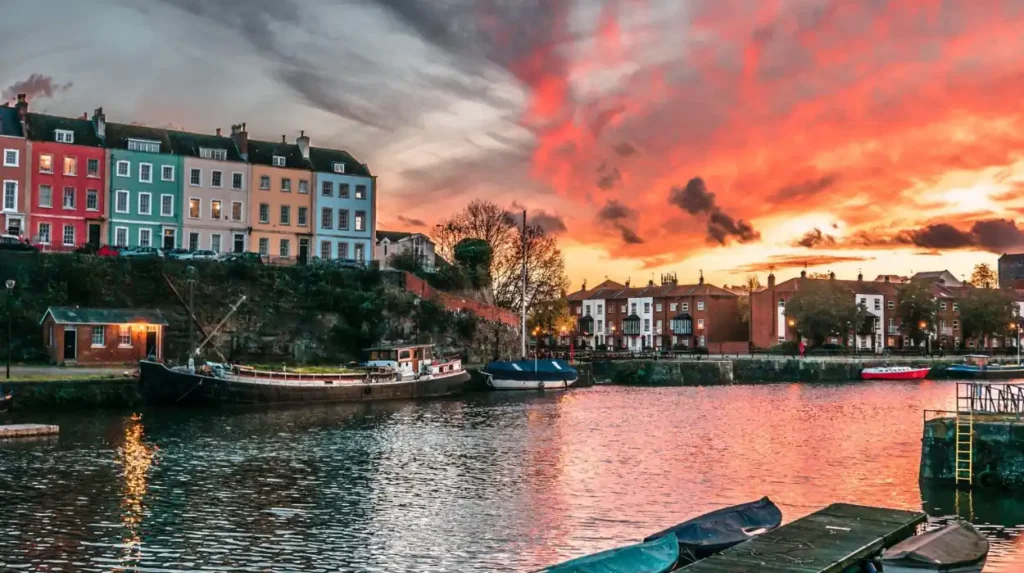
Bristol Harbourside is one of the city’s most versatile photography environments. The area follows the historic Floating Harbour and combines waterfront buildings, boats, pedestrian promenades, restaurants and cultural attractions.
The harbour provides opportunities for reflections, architectural compositions and urban landscape photography.
Important subjects include:
- Historic dockside buildings.
- Waterfront boats and sailing vessels.
- The architecture surrounding Millennium Square.
- The M Shed museum.
- Views towards Brunel’s SS Great Britain.
- Bridges and illuminated waterfront buildings.
The area is particularly useful for photographers interested in documenting Bristol’s maritime heritage. The contrast between historic warehouses and contemporary buildings also creates opportunities for architectural comparison.
Blue-hour photography is especially effective around the waterfront. Artificial lighting from surrounding buildings reflects across the harbour, creating additional depth in evening compositions.
3. Cliftonwood’s Colourful Houses
Cliftonwood is a residential neighbourhood overlooking Bristol Harbourside. It is recognised for its brightly painted Victorian terraces, steep streets and views across the waterfront.
Cliftonwood Crescent, Ambra Vale East, Church Lane and Ambrose Road provide opportunities to photograph colourful residential architecture.
The elevated position allows photographers to capture several rows of houses within one composition. Looking towards the harbour also creates layered photographs featuring residential buildings, waterfront structures and distant city landmarks.
Visit Bristol identifies Cliftonwood as a distinctive neighbourhood overlooking the Harbourside. Its colourful houses and local mosaics contribute to the area’s visual character.
Morning and afternoon daylight produce different results depending on the direction of the street. Photographers should avoid blocking pavements, entering private property or photographing residents through windows.
4. Brandon Hill and Cabot Tower
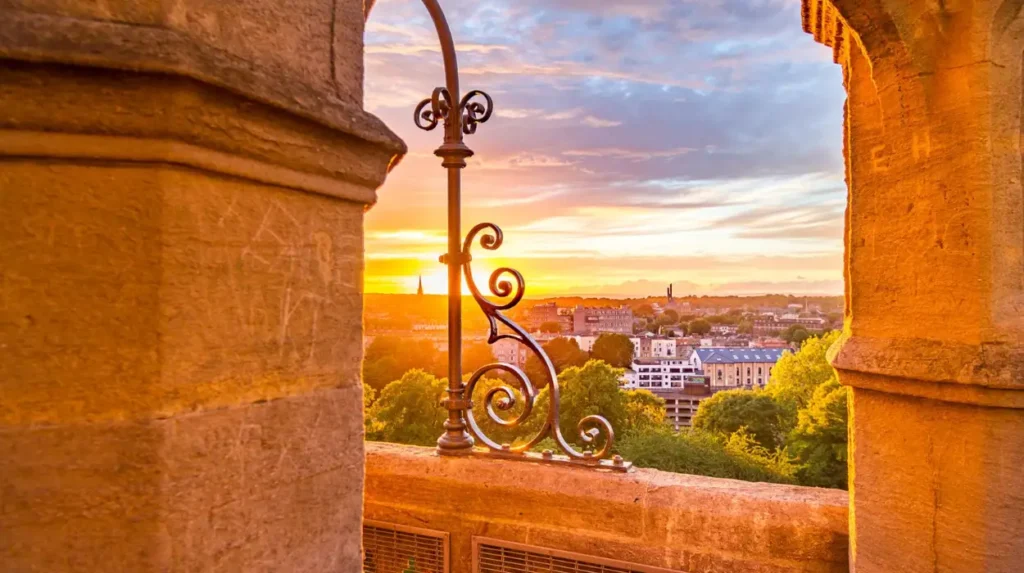
Brandon Hill is a historic public park close to Bristol city centre. It provides elevated views of the city, harbour and surrounding neighbourhoods.
The park contains Cabot Tower, a prominent tower commemorating the 400th anniversary of John Cabot’s 1497 voyage from Bristol to North America.
The tower and surrounding park offer different photographic perspectives. The park’s pathways and trees work well for natural compositions, while the tower provides an architectural focal point.
Bristol City Council records Brandon Hill’s association with Bristol Corporation from 1174 and identifies its panoramic city and dock views as important park features. The park is open throughout the year.
Photographers should consider the steep terrain when planning equipment and accessibility requirements.
5. Stokes Croft Street Art
Stokes Croft is one of Bristol’s best-known areas for street art and alternative culture.
The neighbourhood contains murals, graffiti, independent businesses and public artworks. It is particularly associated with Banksy, the internationally recognised street artist whose early work helped establish Bristol’s reputation for urban art.
One of the area’s best-known artworks is Banksy’s Mild Mild West, featuring a teddy bear throwing a Molotov cocktail towards riot police.
Other photographic subjects include commissioned building murals, smaller graffiti pieces, shopfronts and street-level cultural details.
Visit Bristol identifies Stokes Croft as a central street-art destination and highlights its connection with Bristol’s wider creative culture.
Street photography works best when photographers document the wider environment rather than concentrating exclusively on individual artworks.
6. Bedminster and North Street
Bedminster offers another important photography destination, particularly around North Street.
The area is associated with Upfest, a major street-art festival that brings artists and visitors to South Bristol.
North Street and surrounding roads feature murals on building façades, shopfronts and commercial properties. These artworks create opportunities for close-up compositions, colour studies and documentary photography.
The visual environment changes as new artworks appear and existing murals are updated. Photographers should therefore treat street-art locations as evolving subjects rather than permanent collections.
Visit Bristol identifies Bedminster and Southville as important parts of the city’s street-art landscape. visitbristol.co.uk
7. Leigh Woods and the Avon Gorge
Leigh Woods is a woodland area on the western side of the Avon Gorge. It provides a natural photography environment with mature trees, woodland pathways, wildlife and elevated views towards Clifton Suspension Bridge.
The woodland is managed by the National Trust and forms part of an important natural landscape surrounding the gorge.
Photographic subjects include:
- Woodland canopies and tree trunks.
- Seasonal leaves and forest textures.
- Natural light filtering through trees.
- The Avon Gorge and surrounding cliffs.
- Long-distance views towards the suspension bridge.
Spring and autumn offer particularly varied woodland colours. During autumn, fallen leaves create textured foregrounds, while spring introduces fresh vegetation and flowering woodland plants.
Photographers interested in landscape photography should explore permitted paths and established viewpoints. Wildlife photography requires patience and a suitable focal-length lens.
8. Ashton Court Estate
Ashton Court Estate is a large historic estate located west of Bristol. It contains woodland, grassland, historic buildings, open landscapes and deer parks.
Bristol City Council identifies the estate as covering approximately 850 acres. Its facilities include woodland gardens, picnic areas, deer parks and two cafés.
The estate supports several photography styles. Landscape photographers can capture open parkland and distant city views. Wildlife photographers can photograph deer from appropriate public viewpoints. Architectural photographers can focus on Ashton Court Mansion and its surrounding grounds.
The estate also provides opportunities for seasonal photography. Spring brings fresh greenery, summer creates open landscape compositions, autumn produces woodland colour and winter offers atmospheric views across the parkland.
Photographers should remain at a safe distance from deer and avoid disturbing wildlife. The estate’s public information also specifies restrictions on model aircraft, including drones, in its grounds.
9. Clifton Village and Georgian Architecture
Clifton Village provides architectural photography opportunities through its Georgian terraces, historic shopping streets, garden squares and Victorian buildings.
The district is known for Bath-stone terraces, independent shops and distinctive historic architecture. Its streets provide subjects for symmetrical compositions, architectural details and documentary photography.
Useful photography locations include:
- Royal York Crescent and its Georgian terraces.
- Clifton Arcade and its Victorian interior.
- The streets surrounding Clifton Village.
- The historic buildings near The Mall.
- The surrounding residential squares.
Visit Bristol describes Clifton as a historic district featuring Georgian architecture and the Clifton Suspension Bridge.
Morning photography provides softer light along many streets. A wide-angle lens helps capture larger façades, while a standard lens works well for doors, windows, decorative stonework and architectural details.
10. Totterdown’s Colourful Streets
Totterdown is a hillside neighbourhood in South Bristol known for colourful houses and elevated city views.
Its residential streets provide a different perspective from Cliftonwood. The area’s painted houses, sloping roads and close arrangement of buildings create strong architectural compositions.
Photographers can explore the neighbourhood for:
- Colourful terraced houses.
- Hillside streets and stairways.
- Residential architecture.
- Distant city-centre views.
- Changing light across rooftops.
The elevated setting makes Totterdown suitable for cityscape photography. Photographers should explore public streets and avoid obstructing residential entrances or pavements.
Cliftonwood and Totterdown are separate neighbourhoods. Cliftonwood overlooks the Harbourside, while Totterdown is located south of the city centre.
11. Blaise Castle Estate
Blaise Castle Estate is a historic landscape in north-west Bristol. Its combination of parkland, woodland, historic structures and open green spaces provides varied photography subjects.
The estate covers approximately 650 acres and includes a Grade II* registered historic parkland landscape. Bristol City Council identifies its museum, castle and children’s play facilities among its features. Bristol City Council
The decorative Blaise Castle structure provides an architectural subject, while the surrounding landscape offers opportunities for nature and landscape photography.
Photographers can explore the estate’s pathways to capture woodland textures, open fields and seasonal vegetation.
Blaise Castle works particularly well for photographers seeking natural settings away from the busy waterfront and central shopping districts.
12. Arnos Vale Cemetery
Arnos Vale Cemetery is a Victorian cemetery and heritage landscape in south-east Bristol. Its historic monuments, mature trees, pathways and architectural features provide subjects for heritage and documentary photography.
The site is recognised for its Victorian funerary architecture and historic landscape. Photographers can explore the relationship between stone monuments, vegetation and historic buildings.
Its visual character suits architectural detail photography, black-and-white photography and seasonal landscape work.
Visitors should follow site rules, respect funerals and private memorials, and avoid photographing mourners without permission. Commercial photography and organised shoots require confirmation of the site’s current arrangements.
What Are the Best Bristol Photography Spots for Different Subjects?
Bristol’s photography locations suit different subjects, including architecture at Clifton Village, landscapes at Leigh Woods, street art in Stokes Croft, waterfront scenes at Harbourside, wildlife at Ashton Court and panoramic city views from Brandon Hill.
Choosing a location according to the intended photographic subject improves composition and reduces unnecessary travel. Bristol’s districts provide distinct visual environments, so photographers should identify their preferred subject before planning a route.
Which Bristol Locations Are Best for Landscape Photography?
The strongest landscape photography locations include Leigh Woods, Ashton Court Estate, Clifton Downs and Brandon Hill.
Leigh Woods provides woodland and gorge scenery. Ashton Court offers open parkland and distant city views. Clifton Downs provides open landscapes near the suspension bridge, while Brandon Hill combines urban greenery with panoramic views.
Landscape photography benefits from foreground details, natural framing and attention to changing weather conditions.
Where Can You Photograph Historic Architecture?
Clifton Village, Clifton Suspension Bridge, Bristol Harbourside and Blaise Castle Estate provide important architectural subjects.
Clifton Village features Georgian terraces and Victorian commercial architecture. The suspension bridge represents nineteenth-century engineering, while the Harbourside combines historic dock structures with modern buildings.
Blaise Castle provides a historic landscape setting with decorative architecture.
Which Areas Are Best for Street Photography?
Stokes Croft, Bedminster, North Street and Bristol city centre provide strong street photography opportunities.
These locations contain public artworks, independent businesses, pedestrian areas and changing urban environments. They are suitable for documentary photography, architectural details and everyday city life.
Photographers should respect privacy, particularly when photographing identifiable people in sensitive situations.
Where Can You Photograph Bristol’s Waterfront?
Bristol Harbourside, Baltic Wharf and the area surrounding Brunel’s SS Great Britain provide excellent waterfront subjects.
The locations feature boats, historic buildings, harbour reflections and pedestrian promenades. Baltic Wharf also provides a recognised viewpoint towards Cliftonwood’s colourful houses.
The waterfront is particularly useful for photographers who want to combine architectural subjects with reflections and wide cityscape compositions.
When Is the Best Time to Visit Bristol Photography Spots?
The best time for Bristol photography depends on the subject, weather and available daylight. Early morning provides quieter streets, sunset creates attractive skyline lighting, autumn adds woodland colour and winter offers atmospheric waterfront and architectural photography.
Bristol’s photography opportunities change throughout the year. Each season creates different lighting conditions, natural colours and outdoor environments.
Which Locations Are Best for Sunrise Photography?
Sunrise photography works particularly well around Bristol Harbourside, Cliftonwood, Brandon Hill and the Avon Gorge.
Early morning offers opportunities to photograph quieter waterfront promenades, illuminated buildings and changing colours across the city.
Cliftonwood is suitable for photographing residential architecture before pedestrian activity increases. Brandon Hill provides an elevated position for capturing the morning skyline.
Photographers should check sunrise times and weather forecasts before travelling.
Where Can You Capture Bristol’s Best Sunset Views?
Clifton Suspension Bridge, Brandon Hill and Ashton Court Estate offer opportunities for sunset photography.
The Avon Gorge provides a dramatic landscape around the suspension bridge. Brandon Hill offers views towards the city centre, while Ashton Court provides open landscapes and distant urban scenery.
Golden hour refers to the period shortly after sunrise or before sunset when sunlight becomes softer and warmer. This lighting helps photographers capture architectural textures, landscape details and natural colours.
Which Seasons Offer the Best Photography Conditions?
Spring and autumn are particularly useful for photographers interested in natural landscapes. Summer provides longer outdoor photography opportunities, while winter creates opportunities for dramatic skies and illuminated buildings.
Weather conditions remain important throughout the year. Rain, mist and changing cloud cover create different photographic effects, especially around the Avon Gorge and Floating Harbour.
How Can Photographers Plan a Bristol Photography Walking Route?
Photographers can explore Bristol efficiently by grouping nearby locations into walking routes. Combining the Harbourside, Cliftonwood, Clifton Village and Clifton Suspension Bridge creates a practical route covering waterfront scenery, colourful houses and historic architecture.
Bristol’s central photography locations are connected by pedestrian routes, although the city’s hills require additional walking time.
Planning destinations by geographical area helps photographers avoid unnecessary journeys and spend more time capturing photographs.
Which Photography Locations Can You Combine in One Day?
A central Bristol photography route can include:
- Bristol Harbourside: Start with waterfront architecture and reflections.
- Baltic Wharf: Photograph the colourful houses of Cliftonwood from across the water.
- Cliftonwood: Walk uphill to capture residential streets and harbour views.
- Clifton Village: Explore Georgian terraces and historic shopping streets.
- Clifton Suspension Bridge: Finish with the bridge and Avon Gorge.
This route combines several important photographic subjects. It also involves steep sections, particularly when travelling between the waterfront and Cliftonwood.
What Is a Good Route for Street Art Photography?
Street-art photographers can plan a separate route covering Stokes Croft, Nelson Street, Park Street and Bedminster.
Stokes Croft provides established murals and alternative urban culture. Nelson Street contains large-scale public artworks, while Park Street combines street art with historic commercial architecture.
Bedminster and North Street offer additional murals associated with Bristol’s street-art culture and Upfest.
A separate South Bristol visit provides more time to explore individual artworks and changing murals.
How Can Visitors Travel Between Photography Locations?
Bristol’s photography destinations are accessible through a combination of walking, local buses, cycling and private transport.
The Harbourside and central districts are suitable for walking. Clifton Village and the suspension bridge are accessible by local bus services and pedestrian routes.
Ashton Court, Leigh Woods and Blaise Castle require additional journey planning because they are outside the central Harbourside area.
Visitors should check current public transport information through Travelwest and First Bus before travelling. Parking availability and access restrictions also vary between neighbourhoods.
What Photography Equipment Should You Bring to Bristol?
A practical Bristol photography kit includes a camera or smartphone, a versatile lens, spare batteries, memory cards and weather protection. A tripod supports low-light photography where permitted, while a zoom lens helps capture distant architecture and wildlife.
The equipment required depends on the photography genre. Visitors do not need professional equipment to capture Bristol’s landmarks and public spaces.
Which Camera Lenses Work Best?
Different lenses support different photographic subjects.
- Wide-angle lenses: Suitable for Clifton Suspension Bridge, historic buildings and waterfront panoramas.
- Standard zoom lenses: Useful for street photography, travel photography and architectural details.
- Telephoto lenses: Suitable for distant buildings, wildlife and compressed cityscape compositions.
- Macro lenses: Useful for flowers, textures, architectural details and small natural subjects.
A versatile zoom lens provides flexibility for visitors who want to explore several locations during one trip.
Are Smartphones Suitable for Bristol Photography?
Smartphones are suitable for photographing Bristol’s landmarks, street art, waterfront and residential architecture.
Modern smartphones provide wide-angle cameras, optical or digital zoom, night photography modes and image stabilisation. These features support everyday travel photography without requiring a separate camera.
Photographers should clean their camera lenses, avoid excessive digital zoom and use the phone’s exposure controls when lighting conditions change.
What Accessories Improve Outdoor Photography?
Useful accessories include spare batteries, portable chargers, memory cards, lens-cleaning cloths and protective camera bags.
A lightweight tripod supports longer exposures and evening photography. However, tripod use is subject to location-specific restrictions, particularly at Clifton Suspension Bridge.
A waterproof jacket and protective camera cover are useful because Bristol experiences changing weather conditions throughout the year.
What Are the Rules for Responsible Photography in Bristol?
Responsible photography in Bristol involves respecting private property, protecting wildlife, following location-specific restrictions and obtaining permission for commercial shoots. Photographers should also respect people’s privacy and avoid obstructing public paths, residential entrances and busy pedestrian areas.
Photography in public spaces requires consideration of other visitors, residents and the natural environment.
Most everyday photography in publicly accessible areas is straightforward. However, particular sites operate additional conditions for professional equipment, commercial photography and organised productions.
Can You Use a Tripod at Bristol Photography Locations?
Tripod policies differ between locations.
At Clifton Suspension Bridge, visitors using tripods for personal photography must speak to a Bridge Attendant and complete the relevant filming indemnity form. Commercial photography requires approval from the bridge authorities. Clifton Suspension Bridge
Other locations have their own requirements, particularly managed estates, heritage properties and privately operated attractions.
Photographers should check individual venue rules before arriving with professional equipment.
Are Drones Allowed at Bristol Photography Spots?
Drone use is subject to aviation regulations, airspace restrictions, landowner permissions and location-specific rules.
The Civil Aviation Authority regulates drone operations in the United Kingdom. Operators must follow applicable registration, competency and flight-safety requirements.
Bristol also contains restricted airspace and sensitive locations. Ashton Court Estate specifically prohibits model aircraft, including drones, on its grounds. Bristol City Council
Photographers should consult the Civil Aviation Authority and relevant landowners before planning aerial photography.
How Should Photographers Respect Residential Communities?
Cliftonwood, Totterdown and Clifton Village are residential neighbourhoods rather than dedicated photography studios.
Photographers should remain on public paths, avoid entering private gardens and refrain from obstructing entrances. Photographing the external appearance of buildings from public spaces differs from invading someone’s privacy.
When taking recognisable photographs of people, photographers should consider the circumstances and obtain consent where appropriate, particularly for posed portraits or commercial use.
How Can Photographers Protect Natural Locations?
Leigh Woods, Ashton Court and Blaise Castle contain natural habitats and managed landscapes.
Visitors should stay on permitted pathways, avoid damaging plants and respect wildlife. Photographers should not approach deer or other animals to force close-up compositions.
Responsible photography helps protect the natural environments that make Bristol attractive to landscape and wildlife photographers.
How Does Bristol’s History Influence Its Photography Locations?
Bristol’s photography landscape reflects its maritime, industrial and architectural history. Historic docks, Brunel’s engineering projects, Georgian residential districts and Victorian buildings preserve different stages of the city’s development and provide important subjects for heritage photography.
Bristol developed as an important trading port because of its position near the River Avon and Bristol Channel. Maritime trade influenced the city’s economy, architecture and relationship with surrounding communities.
The Floating Harbour became a central part of Bristol’s commercial development. Today, its former dockside environment provides a setting for museums, cultural attractions, public spaces and waterfront photography.
What Is the Historical Importance of Bristol Harbourside?
Bristol’s historic harbour supported maritime trade, shipbuilding and commercial activity for centuries. The development of the Floating Harbour helped maintain navigable water levels despite changes in the River Avon caused by tides.
The former docks now provide opportunities to photograph historic industrial architecture alongside contemporary waterfront developments.
M Shed documents Bristol’s social, industrial and maritime history. Its waterfront setting also provides opportunities for documentary photography.
How Did Isambard Kingdom Brunel Influence Bristol’s Architecture?
Isambard Kingdom Brunel was a nineteenth-century engineer whose work significantly influenced Bristol’s built environment.
His major Bristol-associated engineering projects include the Clifton Suspension Bridge and the Great Western Steamship Company’s SS Great Britain.
These structures demonstrate developments in engineering, transportation and industrial design. They also provide internationally recognised photography subjects.
Why Are Bristol’s Historic Neighbourhoods Important?
Clifton, Cliftonwood and other historic districts preserve architectural features associated with different periods of Bristol’s development.
Georgian terraces, Victorian houses, historic commercial buildings and traditional street layouts provide valuable subjects for architectural documentation.
Photographing these neighbourhoods also records changes in building materials, urban design and residential architecture.
Explore More Area Guide
Bristol Artists Guide: Famous Artists, Galleries and Street Art
Bristol’s Creative Industries: Film, Animation, Design and Digital Innovation
How Can Bristol Photography Locations Support Creative and Cultural Tourism?
Bristol’s photography locations support cultural tourism by connecting visitors with historic landmarks, public art, maritime heritage and natural landscapes. Photography encourages exploration of different neighbourhoods and helps document the city’s architectural identity and creative industries.
Photography contributes to how visitors discover and experience Bristol. The city’s public artworks, historic landmarks and waterfront areas provide accessible cultural experiences.
Street-art destinations such as Stokes Croft and Bedminster connect photography with Bristol’s creative industries. Historic locations such as Clifton Suspension Bridge and the Harbourside introduce visitors to the city’s engineering and maritime heritage.
How Does Street Art Contribute to Bristol’s Creative Identity?
Bristol’s street-art culture is closely associated with independent artists, community projects and public visual expression.
The city is internationally recognised for its connection with Banksy. However, its wider street-art environment includes numerous local and international artists.
Upfest has contributed to Bedminster’s reputation as a major street-art destination. Its murals provide photographic subjects and encourage visitors to explore South Bristol.
Why Is Architectural Photography Important for Bristol?
Architectural photography records the physical characteristics of buildings and public spaces.
In Bristol, this includes Georgian terraces, Victorian industrial buildings, historic bridges and contemporary developments.
Photographs help document the relationship between heritage conservation and urban regeneration. They also create visual records of neighbourhood changes over time.
How Will Bristol’s Photography Opportunities Develop?
Bristol’s photography opportunities remain connected to cultural events, public art, urban development and the management of historic landscapes.
Street-art locations continue to change as new murals appear and older artworks are replaced. Waterfront regeneration also introduces new architectural subjects.
Public parks and historic estates remain important for outdoor photography. Their conservation supports continued opportunities for landscape, wildlife and heritage photography.
Exploring Bristol Through Photography
Bristol offers photography opportunities across historic landmarks, waterfront districts, colourful residential streets, public art locations and natural landscapes.
Clifton Suspension Bridge provides an iconic engineering subject, while Bristol Harbourside captures the city’s maritime identity. Cliftonwood and Totterdown offer colourful residential architecture, and Stokes Croft and Bedminster showcase the city’s creative street-art culture.
Brandon Hill provides panoramic city views, while Leigh Woods, Ashton Court and Blaise Castle offer woodland and landscape photography.
Photographers can explore these destinations through individual visits or organised walking routes. Understanding the history, lighting, accessibility and photography rules of each location helps produce better images while respecting Bristol’s communities and environment.
What are the best photography spots in Bristol?
The best photography spots in Bristol include Clifton Suspension Bridge, Bristol Harbourside, Cliftonwood, Brandon Hill, Cabot Tower, Stokes Croft, Bedminster, Leigh Woods and Ashton Court Estate. These locations offer architectural, landscape, street-art and waterfront photography opportunities.