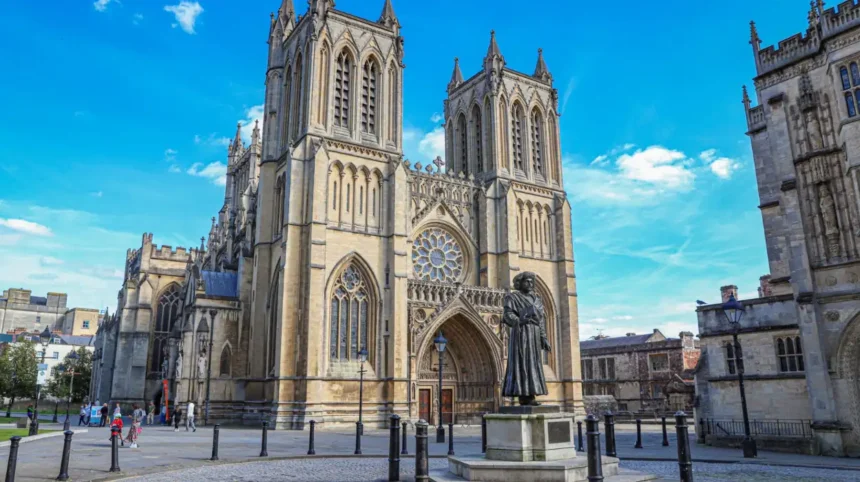
Bristol is one of England’s most architecturally diverse cities, combining medieval streets, Georgian terraces, Victorian engineering, Gothic churches, industrial warehouses and contemporary buildings. Its architectural identity reflects more than 1,000 years of urban development, maritime trade, industrial expansion and cultural change.
- What Makes Bristol’s Architecture Unique?
- How Did Bristol’s Architecture Develop Throughout History?
- Early medieval and Norman architecture
- Medieval religious and commercial architecture
- Georgian architectural expansion
- Victorian industrial and engineering development
- Twentieth-century and contemporary development
- Which Architectural Styles Can Visitors Discover in Bristol?
- Gothic architecture
- Georgian architecture
- Victorian Gothic Revival
- Bristol Byzantine architecture
- Industrial architecture
- Brutalist and contemporary architecture
- Which Historic Buildings Are the Most Important Architectural Landmarks in Bristol?
- Clifton Suspension Bridge
- Bristol Cathedral
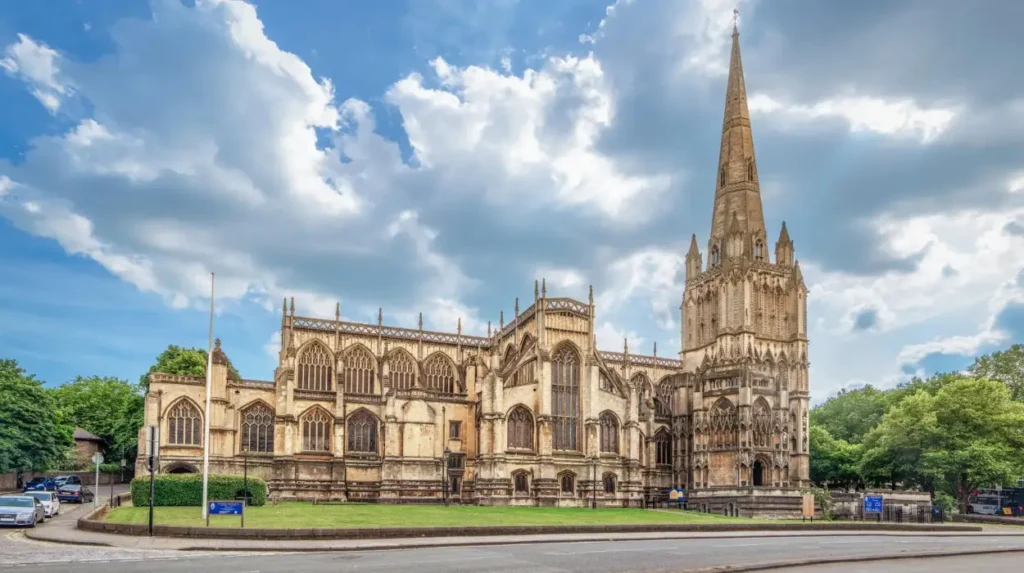
- St Mary Redcliffe Church
- Wills Memorial Building
- The Georgian House
- Bristol Old Vic
- Temple Meads Railway Station
- Which Bristol Neighbourhoods Have the Most Interesting Architecture?
- How Did Bristol’s Maritime History Influence Its Architecture?
- The Floating Harbour and dock architecture
- Historic warehouses and industrial buildings
- Underfall Yard
- What Role Did Isambard Kingdom Brunel Play in Bristol’s Architecture?
- Clifton Suspension Bridge and engineering innovation
- SS Great Britain and maritime engineering
- Temple Meads and railway architecture
- Underfall Yard and harbour infrastructure
- How Does Bristol Protect Its Historic Architecture?
- Where Can Visitors Explore Bristol’s Architecture on Foot?
- Old City and medieval architecture route
- College Green and Georgian architecture route
- Harbourside industrial architecture route
- Clifton and Avon Gorge route
- How Has Modern Architecture Changed Bristol’s Urban Landscape?
- Why Is Bristol Architecture Important to British Cultural Heritage?
Located in South West England, Bristol developed around the River Avon and the River Frome. Its historic port, commercial districts, religious institutions and engineering industries shaped the city’s built environment. Today, visitors can explore architectural landmarks ranging from Bristol Cathedral and St Mary Redcliffe to Clifton Suspension Bridge, the Wills Memorial Building and the former industrial warehouses around Bristol Harbour.
Bristol’s architecture also reflects its changing economic identity. Medieval churches and merchant buildings represent its early commercial importance, Georgian terraces demonstrate its eighteenth-century prosperity, and Victorian structures reveal its industrial and engineering achievements. Modern developments around Temple Quarter and the Harbourside add contemporary architecture to this historic setting.
The city has more than 4,000 listed buildings, according to Bristol’s heritage framework. These protected structures range from internationally recognised landmarks to smaller buildings and historic street features. This architectural heritage makes Bristol an important destination for understanding British urban architecture and historic conservation.
What Makes Bristol’s Architecture Unique?
Bristol’s architecture is distinctive because it combines medieval urban planning, Georgian residential design, Victorian engineering, industrial buildings and contemporary development. Its maritime history, dramatic landscape, local building materials and commercial growth created an architectural identity that differs from other British cities.
Bristol’s architectural character developed through its position as a major trading port. The River Avon provided access to maritime routes, while the River Frome supported industrial and commercial activity. These waterways influenced where merchants, manufacturers, religious institutions and residential communities established buildings.
The city’s topography also shaped its architecture. Bristol occupies an uneven landscape of hills, valleys and river corridors. Areas such as Clifton, Hotwells, Kingsdown and Redcliffe developed distinctive street patterns and building arrangements because of their geographical conditions.
Another important feature is the variety of architectural materials. Historic buildings use local limestone, sandstone, brick, timber and decorative stonework. Bristol’s famous red and brown building materials appear across residential terraces, warehouses, churches and commercial properties.
The city’s architectural identity also reflects different periods of wealth and development. Georgian Bristol expanded through merchant investment, Victorian Bristol benefited from engineering and industrial growth, and modern Bristol has adapted former commercial and industrial sites into residential, cultural and business spaces.
The University of Bristol identifies Georgian terraces, neo-Gothic landmarks, Brutalist buildings and Bristol Byzantine architecture among the city’s defining architectural features. University of Bristol+1
How Did Bristol’s Architecture Develop Throughout History?
Bristol’s architecture developed from early medieval settlements into a major port city, followed by Georgian commercial expansion, Victorian industrial growth, twentieth-century redevelopment and contemporary regeneration. Each period introduced different construction methods, building materials and urban layouts.
Bristol’s built environment reflects successive historical periods. Archaeological evidence identified by Bristol City Council includes prehistoric remains, Iron Age hillforts, Roman settlements, medieval buildings and industrial sites.
Early medieval and Norman architecture
Bristol emerged as an established settlement around 1000 AD. Its early development centred on a defensible urban location near important waterways.
The name Brigstow refers to a settlement associated with a bridge. Its medieval street network developed around commercial routes, religious institutions and defensive boundaries.
The Norman period introduced stone fortifications and substantial religious buildings. Bristol Castle became an important defensive structure, although much of its original architecture no longer survives.
St John’s Gate remains an important surviving reminder of the city’s medieval defensive arrangements. Historic streets around the Old City also preserve elements of earlier urban patterns.
Medieval religious and commercial architecture
During the medieval period, Bristol became an important trading centre. Wealth from maritime commerce supported the construction and expansion of churches, merchant properties and civic buildings.
St Mary Redcliffe developed into one of the city’s most important examples of medieval Gothic architecture. Its tall tower, pointed arches, large windows and elaborate stonework demonstrate the religious architectural traditions of the period.
Bristol Cathedral also preserves architectural features from different historical periods. Its origins are associated with the medieval Augustinian abbey established in the twelfth century.
Georgian architectural expansion
The eighteenth century brought considerable commercial prosperity to Bristol. Wealthy merchants invested in townhouses, residential terraces, public squares and commercial properties.
Georgian architecture introduced symmetrical façades, sash windows, decorative door surrounds and carefully arranged terraces. Queen Square, Portland Square and Brunswick Square demonstrate this period’s approach to urban planning.
Clifton also expanded as an attractive residential district. Its Georgian buildings established a strong architectural identity through elegant terraces, substantial townhouses and planned streets.
Victorian industrial and engineering development
The nineteenth century transformed Bristol’s architectural landscape. Industrial expansion, railway construction, shipbuilding and engineering projects introduced new building technologies.
Isambard Kingdom Brunel played an important role in this transformation. His work included the Clifton Suspension Bridge, SS Great Britain and major railway infrastructure.
Victorian Bristol also developed prominent educational, commercial and civic buildings. Neo-Gothic architecture became particularly visible in major institutional structures.
Twentieth-century and contemporary development
The twentieth century brought significant architectural change through wartime destruction, reconstruction, modernist planning and changing industrial activity.
Second World War bombing damaged important sections of the historic city centre. Post-war redevelopment introduced modern commercial buildings, new roads and large-scale public infrastructure.
Later regeneration projects transformed former industrial and harbour locations. Bristol Harbourside and Temple Quarter demonstrate how contemporary architecture incorporates historic structures into new urban environments.
Which Architectural Styles Can Visitors Discover in Bristol?
Visitors can discover several architectural styles in Bristol, including medieval Gothic, Georgian, Victorian Gothic Revival, Bristol Byzantine, industrial architecture, Brutalism and contemporary design. Examples include Bristol Cathedral, Queen Square, the Wills Memorial Building, the former tobacco warehouses and modern Harbourside developments.
Bristol’s architectural diversity is visible across its historic neighbourhoods and commercial districts. Different architectural styles represent the city’s religious, residential, industrial and cultural development.
Gothic architecture
Gothic architecture is characterised by pointed arches, ribbed vaults, decorative stonework and tall windows. Religious buildings frequently use these features to create impressive internal spaces and elaborate external façades.
Bristol Cathedral and St Mary Redcliffe are major examples of historic Gothic architecture. The Wills Memorial Building represents a later interpretation of Gothic design through its elaborate tower, carved stone details and monumental appearance.
Georgian architecture
Georgian architecture became prominent in Bristol during the eighteenth century. It generally features symmetrical façades, evenly spaced windows, sash windows and restrained decorative details.
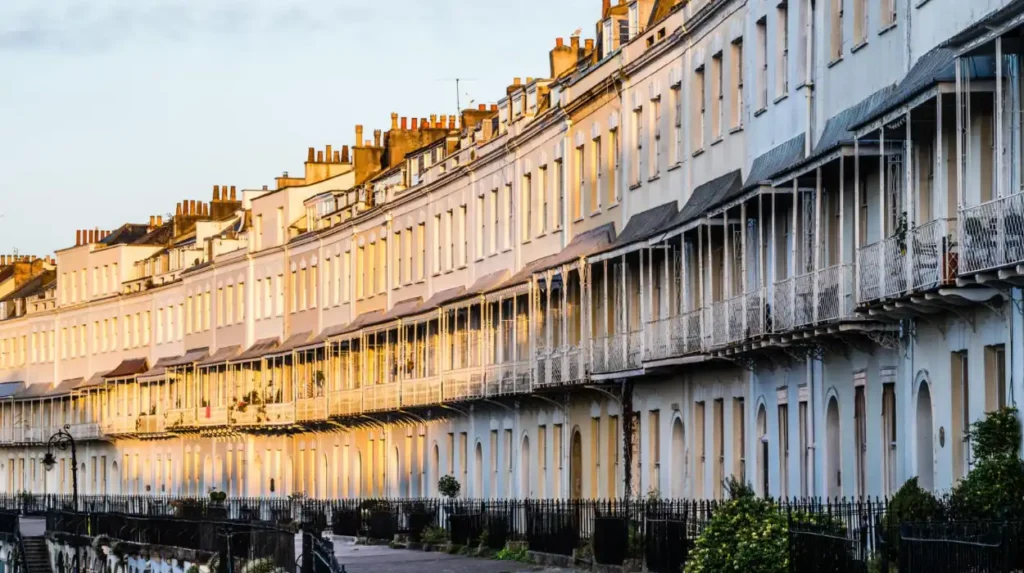
Queen Square provides an important example of Georgian urban planning. Royal York Crescent in Clifton demonstrates how residential architecture used repeated façades and elevated positions to create an organised streetscape.
Victorian Gothic Revival
Victorian Gothic Revival architecture reintroduced medieval Gothic elements into nineteenth-century public and institutional buildings.
The Wills Memorial Building is one of Bristol’s most recognisable examples. Designed by George Oatley, it was constructed during the early twentieth century and completed in 1925. Its tower and decorative stonework create a prominent feature within the university precinct.
Bristol Byzantine architecture
Bristol Byzantine is a distinctive architectural style associated with nineteenth-century commercial and industrial buildings in the city.
The style combines Byzantine, Romanesque and Oriental influences. Common features include rounded arches, patterned brickwork, substantial masonry, decorative bands and large internal spaces.
The former Granary building at Bristol Harbour and the Victoria Rooms demonstrate aspects of Bristol’s distinctive architectural traditions.
Industrial architecture
Industrial architecture developed through Bristol’s maritime trade, manufacturing and transport industries.
Warehouses, factories, railway buildings and dock structures used practical materials such as brick, stone, iron and timber. Their large windows, loading entrances and robust construction supported commercial activities.
Many former industrial buildings now accommodate offices, restaurants, cultural venues and residential developments.
Brutalist and contemporary architecture
Brutalist architecture uses exposed concrete, strong geometric forms and functional structural elements. Bristol contains examples of twentieth-century modernist and Brutalist design.
Contemporary Bristol introduces glass façades, mixed-use developments, sustainable construction and the adaptive reuse of historic buildings. These architectural approaches reflect changing requirements for housing, workplaces, public facilities and transport infrastructure.
Which Historic Buildings Are the Most Important Architectural Landmarks in Bristol?
Bristol’s most important architectural landmarks include Clifton Suspension Bridge, Bristol Cathedral, St Mary Redcliffe, the Wills Memorial Building, Bristol Old Vic, the Georgian House and the former industrial buildings around the Floating Harbour. Each represents a different period of development.
These landmarks provide an opportunity to understand how Bristol’s architecture evolved through religion, engineering, commerce, education and maritime trade.
Clifton Suspension Bridge
The Clifton Suspension Bridge is one of Britain’s most recognisable examples of nineteenth-century engineering.
Designed by Isambard Kingdom Brunel, the bridge crosses the Avon Gorge between Clifton and Leigh Woods. Its original design dates from 1829–1831, while construction began in 1831. The project was completed between 1860 and 1864 by Sir John Hawkshaw and William Henry Barlow after Brunel’s death.
The bridge spans approximately 214 metres and stands around 75 metres above high water. Its suspension system uses iron chains and carefully engineered supporting structures.
Historic England recognises the bridge as a Grade I listed structure because of its architectural, engineering and historical importance.
Its design demonstrates how Victorian engineering combined structural performance with an impressive visual presence.
Bristol Cathedral
Bristol Cathedral is an important religious and architectural landmark. Its history is associated with the Augustinian abbey founded in 1140.
The building contains medieval architectural features, including Gothic arches, elaborate stonework and historic stained glass. Its distinctive hall church design is particularly important because the nave, choir and aisles have similar heights.
The cathedral demonstrates how medieval religious institutions influenced Bristol’s urban development. Its location beside College Green also creates an important historic architectural setting.
St Mary Redcliffe Church
St Mary Redcliffe is one of England’s finest examples of medieval parish church architecture.
Its development began during the medieval period, and much of its present appearance reflects Gothic architectural traditions.
The building features pointed arches, elaborate tracery, tall windows, decorative stonework and an impressive tower. Its scale reflects the historical importance of Bristol’s commercial community.
The church also demonstrates the relationship between maritime wealth and religious architecture. Merchants and local benefactors contributed to the development and decoration of important religious buildings.
Wills Memorial Building
The Wills Memorial Building is a major example of twentieth-century Gothic Revival architecture.
Designed by architect George Oatley, the building was constructed for the University of Bristol and completed in 1925. Its prominent tower, elaborate stone carvings and large windows establish a distinctive institutional appearance.
The building forms part of Bristol’s university architectural landscape and demonstrates the continued influence of Gothic design in modern educational institutions.
The Georgian House
The Georgian House Museum provides an example of eighteenth-century domestic architecture.
The building preserves the architectural arrangements associated with an affluent Georgian townhouse. Its rooms, staircases, decorative features and internal layout help explain how wealthy households occupied urban properties.
Its architectural importance extends beyond its exterior. The interior demonstrates how domestic design reflected social status, household organisation and changing expectations of comfort.
Bristol Old Vic
Bristol Old Vic occupies a significant place in British theatre architecture.
Its origins date to 1766, when the Theatre Royal opened on King Street. The historic auditorium and associated buildings demonstrate the development of public entertainment architecture during the Georgian period.
The theatre has undergone alterations and restoration while retaining its connection to Bristol’s cultural history.
Temple Meads Railway Station
Bristol Temple Meads is an important example of Victorian railway architecture.
The original station was designed by Isambard Kingdom Brunel and opened in 1840. Its development reflects the expansion of the Great Western Railway and Bristol’s growing importance as a transport centre.
The historic station combines railway engineering with architectural details associated with nineteenth-century public infrastructure.
Its platforms, historic structures and railway facilities demonstrate how transport buildings became major elements of Victorian urban development.
Which Bristol Neighbourhoods Have the Most Interesting Architecture?
Clifton, the Old City, Redcliffe, Harbourside, Cotham, Redland and Montpelier contain some of Bristol’s most distinctive architectural environments. These neighbourhoods combine historic houses, religious buildings, commercial streets, industrial structures and contemporary developments.
Bristol’s architecture is best understood by exploring its neighbourhoods. Each district developed through different economic activities, social conditions and planning traditions.
Clifton
Clifton is particularly well known for Georgian and Victorian residential architecture.
Its streets contain substantial townhouses, decorative terraces, landscaped squares and elevated residential developments. Royal York Crescent is one of its most recognisable architectural features.
Clifton’s proximity to the Avon Gorge also influenced building positions and the development of residential streets overlooking the surrounding landscape.
The neighbourhood demonstrates how wealthy residential communities shaped Bristol’s eighteenth- and nineteenth-century architecture.
Bristol Old City
Bristol Old City preserves important elements of the historic commercial centre.
Corn Street, High Street, Clare Street and surrounding lanes contain historic banks, civic buildings, churches and commercial properties.
St Nicholas Market occupies the former Corn Exchange, an important reminder of Bristol’s historic trading economy. The surrounding streets retain elements of the city’s medieval layout, although many surviving buildings are Georgian or Victorian.
The Old City also reflects the impact of Second World War bombing, which destroyed significant parts of the medieval urban environment around Castle Park. Bristol Old City
Redcliffe
Redcliffe developed around Bristol’s historic port and commercial activities.
Its architectural character includes historic churches, warehouses, industrial structures and residential buildings. St Mary Redcliffe is the neighbourhood’s most prominent medieval landmark.
The district also demonstrates how waterfront development influenced the location of warehouses and commercial properties.
Bristol Harbourside
Bristol Harbourside combines historic maritime architecture with contemporary regeneration.
Former warehouses, dock structures and industrial buildings now stand alongside cultural venues, restaurants, offices and residential developments.
The area demonstrates adaptive reuse, which means converting existing buildings to serve new purposes while retaining significant architectural features.
M Shed, housed in a former transit shed, connects the area’s industrial history with modern museum use.
Cotham and Redland
Cotham and Redland are recognised for their Victorian and Edwardian residential architecture.
Their streets contain large houses, decorative façades, bay windows, stone detailing and carefully designed residential layouts.
These neighbourhoods expanded as Bristol’s population and professional communities grew during the nineteenth and early twentieth centuries.
Montpelier
Montpelier contains distinctive Victorian terraces, smaller residential streets and historic commercial properties.
Its architecture reflects the development of working and middle-class housing during Bristol’s industrial expansion.
The neighbourhood also forms part of Bristol’s wider architectural conservation landscape, where historic building materials, street patterns and local character remain important planning considerations.
How Did Bristol’s Maritime History Influence Its Architecture?
Bristol’s maritime economy influenced its architecture through dock construction, warehouses, shipbuilding facilities, commercial offices and waterfront infrastructure. Historic harbour buildings demonstrate how maritime trade shaped the city’s employment, transport, industrial development and urban landscape.
Bristol became a major English port because of its connections with the River Avon and wider maritime trade routes.
The development of the Floating Harbour was particularly important. The harbour engineering system helped manage changing tidal conditions and supported commercial shipping activities.
The Floating Harbour and dock architecture
The Bristol Floating Harbour opened in 1809. It was designed to maintain a more consistent water level for ships despite the tidal changes of the River Avon.
Its development required substantial engineering infrastructure, including locks, sluices, dock walls and other water-management structures.
The harbour changed the architectural character of the waterfront. Warehouses and commercial buildings developed around the docks to support storage, shipping and distribution.
Historic warehouses and industrial buildings
Bristol’s maritime warehouses were designed for practical commercial purposes.
Their architectural features include large loading openings, strong masonry walls, repeated windows and substantial internal storage spaces.
Former tobacco warehouses and other industrial properties remain important examples of the city’s commercial heritage.
Today, several historic industrial buildings have been adapted into offices, apartments, restaurants and cultural spaces. This process preserves parts of Bristol’s industrial architecture while supporting new urban uses.
Underfall Yard
Underfall Yard is an important historic engineering site associated with the Floating Harbour.
Its structures and machinery demonstrate how dock infrastructure operated. The site preserves engineering workshops, historic equipment and facilities connected with harbour maintenance.
Underfall Yard provides an important example of industrial heritage because it explains the practical engineering systems behind Bristol’s maritime development.
Bristol’s port history also includes its involvement in the Atlantic slave trade. The wealth accumulated through maritime commerce was connected to slavery and colonial exploitation. Understanding this history is essential when interpreting the city’s historic commercial buildings and the economic circumstances behind their construction. M Shed provides historical interpretation of Bristol’s involvement in this trade.
What Role Did Isambard Kingdom Brunel Play in Bristol’s Architecture?
Isambard Kingdom Brunel transformed Bristol’s architectural and engineering landscape through innovative railway infrastructure, shipbuilding and bridge design. His major contributions include Clifton Suspension Bridge, SS Great Britain, Temple Meads Station and engineering works associated with Bristol Harbour.
Isambard Kingdom Brunel was one of the most influential engineers of the nineteenth century. His projects connected Bristol with national and international transport networks.
Clifton Suspension Bridge and engineering innovation
Brunel’s design for Clifton Suspension Bridge demonstrated the possibilities of suspension engineering. The project required an understanding of structural loads, iron chains, foundations and the challenging geography of the Avon Gorge.
The bridge became a defining feature of Bristol’s skyline and remains an important example of Victorian engineering.
SS Great Britain and maritime engineering
The SS Great Britain was designed by Brunel and launched in 1843.
It was a pioneering iron-hulled passenger steamship. Its screw propeller and large iron construction represented significant developments in maritime engineering.
The ship was constructed in Bristol and remains preserved in its original historic dry dock. Its architecture combines shipbuilding technology, engineering innovation and Victorian industrial design.
Temple Meads and railway architecture
Brunel also influenced Bristol’s railway architecture through his work on the Great Western Railway.
Temple Meads opened in 1840 and became an important transport gateway. Its original station buildings demonstrate how railway infrastructure required new architectural approaches to accommodate passengers, locomotives and railway operations.
Underfall Yard and harbour infrastructure
Brunel’s engineering legacy also extends to Bristol’s harbour infrastructure. His work on harbour systems included improvements to sluices and water-management arrangements.
These engineering projects demonstrate how architecture in Bristol extends beyond decorative buildings. Bridges, docks, railway stations and ships are equally important components of the city’s built heritage.
How Does Bristol Protect Its Historic Architecture?
Bristol protects historic architecture through listed building legislation, conservation areas, local planning policies, heritage assessments and specialist conservation advice. These measures help preserve important buildings, historic streets, traditional materials and distinctive neighbourhood character.
Historic architecture requires ongoing protection because alterations, demolition, redevelopment and neglect affect the survival of heritage buildings.
Bristol City Council works with national heritage organisations, property owners and local communities to manage the historic environment.
Listed buildings
A listed building is a structure recognised for its special architectural or historic interest.
Listed buildings receive legal protection under the Planning (Listed Buildings and Conservation Areas) Act 1990.
There are three principal grades:
- Grade I: Buildings of exceptional interest, such as Clifton Suspension Bridge.
- Grade II:* Particularly important buildings of more than special interest.
- Grade II: Buildings of special architectural or historic interest.
Owners generally need listed building consent before carrying out alterations that affect a building’s special character.
Bristol City Council recommends checking a property’s listing status and obtaining appropriate professional advice before planning significant building work.
Conservation areas
A conservation area is a location recognised for its special architectural or historic character.
Bristol City Council identifies 33 conservation areas on its conservation areas webpage. These include historic districts such as Clifton and Hotwells, City and Queen Square, Redcliffe, Cotham and Redland, and Montpelier.
Conservation areas protect more than individual buildings. Their character includes historic road layouts, building materials, property boundaries, trees, public spaces and important views.
Development within these areas is subject to additional planning considerations. Certain alterations and demolitions require specific permission or additional assessment.
Local List of Valued Buildings
Bristol also maintains a Local List of Valued Buildings.
This identifies buildings, structures and sites that do not have statutory listed status but contribute to the city’s architectural and historical identity.
The local assessment process considers architectural interest, historical importance, artistic value, archaeological interest and community value.
Bristol adopted its Local List in October 2015. The system provides recognition for buildings that contribute to local character without necessarily meeting national listing criteria. Bristol City Council+1
Historic Environment Record
The Bristol Historic Environment Record contains information about archaeological sites, historic buildings, monuments, excavations and historic landscapes.
The database contains more than 7,000 entries, including information from archaeological investigations, historical maps and aerial photographs.
It helps planners, researchers, property owners and heritage professionals understand the historical significance of particular locations.
The Know Your Place mapping resource also allows users to explore historic maps, photographs and heritage information across Bristol.
Where Can Visitors Explore Bristol’s Architecture on Foot?
Visitors can explore Bristol’s architecture through walking routes connecting the Old City, Queen Square, Bristol Cathedral, Harbourside, Clifton and the Avon Gorge. These routes provide access to medieval churches, Georgian terraces, Victorian engineering and contemporary waterfront developments.
Walking is an effective way to understand Bristol’s architectural development because many important buildings are located within accessible historic districts.
Old City and medieval architecture route
Start around Corn Street and explore the historic commercial centre.
Important architectural stops include:
- St Nicholas Market and the former Corn Exchange.
- Historic commercial buildings around Corn Street.
- St John’s Gate.
- Bristol Old Vic on King Street.
- Historic streets around Clare Street.
This route introduces visitors to Bristol’s medieval street pattern and later Georgian and Victorian commercial architecture.
College Green and Georgian architecture route
College Green provides access to several important architectural landmarks.
Visitors can explore Bristol Cathedral, the Wills Memorial Building and nearby historic streets.
Continue towards Park Street to see historic commercial properties, residential terraces and buildings associated with Bristol’s Georgian expansion.
Harbourside industrial architecture route
The Harbourside offers an opportunity to explore Bristol’s maritime and industrial architecture.
Important locations include M Shed, the Floating Harbour, historic dock buildings, Underfall Yard and SS Great Britain.
Visitors can examine how former industrial buildings have been adapted for museums, cultural facilities and commercial activities.
Clifton and Avon Gorge route
Clifton provides a different architectural experience through Georgian residential planning and Victorian engineering.
Explore Clifton Village, Royal York Crescent and the surrounding historic streets before visiting Clifton Suspension Bridge.
The route demonstrates the relationship between architecture, residential development and Bristol’s natural landscape.
Explore More Area Guide
Banksy Locations in Bristol: Famous Murals and Where to Find Them
Street Art in Bristol: Banksy, Murals and Famous Art Locations
How Has Modern Architecture Changed Bristol’s Urban Landscape?
Modern architecture has changed Bristol through waterfront regeneration, transport development, contemporary housing, cultural facilities and the reuse of former industrial buildings. Temple Quarter and Harbourside demonstrate how new construction integrates with the city’s historic architectural environment.
Bristol continues to develop while maintaining its historic identity. Modern architecture responds to changing population needs, employment patterns, transport requirements and environmental standards.
Harbourside regeneration
The Harbourside illustrates how former industrial locations can support new urban functions.
Historic warehouses and dock facilities now stand alongside modern apartments, offices, restaurants and cultural venues.
This approach is known as adaptive reuse. It involves modifying existing buildings for new purposes while retaining significant architectural and historical features.
Temple Quarter development
Temple Quarter is an important focus for Bristol’s urban regeneration.
The area combines historic railway infrastructure, former industrial properties, commercial buildings and new development opportunities.
Its architectural future depends on balancing contemporary construction with the historic character of Temple Meads and surrounding heritage sites.
Sustainable architecture
Sustainable architecture focuses on reducing the environmental impact of buildings throughout their lifecycles.
In Bristol, sustainable development includes improving energy efficiency, reusing existing structures, reducing construction waste and supporting active travel.
Historic building reuse is particularly important because retaining existing structures reduces the need for demolition and replacement construction.
New buildings also increasingly incorporate improved insulation, efficient heating systems, sustainable materials and designs that respond to climate conditions.
The city’s architectural development therefore involves both preserving historic structures and creating buildings that meet modern environmental requirements.
Why Is Bristol Architecture Important to British Cultural Heritage?
Bristol architecture is important to British cultural heritage because it documents medieval urban development, maritime commerce, Georgian prosperity, Victorian engineering and modern regeneration. Its historic buildings preserve evidence of technological innovation, religious life, industrial growth and changing social conditions.
Bristol’s buildings provide a physical record of the city’s development and its influence on British history.
Evidence of maritime and commercial history
Historic warehouses, harbour structures and commercial buildings demonstrate Bristol’s importance as a trading centre.
They also provide opportunities to understand the economic relationships behind the city’s development, including its involvement in the Atlantic slave trade.
Architectural and engineering innovation
Clifton Suspension Bridge, SS Great Britain and Temple Meads demonstrate the importance of nineteenth-century engineering.
These structures reflect developments in iron construction, railway transport, maritime technology and suspension bridge design.
Religious and civic heritage
Bristol Cathedral and St Mary Redcliffe preserve important examples of religious architecture.
Other buildings, including the Georgian House and historic commercial properties, demonstrate the development of civic institutions, domestic life and commercial organisations.
Tourism and the local economy
Historic architecture supports Bristol’s tourism industry by attracting visitors interested in heritage, engineering, photography, museums and cultural experiences.
Architectural landmarks also strengthen neighbourhood identity and contribute to the appeal of historic commercial districts.
Long-term conservation and urban development
Bristol’s architectural future depends on responsible development.
The protection of listed buildings, sensitive renovation, appropriate new construction and the reuse of industrial properties help maintain the city’s historic character.
Understanding these connections makes architecture an important part of Bristol’s cultural identity and future urban planning.
What is Bristol famous for architecturally?
Bristol is famous for its Georgian terraces, medieval churches, Victorian engineering, historic harbour warehouses and distinctive Bristol Byzantine architecture. Clifton Suspension Bridge, Bristol Cathedral and the Wills Memorial Building are among its best-known architectural landmarks.